DbcultAccessing Vault...
6.4/10
Senior Film Conservator
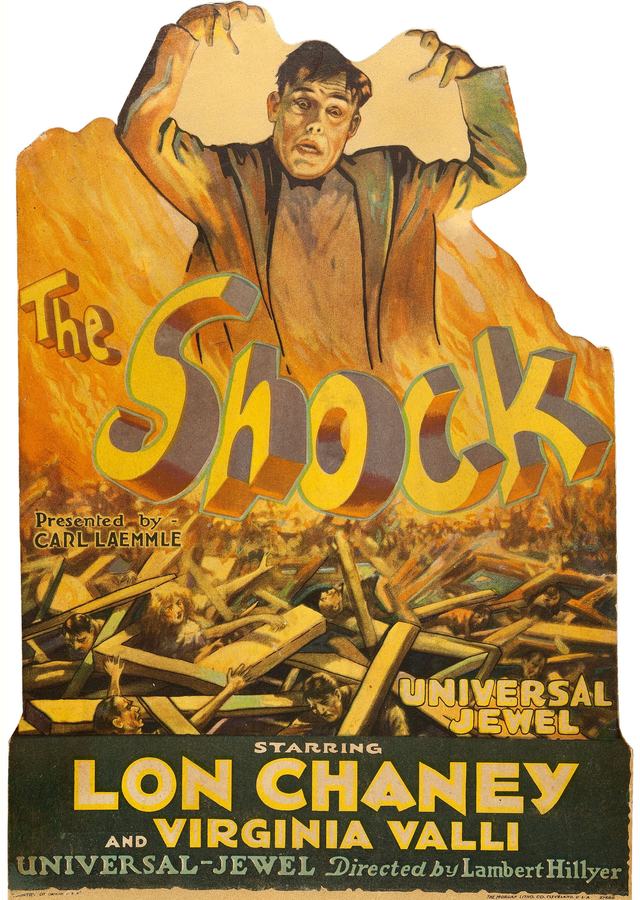
A definitive 6.4/10 rating for a film that redefined the boundaries of cult cinema. The Shock remains a cornerstone of transgressive art.
In the annals of silent cinema, few names resonate with the evocative power and transformative genius of Lon Chaney. Known as 'The Man of a Thousand Faces,' Chaney carved out a niche for himself by embodying characters often marginalized, physically altered, or psychologically tormented. His 1923 vehicle, The Shock, directed by Lambert Hillyer, stands as a compelling testament to his unparalleled ability to convey profound human emotion through intricate physical performance and the subtlest of facial expressions. This film, a potent blend of crime drama, moral quandary, and an unexpected love story, invites audiences into a world where the lines between villainy and virtue are perpetually blurred, and redemption often emerges from the most unlikely of places. It's a narrative that, even a century later, retains a startling capacity to captivate and provoke thought, positioning itself as more than just a relic of a bygone era, but a vibrant piece of cinematic art.
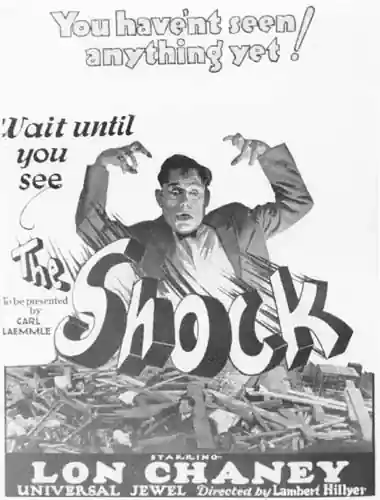
The plot, penned by Charles Kenyon and William Dudley Pelley, is deceptively simple yet laden with intricate psychological undercurrents. We are introduced to Wilse (Lon Chaney), a physically disabled man whose existence is inextricably tied to a sinister blackmail ring operating out of the seedy underbelly of San Francisco. He is dispatched by his shadowy employers to ensnare a prominent banker, a man already caught in their web of deceit. This mission, however, is irrevocably altered when Wilse encounters Gertrude (Virginia Valli), the banker’s innocent daughter. What begins as a calculated maneuver of manipulation swiftly blossoms into an unforeseen and deeply affecting romance, forcing Wilse to confront the moral abyss that separates his life of crime from the nascent stirrings of genuine affection. This central conflict — the struggle between an ingrained life of depravity and the redemptive power of love — forms the very backbone of the film, allowing Chaney a vast canvas upon which to paint a portrait of complex internal struggle.
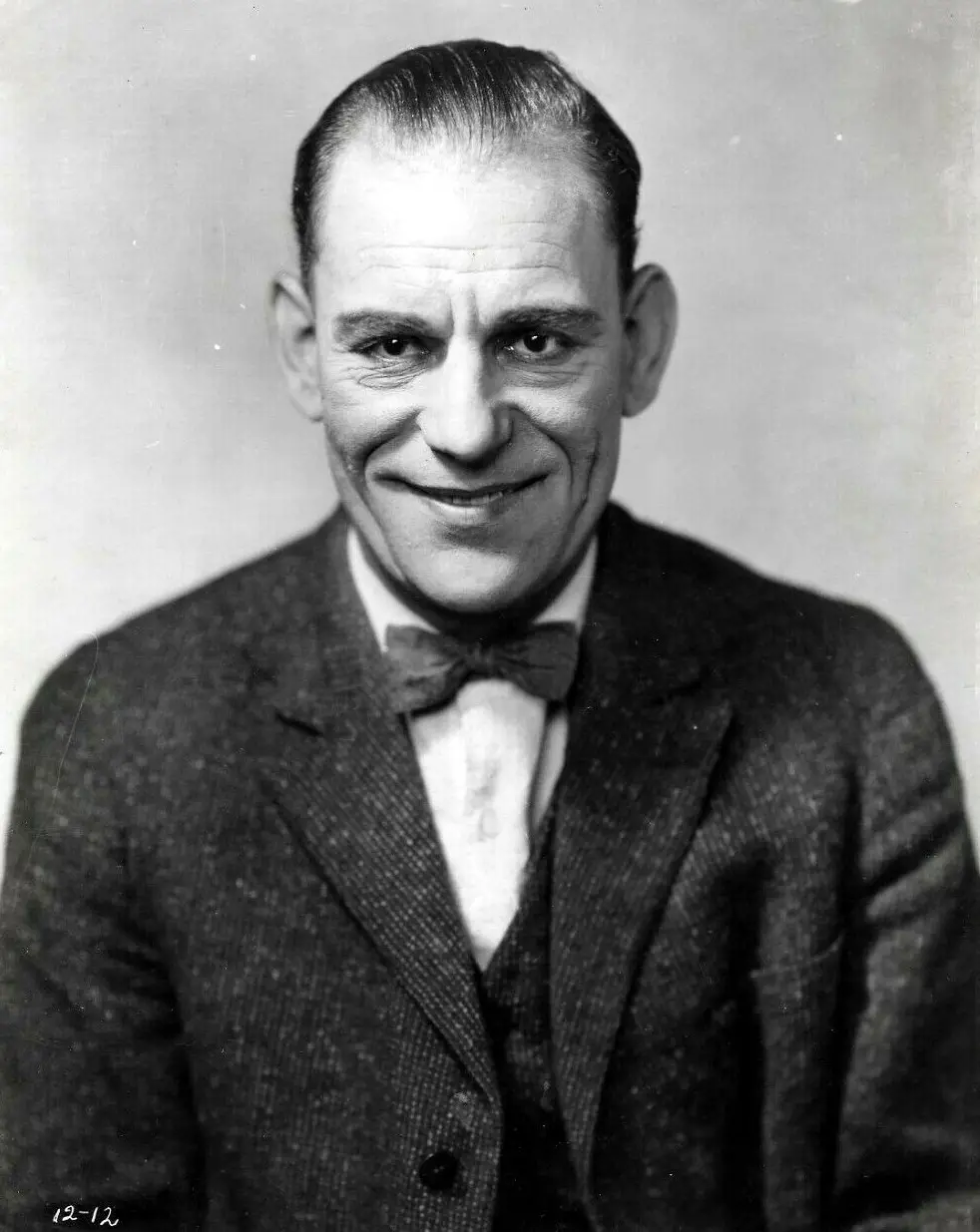
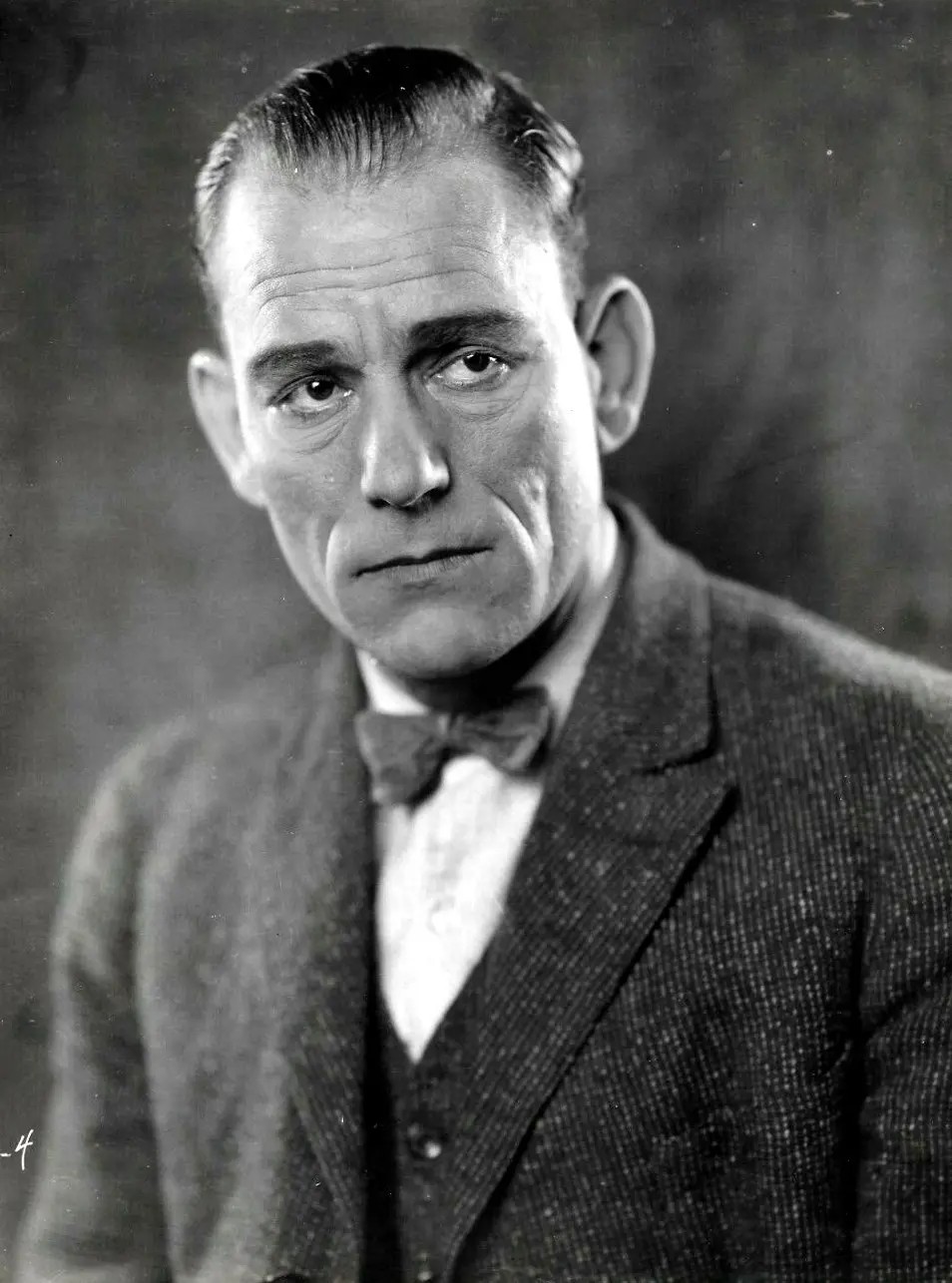
Lon Chaney’s portrayal of Wilse is nothing short of extraordinary. His physical transformation into the cripple is, as always, meticulous and deeply committed. Yet, it is not merely the external deformity that defines his performance; it is the profound interiority he imbues into Wilse. Chaney masterfully navigates the character's journey from a hardened, cynical tool of the underworld to a man wrestling with his conscience, yearning for a different path. The subtle shifts in his gaze, the hesitant gestures, the way his body language conveys both his physical limitations and his growing emotional vulnerability are all testaments to his genius. He communicates volumes without uttering a single word, a hallmark of truly great silent film acting. This role, in its complexity, allows Chaney to explore themes he often returned to: the inherent dignity of those society casts aside, and the possibility of redemption for even the most compromised souls. It’s a performance that stands shoulder to shoulder with his iconic turns in films like The Hunchback of Notre Dame or The Phantom of the Opera, showcasing his unique ability to elicit empathy for characters who might otherwise be dismissed as monstrous or pitiable.
Virginia Valli, as Gertrude, provides an essential counterpoint to Chaney’s intensity. Her performance is imbued with a quiet strength and an unvarnished innocence, making her character a believable catalyst for Wilse’s transformation. The chemistry between Chaney and Valli, though unspoken, is palpable, lending credibility to the improbable romance that forms the narrative's core. The supporting cast, including Jack Mower, Steve Murphy, William Lloyd, Tôgô Yamamoto, Pat Harmon, Christine Mayo, Henry A. Barrows, George Marion, John Beck, Walter Long, Bob Kortman, William Welsh, and Harry De Vere, all contribute effectively to the film's rich tapestry, each playing their part in creating a credible world of both danger and unexpected tenderness. Notably, the various members of the blackmail gang are depicted with a chilling lack of remorse, amplifying the moral stakes for Wilse as he contemplates his defection.
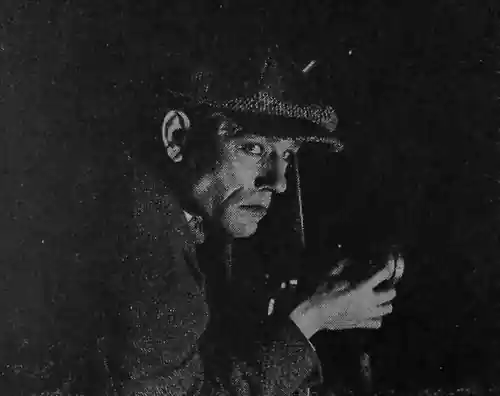
The narrative structure of The Shock is a masterclass in building tension and emotional payoff. Writers Charles Kenyon and William Dudley Pelley meticulously craft a story that slowly peels back the layers of Wilse's character, revealing the humanity beneath the hardened exterior. The initial premise of blackmail and criminal enterprise sets a grim tone, but the introduction of the love interest gradually shifts the film's focus, transforming it into a compelling drama about choice, consequence, and the possibility of personal redemption. This shift isn't abrupt; rather, it's a gradual unfolding, allowing the audience to witness Wilse's internal struggle with genuine engagement. The film effectively explores the societal prejudices faced by those with physical disabilities, subtly commenting on how such individuals are often relegated to the fringes, sometimes even exploited by those in power. Wilse's journey is not just about escaping a life of crime, but about finding acceptance and love despite his physical challenges.
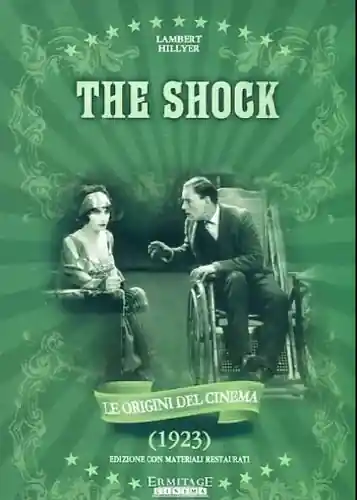
Director Lambert Hillyer orchestrates the proceedings with a keen eye for visual storytelling, utilizing the expressive capabilities of silent film to their fullest. The San Francisco setting, with its inherent contrasts between opulent wealth and grimy underbellies, serves as a vivid backdrop. While not overtly a 'disaster film' in the vein of some later productions, the film's climactic sequence masterfully integrates a natural catastrophe – a devastating earthquake – which acts as both a literal and metaphorical 'shock' to the characters' lives. This cataclysmic event serves as a powerful narrative device, forcing characters to shed their pretenses and revealing their true natures under duress. It accelerates Wilse's transformation, providing him with a dramatic opportunity for heroism and self-sacrifice, cementing his path towards redemption. This use of environmental upheaval to reflect internal turmoil is a recurring motif in cinema, and here, it is executed with particular potency.
When considering The Shock within the broader landscape of silent cinema, its thematic concerns echo those found in other films of the era that grappled with moral complexity and the human condition. For instance, the exploration of societal outcasts and their yearning for acceptance can be seen in films like Der Weg des Todes, where characters often confront their mortality and moral choices in stark, unforgiving environments. The romantic element, blossoming amidst adversity, might draw parallels to the tender yet dramatic narratives of films such as Hjertestorme or Destiny's Isle, where love becomes a powerful force capable of transcending social barriers or personal failings. Chaney's physical characterization and the eventual redemption arc also find distant cousins in the more overt melodrama of Dzieje grzechu, which similarly delves into the consequences of sin and the arduous path to absolution.
The film also showcases a particular brand of gritty realism, juxtaposed with moments of profound sentimentality, a balance that many silent dramas strove to achieve. While not a Western, the depiction of a harsh, unforgiving world where justice is often elusive can be seen in the thematic underpinnings of films like Ace of the Saddle or The Sheriff, even if their settings and genres differ wildly. The criminal element and the pursuit of justice, albeit a more personal and morally ambiguous one, might evoke comparisons to the suspenseful narratives of Go and Get It or Hands Off!, though The Shock elevates its premise through its focus on internal transformation rather than mere external conflict. It's a film that, much like A Weaver of Dreams, demonstrates the silent era's capacity for intricate character development and emotionally resonant storytelling, often surprising audiences with its depth.
Beyond its immediate narrative, The Shock serves as an important historical document, offering a glimpse into the social anxieties and moral preoccupations of the early 1920s. The film’s depiction of organized crime, class disparities, and the precariousness of life in a bustling metropolis like San Francisco resonates even today. The performances, particularly Chaney’s, transcend the limitations of the medium, speaking directly to the universal human experience of longing, regret, and the arduous pursuit of a better self. It's a reminder that truly great acting, irrespective of technological advancements, possesses an timeless quality that can bridge decades and cultural divides. The film’s pacing, typical of the era, allows for moments of quiet contemplation alongside bursts of dramatic action, creating a rhythm that draws the viewer into its world.
The artistry involved in creating a film like The Shock — from the intricate set designs that recreate a vibrant San Francisco, to the dramatic lighting choices that accentuate the emotional states of the characters, to the carefully orchestrated crowd scenes during the earthquake sequence — all contribute to its lasting impact. It’s a testament to the collaborative genius of its cast and crew, working under Hillyer’s direction and from Kenyon and Pelley’s thoughtful script. This film doesn't just tell a story; it immerses you in a particular time and place, making you feel the desperation of Wilse's predicament and the burgeoning hope of his transformation. It's a film that demands engagement, rewarding the attentive viewer with a rich, emotionally complex experience.
In conclusion, The Shock is more than just a historical curiosity; it is a powerful and moving piece of cinematic art that showcases Lon Chaney at the zenith of his powers. It’s a compelling drama that delves into the darker corners of human nature while simultaneously celebrating the enduring power of love and redemption. For anyone interested in the foundational works of cinema, the unparalleled artistry of Lon Chaney, or simply a deeply affecting story, this film is an indispensable viewing experience. It reminds us that even from the depths of moral compromise, a path toward light can be forged, often by the most unexpected of forces. Its legacy is secure, not just as a silent film classic, but as a timeless exploration of the human heart's capacity for change.
IMDb —
1915
Community
Log in to comment.