DbcultAccessing Vault...
Cult Review
Senior Film Conservator
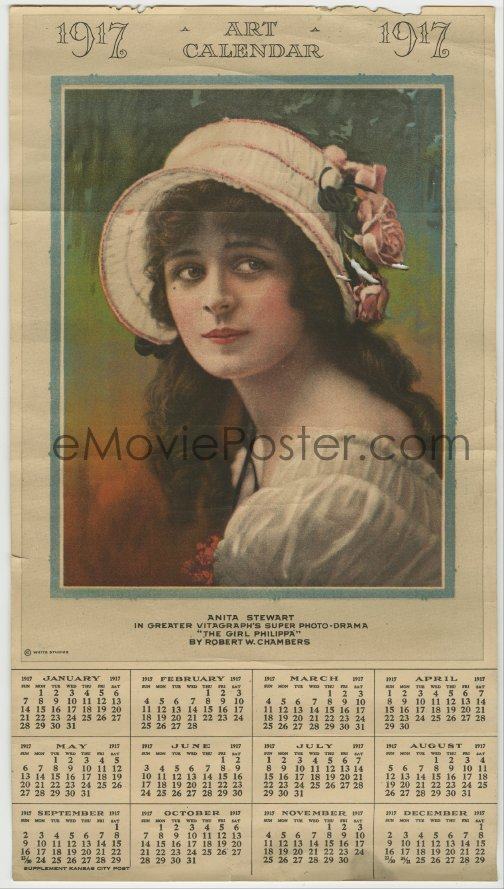
In the annals of early 20th-century cinema, where nascent storytelling wrestled with the burgeoning capabilities of the moving picture, certain films emerge as fascinating time capsules, offering glimpses into the collective anxieties and romantic aspirations of an era. The Girl Philippa, a 1917 production based on Robert W. Chambers's novel, is precisely one such artifact. It’s a tapestry woven with threads of international intrigue, a lost royal lineage, burgeoning romance, and the grim shadow of World War I – a narrative cocktail that, even a century later, retains a surprising potency. This isn't merely a silent film; it's a window into a world teetering on the brink, reflected through the lens of dramatic melodrama and patriotic fervor.
The film commences with a brutal, almost mythic prologue: a midnight raid circa 1900 on a Balkan palace, where a powerful, unnamed foreign entity ruthlessly eradicates the reigning monarchs, sparing only an infant crown princess who is spirited away into an enforced anonymity. This chilling opening immediately establishes a tone of high stakes and hidden histories, setting the stage for a narrative steeped in destiny and political machination. The temporal leap to the 'present' – which for contemporary audiences meant the very precipice of the Great War – seamlessly integrates this historical injustice with immediate geopolitical tensions. The theft of crucial American shell plans, loaned to Great Britain, serves as the catalyst for the modern-day espionage thriller, placing English officers Halkett and Gray at the heart of a perilous pursuit. This intertwining of a personal, dynastic tragedy with a broader international crisis is a sophisticated narrative device for its time, elevating the film beyond simple adventure.
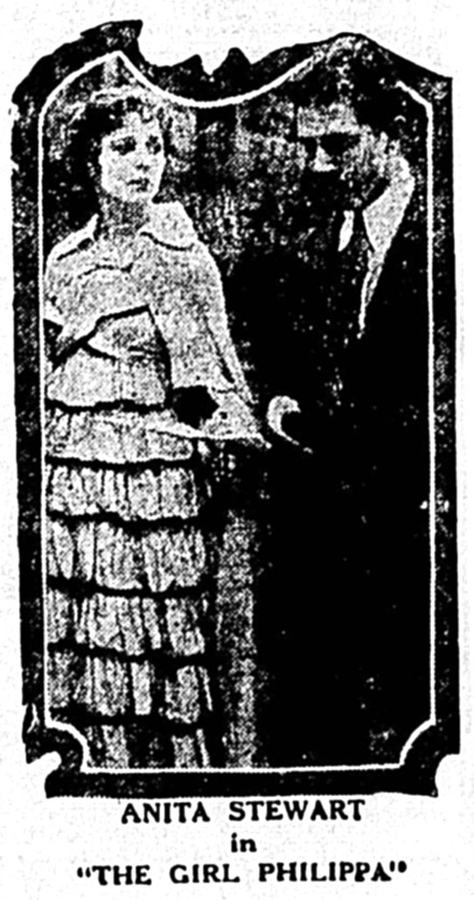
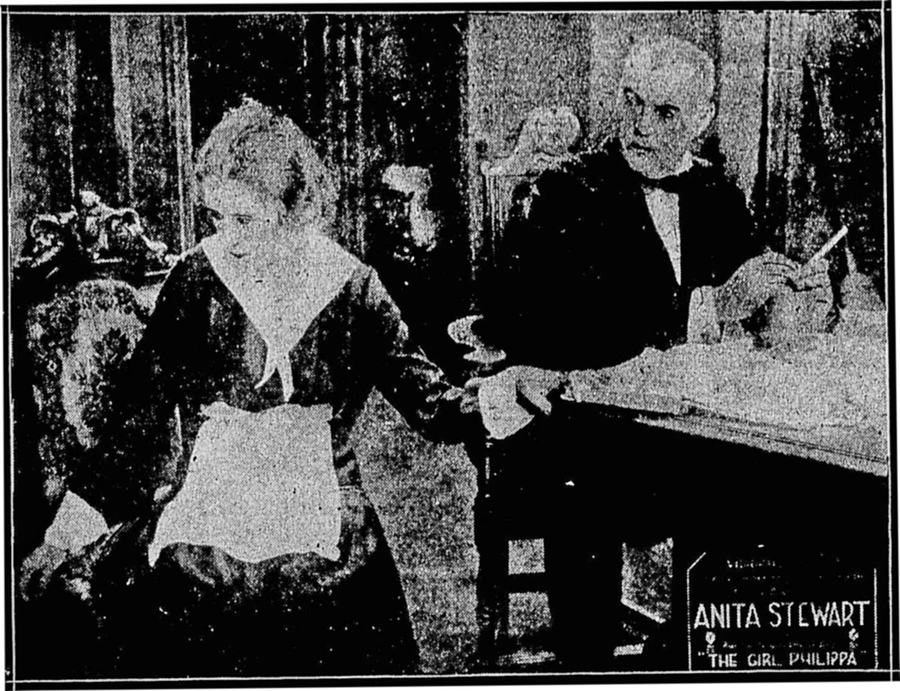
Our protagonist, Philippa, enters the scene not as a princess, but as a humble cashier in the Cabaret de Biribi, nestled in the picturesque yet increasingly vulnerable French village of Ausone. It is here that Warner, an American artist with a keen eye for intrinsic character, discovers her. Anita Stewart, in the titular role, imbues Philippa with a quiet dignity and a pensive beauty that immediately captivates Warner (Ned Hay). Their relationship begins as an artistic endeavor, a classic artist-and-model dynamic, yet it quickly deepens into something far more profound as Warner perceives the depth beneath her seemingly ordinary existence. This burgeoning connection, however, is not without its perilous undercurrents. Philippa is under the thumb of her burly, malevolent foster father, Wildresse (Jules Cowles), a master spy of considerable cunning and ruthlessness. Wildresse manipulates Philippa, forcing her to spy on Warner, who has unknowingly become a confidant to Halkett, thus linking the personal narrative to the grander scheme of international espionage. The moral dilemma facing Philippa – loyalty to her oppressive guardian versus her growing affection and trust in Warner – forms the emotional core of the film's second act, echoing similar struggles found in dramas like Bondwomen, where characters grapple with societal or familial expectations against their true desires.
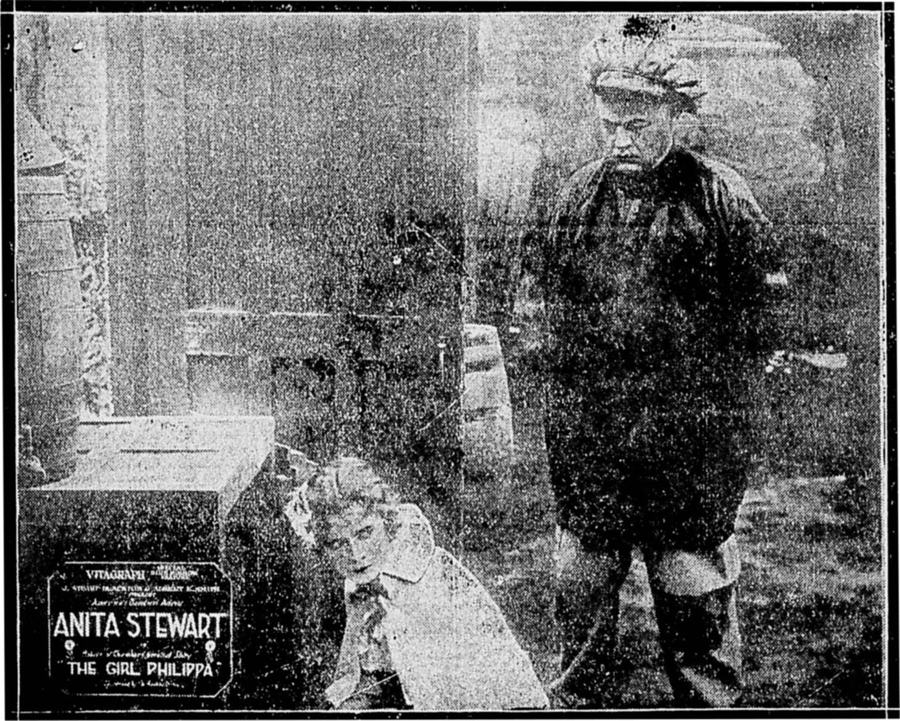
Philippa's eventual decision to expose Wildresse to Warner, seeking refuge in his protection, marks a pivotal turning point. This act of defiance against her tormentor is a powerful statement of agency, transforming her from a passive victim into an active participant in her own destiny. The immediate consequence, Wildresse’s brutal recapture of Philippa, sets the stage for a dramatic rescue sequence, with Warner penetrating the spy's stronghold. These scenes, while perhaps simplistic by modern action standards, would have been thrilling for contemporary audiences, showcasing courage and derring-do. The narrative then expands its canvas dramatically as war erupts between France and Germany. This historical backdrop is not merely ornamental; it becomes an integral, inescapable force shaping the characters' fates. The sudden shift from personal intrigue to global conflict imbues the story with an urgent, almost desperate, quality, much like the heightened stakes in The Primal Lure where romantic pursuits are complicated by external dangers.
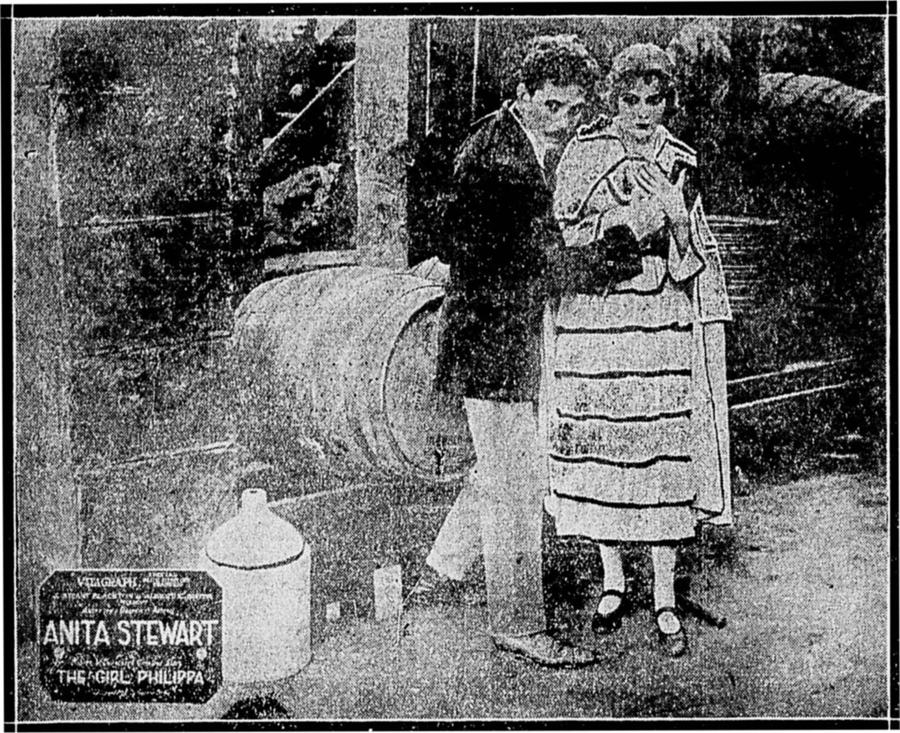
A crucial hint from a disillusioned tool of Wildresse ignites in Philippa a burning desire to uncover the truth of her birth. This quest for identity, so common in literature and film, takes on a heightened urgency against the backdrop of war. She hastens back to Ausone, now a village under siege, a microcosm of the larger conflict. Her daring act of rifling Wildresse's safe, amidst the cacophony of battle, is a testament to her resolve. The discovery of documents proving her royal lineage is the film's central revelation, a moment of profound narrative satisfaction. However, this triumph is immediately juxtaposed with peril as she finds herself trapped in a cellar, a prisoner of the raging street battles above. This dramatic irony – the revelation of her true status coinciding with her most vulnerable moment – is a masterstroke of melodramatic tension. Warner, ever her protector, arrives to defend her from both Wildresse and the invading forces, culminating in a climactic confrontation that sees the spy justly shot as a traitor. The arrival of French forces to retake the village and save the protagonists provides a cathartic release, solidifying the themes of justice and national triumph.
The cast of The Girl Philippa, featuring talents like Anita Stewart, Ned Hay, and Jules Cowles, delivers performances characteristic of the silent era – often grand, expressive, and relying heavily on physical gesture and facial expression to convey emotion. Anita Stewart, a prominent star of the time, carries the emotional weight of Philippa's transformation with grace, moving convincingly from a subdued cashier to a woman of royal bearing. Ned Hay's Warner embodies the heroic, steadfast lover, a figure of American idealism clashing with European intrigue. Jules Cowles as Wildresse, the quintessential villain, is suitably menacing, his burly frame and sinister expressions providing a clear antagonist for the audience to root against. While the acting style might appear exaggerated to modern eyes, it was the language of silent film, a necessary exaggeration to communicate complex emotions without dialogue. The pacing, too, reflects the conventions of the era, building tension through sustained sequences of peril and dramatic irony, interspersed with moments of romantic longing. The film's ability to maintain narrative momentum across its various subplots, from the grand geopolitical machinations to the intimate romantic entanglement, speaks to the skilled direction of S. Rankin Drew and the robust source material by Robert W. Chambers. This kind of multi-layered storytelling, blending personal drama with a broader social canvas, can be seen in other complex narratives of the period, albeit in different genres, such as Cardinal Richelieu's Ward.
At its heart, The Girl Philippa is a profound exploration of identity and destiny. Philippa's journey from an assumed waif to a rediscovered princess is a classic trope, yet here it is imbued with the gravity of international conflict. Her hidden royal blood is not merely a romantic fantasy but a political hot potato, a symbol of a lost nation and a potential flashpoint for future power struggles. The film deftly weaves together the personal and the political, suggesting that individual fates are inextricably linked to the grand sweep of history. The omnipresent threat of war, which eventually erupts, serves as a powerful backdrop, lending a sense of urgency and fragility to every romantic gesture and every act of heroism. It underscores the idea that even in the most personal of struggles, the wider world intrudes, often violently. This contextualization of personal drama against a monumental historical event is a significant strength of the film, differentiating it from purely domestic melodramas like Husband and Wife, by elevating the stakes to an international level. The film also touches upon themes of class and social mobility, with Warner's willingness to love Philippa regardless of her perceived station, a testament to an idealized American democratic spirit contrasting with old-world hierarchies.
Released in 1917, The Girl Philippa stands at a fascinating juncture in cinematic history. The language of film was rapidly evolving, moving beyond mere documentation towards sophisticated narrative techniques. While not pioneering in its visual grammar compared to contemporaries like D.W. Griffith, it demonstrates a solid understanding of how to construct a compelling story for the screen. The use of location shooting (implied by the French setting) would have added a layer of realism and exoticism for audiences. The film's portrayal of war, though likely limited by budget and technology, would have resonated deeply with a public acutely aware of the conflict raging across Europe. It's a testament to the power of early cinema to both entertain and reflect contemporary realities, much like the more propagandistic National Red Cross Pageant, but with a focus on dramatic narrative rather than direct appeals. The film's strength lies in its ability to synthesize multiple genres – romance, espionage, historical drama, and war film – into a cohesive and engaging whole. The climax, featuring a besieged village and a cellar confrontation, would have been particularly thrilling, showcasing the emerging capabilities of action sequences in silent cinema.
In its entirety, The Girl Philippa offers a rich, if somewhat conventional, narrative experience that speaks to the enduring power of classic storytelling. It is a film that successfully blends the personal with the political, the romantic with the perilous, all against a historical backdrop of immense consequence. While the melodrama is palpable, a hallmark of its era, it is delivered with earnestness and conviction by its cast. The ultimate resolution, with Philippa reclaiming her rightful identity and Warner receiving her love not as a 'waif' but as a 'princess,' provides a satisfying, fairy-tale ending that nevertheless feels earned through the trials and tribulations endured. For cinephiles and historians alike, this film is more than just a forgotten relic; it is a vibrant snapshot of early 20th-century entertainment, revealing how themes of identity, love, and national destiny resonated with audiences on the cusp of a modern world. It reminds us that even in the silence of the past, stories can speak volumes, their echoes reverberating through the ages, inviting us to rediscover their intricate beauty and dramatic weight.
IMDb —
1921
Community
Log in to comment.