DbcultAccessing Vault...
5.6/10
Senior Film Conservator
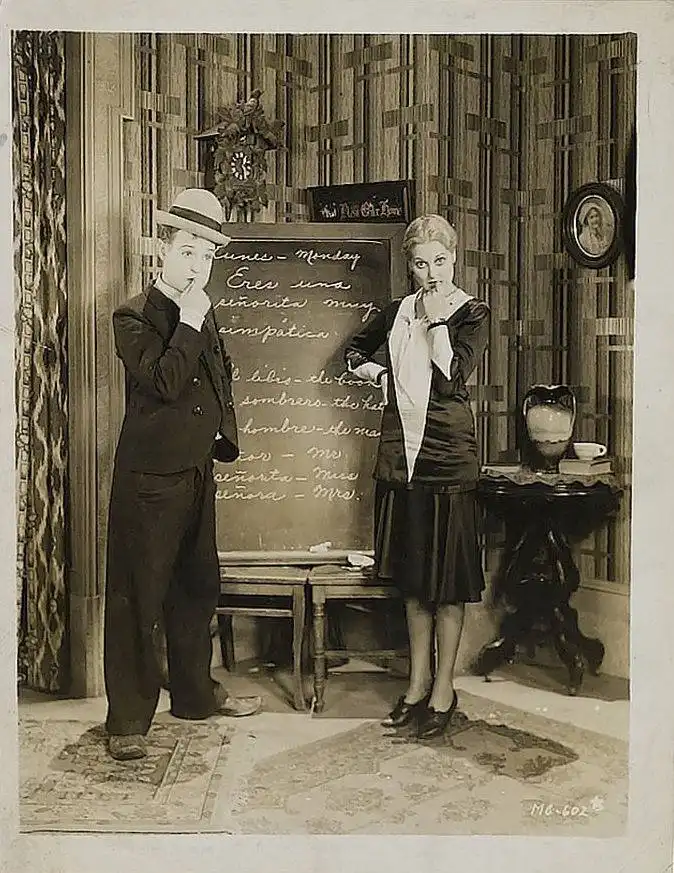
A definitive 5.6/10 rating for a film that redefined the boundaries of cult cinema. The Shrimp remains a cornerstone of transgressive art.
Alright, so is The Shrimp worth digging up today? Well, if you’re into silent film quirks, or just curious about how comedy used to tick, then yeah, maybe give it a whirl. If you’re looking for snappy modern pacing or deep emotional arcs, you might want to skip this one. It’s a real peek into a different era of storytelling. 🎞️
The whole thing centers on Jim Mason, played by Jim Mason himself. He’s just this incredibly timid guy, the kind who practically apologizes for existing. You see it right away in his posture; he’s always a bit slumped, like he’s trying to disappear into the scenery.
The bullies, oh boy, they’re almost cartoonish. Frank Alexander, for example, just has this permanent smirk, you know? Like he’s waiting for his next chance to push someone.
Jim takes it all, every shove, every sneer. For a while, you just feel kinda bad for him. He’s like a human punching bag.
Then, the shift happens. It’s not some grand moment, which is actually pretty cool. It’s almost internal. One minute he’s practically invisible, the next, he’s got this tiny spark, this *fire*, in his eyes. 🔥
It’s not like he suddenly becomes a tough guy. No, it’s more subtle, but you *feel* the change. He starts to hold his head up a little higher. His gaze doesn't dart away as quickly.
The revenge part is where it gets interesting. He doesn’t go for big, elaborate schemes. Instead, it’s a series of small, almost petty acts of defiance. He turns the tables in really simple ways.
Like, there’s this one scene where a guy usually shoves him out of the way, and Jim just… *stands there*. And the bully actually pauses, unsure what to do. That little beat of hesitation from the bully was pretty neat to watch.
You can almost sense the other characters trying to figure out what’s going on. Their reactions are priceless. Confusion, then annoyance, then a touch of fear. It’s all played very broadly, as you’d expect from a silent film, but effective.
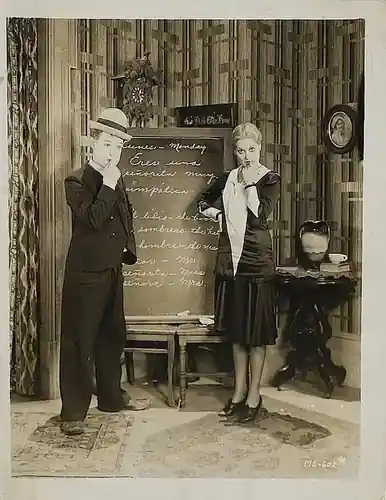
Thelma Todd is in this, and she’s as luminous as ever. But honestly, her role feels a bit… secondary. She’s there, she looks great, but her character doesn't really drive Jim's journey, you know?
Harry Langdon also pops up, and he’s always a treat. His particular brand of bewildered humor shines through, even in a smaller capacity.
The pacing is very much of its time. Some scenes linger a bit, letting the physical comedy play out. Other moments feel quite abrupt, jumping straight to the next beat.
There’s a bit where Jim just *stares* at someone who’s been bothering him, and that stare alone is suddenly different. It’s not angry, but it’s just… *present*. For a second, it’s actually a little unnerving, seeing this guy finally take up space.
The film isn't trying to be profound. It’s a simple story about a worm turning. And for what it is, it mostly works.
It gets a noticeable lift once Jim starts to find his voice, or rather, his presence. The humor shifts from pity to a kind of underdog triumph. You find yourself rooting for him, even in his small victories.
The ending, though, it’s a bit sudden. It’s like, okay, he’s found his confidence, mission accomplished, roll credits. No big wrap-up, just a clear conclusion to his personal arc. It leaves you feeling like you just watched a very specific snapshot.
It's not a masterpiece, but it’s a charming little piece of film history. Good for a quiet afternoon watch, especially if you appreciate the straightforward storytelling of early cinema. 🎬
IMDb —
1926
Community
Log in to comment.