DbcultAccessing Vault...
6.3/10
Senior Film Conservator
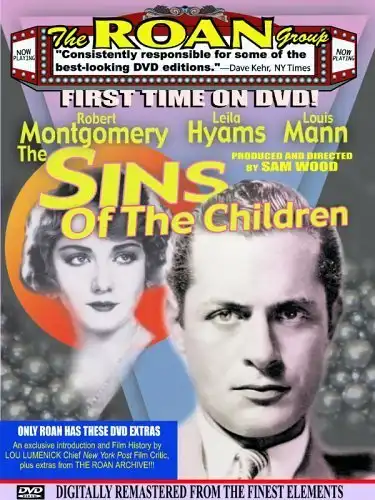
A definitive 6.3/10 rating for a film that redefined the boundaries of cult cinema. The Sins of the Children remains a cornerstone of transgressive art.
"The Sins of the Children" is a quiet one. If you’re into those early 20th-century melodramas, the kind where fate just loves to mess with good people, then yes, it's worth a look. Otherwise, buckle up for a slow burn. It might just test your modern-day attention span.
This film is definitely for folks who appreciate a story built on the slow crushing of simple dreams. Think old-school drama, where the characters feel things deeply, and the camera lingers. If you need explosions or even just snappy dialogue, you'll probably find yourself checking your watch. 🕰️
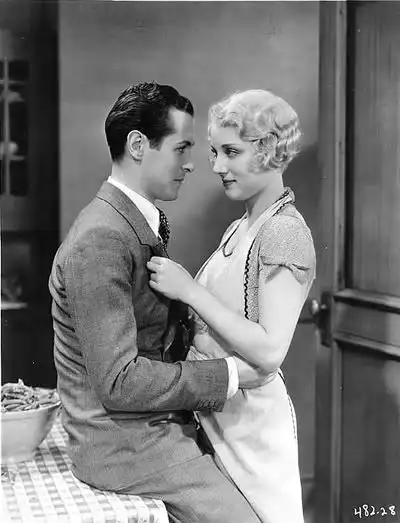
The whole thing kicks off with Joe, a German immigrant barber. He's got four kids and this really honest, hardworking vibe. He's saved up a decent chunk of change. The plan? Invest it with a friend in a savings-and-loan.
Then, life, right? His son gets tuberculosis. Suddenly, that investment money, all those hopes, poof. It’s gone to pay for treatment in Arizona. Just like that, his future, the one he worked so hard for, just… evaporates. Louis Mann, as Joe, really sells that quiet desperation without saying much. His eyes do a lot of the talking.
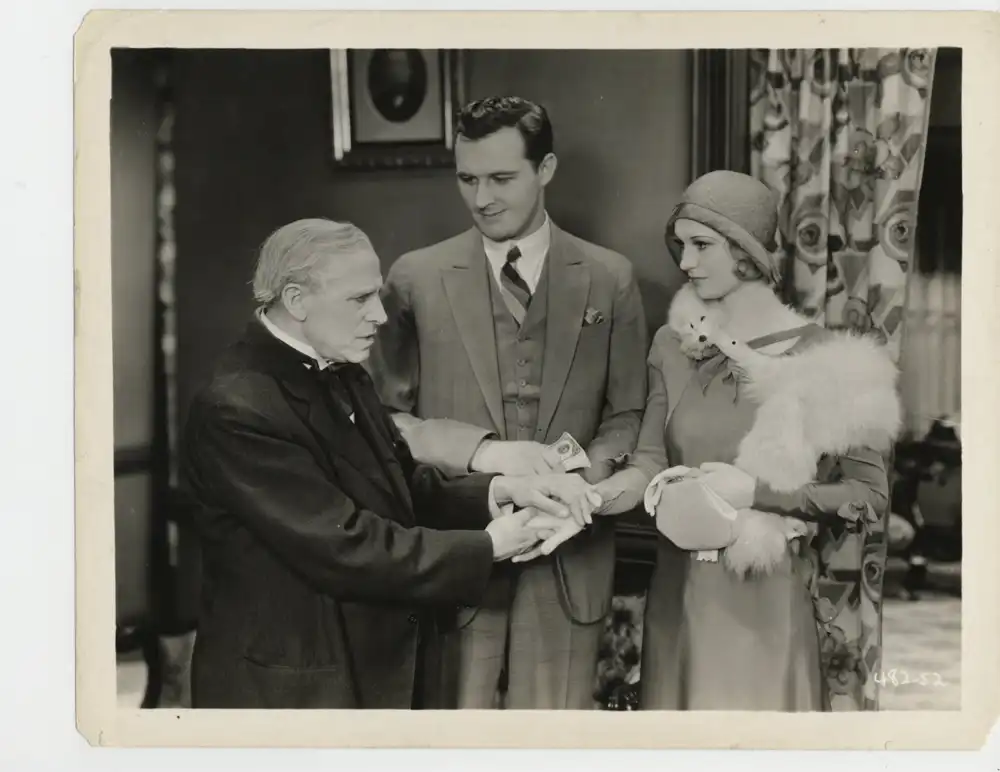
Twenty years later, the film shifts. We see the family again, but things are different. The friend who was supposed to be his partner? He's rich now. And his son, kind of a wastrel, falls for Joe’s daughter. It’s almost too neat, this generational symmetry of longing and lost chances.
You can almost feel the movie trying to highlight the injustice here. The rich son, played by Robert Montgomery, has this carefree air about him. It’s a stark contrast to the barber’s family, who you just know had a harder road. Their paths cross again, but on very different terms.
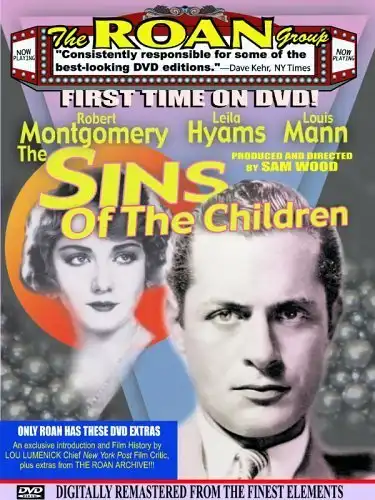
There’s this scene early on, Joe counting his money, carefully stacking the bills. It’s such a small moment. But it tells you everything about his dreams, his careful nature. Then later, watching him pack it away for his sick son, the quiet thud of the suitcase lid just hits different. 💔
The daughter, played by Leila Hyams, brings a real softness to the story. Her interactions with Montgomery’s character are kind of sweet, but you also feel this underlying tension. Like, does he really understand her world? Or is it just a fleeting fancy for him?
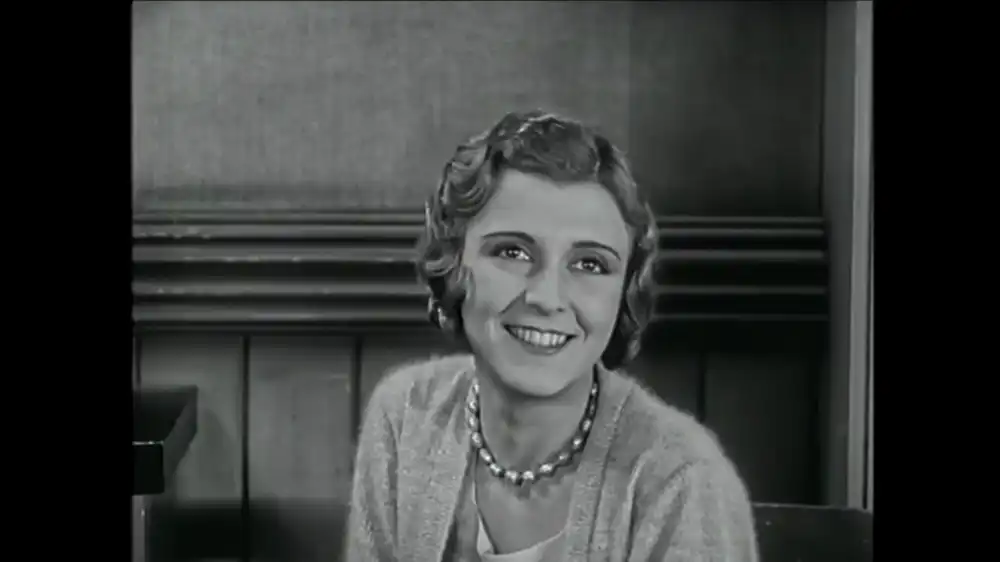
One thing that sticks out: the way the town feels. It's a small place, everyone knows everyone. When the barber's son gets sick, you feel the community’s hushed sympathy. It’s not overdone, just a general weight in the air.
The film sometimes lingers a bit too long on reaction shots. You see a character’s face, thinking, processing. It gives you time to feel what they're feeling, but sometimes it just goes on. You almost want to nudge the director and say, "Okay, we get it!" 😅
The "wastrel" son character is pretty interesting. He’s not exactly evil, more just... unaware. He doesn't seem to grasp the gravity of his family's wealth, or the quiet struggles of others. It’s a subtle way the film shows the divide without shouting about it.
It’s not a fast-paced flick, not by any stretch. It builds its emotional punches slowly, brick by brick. You might be tempted to tune out, but then a glance, a gesture, or a line of dialogue pulls you back in.
The movie doesn’t quite tie everything up in a neat bow. It leaves you thinking about those "sins" – not just the obvious ones, but the quiet ways one generation’s choices, or misfortunes, echo through the next. It’s less about
IMDb 8.1
1921
Community
Log in to comment.