DbcultAccessing Vault...
2/10
Senior Film Conservator
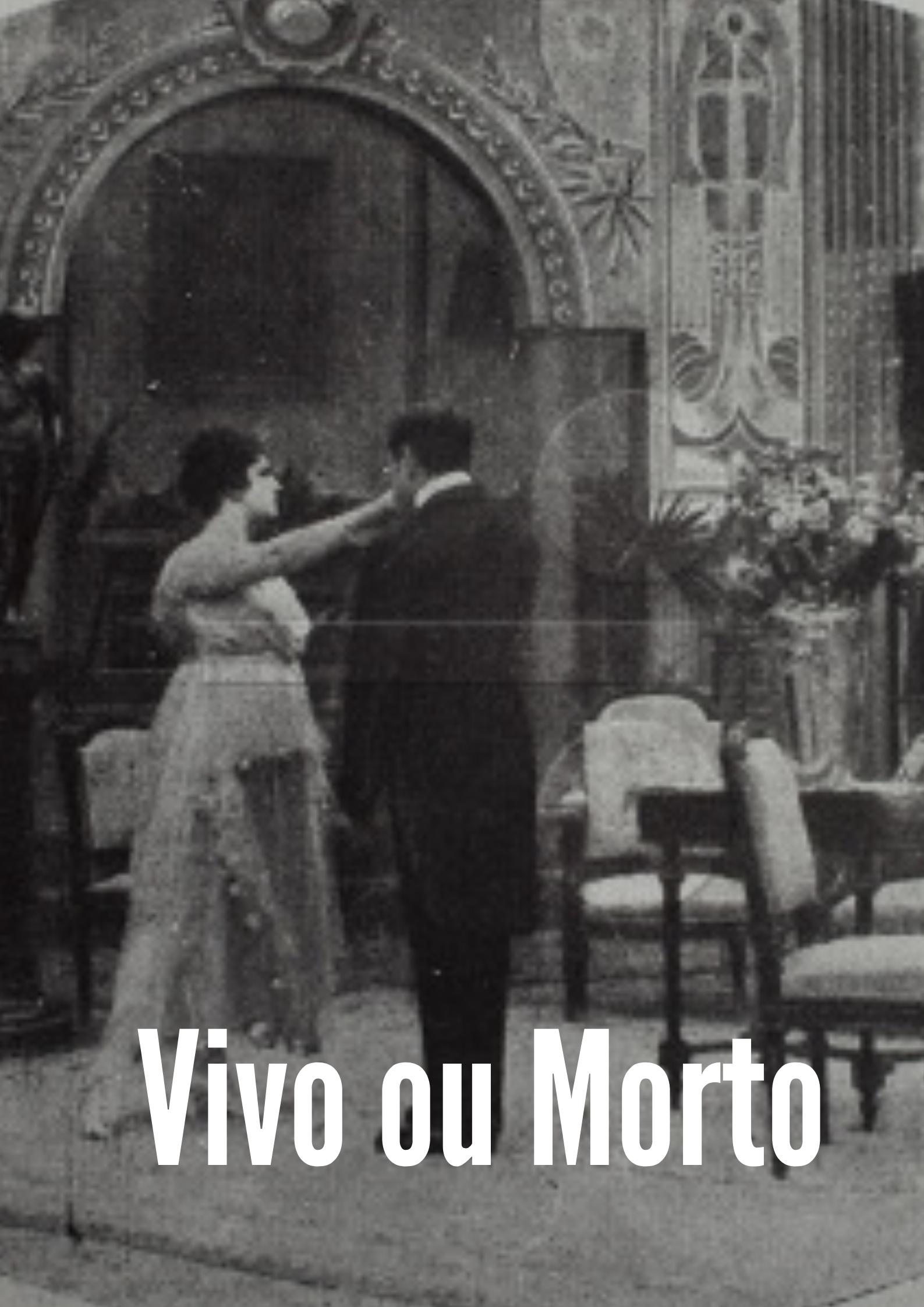
A definitive 2/10 rating for a film that redefined the boundaries of cult cinema. Vivo ou Morto remains a cornerstone of transgressive art.
In the annals of early cinema, certain works transcend their temporal confines, speaking to universal human experiences with a resonance that defies the passage of decades. Vivo ou Morto, a cinematic marvel from a bygone era, unequivocally belongs to this rarefied category. It is a film that, even in its silent grandeur, articulates a narrative so potent, so emotionally charged, that it grips the viewer with an almost visceral intensity. This is not merely a story told through flickering images; it is a meticulously crafted tapestry of ambition, familial devotion, and the relentless pursuit of truth against a backdrop of simmering societal tensions. Directed by Luiz de Barros, with a screenplay forged by the collaborative genius of Alves da Cunha, Tina D'Arco, and Teixeira de Barros Júnior, the film presents a sprawling melodrama deeply rooted in the socio-economic realities of early 20th-century Brazil, specifically the burgeoning, often brutal, coffee industry. It is a narrative that, while deeply personal in its focus, simultaneously offers a trenchant critique of unchecked power and the corrupting influence of wealth.
The film’s central conflict unfurls with the sudden and bewildering disappearance of Augusto, a coffee magnate whose benevolent yet unyielding presence has long anchored his vast estate. His absence creates an immediate power vacuum, a void into which his nephew, Dr. Álvaro, glides with an unsettling ease. Álvaro, portrayed with chilling subtlety by Italo Majeroni, is a character whose urbane charm thinly veils a predatory intellect and an insatiable hunger for control. His swift maneuvers to have Augusto declared legally deceased are executed with a surgical precision that leaves little doubt as to his true intentions: the appropriation of the family’s immense fortune and, by extension, dominion over the lives of countless workers tethered to the coffee plantations. Majeroni’s performance is a masterclass in silent villainy, conveying menace through subtle gestures and piercing gazes rather than overt histrionics. His Dr. Álvaro is less a mustache-twirling caricature and more a chillingly realistic portrait of calculated malevolence, a figure whose quiet machinations prove far more terrifying than any overt threat.
Standing defiantly against Álvaro's insidious machinations is Sofia, Augusto's daughter, brought to vibrant life by the remarkable Tina D'Arco. D'Arco imbues Sofia with a fierce independence and an unwavering conviction that her father is still alive, a belief that defies all logical evidence and societal pressure. Sofia is no damsel in distress; she is a protagonist forged in the crucible of adversity, possessing an innate resilience and a moral compass that remains unswayed by the allure of comfort or the threat of danger. Her journey is one of profound personal transformation, evolving from a grieving daughter to a relentless crusader for justice. The film’s emotional core pulsates through D'Arco's expressive face, her eyes conveying a spectrum of emotions from despair to unwavering determination, a testament to her profound understanding of silent acting. Her portrayal resonates with the strength seen in characters like those in Daphne and the Pirate or Prudence, the Pirate, where female leads drive the narrative with their agency and resolve.
Sofia finds an unlikely, yet indispensable, ally in Ricardo, a jaded but morally upright journalist portrayed by Zózimo Barroso. Barroso’s Ricardo is a figure of quiet intensity, his world-weary cynicism gradually giving way to a rekindled sense of purpose as he becomes embroiled in Sofia’s quest. His journalistic instincts, sharpened by years of navigating the murky waters of truth and deception, immediately flag Álvaro's suspiciously rapid ascent. The chemistry between D'Arco and Barroso is palpable, evolving from cautious alliance to a bond forged in shared peril and mutual respect. Their dynamic provides a crucial counterpoint to the film's darker elements, offering moments of genuine human connection amidst the pervasive treachery. The ensemble cast, including Sales Ribeiro, Italo Majeroni, Francisco Marzullo, Alves da Cunha, Pedro Lima, Gita de Barros, Lucette Duval, Pinto Velho, and João Barbosa, each contribute nuanced performances, creating a rich tapestry of characters that populate this complex world. Gita de Barros, in particular, offers a memorable turn, adding layers to the film's intricate character dynamics.
The narrative’s trajectory is a masterclass in suspenseful storytelling. It expertly guides the audience from the gilded, deceptive tranquility of Rio’s elite salons, where whispers of scandal are as common as the clinking of champagne glasses, to the sprawling, often brutal, landscapes of the coffee plantations. These contrasting environments are not merely backdrops; they are active participants in the drama, their visual aesthetics reflecting the moral dichotomies at play. The opulent interiors, with their heavy draperies and ornate furnishings, symbolize the suffocating grip of wealth and privilege, while the vast, untamed plantations evoke a sense of raw struggle and the elemental forces that govern life and death. The cinematography, even in its black and white simplicity, is remarkably expressive, utilizing deep focus and evocative framing to convey both the grandeur and the inherent dangers of these settings. The film's visual language is as articulate as its dramatic beats, a characteristic shared by other silent epics of its time, such as The Juggernaut, which also used its setting to amplify its thematic concerns.
As Sofia and Ricardo delve deeper into their investigation, a chilling conspiracy gradually unravels. Augusto is not merely missing; he is a prisoner, secreted away by Álvaro in a remote, ostensibly therapeutic sanatorium. This isolated institution, shrouded in an atmosphere of sterile despair, becomes a metaphorical prison, not just for Augusto’s body, but for his very mind. He is systematically incapacitated, his once-sharp intellect clouded by potent sedatives, rendering him a silent, incoherent specter of his former self. Álvaro's ultimate design is a slow, insidious poisoning, a meticulously orchestrated plan to ensure Augusto's "natural" demise perfectly aligns with his legal declaration of death. This reveal is handled with exquisite tension, each clue painstakingly uncovered, each false lead meticulously discarded, building towards a horrifying understanding of Álvaro’s depravity. The film’s portrayal of mental incapacitation, while perhaps melodramatic by modern standards, was a powerful tool in silent cinema to evoke profound vulnerability and injustice.
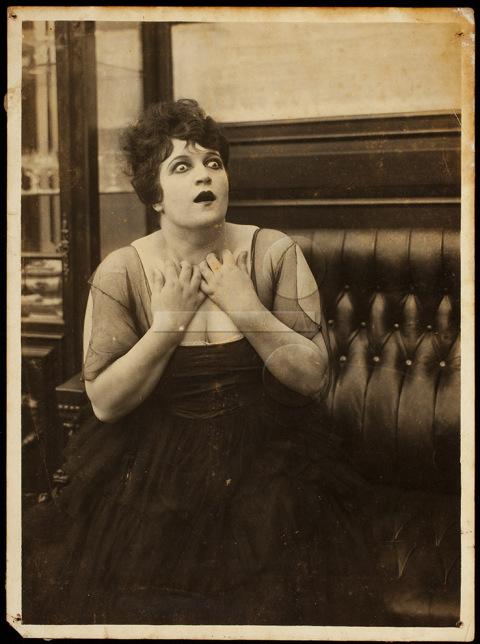
The film crescendos into a breathless race against the clock, a thrilling climax where Sofia and Ricardo must navigate a treacherous web of deception, evade Álvaro’s increasingly desperate machinations, and ultimately, liberate Augusto before his engineered demise becomes an irreversible tragedy. The tension during these final sequences is almost unbearable, a testament to the masterful pacing and editing. The physical confrontations, though limited by the technical capabilities of the era, are staged with a raw energy that communicates the high stakes involved. The performances here are particularly noteworthy, with D'Arco conveying Sofia's desperate urgency and Barroso embodying Ricardo's determined resolve. The use of parallel editing, juxtaposing Sofia and Ricardo’s frantic race with Álvaro’s calm, sinister preparations, effectively amplifies the suspense, creating a powerful sense of impending doom.
The title itself, "Vivo ou Morto" (Alive or Dead), resonates with profound irony and layers of meaning. It encapsulates not only Augusto’s precarious physical state but also the moral life-or-death struggle for justice and truth within a society teetering on the precipice of its own burgeoning modernity. The film subtly explores the idea that one can be physically alive yet morally dead, or conversely, fighting for life against overwhelming odds. It questions the very definition of existence when one's identity and agency are stripped away. This thematic depth elevates Vivo ou Morto beyond a mere melodrama, positioning it as a thoughtful exploration of human resilience and the insidious nature of corruption. Themes of societal injustice and the struggle of the common person against powerful elites are also echoed in films like Leben heisst kämpfen, suggesting a shared consciousness among filmmakers of the period.
The meticulous attention to detail in the set design and costuming further immerses the viewer in this historical period. The grandiosity of the coffee baron’s mansion, the stark simplicity of the rural settings, and the period-appropriate attire of the characters all contribute to a sense of authenticity. These visual elements are not mere window dressing; they actively inform the narrative, highlighting class distinctions and the vast chasm between the opulent lives of the powerful and the often-harsh realities faced by others. The film’s ability to conjure such a vivid world without spoken dialogue is a testament to the power of visual storytelling inherent in silent cinema.
Beyond its thrilling plot and compelling performances, Vivo ou Morto offers a fascinating glimpse into the nascent stages of Brazilian cinema. It showcases a confident command of cinematic language, demonstrating that filmmakers of the era were not merely imitating European or American models, but were developing their own distinct voice. The film’s innovative use of close-ups to convey emotion, its dynamic editing during action sequences, and its sophisticated narrative structure all point to a burgeoning artistry. It stands as a significant cultural artifact, reflecting the social anxieties and aspirations of its time, while simultaneously delivering a universally engaging story. One could draw parallels to the early narrative complexities found in films such as The Bargain or The Victory of Virtue, which also pushed the boundaries of cinematic storytelling in their respective contexts.
The legacy of Vivo ou Morto extends beyond its immediate entertainment value. It serves as a vital historical document, preserving a snapshot of Brazilian society, its economic drivers, and its moral landscape at a pivotal moment in its development. The film’s exploration of corruption within powerful industries, the fight for justice by ordinary individuals, and the enduring strength of familial bonds continues to resonate with contemporary audiences. It reminds us that while the technologies of filmmaking have evolved dramatically, the fundamental human stories of love, betrayal, greed, and redemption remain timeless. The film’s masterful blend of personal drama with broader social commentary ensures its enduring relevance, much like The Keys to Happiness, which explored social issues through a compelling personal narrative.
In conclusion, Vivo ou Morto is far more than a historical curiosity; it is a vibrant, powerful piece of cinema that deserves renewed recognition. Its compelling narrative, nuanced performances, and sophisticated visual storytelling solidify its place as an essential viewing experience for anyone interested in the rich tapestry of silent film. The film stands as a testament to the imaginative prowess of its creators – Alves da Cunha, Luiz de Barros, Tina D'Arco, and Teixeira de Barros Júnior – and the enduring power of a well-told story. It asks profound questions about what it truly means to be alive, not just physically, but morally and spiritually, in a world constantly teetering between light and shadow, justice and corruption. Its exploration of these themes, alongside its thrilling plot, cements its position as a cinematic achievement that continues to captivate and provoke thought, proving that its core message remains as vital and urgent today as it was upon its original release. It is a film that challenges us to look beyond appearances, to question authority, and to champion the unwavering spirit of those who dare to seek the truth, no matter the personal cost. The sea blue accents (like the vast, mysterious ocean) throughout the film's visual narrative often symbolize the unknown dangers and the profound depths of human emotion that Sofia and Ricardo must navigate in their perilous journey.
IMDb —
1934
Community
Log in to comment.