DbcultAccessing Vault...
Cult Review
Senior Film Conservator
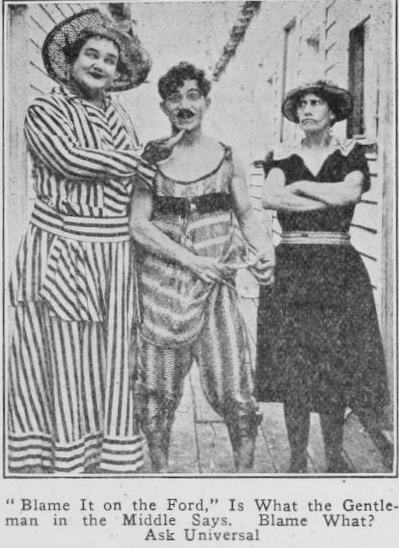
In the annals of silent cinema, where flickering images once captivated nascent audiences, certain films, even those seemingly minor, hold an undeniable charm and historical significance. Such is the case with the 1918 offering, Lions and Ladies, a comedic romp that, despite its brevity and perhaps its relative obscurity today, provides a fascinating glimpse into the nascent comedic stylings of a titan-to-be: Oliver Hardy. This isn't merely a film; it's a vibrant, if fleeting, artifact from an era when the rules of cinematic storytelling were still being written, and physical comedy reigned supreme. To approach Lions and Ladies is to step into a bygone world, a world where a Ford Model T could be as formidable as any beast, and where the simplest domestic squabble could escalate into a grand, boisterous spectacle. It's a reminder that even the most unassuming productions often carry the DNA of future greatness, offering subtle hints of the comedic genius that would later define an entire generation of laughter.
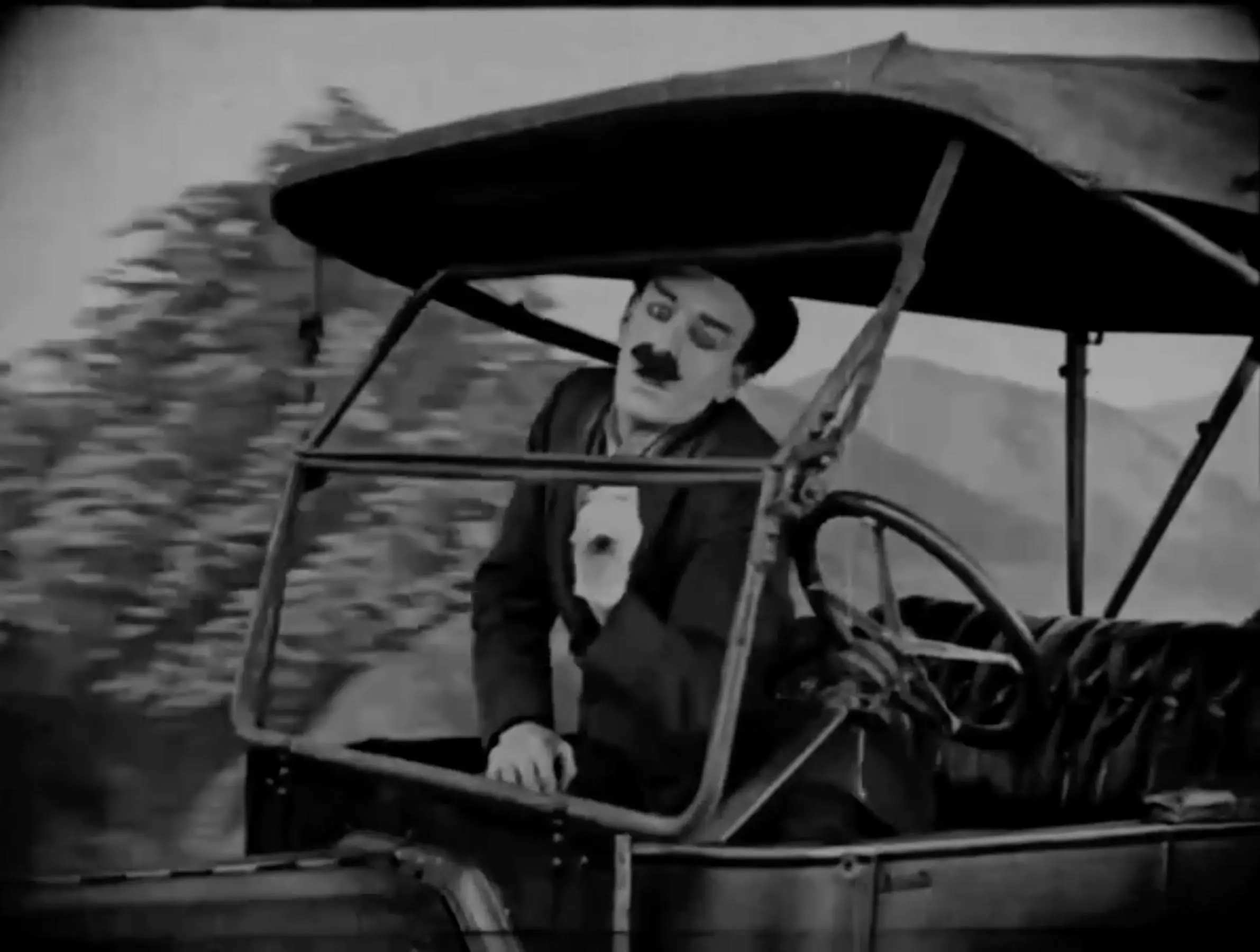
The plot of Lions and Ladies, as sparse as it might appear on paper, is a masterclass in setting up comedic potential with an economy of words. We are introduced to a trio of gentlemen whose names alone – Henry Hash, Stephen Stew, and Peter Pye – suggest a delightful, almost culinary, chaos. These appellations immediately prime the audience for a lighthearted, perhaps even nonsensical, journey. The narrative's peculiar genesis, described as springing from the 'crackshaft of a Ford,' is a stroke of poetic genius, transforming a mundane mechanical component into a metaphorical launchpad for lunacy. The Ford Lizzie, an iconic symbol of early 20th-century mobility and a ubiquitous presence in American life, is here imbued with an almost animalistic spirit. It's not just a car; it's a catalyst, a source of both transportation and profound comedic upheaval. The comparison to having a 'lion in your front yard or in your library' rather than a Ford Lizzie perfectly encapsulates this transformation, elevating the automobile from a mere machine to a force of nature, untamed and unpredictable, ready to disrupt the placid domesticity of its owners. This anthropomorphism of the inanimate is a hallmark of early slapstick, where objects often become characters in their own right, facilitating gags and driving the narrative forward in unexpected ways.
The introduction of 'three his wives' into this burgeoning scenario further complicates, and enriches, the comedic tapestry. One can envision the immediate escalation of stakes: domestic bliss, or whatever semblance of it existed, is now subject to the whims of a capricious automobile and the inevitable marital friction or synchronized folly it might inspire. The dynamic between these three couples, even without explicit details, promises a delightful interplay of personalities, perhaps vying for control of the Ford, or simply struggling to maintain decorum amidst its eccentricities. This domestic angle, a staple of early comedies, often served as a relatable backdrop against which increasingly absurd events could unfold, grounding the surreal in the familiar. This setup creates a miniature ecosystem of chaos, where the relationships are as volatile as the vintage machinery. It's a testament to the script's cleverness that such simple elements can imply so much potential for character interaction and physical gags, a characteristic often shared with contemporary short comedies like Speedy Meade, which also relied on straightforward premises to deliver its laughs.
And then, for a dash of 'spice,' enters "Moon-struck" Mike. The very epithet paints a vivid picture: a dreamer, a romantic, perhaps a little out of touch with reality, his head perpetually in the clouds. Mike's attempt at a romantic overture, set against the backdrop of a private picnic and a daring proposition on the speedway, is met with a 'turned down cold' rejection. This rebuff, far from signaling the end of his involvement, acts as the narrative's true inciting incident, a spark that ignites a chain reaction of escalating events. Unrequited love, particularly when handled with a comedic touch, has always been a potent ingredient in storytelling, and Mike's plight undoubtedly serves as a spring-board for further physical comedy and emotional overreactions. His romantic failure is not a moment of pathos, but a prelude to pandemonium. This kind of character-driven mishap, where personal foibles lead to public spectacle, was a common thread in silent comedies, offering audiences a vicarious thrill of social transgression and its humorous consequences.
The final flourish in this escalating comedic ballet arrives with the intervention of an 'officer' and, most intriguingly, a 'big hippopotamus.' The officer, a figure of authority, naturally signifies an attempt to restore order, an effort almost certainly doomed to hilarious failure in a film of this ilk. His presence implies a chase, a confrontation, or perhaps an attempt to mediate the burgeoning chaos ignited by Mike's romantic misadventure and the Ford's unpredictable nature. But it is the 'big hippopotamus' that truly elevates the plot into the realm of the surreal. Is it a literal hippopotamus? A costumed character? A metaphorical stand-in for a cumbersome, overwhelming presence? The ambiguity itself is part of the comedic genius, allowing the audience's imagination to run wild. This enigmatic figure, whatever its true form, is promised to give a 'lively tum' to the action – a wonderfully evocative phrase that suggests a flurry of movement, a tumbling of bodies, and a crescendo of physical comedy. It speaks to the kinetic energy inherent in silent film slapstick, where visual gags and physical exaggeration were paramount. This particular plot point, with its fantastical element, marks a departure from more grounded narratives like Prisoners of the Pines or Reputation, firmly planting Lions and Ladies in the domain of pure comedic fantasy.
For many, the primary draw of Lions and Ladies lies in its early appearance of Oliver Hardy. Long before he became the portly, long-suffering half of the iconic Laurel and Hardy duo, Hardy (often credited as 'Babe' Hardy in his earlier career) was a prolific actor in the silent era, honing his craft in countless shorts. In 1918, he was already an experienced performer, having appeared in well over a hundred films since his debut in 1914. His early roles often cast him as a villain, a bully, or a pompous authority figure, using his imposing physique to great comedic effect. While the specific role he plays in Lions and Ladies isn't detailed in the plot summary, it's highly probable he embodies one of the three husbands, or perhaps even the exasperated officer. His comedic prowess, even in these formative years, was undeniable. Hardy had a unique ability to convey exasperation, pomposity, and a certain bewildered dignity, even in the most chaotic circumstances. His facial expressions, particularly his famous 'camera look' directly at the audience, were already developing, signaling his innate understanding of comedic timing and audience connection. This film, like many of his early works, offers a valuable opportunity to witness the evolution of a comedic legend, seeing the raw talent before it was perfectly refined and paired with Stan Laurel.
Hardy's presence alone elevates Lions and Ladies from a mere curiosity to a significant historical document for film enthusiasts. His development as a physical comedian, his ability to react to absurd situations with a blend of indignation and resignation, was a cornerstone of his future success. In these early roles, he was experimenting, finding his voice, and perfecting the subtle nuances that would later make him a household name. One can imagine him as Henry Hash, perhaps, trying to maintain an air of gentlemanly composure while his Ford Lizzie sputters and his wife nags, or as the officer, attempting to bring order to a scene of utter bedlam, only to be swept up in the 'lively tum' of the action himself. His contributions, even in a supporting or ensemble role, would have undoubtedly added a layer of professional polish and comedic depth to the proceedings, showcasing the foundational elements of the 'heavy' character he would later perfect. This film, therefore, serves as an important stepping stone in understanding the trajectory of one of cinema's most beloved comedic actors.
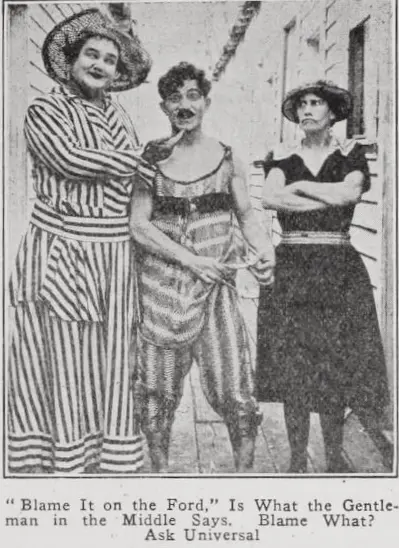
Beyond Hardy, the cast of Lions and Ladies features other notable names of the era, including Bobby Dunn, Rosa Gore, and Harry Mann. Bobby Dunn, a child actor turned prolific comedian, was known for his energetic performances and often played mischievous or precocious characters. His inclusion suggests a further layer of youthful exuberance or playful disruption to the adult-centric chaos. Rosa Gore was a seasoned character actress, often portraying stern or comedic matrons, adding a touch of domestic realism or exasperated authority to the mix. Harry Mann, like many working actors of the time, contributed to a vast number of shorts, embodying a range of roles from straight men to comedic foils. These actors, while perhaps not achieving the lasting fame of Hardy, were essential cogs in the prolific machine of early silent film production. They were the backbone of countless comedies, dramas, and westerns, bringing their unique personalities and honed skills to the screen with remarkable consistency. Their collective presence guarantees a certain level of comedic craftsmanship, characteristic of the era's output, whether in slapstick like this or more dramatic fare such as Riders of the Night or The People vs. John Doe.
The year 1918 itself was a fascinating period for cinema. The industry was rapidly maturing, moving beyond simple 'actualities' and vaudeville-style gags towards more complex narratives, though shorts like Lions and Ladies continued to thrive. Feature films, such as Cecil B. DeMille's epic Joan the Woman (released slightly earlier in 1917), were demonstrating the grand potential of the medium, yet the demand for lighthearted, accessible fare remained immense. Audiences, often seeking escapism from the realities of World War I and the Spanish Flu pandemic, flocked to cinemas for entertainment. Comedies, with their immediate gratification and universal appeal, were particularly popular. The Ford Model T, central to this film's premise, was not just a prop but a symbol of modernity, mass production, and the changing American landscape. Its frequent appearance in comedies reflected its pervasive influence, often serving as a source of both convenience and comedic frustration. This film, therefore, is not just a standalone piece of entertainment; it's a cultural artifact that speaks volumes about the society it was created for, much like how films such as Huck and Tom reflected earlier American literary traditions.
At its core, Lions and Ladies is a celebration of slapstick, a genre that relied heavily on visual gags, exaggerated physical action, and the delightful chaos of things going spectacularly wrong. The mention of a 'lively tum' perfectly encapsulates this spirit. Slapstick wasn't just about pratfalls; it was about the choreography of mayhem, the precise timing of a stumble, the unexpected eruption of a chase scene, or the transformation of an ordinary object into a weapon of comedic destruction. The Ford Lizzie, in this context, becomes a primary instrument of this 'tum,' perhaps backfiring at an inopportune moment, careening uncontrollably, or becoming the focal point of a frantic chase. The rejection of Moon-struck Mike's advances would have undoubtedly led to a series of escalating physical reactions, perhaps a dramatic flailing, a clumsy pursuit, or a comical attempt at revenge. The officer's involvement would have added another layer of authority-figure-versus-anarchy, a classic comedic setup where law and order inevitably succumb to the tide of absurdity. The mysterious 'big hippopotamus' would have been the ultimate visual punchline, an utterly unexpected element designed to provoke gasps of surprise followed by peals of laughter.
The brilliance of early slapstick lies in its universal appeal, transcending language barriers through purely visual storytelling. While more intricate dramas like Which Woman? or The Web of Desire relied on intertitles and nuanced performances to convey complex emotions, comedies like Lions and Ladies communicated directly through action. The actors' mastery of pantomime, their expressive faces, and their precise physical movements were the primary tools of their trade. Every gesture, every fall, every exaggerated reaction was meticulously planned to elicit maximum laughter. This film, even in its brief summary, promises a rich tapestry of such moments, from the initial struggles with the Ford to the romantic mishap and the grand finale involving the officer and the hippopotamus. It’s a testament to the enduring power of physical comedy that these elements, nearly a century later, still evoke a smile at their sheer audaciousness and inventiveness.
While specific technical details of Lions and Ladies are not readily available, one can infer much about its production from the prevailing cinematic practices of 1918. Films of this era typically employed static cameras, often in medium shots, to capture the full breadth of the physical action. Editing would have been functional, primarily focusing on cutting between scenes to advance the narrative or highlight a particular gag. Intertitles would have been used sparingly, mainly for dialogue or to provide crucial plot exposition, allowing the visual storytelling to take precedence. The lighting would have been primarily natural or augmented by basic studio lights, contributing to the often stark, high-contrast aesthetic of early black-and-white film. The rapid production schedules of the time meant that films, especially shorts, were often shot quickly and efficiently, relying on the improvisational skills and comedic instincts of the cast. Despite these technical limitations by modern standards, the filmmakers of 1918 were incredibly adept at maximizing their resources to create engaging and entertaining content. The sheer volume of films produced, from lighthearted fare like The Mayor of Filbert to more dramatic pieces like The Cloud, speaks to the incredible industry output.
The enduring legacy of films like Lions and Ladies, even if they are not widely seen today, lies in their contribution to the evolution of cinema and comedy. They represent the foundational blocks upon which future comedic masterpieces would be built. For historians and cinephiles, these early shorts are invaluable windows into the past, offering insights into societal norms, technological advancements, and the burgeoning art of filmmaking. More specifically, for fans of Oliver Hardy, they are essential viewing, charting his journey from an anonymous character actor to one half of a legendary duo. Each stumble, each indignant glare, each perfectly timed reaction in Lions and Ladies contributes to the larger narrative of his comedic development, showing the embryonic stages of the 'Babe' we would come to adore. These films remind us that even the seemingly small, ephemeral works of art can hold profound historical and artistic value, shaping the landscape of entertainment in ways we continue to appreciate. They are the roots from which the mighty comedic trees of cinema grew, much like how the various narratives in Les grands or When Love Was Blind contributed to the broader tapestry of dramatic storytelling.
In conclusion, Lions and Ladies, with its delightfully absurd premise, its promising cast, and its historical context, is more than just a forgotten silent short. It’s a vibrant testament to the ingenuity and exuberance of early cinema, a snapshot of a time when laughter was a universal language, and a Ford Model T could indeed be as wild and unpredictable as a lion. It offers a rare opportunity to witness the nascent comedic brilliance of Oliver Hardy and appreciate the foundational elements of slapstick that continue to resonate with audiences today. Its very title, a whimsical pairing of the powerful and the genteel, perfectly encapsulates the delightful disarray that defines this charming piece of cinematic history.
IMDb 6.7
1930
Community
Log in to comment.