DbcultAccessing Vault...
Cult Review
Senior Film Conservator
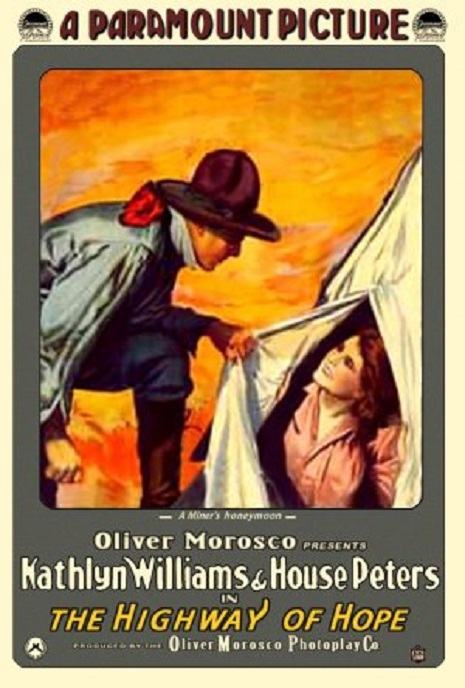
The silent era, a crucible of cinematic storytelling, often presented narratives of grand ambition, moral quandaries, and the inexorable march of destiny. Among these, The Highway of Hope emerges as a compelling exemplar, a tapestry woven with threads of personal downfall, unexpected alliances, and the transformative power of both adversity and prosperity. Released at a time when cinema was still finding its voice, this film, penned by the collaborative genius of Willard Mack and Harvey Gates, and brought to life by the evocative performances of House Peters and Kathlyn Williams, transcends its period trappings to deliver a surprisingly modern meditation on redemption, societal judgment, and the intricate dance between fate and free will. It is a cinematic journey that doesn't just entertain but probes the very essence of human resilience, making it a film ripe for re-evaluation and appreciation in the contemporary landscape of film criticism. Much like the winding roads of the American West it portrays, the narrative of The Highway of Hope is fraught with unexpected turns, dramatic precipices, and ultimately, a destination that is both earned and profoundly satisfying.
At the heart of this intricate drama lies Steve King, a character initially defined by his privileged background and a debilitating lack of self-control. His early scenes paint a portrait of a young man adrift, squandering his birthright and provoking the ire of his disapproving father. This familial expulsion is not merely a plot device; it serves as the catalyst for Steve's profound journey, stripping him of his comfort and forcing him into an unfamiliar, harsh reality. His subsequent descent into alcoholism is depicted with a raw honesty that, for its time, must have been quite striking. The West, often romanticized as a land of opportunity, becomes for Steve a landscape of self-destruction, a place where his inner demons can flourish unchecked. The fateful night where he, in a drunken stupor, marries Lonely Lou, a servant in a saloon, is the nadir of his existence. This act, born of desperation and intoxication, is initially perceived by Steve as the ultimate ruination, a grotesque symbol of his complete loss of standing. He views Lou not as a person, but as an emblem of his disgrace, an unwelcome appendage to his already shattered life. This initial contempt, however, is crucial for the narrative, setting up a vast emotional chasm that must eventually be bridged. His decision to drag Lou and a burro into the mountains to prospect for gold is less about ambition and more about a desperate flight from his perceived ignominy, a retreat into the wild where he hopes to either find salvation or simply disappear. This period in the mountains, though harsh, marks a subtle shift in Steve. The physical labor, the confrontation with nature's indifference, and the sheer grit required for survival begin to chip away at his self-pity, laying the groundwork for a nascent sense of purpose, even if still overshadowed by his internal turmoil. The discovery of gold, while outwardly a triumph, presents Steve with a new dilemma: how to reconcile this newfound wealth with the 'disgrace' of his marriage. His contemplation of suicide, a desperate escape from societal judgment, underscores the immense psychological burden he carries, a burden that speaks volumes about the rigid social codes of the era. His subsequent transformation into a wandering tramp, believing Lou dead, completes his self-imposed penance, a five-year odyssey of humility and profound regret. This long period of wandering and self-reflection is essential for his eventual redemption, allowing him to shed the last vestiges of his former arrogance and truly appreciate the value of human connection and honest effort. It is a journey from entitled wastrel to humbled vagabond, a metamorphosis that prepares him for the ultimate reunion and a life earned through suffering and self-discovery.
Kathlyn Williams’ portrayal of Lonely Lou is nothing short of extraordinary, particularly within the constraints of silent film acting. Her character begins as a figure of quiet subjugation, a saloon girl whose existence is defined by hard labor and a lack of agency. Her marriage to Steve, though accidental and initially unwanted by him, becomes an unexpected pivot point in her life. She accepts her fate with a stoic resignation, demonstrating an innate resilience that stands in stark contrast to Steve's initial self-pity. When Steve drags her into the mountains, Lou doesn't complain; she simply endures, her practicality and inner strength shining through. It is Lou, not Steve, who possesses the foresight and wisdom to suggest they return to his family after the gold strike, recognizing the opportunity for a new beginning, even if Steve is too blinded by his own shame to see it. Her quick thinking and dramatic feigning of death after discovering Steve's poison plot is a moment of brilliant, albeit tragicomic, improvisation. This act, born of self-preservation and perhaps a desperate hope to shock Steve into clarity, inadvertently sets her on an entirely new trajectory. Her subsequent partnership with Garst, the shrewd promoter, is where Lou truly begins to flourish. She is not merely a beneficiary of Garst's expertise; she becomes an active participant in developing the claim, demonstrating an acute business acumen and a formidable will. The five years following Steve's disappearance witness Lou's astonishing metamorphosis from an anonymous saloon servant to a woman of immense wealth and influence. This transformation is not just financial; it is a profound evolution of character. She sheds the 'Lonely' moniker, emerging as a confident, capable individual who has carved her own destiny out of the wilderness. This arc makes Lou one of the most compelling figures in the film, a testament to the power of self-reliance and the subversion of societal expectations. Her journey is a powerful counter-narrative to Steve's, highlighting how different individuals respond to adversity and opportunity. While Steve wallows in despair, Lou seizes control of her circumstances, proving that true worth lies not in birthright but in character and perseverance. Her eventual reunion with Steve, where she finds him in a position of humble service, reverses their initial power dynamic, showcasing her journey from the margins to the center of power. This is a woman who, despite her past, has not only survived but thrived, becoming a beacon of hope and strength.
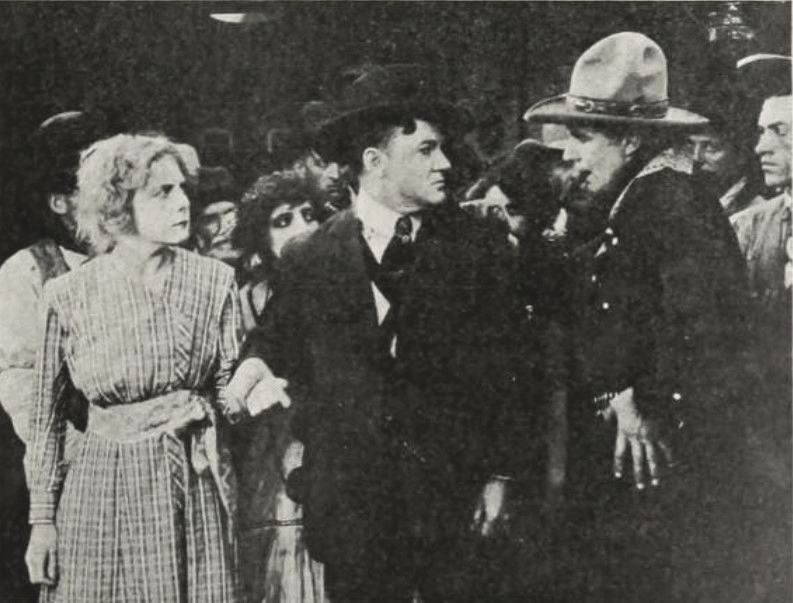
The Highway of Hope, beyond its engaging plot, is a rich thematic exploration of several enduring human concerns. Central to its narrative is the theme of redemption. Steve's journey is a classic arc of a prodigal son, albeit one who finds his way back through a more circuitous and painful route. His initial arrogance and self-pity give way to humility and genuine remorse, culminating in an act of selfless courage when he saves Lou from Garst. This redemption is not merely a plot convenience but feels earned through his prolonged suffering and self-reflection. Similarly, the film delves into the perennial question of fate versus free will. Was Steve's expulsion from home, his drunken marriage, and the gold strike all predetermined? Or did his choices, and Lou's, actively shape their destinies? The film suggests a complex interplay, where circumstances often push characters into difficult situations, but their reactions and resilience ultimately define their outcomes. The irony of the poison incident, a moment of profound misunderstanding that ultimately leads to Lou's empowerment and Steve's eventual self-discovery, is a prime example of this intricate dance between chance and choice. The transformative power of adversity is another dominant motif. Both Steve and Lou are fundamentally changed by their hardships. Steve is stripped of his superficiality, while Lou discovers an inner strength and capability she never knew she possessed. The barren, unforgiving landscape of the American West serves as a powerful metaphor for this crucible of transformation, much like the harsh environments depicted in films such as Way Outback or The Green Swamp, where characters are forged anew by the challenges of nature. Furthermore, the film critically examines societal judgment and class distinctions. Steve's inability to face his family with a 'saloon girl' wife underscores the rigid social hierarchies of the time. Lou's miraculous rise from servant to wealthy magnate challenges these very notions, proving that merit and capability can transcend birthright and social stigma. Her journey mirrors, in some ways, the subversive power narratives found in films like Fedora, where female characters defy conventional roles. The film also subtly explores the destructive nature of misunderstanding and miscommunication, particularly exemplified by the poison scene. This pivotal moment, born of mistaken intent, drives the central separation and sets the stage for the dramatic reunion, highlighting how easily lives can diverge based on assumptions rather than clear dialogue. The enduring nature of love and loyalty, often tested by time and circumstance, ultimately provides the narrative's emotional anchor, making the final reunion not just a happy ending but a poignant vindication of their shared, arduous journey. It's a testament to the idea that true connection can withstand even the most formidable trials, much like the steadfast devotion seen in films like The Iron Heart.
The success of The Highway of Hope rests firmly on the shoulders of its lead actors and the astute craftsmanship of its writers and director. House Peters, as Steve King, delivers a performance that navigates a wide emotional spectrum. He convincingly portrays the initial arrogance and despair, the simmering resentment, and the eventual humility and rekindled integrity. His physicality, crucial in silent cinema, effectively conveys Steve's internal struggles and external transformations. Kathlyn Williams, however, truly shines as Lou. Her portrayal is a masterclass in nuanced silent acting, communicating vulnerability, resilience, intelligence, and ultimately, immense strength without uttering a single word. Her eyes, her posture, and her gestures speak volumes, allowing the audience to witness her profound evolution from a downtrodden servant to a formidable woman of means. This kind of expressive performance was vital in an era devoid of dialogue, and Williams executes it with remarkable grace and power. The screenplay by Willard Mack and Harvey Gates is a marvel of construction. They weave a complex narrative with multiple reversals, ensuring that the audience remains invested in the characters' fates. The pacing is deliberate yet engaging, building tension and emotional resonance through carefully placed intertitles and visual storytelling. The dramatic irony of the poison scene, for instance, is a testament to their clever plotting, creating a central misunderstanding that propels much of the subsequent action. Their writing effectively balances melodrama with genuine character development, preventing the story from devolving into mere spectacle. The direction, though uncredited in many records, effectively utilizes the cinematic language of the period. The vast landscapes of the West are not just backdrops but active participants in the characters' journeys, emphasizing their isolation and the scale of their struggles. The close-ups are used sparingly but effectively to convey intense emotion, drawing the audience into the characters' inner worlds. Comparisons can be drawn to other melodramas of the era, such as The Puppet Crown, which also relied on strong character arcs and dramatic twists to engage audiences. The careful attention to visual detail and emotional clarity ensures that even without spoken words, the narrative remains coherent and deeply impactful, a hallmark of well-executed silent cinema.
In an age saturated with sound, color, and increasingly complex visual effects, the quiet eloquence of The Highway of Hope continues to captivate. It stands as a powerful reminder of the foundational principles of cinematic storytelling: compelling characters, a well-structured plot, and universal themes that transcend time. The film's exploration of redemption, the capricious nature of fortune (as seen in A Bid for Fortune), and the enduring power of human connection resonates just as strongly today as it did upon its release. The film's ability to elicit strong emotional responses purely through visual means and the power of performance is a testament to the artistry of silent cinema. The journey of Steve and Lou, from initial disdain to a hard-won mutual respect and love, is a testament to the idea that second chances are possible, and that true worth is often forged in the fires of adversity. It's a narrative that, despite its period setting, feels timeless in its depiction of human flaws, resilience, and the sometimes-unpredictable paths to happiness. This is not merely a historical artifact; it is a vibrant, moving piece of cinema that offers valuable insights into the human condition, proving that the silent screen was anything but mute. The dramatic arc, from Steve's initial moral downfall, echoing themes found in films like Satana likuyushchiy, to his ultimate restoration, ensures a deeply satisfying viewing experience. The film’s enduring charm lies in its optimistic message, underscoring that even when life seems to have cast you into the deepest despair, there is always a potential highway of hope waiting to be discovered, leading to an unexpected and fulfilling destination. It is a cinematic gem that deserves its place in the pantheon of classic American cinema, a story that continues to inspire reflection on the winding, often unpredictable, paths our lives take.
IMDb 6
1936
Community
Log in to comment.