DbcultAccessing Vault...
Cult Review
Senior Film Conservator
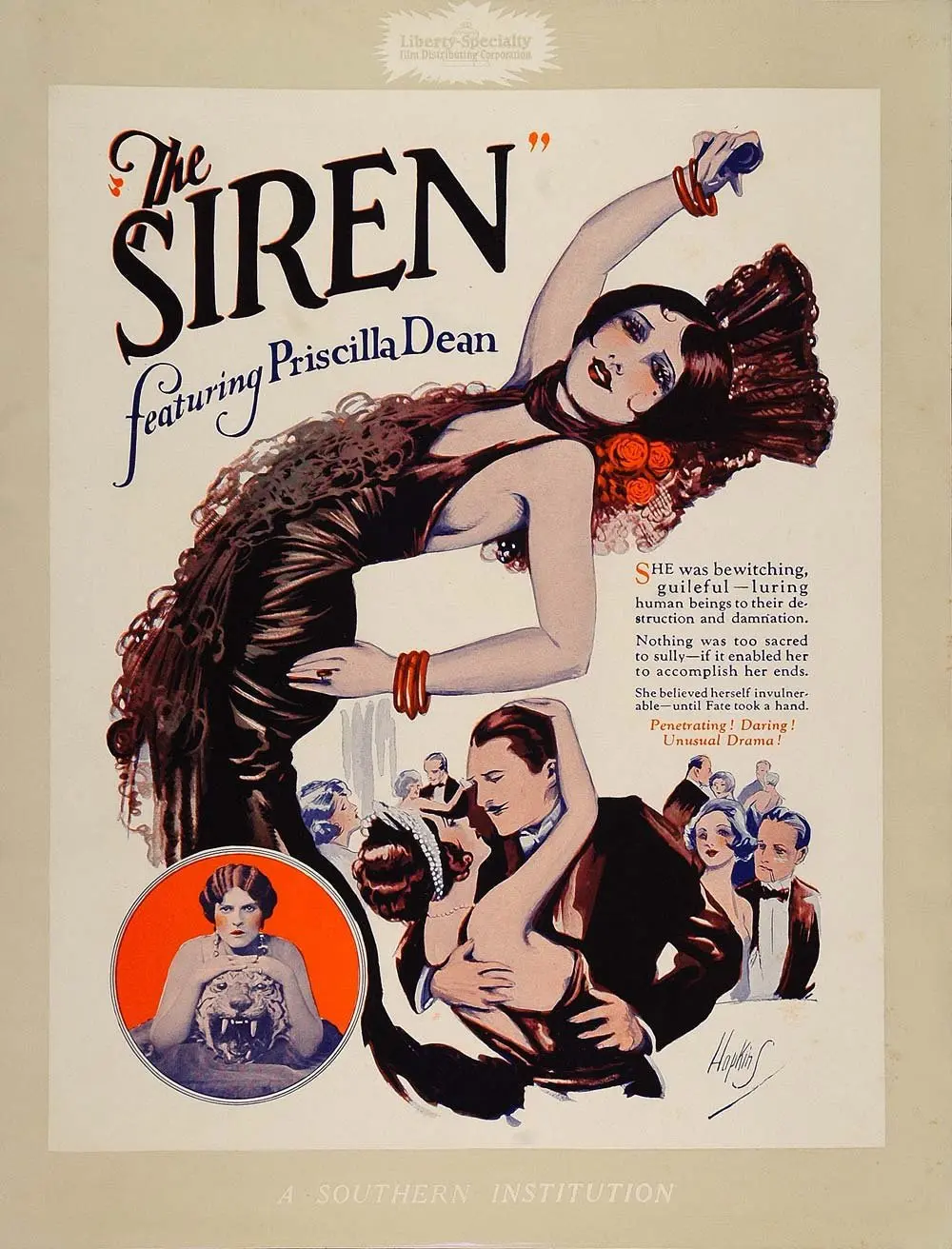
Step right up, silent film aficionados and curious cinephiles alike, for a journey into the moral labyrinth and vibrant streetscapes of early 20th-century New York, as painted by the masterful brushstrokes of The Siren of Seville. This isn't merely a film; it's a social experiment, a paternalistic drama, and a blossoming romance, all wrapped in a surprisingly intricate narrative that continues to resonate with a peculiar charm and profound insight. Forget simplistic tales of good versus evil; this picture delves into the grey areas of human nature, the transformative power of genuine connection, and the unexpected detours life throws our way, often when we're least prepared.
At its heart lies a premise as audacious as it is manipulative: a father's unconventional, indeed, almost cruel, method of preparing his son for the rigors of life. Ernest Torrance, with his imposing screen presence, embodies this patriarch, a man whose love for his son, Roger Bentley (played with a captivating blend of naivety and burgeoning resilience by Rod La Rocque), manifests in a most peculiar fashion. Roger, a young man from a quiet, unassuming town, harbors the quintessential American dream of the era: to make his mark on the grand stages of Broadway. His father, rather than simply facilitating this ambition, decides a baptism by fire in the teeming crucible of New York City is precisely what the doctor ordered. But this isn't just about sending a boy to the big city; it's about orchestrating his fall, a deliberate immersion into the very kind of trouble one typically strives to avoid. It’s a cynical, almost Machiavellian approach to character building, predicated on the belief that true strength is forged not in comfort, but in adversity, even if that adversity is meticulously engineered. La Rocque, as Roger, navigates this treacherous landscape with a compelling vulnerability. Initially, he is a pliable figure, easily swayed by the allure of the forbidden, a pawn in his father's grand, unsettling game. His early escapades, while perhaps less than morally upright, feel less like deliberate transgressions and more like the fumbling missteps of a sheltered youth encountering the intoxicating freedoms and dangers of urban anonymity for the first time. The film masterfully portrays this descent, not as a moral condemnation, but as a necessary phase in Roger's unwitting journey towards self-discovery.
The elder Bentley's machinations are truly the stuff of dramatic genius. He secures a job for Roger, yes, but simultaneously sets in motion a series of events designed to ensnare the young man in the city's more dubious nocturnal offerings. It’s a cynical, almost Machiavellian approach to character building, predicated on the belief that true strength is forged not in comfort, but in adversity, even if that adversity is meticulously engineered. La Rocque, as Roger, navigates this treacherous landscape with a compelling vulnerability. Initially, he is a pliable figure, easily swayed by the allure of the forbidden, a pawn in his father's grand, unsettling game. His early escapades, while perhaps less than morally upright, feel less like deliberate transgressions and more like the fumbling missteps of a sheltered youth encountering the intoxicating freedoms and dangers of urban anonymity for the first time. The film masterfully portrays this descent, not as a moral condemnation, but as a necessary phase in Roger's unwitting journey towards self-discovery.
However, the carefully laid plans of the father, no matter how cunning, are no match for the unpredictable currents of human connection. Enter Dorothy Gish, portraying a telephone operator with an understated elegance and an innate purity that cuts through the artificiality surrounding Roger. Gish, a luminary of the silent screen, imbues her character with a quiet strength and an unyielding moral compass that acts as a profound counterpoint to the calculated chaos Roger finds himself in. Her presence isn't just a plot device; it's a seismic shift in Roger's personal narrative. Where he had been passively accepting the "trouble" his father orchestrated, her vulnerability, her genuine goodness, ignites something fierce and protective within him. The shift is palpable: from a young man caught in a web of pre-arranged mishaps, he transforms into an active agent, willing to defend another, even if it means plunging himself into a far deeper, more perilous quagmire of conflict. This transition marks the true turning point of the film, elevating it from a simple morality play to a nuanced exploration of free will and the unexpected catalysts for personal growth.
The chemistry between La Rocque and Gish is nothing short of electric, a testament to their individual talents and the director’s astute casting. Their interactions are imbued with an authentic tenderness that grounds the more melodramatic elements of the plot. Gish, in particular, shines, her expressive eyes conveying a myriad of emotions – innocence, fear, determination – without uttering a single word. Her character is not merely a damsel in distress; she is the moral anchor, the beacon that guides Roger through the treacherous waters of his urban ordeal. One might draw a parallel to how genuine human connection can disrupt even the most meticulously planned schemes, much like in The Man and the Moment, where individual choices often defy societal expectations or pre-destined paths. Here, the telephone operator becomes Roger's moment, a chance for him to define himself not by his father's design, but by his own burgeoning sense of honor and affection.
Beyond the compelling narrative and stellar performances, The Siren of Seville stands out for its exceptional use of location. The film was shot in the very heart of New York City, a decision that injects an unparalleled authenticity and vibrancy into every frame. The bustling thoroughfares, the towering edifices, the incessant energy of Manhattan are not merely backdrops; they are active participants in the story. Contrast this with the gritty, often stark realities captured on the Lower East Side, and the film paints a vivid, dichotomous portrait of urban life. The juxtaposition of these two worlds – the glittering promise of the city center and the raw, unvarnished existence of its fringes – serves to amplify Roger's journey. It visually underscores the moral complexities he faces, presenting him with both the dazzling allure and the stark dangers that coexist within the same metropolitan sprawl. This keen eye for environmental storytelling elevates the film, making the city itself a character, breathing and dynamic, much like the characters within it. The cinematography, while respecting the conventions of the silent era, manages to capture the kinetic energy of a city on the cusp of modernity, a visual feast that transports the viewer directly into the period.
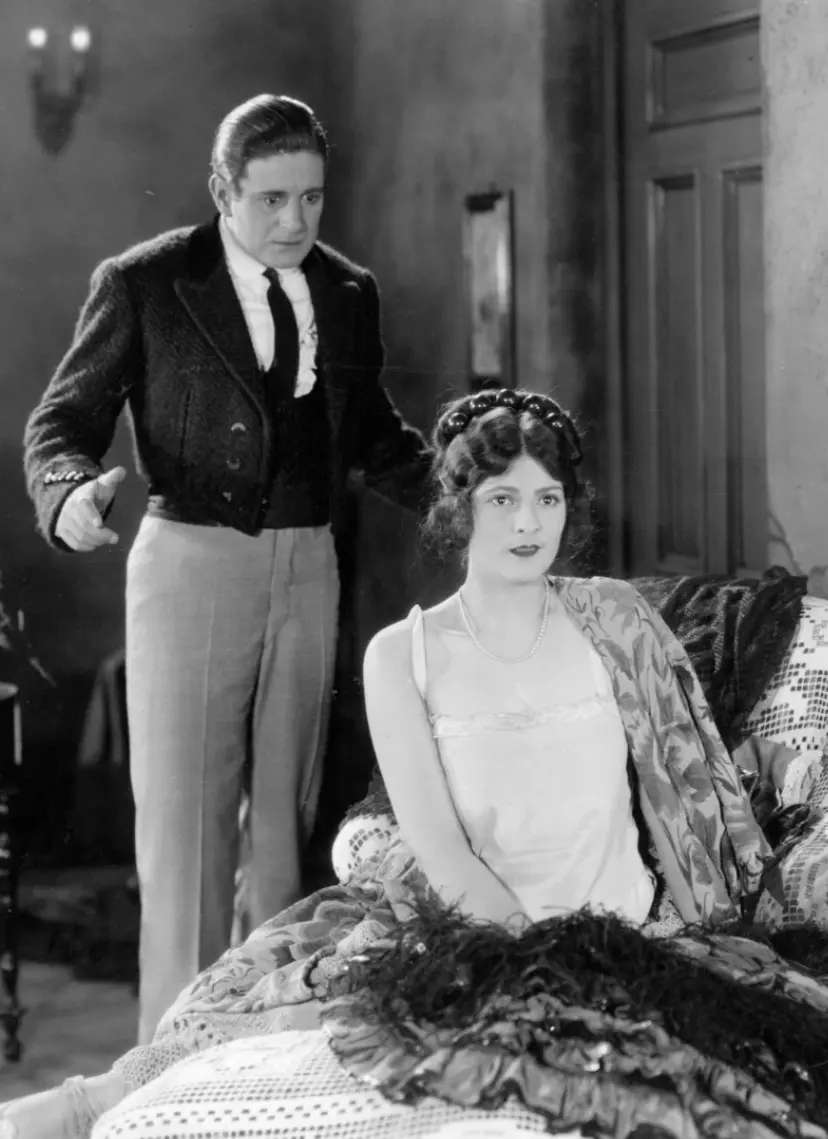
H.H. Van Loan's screenplay is a masterclass in narrative construction. It weaves together threads of paternal influence, individual agency, romantic awakening, and urban peril with an impressive deftness. The plot, while seemingly straightforward on the surface, reveals layers of psychological depth upon closer inspection. The father's motives, initially appearing purely malicious, slowly hint at a more complex, albeit misguided, desire to toughen his son. This ambiguity adds significant nuance, preventing the characters from devolving into simplistic archetypes. The challenges Roger faces are not just external; they are internal battles, fought between the path his father laid out and the one his own heart and conscience begin to forge. This internal conflict is what makes Roger's transformation so believable and ultimately, so satisfying. One could argue it possesses a similar underlying complexity to films like Back of the Man, which also explored the intricate motivations and hidden depths of its characters in the face of societal pressures.
The supporting cast, while perhaps less prominent than the central trio, contributes significantly to the film's rich tapestry. Allan Forrest, Stuart Holmes, and Matthew Betz, among others, populate the urban landscape with credible figures, adding texture to Roger's trials and tribulations. Whether they are the purveyors of the city's temptations or the enforcers of its darker elements, each performance, however brief, feels integral to the overall atmosphere and narrative progression. Their collective presence helps to establish the immersive world that Roger inhabits, making his encounters feel more real and his stakes more urgent. It's a testament to the ensemble's ability to create a believable ecosystem around the protagonists, a vital element in any film, but particularly crucial in the silent era where non-verbal communication carried immense weight.
Now, to address the elephant in the room, or rather, the "surprising yet satisfying ending". Without giving away the intricate details that make it so, suffice it to say that the resolution is far from predictable. It eschews simplistic moralizing in favor of a conclusion that feels earned, a culmination of all the trials, transformations, and emotional investments made throughout the film. It avoids the saccharine and the overly tragic, instead opting for a denouement that truly resonates with the themes of growth, consequence, and unexpected justice. It forces the audience to reconsider everything that has come before, re-contextualizing the father's actions and Roger's journey in a new light. This narrative ingenuity is a hallmark of truly memorable cinema, ensuring that the film lingers in the mind long after the final frame. It's the kind of ending that sparks conversation, that invites re-watching, and that ultimately solidifies the film's status as something more than just a period piece.
In an era often stereotyped for its straightforward narratives, The Siren of Seville stands as a nuanced and psychologically engaging piece of filmmaking. It challenges its audience to look beyond the surface, to ponder the complexities of human motivation, and to appreciate the unpredictable nature of love and redemption. Rod La Rocque delivers a performance that matures beautifully, evolving from callow youth to a man of conviction. Dorothy Gish is simply luminous, her portrayal a delicate balance of vulnerability and quiet strength, a true moral compass in a world of shifting ethics. Ernest Torrance, as the enigmatic father, anchors the film with a performance that is both unsettling and strangely compelling, leaving us to question the true nature of his paternal love.
The film's legacy lies not just in its engaging plot or its powerful performances, but in its ability to capture a specific moment in time – the roaring twenties – with an unflinching gaze at both its glamour and its grit. It's a testament to the power of silent cinema to convey profound emotional truths without the crutch of dialogue, relying instead on the evocative power of imagery, gesture, and music. For those seeking a deeper understanding of cinematic history, or simply a compelling story well told, The Siren of Seville offers a rich and rewarding experience. It's a film that reminds us that even in the most calculated of plans, the human heart often finds its own surprising, satisfying path. It’s a remarkable achievement that deserves to be rediscovered and celebrated for its timeless themes and its enduring artistry.
So, if you’re looking for a film that transcends its era, offering a compelling blend of drama, romance, and psychological intrigue, then allow yourself to be drawn in by the allure of The Siren of Seville. It's a journey worth taking, a story worth experiencing, and a piece of cinematic history that continues to speak volumes without uttering a single word. You might find yourself comparing its bold narrative choices to other films that dared to push boundaries, perhaps even finding echoes in the audacious spirit of Protéa, though in a distinctly American context of moral exploration rather than espionage. Ultimately, this film stands tall on its own merits, a shining example of narrative ingenuity and emotional depth from the silent era.
IMDb 6.4
1935
Community
Log in to comment.