DbcultAccessing Vault...
Cult Review
Senior Film Conservator
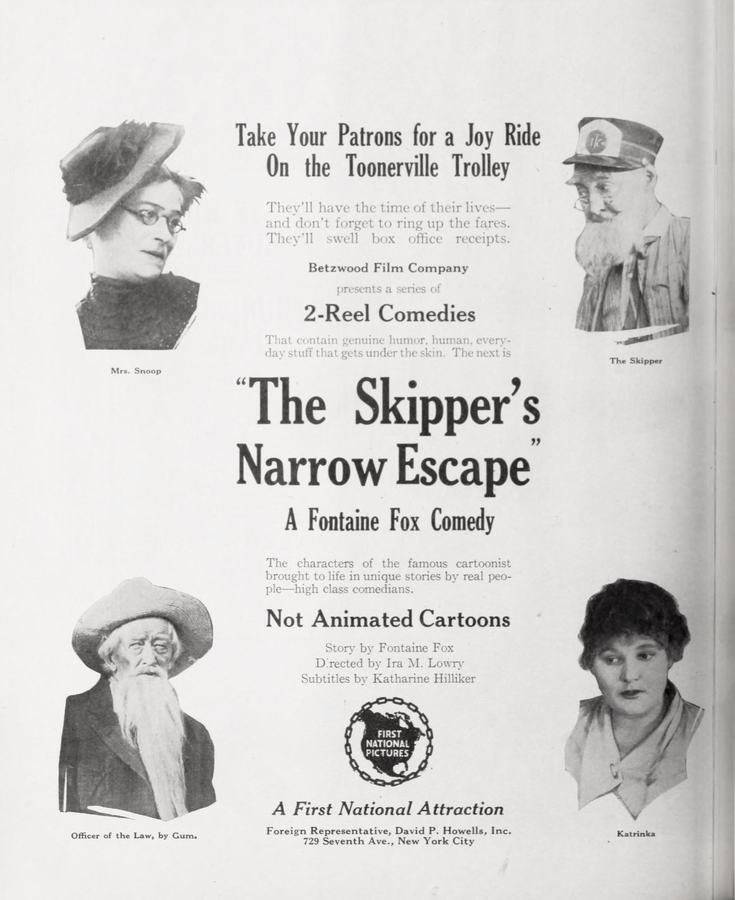
Moonshine has always been cinema’s most photogenic contraband—its amber shimmer promises transcendence while its fumes whisper revolt. In The Skipper’s Narrow Escape, director Fontaine Fox distills that paradox into a 22-minute shot-glass of slapstick sacrament: a film that gets you drunk on the very idea of getting drunk.
Set in a nameless coastal hamlet where gulls heckle clergymen, the story corkscrews around a retired sea-dog who ferments raisins into a cider so volatile it could fuel a destroyer. When the 18th Amendment’s goons swagger in, ledger-first, the Skipper transforms his tavern into a nautical fun-house: trapdoors yawn like whale gullets, bar stools pivot into dumbwaiters, and a hymn-singing parrot provides the perfect alibi. The narrative arcs like a schooner in a squall—each close-call a slapstick squall, each payoff a spray of foamy laughter.
Fred O’Beck’s Skipper is a marvel of pickled dignity—eyebrows like anchors, gait listing permanently to port. Watch how he caresses a demijohn as if it were a newborn; the gesture is half lullaby, half larceny. Opposite him, Betty Bovee’s flapper operates on pure kinetic wit: her Charleston is a Morse code of seduction, each heel-click a dot, each wink a dash that spells "come raid me." Dan Mason’s sheriff could have been a one-note hayseed, but he gifts the role a hiccupping stutter that turns every threat into a hiccup of hot air.
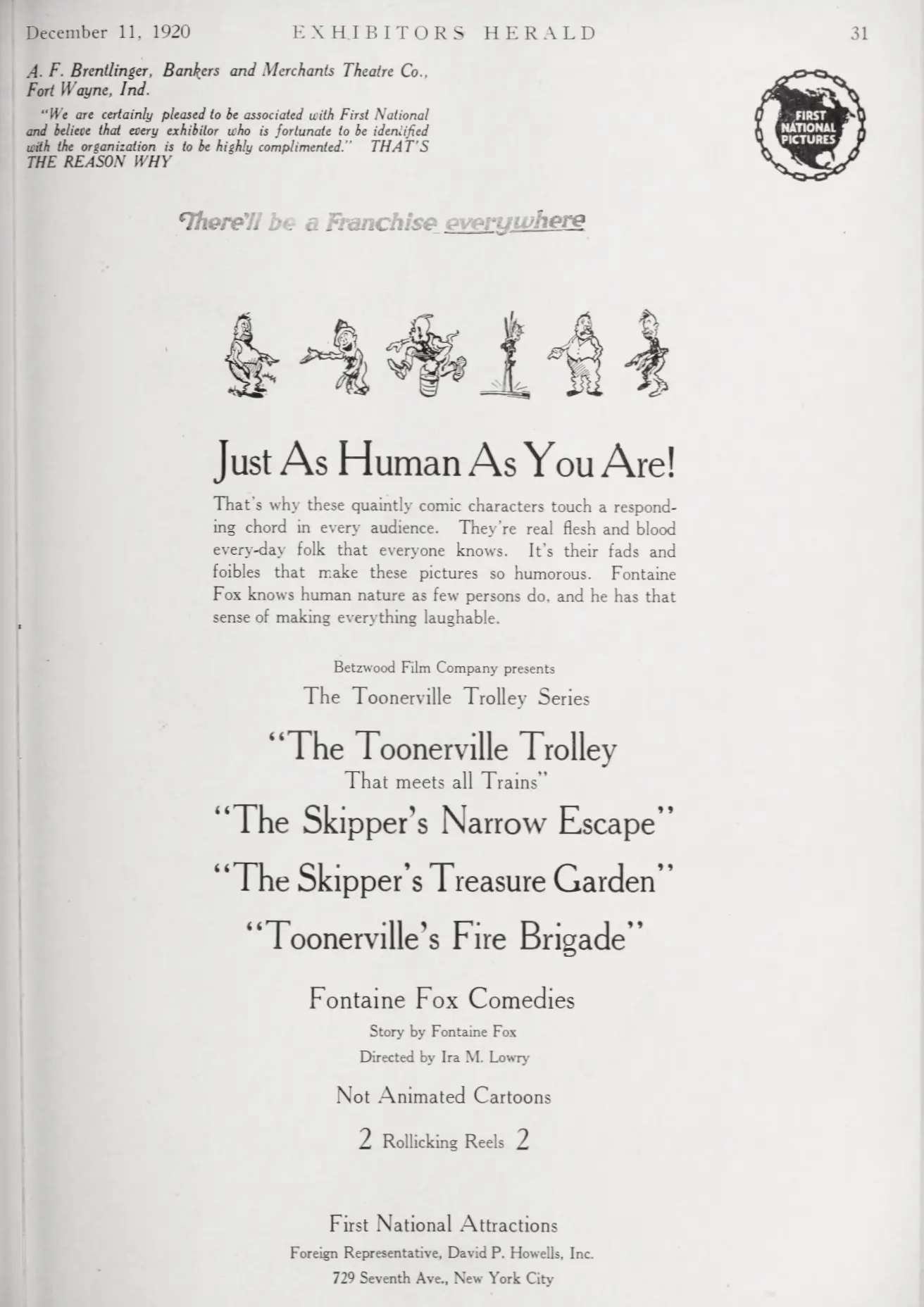
Cinematographer Robert Maximillian shoots moonshine the way other lensers shoot sunrise: through gauze, through wonder. When the cider first glugs from spigot to mason jar, the frame blooms with hand-tinted tangerine halos—Prohibition’s answer to the parting of the Red Sea. Note the repeated motif of circularity: barrel bungs, ship wheels, even the halo of a temperance lecturer’s hat—all whisper that every embargo is a loop destined to be broken.
Modern viewers might expect antiquated pratfalls, yet Fox’s timing feels quantum. In one sequence, a Revenue agent sniffs a jug, sneezes, and catapults his own badge into the rafters where it lands—clang!—inside a spittoon. The cut is so precise you could set a metronome to it. Compare this to the lugubrious moralizing of The Eternal Question or the frost-bitten fatalism of Pohorony Very Kholodnoi; Fox opts for effervescence over ennui.
There is no score on surviving prints, only the popcorn rustle of your own pulse. That absence becomes an aural negative space: every spilled drop lands with imagined cymbal-crash, every sotto-voce scheme tickles like a secret. Try watching it beside the orchestral bombast of The Wrath of the Gods and you’ll realize how silence can intoxicate louder than trumpets.
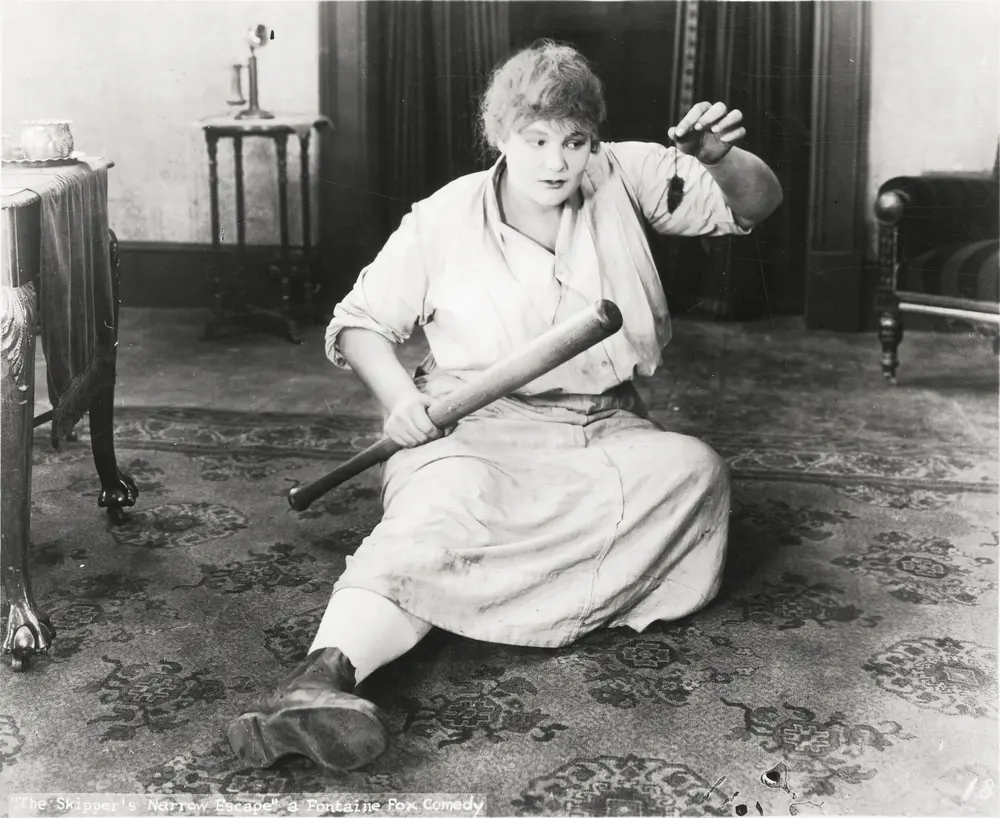
Most prohibition pictures moralize: demon rum, fallen women, societal rot. Fox inverts the hymnbook; here, the law itself is the comic ogre—meddlesome, knock-kneed, perpetually outwitted. The film sides with the yeast, the bubble, the night. It’s a political sneeze in the face of Carrie Nation’s hatchet, closer in anarchic spirit to Framing Framers than to the soggy melodrama of Tears and Smiles.
Notice the scene where Helen Gerould Rose’s society matron dons the Skipper’s sou’wester to divert suspicion. For thirty seconds, gender becomes another disguise, as permeable as cigar smoke. The gag is fleeting, yet it anticipates the gender-bending hijinks of later comedies like The Amateur Liar with more economy than a haiku.
Critics often crown La dame aux camélias or Der Weg des Todes as the apex of early ‘20s pathos, yet The Skipper’s Narrow Escape proves that brevity plus bootleg equals immortality. Bootleg copies circulated speakeasies as late as 1931, each scratch on the celluloid a toast to repeal. Today, cinephiles hunt it like Prohibition agents once hunted pints—proof that forbidden fruit ferments the sweetest legend.
Restored 2K DCP screens annually at the Rochester Dry-Goods Archive; a 1080p rip with optional synthetic ragtime floats in the darker fjords of the interwebs. Whichever port you dock at, pour yourself a generous pour, mute the ringer, and let the film’s amber glow remind you that every era gets the outlaws it deserves—and the laughter it needs.
Great cinema is a balancing act between confession and transgression; The Skipper’s Narrow Escape tap-dances on that tightrope while juggling jugs, flipping off censors, and toasting the audience with a wink that says, "Thirst is the mother of invention." Drink deep.
IMDb —
1922
Community
Log in to comment.