DbcultAccessing Vault...
6.1/10
Senior Film Conservator
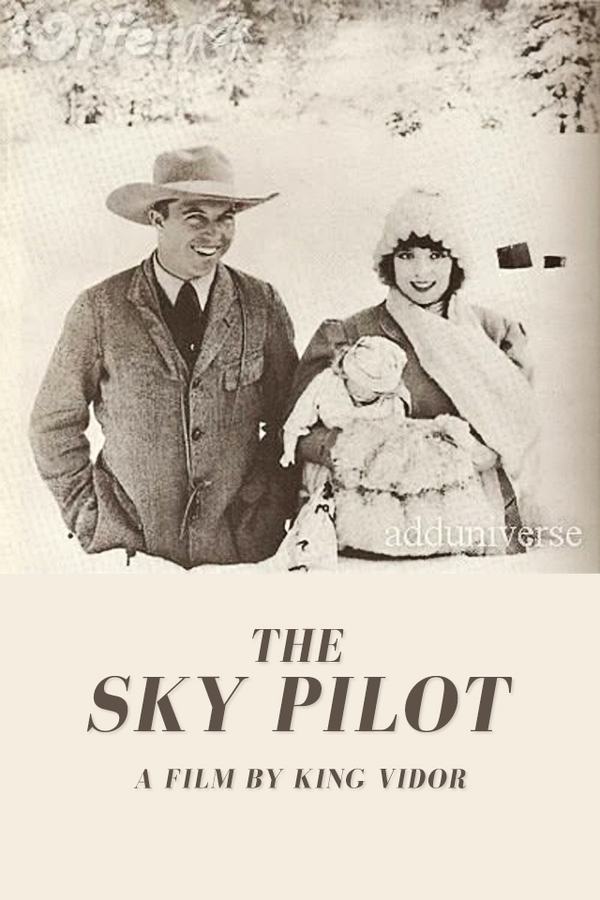
A definitive 6.1/10 rating for a film that redefined the boundaries of cult cinema. The Sky Pilot remains a cornerstone of transgressive art.
Stepping back into the silent era is often an exercise in historical appreciation, a journey through the nascent stages of cinematic language. Yet, some films transcend their temporal constraints, speaking to universal human experiences with a clarity that belies their age. 'The Sky Pilot,' a 1921 production featuring the luminous Colleen Moore and the earnest John Bowers, is precisely one such cinematic artifact. It’s a compelling narrative woven against the breathtaking, yet often brutal, backdrop of the Canadian frontier, a tale that delves deep into themes of faith, resilience, and the transformative power of human connection. The film, directed with a keen eye for both grand vistas and intimate emotional moments, offers more than just a glimpse into early 20th-century filmmaking; it provides a poignant reflection on the enduring spirit of hope in the face of profound adversity.
The Canadian wilderness, in its sweeping grandeur and unforgiving temperament, is not merely a setting in 'The Sky Pilot'; it is an active character, shaping destinies and mirroring the internal struggles of its inhabitants. This vast, untamed landscape, often rendered with a striking authenticity by the cinematography, serves as a crucible where human vulnerabilities are exposed and strengths are forged. Imagine the stark contrast between the raw, untamed nature and the delicate, often fragile, human spirit attempting to carve out an existence within it. It’s a dynamic that immediately draws parallels with other frontier narratives of the era, though 'The Sky Pilot' imbues its setting with a spiritual weight that elevates it beyond mere adventure. The isolation, the constant battle against the elements, and the reliance on communal bonds—or the stark lack thereof—all contribute to an atmosphere ripe for dramatic tension and profound personal journeys. This environmental storytelling is a testament to the early filmmakers' understanding of how crucial locale is to narrative impact, a lesson that many contemporary productions still struggle to master.
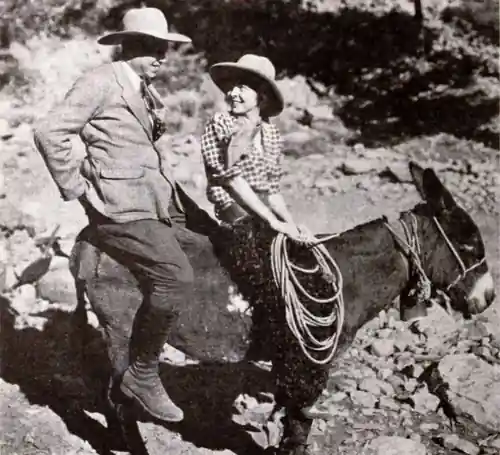
At the heart of this compelling drama is the 'Sky Pilot' himself, portrayed with earnest conviction by John Bowers. He is not the fire-and-brimstone evangelist one might expect in such a rugged setting, but rather a man of quiet determination and profound empathy. His arrival in the remote community is met with the usual frontier skepticism, a natural distrust of outsiders bearing messages that seem far removed from the daily grind of survival. Yet, Bowers infuses his character with a gentle strength, a persistence that slowly begins to chip away at the hardened exteriors of the locals. His mission, initially a spiritual one, quickly morphs into a deeply personal quest to aid Gwen, played with captivating vulnerability and spirited resolve by Colleen Moore.
Moore, a star whose career would blossom further in the Jazz Age, demonstrates an early command of expressive silent acting here. Her Gwen is not a passive damsel in distress; she is a vibrant, independent spirit whose life is irrevocably altered by a near-fatal accident. The tragedy leaves her unable to walk, a devastating blow to a character so intimately connected to the freedom of movement and the wildness of her surroundings. Moore’s portrayal of Gwen’s initial despair, her fierce resistance, and her gradual, arduous journey toward recovery is nothing short of masterful. It’s a performance that speaks volumes without a single uttered word, relying on subtle shifts in facial expression, the anguish in her eyes, and the determined set of her jaw. The dynamic between Bowers’ steadfast preacher and Moore’s resilient Gwen forms the emotional core of the film, a delicate dance of spiritual guidance and physical healing that transcends conventional romance, delving instead into the deeper currents of human compassion and mutual respect. Their relationship is less about romantic love and more about the profound bond forged in shared struggle, a testament to the idea that true connection often arises from adversity.

The plot, at its most fundamental, revolves around the preacher’s unwavering commitment to helping Gwen walk again. However, 'The Sky Pilot' quickly reveals that this is not merely a physical challenge, but a spiritual and emotional odyssey for both characters. Gwen’s inability to walk is a metaphor for a deeper paralysis—a loss of hope, a questioning of purpose. The preacher's role extends beyond that of a physical therapist; he becomes a spiritual guide, a confidante, and a relentless advocate for her inner strength. The film meticulously depicts the arduous process of rehabilitation, the small victories, and the inevitable setbacks, rendering Gwen’s struggle with a palpable sense of authenticity. It’s in these moments of profound vulnerability and shared effort that the film truly shines, illustrating the profound impact one human being can have on another’s capacity to heal.
The screenplay, penned by John McDermott, Ralph Connor, and Faith Green, skillfully navigates the delicate balance between sentimentality and genuine pathos. They avoid the saccharine traps that often plague stories of miraculous recovery, opting instead for a portrayal that emphasizes hard work, perseverance, and the slow, incremental nature of true healing. This grounded approach ensures that Gwen's eventual triumphs feel earned, a testament to her own courage as much as to the preacher's dedication. The narrative arc, while seemingly straightforward, is imbued with layers of psychological depth, exploring the nuances of despair, hope, and the human will to overcome. It's a testament to the writers' ability to craft a story that resonates on multiple levels, much like the intricate emotional tapestry woven in a film such as The Forfeit, where personal sacrifice paves the way for a deeper understanding of self.
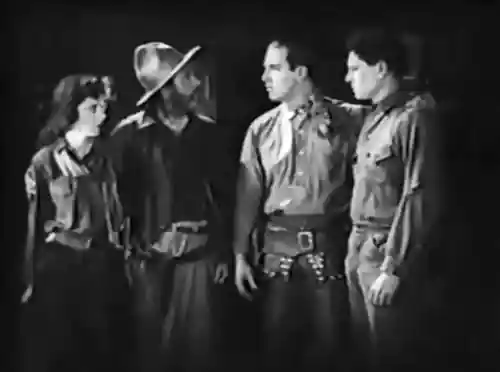
Beyond the immediate drama of Gwen’s recovery, 'The Sky Pilot' explores broader themes pertinent to the human condition. Faith, naturally, is a central pillar, but it’s presented not as a rigid dogma but as an active, living force—a belief in the possibility of change, in the inherent goodness of others, and in one’s own capacity for resilience. The preacher’s faith is tested, not just by Gwen’s physical state, but by the cynicism and hardship of the frontier community. His unwavering commitment serves as a quiet challenge to the prevailing attitudes, slowly fostering a sense of hope and mutual aid among the initially jaded inhabitants. This aspect of community building and the slow transformation of a skeptical populace finds echoes in films like My Little Boy, where a strong individual presence reshapes the moral fabric of a small town.
Perseverance is another vital thread woven throughout the narrative. Gwen’s struggle to walk again is a grueling, often painful process, demanding immense fortitude. The film does not shy away from depicting the physical and emotional toll, making her eventual progress all the more impactful. This theme of relentless determination against formidable odds is a timeless one, a narrative backbone that resonates deeply with audiences across generations. It reminds us that miracles often require human effort and an unwavering refusal to yield to despair. This commitment to an arduous journey mirrors the struggles seen in films like A Woman's Way, where the protagonist navigates complex challenges through sheer will.

As a product of the silent era, 'The Sky Pilot' relies heavily on visual storytelling, and it executes this with remarkable artistry. The cinematography captures the rugged beauty of the Canadian landscape with striking compositions, using wide shots to emphasize the isolation and close-ups to convey intimate emotions. The use of natural light, the stark shadows, and the sweeping vistas all contribute to a powerful sense of place and mood. The film’s visual poetry is particularly evident in the scenes depicting Gwen’s rehabilitation, where the camera meticulously tracks her efforts, transforming simple acts like standing or taking a single step into moments of profound dramatic tension. This visual precision, conveying emotion and narrative without dialogue, is a hallmark of the period's best works, much like the expressive storytelling in La fête espagnole.
The performances by Colleen Moore and John Bowers are central to the film's success. Moore, in particular, delivers a performance of incredible nuance. Her transformation from despair to determined hope, conveyed through subtle gestures, changes in posture, and the profound expressiveness of her eyes, is a masterclass in silent acting. She avoids the theatrical over-exaggeration sometimes associated with the era, opting instead for a more internalized, believable portrayal. Bowers complements her perfectly, his stoic demeanor masking a deep well of compassion and resolve. Together, they create a compelling on-screen chemistry that is more about shared purpose than overt romantic passion. Their ability to communicate such complex emotional states without dialogue is a testament to their skill and the power of the silent film medium when wielded by talented artists. Their performances elevate what could have been a simple melodramatic plot into a genuinely moving human drama, reminiscent of the profound emotional depth found in The Heart of a Girl.

While 'The Sky Pilot' may not hold the same iconic status as some other silent classics, its enduring appeal lies in its sincere exploration of timeless themes and its powerful, understated performances. It’s a film that speaks to the resilience of the human spirit, the profound impact of empathy, and the quiet heroism found in everyday acts of kindness and perseverance. For those interested in the evolution of cinematic storytelling, it offers valuable insights into how early filmmakers crafted emotionally resonant narratives without the aid of sound. Its influence, though perhaps subtle, can be traced in subsequent films that explore similar themes of physical and spiritual rehabilitation, particularly within challenging natural environments. The film serves as a reminder that the foundational elements of compelling storytelling—strong characters, meaningful conflict, and universal themes—are not bound by technological advancements. It stands as a powerful testament to the fact that a story told with sincerity and skill can captivate and move an audience regardless of the era.
In an age saturated with spectacle and auditory overload, revisiting a film like 'The Sky Pilot' offers a refreshing opportunity to appreciate the subtle art of visual narrative. It encourages viewers to engage more deeply with the imagery, to interpret the unspoken emotions, and to connect with the characters on a purely human level. The film's message of hope and the power of human connection remains as relevant today as it was a century ago. It reminds us that even in the most desolate landscapes, both external and internal, the 'sky pilot'—whether a literal preacher or simply a guiding light of human compassion—can help us find our way back to wholeness. Much like the quiet determination evident in Little Red Decides, this film champions the spirit of an individual against seemingly insurmountable odds, providing a timeless narrative of triumph.
'The Sky Pilot' is more than just a historical curiosity; it is a genuinely affecting drama that deserves to be rediscovered by contemporary audiences. Its strength lies in its simplicity, its emotional honesty, and the compelling performances of its leads. It's a film that quietly asserts the power of belief—not just in a divine sense, but in the capacity of individuals to overcome profound challenges and to uplift one another. For fans of silent cinema, it’s an essential viewing experience, offering a masterclass in visual storytelling and nuanced character development. For newcomers to the era, it serves as an excellent entry point, demonstrating the timeless appeal of well-crafted narrative and the enduring power of human resilience. It’s a film that leaves a lasting impression, a gentle but firm reminder that sometimes, the greatest miracles are simply the result of unwavering dedication and profound human compassion. Its narrative arc, while focused on physical recovery, delves into the spiritual awakening that parallels the journey in 'Love's Toll' (Love's Toll), showcasing a similar transformative power through hardship. This film, therefore, is not merely a relic of a bygone cinematic age; it is a vibrant, beating heart of a story that continues to resonate with undeniable force.
IMDb 5.5
1935
Community
Log in to comment.