DbcultAccessing Vault...
Cult Review
Senior Film Conservator
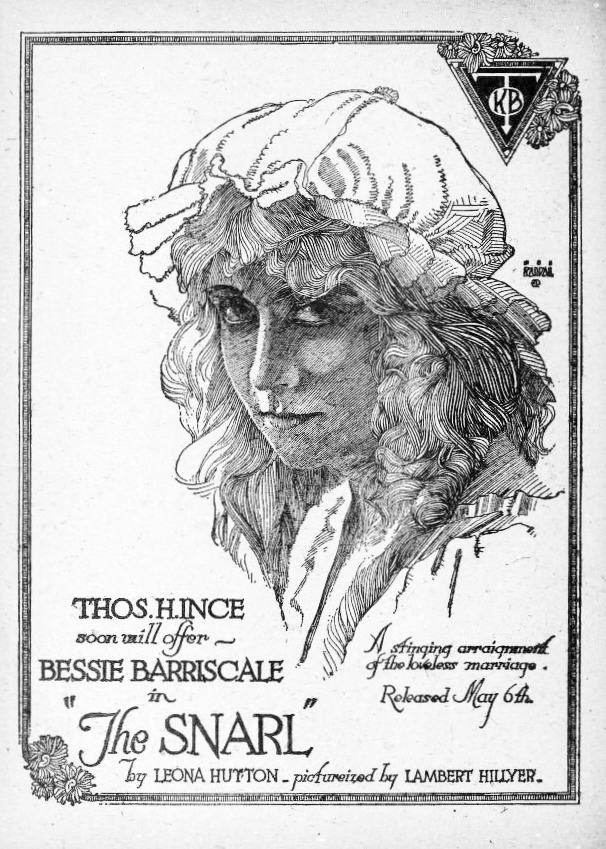
Step into the shadowy, melodramatic world of early cinema, where moral polarities and the intricate dance of identity often fueled the most compelling narratives. Lambert Hillyer’s 1917 silent drama, The Snarl, emerges as a fascinating artifact from this era, a story that, despite its century-old vintage, still resonates with a potent blend of human frailty and the relentless pursuit of justice. At its core lies a breathtaking performance by Bessie Barriscale, who masterfully navigates the treacherous waters of a dual role, portraying two sisters who are identical in visage yet diametrically opposed in spirit.
The film plunges us headfirst into the lives of Helen and Marion Dean, twin sisters whose shared appearance belies a profound moral chasm. Marion, the quintessential embodiment of virtue, possesses a voice that could stir the heavens – a talent poised to launch her into operatic stardom. Her soul is pure, her character self-sacrificing, a beacon of selfless love. Helen, on the other hand, is a vortex of vanity and heartlessness, a woman whose beauty is merely a facade for a barren inner landscape. This stark contrast is the engine of the narrative, setting the stage for a series of deceptions that spiral into a gripping tale of comeuppance and redemption. Barriscale’s ability to imbue each sister with such distinct personalities, often within the same frame through clever editing and subtle shifts in posture and expression, is nothing short of remarkable for its time, truly a testament to her acting prowess.
The initial catalyst for the film's dramatic machinations arrives with a cruel twist of fate: Marion suffers a debilitating car accident just as her grand operatic debut looms. Crippled and unable to perform, her dreams seem shattered. Yet, the show, as they say, must go on. The opera manager, a figure driven by pragmatic necessity rather than ethical considerations, concocts an audacious scheme: Helen, the visually identical twin, will take the stage, her exquisite form providing the illusion of performance while Marion, hidden from view, lends her unparalleled voice. This theatrical sleight of hand is where the narrative truly takes flight, exploring themes of authenticity and artifice. The audience, much like Monte Bruce, the wealthy scion who becomes enamored with Helen, is initially deceived by the outward spectacle, mistaking superficial beauty for profound talent and character.
Monte Bruce, played with earnest conviction by J. Barney Sherry, is a character whose journey mirrors the audience’s own initial enchantment and subsequent disillusionment. Captivated by Helen’s stage presence, a performance fueled by Marion’s unseen genius, he falls deeply in love and marries her. The honeymoon cruise, a symbol of newfound bliss, quickly transforms into a stage for further treachery. A sudden explosion blinds Bruce, plunging him into a world of darkness. This tragic event, rather than eliciting compassion from Helen, merely serves as an opportunity for her callous nature to fully manifest. She swiftly abandons her sightless husband, drawn by the shallow allure of fellow passenger Jack Mason, leaving the vulnerable, still-crippled Marion to assume her place at Bruce's side. Here, the film delves into the profound moral bankruptcy of Helen, contrasting it sharply with Marion’s inherent goodness, her willingness to sacrifice her own comfort for the man her sister betrayed.
The narrative's most compelling twist arrives when Bruce, against all odds, regains his sight. Instead of immediately exposing Helen’s perfidy, he shrewdly conceals his recovery, feigning continued blindness. This act of strategic deception elevates the drama to a thrilling new level, transforming Bruce from a passive victim into an active agent of justice. He becomes an unseen observer, a silent judge, meticulously gathering evidence of Helen’s flagrant infidelity and heartless neglect. This period of feigned blindness is crucial; it allows the audience to witness the full extent of Helen’s depravity and Marion’s unwavering devotion, solidifying the moral poles of the story. The tension builds with each furtive glance Bruce casts, each overheard whisper, as the audience anticipates the inevitable, explosive revelation.
Leona Hutton and Lambert Hillyer's screenplay is a masterclass in silent film melodrama, constructing a narrative rich with dramatic irony and moral clarity. The characters, though archetypal, are rendered with enough nuance by the cast to feel genuinely compelling. Hillyer's direction, typical of the era, relies heavily on visual storytelling – exaggerated gestures, expressive close-ups, and carefully composed frames to convey emotion and propel the plot. The film’s pacing, while perhaps deliberate by modern standards, allows for a thorough exploration of its thematic concerns. It’s a study in contrasting fates, where virtue, though tested, ultimately triumphs, and vice, though seemingly triumphant, inevitably faces its reckoning.
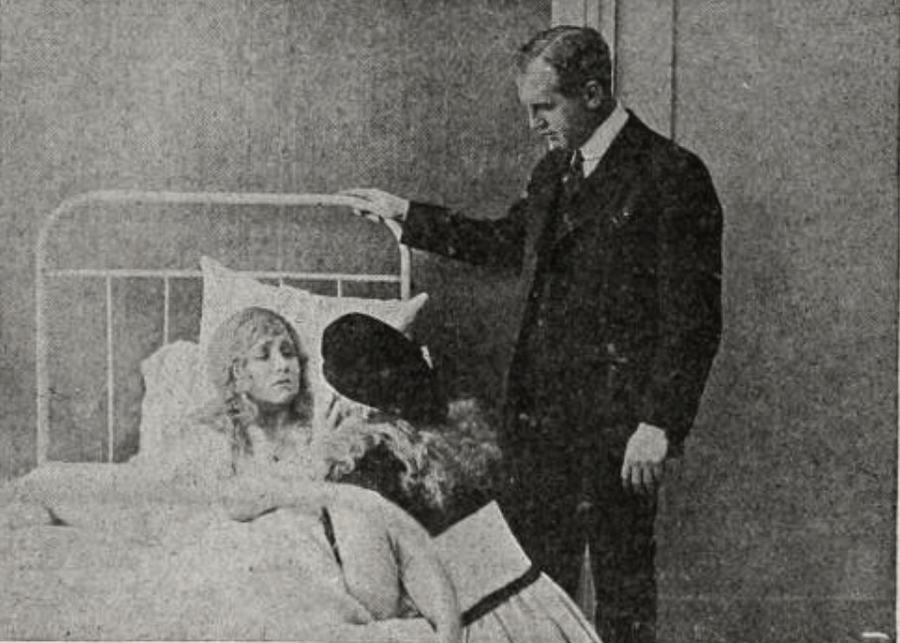
The thematic undercurrents of The Snarl are deeply rooted in the moralistic narratives prevalent in early 20th-century cinema. It’s a cautionary tale about the dangers of superficiality and the enduring power of inner beauty and selfless love. Helen’s beauty is her curse, leading her to believe she can manipulate and deceive with impunity, while Marion’s initial misfortune ultimately paves the way for her true happiness. The film doesn't shy away from depicting the brutal consequences of Helen's actions, culminating in a fiery climax that serves as a visceral representation of divine justice. This kind of stark moral clarity was often a hallmark of silent films, designed to resonate with a broad audience seeking clear-cut heroes and villains.
In comparing The Snarl to its contemporaries, one might draw parallels with other silent melodramas that explored themes of mistaken identity or moral duplicity. For instance, the intricate web of deceit and hidden motives recalls the narrative complexities found in films like The House of a Thousand Candles, where secrets and revelations drive the plot forward. Similarly, the dramatic tension stemming from a character's feigned disability or hidden truth can be seen in other thrillers of the period, though perhaps less overtly focused on the moral implications. The narrative ingenuity of Leona Hutton's script, in particular, stands out, crafting a plot that continuously twists and turns without losing its emotional core. The way the film uses physical resemblance as both a tool for deception and a source of profound dramatic irony is particularly effective.
The climax of The Snarl is nothing short of operatic in its intensity. As a fire erupts on the ship, the chaos and panic serve as a dramatic crucible, testing the true character of all involved. Helen and Mason, in their desperate and selfish attempt to escape, meet a swift and fiery end, a poetic and somewhat brutal justice meted out by the narrative itself. This cataclysmic event not only disposes of the antagonists but also symbolically purges the narrative of its falsehoods, paving the way for a resolution built on truth and genuine affection. In a remarkable turn of events, Marion, who had been crippled, miraculously recovers the use of her legs, signifying not just physical healing but a complete restoration of her rightful place in the world. This dramatic recovery, while perhaps bordering on the fantastical, serves a crucial narrative purpose, completing her journey from victim to triumphant heroine.
With Helen and Mason removed from the equation, Monte Bruce, now fully sighted and fully aware of Marion's unwavering love and sacrifice, is free to marry her. Their union symbolizes the triumph of genuine affection over superficial infatuation, of inner beauty over outward deceit. It’s a conclusion that, while perhaps predictable for a silent melodrama, feels earned through the trials and tribulations Marion endures. Howard Hickman, as Jack Mason, and Aggie Herring, as a supporting character, also contribute to the film’s overall texture, though the spotlight undeniably belongs to Barriscale’s dual performance. Her portrayal of Marion, particularly in moments of quiet suffering and steadfast devotion, is genuinely moving, contrasting sharply with the theatrical villainy of Helen.
The film’s exploration of vision, both literal and metaphorical, is particularly compelling. Bruce's physical blindness initially prevents him from seeing Helen's true nature, but his eventual, feigned blindness allows him to gain profound insight into her character and Marion's devotion. It's a powerful metaphor for how true understanding often requires looking beyond the surface, beyond the initial 'snarl' of appearances. The title itself, 'The Snarl', could be interpreted in multiple ways: the twisted web of deceit, the vicious temperament of Helen, or perhaps even the snarled threads of fate that eventually unravel to reveal the truth. This ambiguity adds a layer of depth to what might otherwise be a straightforward moral tale.
In its historical context, The Snarl represents the sophisticated storytelling capabilities of early silent cinema. Films of this era, often constrained by technical limitations, compensated with innovative narrative structures and highly expressive acting. Bessie Barriscale, a prominent star of the period, truly shines, demonstrating why she was such a captivating presence on screen. Her ability to switch between the two sisters, sometimes within seconds, is a masterclass in silent acting, relying on subtle shifts in gaze, posture, and the smallest facial expressions to convey profound differences in character. This film serves as a crucial example of how silent films, far from being primitive, were often incredibly nuanced and emotionally resonant. While not as widely known today as some other silent classics, it certainly deserves a rediscovery for its compelling plot and stellar performances.
Ultimately, The Snarl is more than just a forgotten relic; it is a vibrant, engaging drama that speaks to timeless themes of good versus evil, loyalty versus betrayal, and the ultimate triumph of integrity. Its intricate plot, driven by a powerful central performance, offers a window into the rich storytelling traditions of the silent era. It reminds us that even without spoken dialogue, cinema possessed an incredible capacity to convey complex emotions and profound moral lessons, leaving an indelible mark on its audience. The journey of Marion, from victimized artist to beloved wife, and Helen's dramatic downfall, craft a narrative that, for all its melodramatic flourishes, feels deeply satisfying in its resolution. It's a compelling watch for anyone interested in the evolution of cinematic storytelling and the enduring power of classic narratives.
IMDb —
1924
Community
Log in to comment.