DbcultAccessing Vault...
4.3/10
Senior Film Conservator
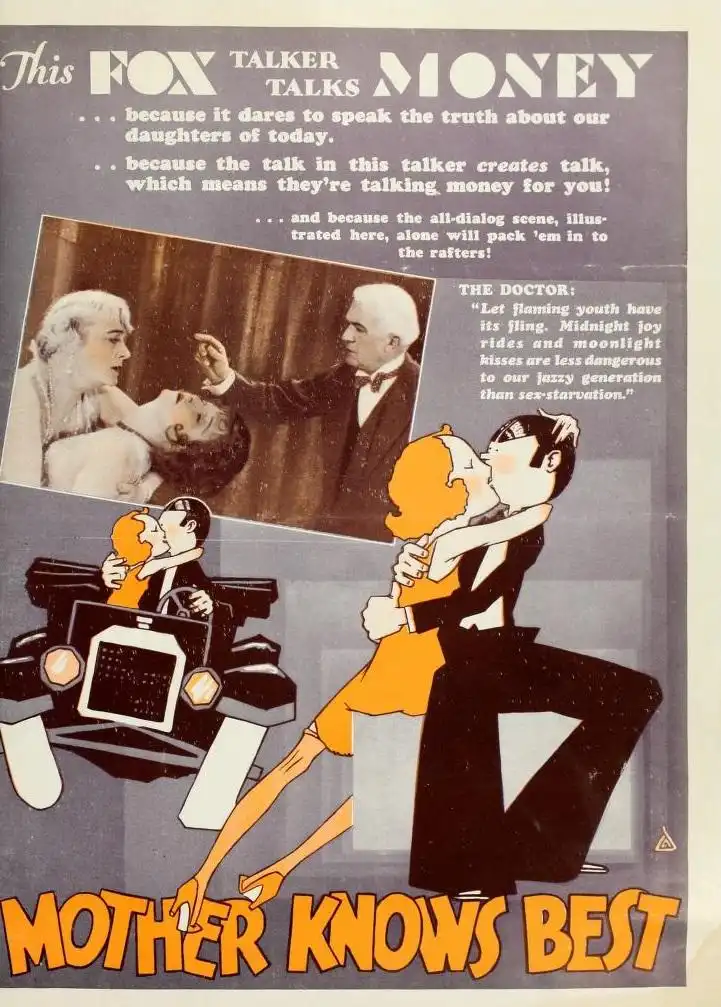
A definitive 4.3/10 rating for a film that redefined the boundaries of cult cinema. Mother Knows Best remains a cornerstone of transgressive art.
Is Mother Knows Best worth watching today? If you are a student of film history or a fan of high-stakes melodrama, the answer is a firm yes. However, if you struggle with the technical hiccups of early 'part-talkies,' this might feel like a chore. It is a film specifically for those who enjoy seeing the blueprints of modern tropes—in this case, the 'stage mother' archetype that would later give us everything from Gypsy to Black Swan. General audiences will likely find the pacing erratic, but the central performance by Louise Dresser is so potent it transcends the 1928 limitations.
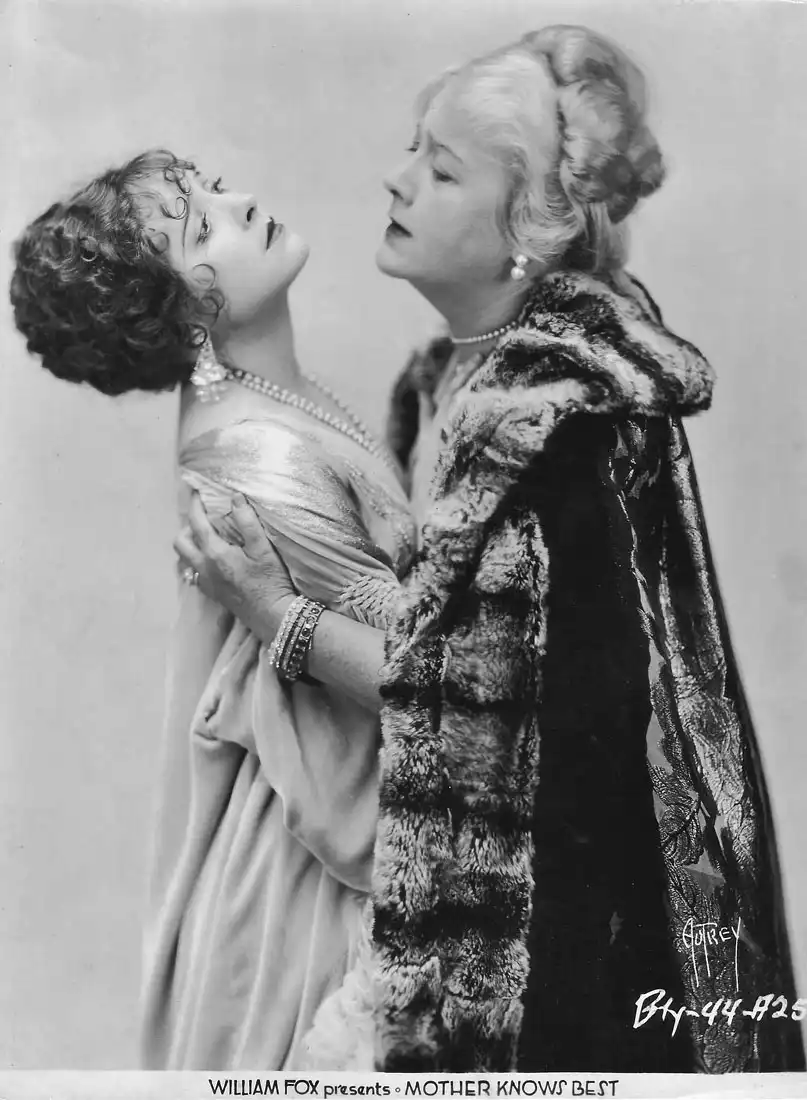
The film belongs entirely to Louise Dresser as Ma Quinton. While the plot ostensibly follows Sally’s rise to fame, the camera is obsessed with Ma’s reactions. Dresser doesn't play the character as a mustache-twirling villain; she plays her with a terrifying, bone-deep conviction that she is the only person who truly loves her daughter. There is a specific scene in a cramped dressing room where Dresser’s physical presence seems to shrink the walls around Madge Bellamy. She doesn't need to scream; she simply adjusts a costume or offers a 'helpful' critique that lands like a physical blow.
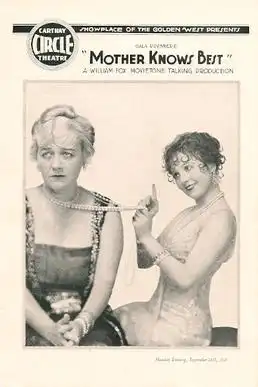
Madge Bellamy, as the adult Sally, has the harder job. She has to play a woman who has been systematically hollowed out. At times, Bellamy’s performance feels a bit stiff, but in the context of the story, it works. She looks like someone who is constantly checking for permission before she breathes. The contrast between her and the younger Sally (played by Dawn O’Day, who later became Anne Shirley) is striking. O’Day captures a spark of natural joy that we see Bellamy’s version slowly lose as the 'business' takes over.
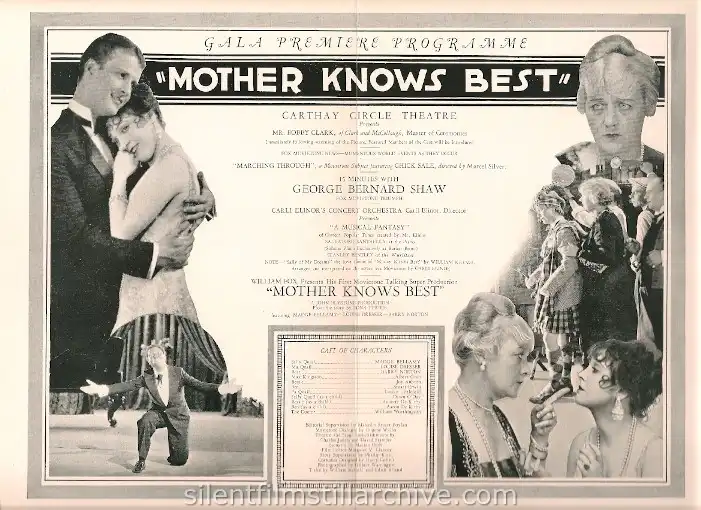
As Fox’s first foray into the 'talkie' world using the Movietone system, the film is a hybrid. The silent sequences are directed by John G. Blystone with a fair amount of fluid movement, but when the sound kicks in, the film grinds to a halt. This is common for the era, but here it creates a strange, unintentional psychological effect. The talking sequences—mostly Sally’s stage performances—feel isolated and hyper-real, which mirrors how Sally likely feels: that life only 'speaks' when she is under the spotlight.
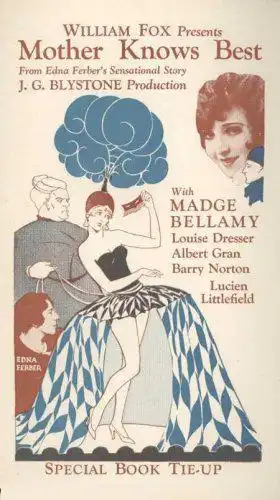
The standout moment for any modern viewer is Sally’s series of imitations. Watching Bellamy do an Al Jolson impression is a bizarre time capsule moment. It’s technically impressive for 1928, but it also highlights the film’s biggest strength: it actually shows us the talent Sally is supposedly selling. We aren't just told she's a star; we see the vaudeville routines, the sweat, and the mechanical precision Ma has drilled into her.
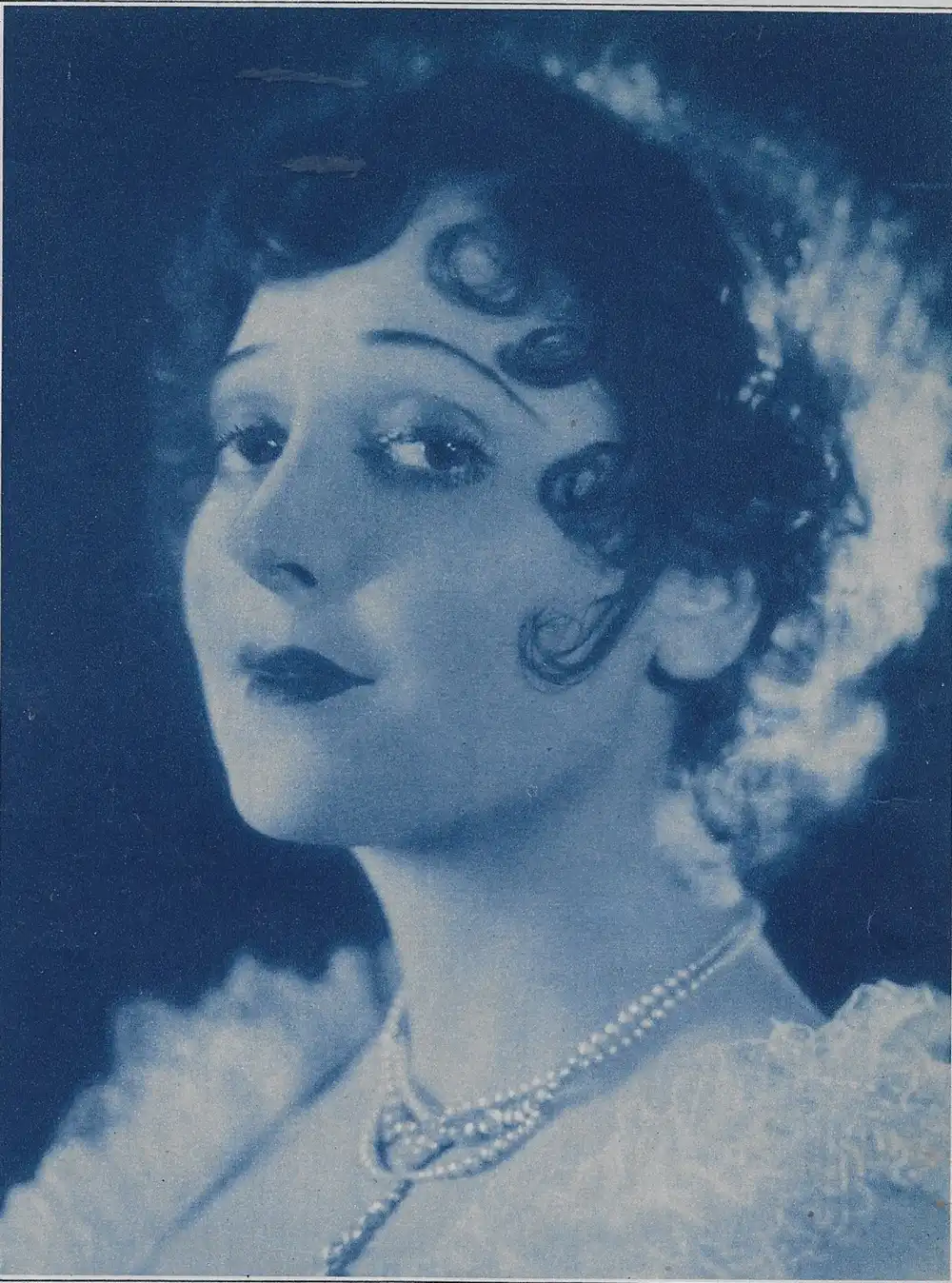
The film isn't without its drags. Like many Edna Ferber adaptations, such as A Fool's Paradise, it leans heavily on sentimental beats that don't always hold up. The romance between Sally and the puppeteer (Barry Norton) is the weakest link. Norton is a bit too 'pretty-boy' for the role, and their chemistry feels like a plot necessity rather than a burning passion. When the film focuses on their secret meetings, the energy dips significantly. You find yourself waiting for Ma Quinton to burst back into the frame to provide some much-needed tension.
The editing rhythm is also noticeably clunky during the transitions from silent to sound. There are several awkward pauses where characters stand still, presumably waiting for the sound equipment to sync or the scene to end. It breaks the immersion, but for a film of this age, it’s an expected quirk of the medium’s growing pains.
Visually, the film excels in its depiction of the theatrical world. The backstage shots are cluttered and dark, contrasting sharply with the flat, bright lighting of the Quinton home. It suggests that the theater, for all its chaos, is the only place where Ma and Sally actually know how to function. There is a particularly effective shot near the end where Ma is left alone in a theater aisle; the way the shadows of the empty seats stretch toward her makes her look suddenly small and obsolete—a rare moment of vulnerability for a character who spends the rest of the film as an immovable object.
Mother Knows Best is a heavy-handed but effective drama that manages to be more than just a technical footnote. While the 'don't do this, daughter' moralizing can be thick, the film is surprisingly cynical about the price of fame. It doesn't offer a clean, happy ending where everyone is reconciled; instead, it leaves you with the uncomfortable realization that Ma Quinton’s 'devotion' has essentially ended Sally’s life before it really began. It’s a bitter pill of a movie, wrapped in the glitz of 1920s Broadway, and it’s all the better for its sharp edges.
IMDb —
1927
Community
Log in to comment.