DbcultAccessing Vault...
Cult Review
Senior Film Conservator
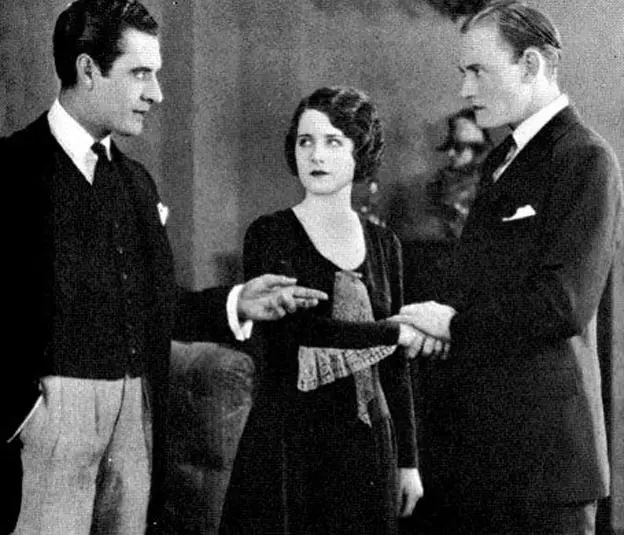
In the pantheon of 1924 cinema, few works articulate the agonizing friction between inherited status and individual integrity with as much surgical precision as The Snob. Directed by the sophisticated Monta Bell, this film serves as a foundational text for the burgeoning Metro-Goldwyn-Mayer aesthetic, blending high-society melodrama with a gritty, almost naturalistic undercurrent that suggests the influence of European realism. The narrative, adapted from Helen Reimensnyder Martin’s work, is not merely a tale of a girl lost; it is a profound interrogation of the American class structure at a moment when the Victorian era was finally gasping its last breath in the face of the Jazz Age's burgeoning cynicism.
At the heart of this visual tapestry is Norma Shearer, an actress whose face would eventually become synonymous with the MGM 'prestige' picture. Here, however, we see a rawer, more vulnerable Shearer. Her portrayal of Nancy Claxton is a masterclass in the economy of gesture. When she receives the news of her father’s death—a death occurring not in the dignity of a drawing room but in the squalor of a roadhouse brawl—her reaction is not one of histrionic weeping. Instead, Bell captures a chilling internal collapse. It is the moment where the 'convent girl' dies and the survivor is born. This transition is as psychologically dense as anything found in A Naked Soul, though Shearer grounds her performance in a tangible, physical weariness that feels remarkably modern.
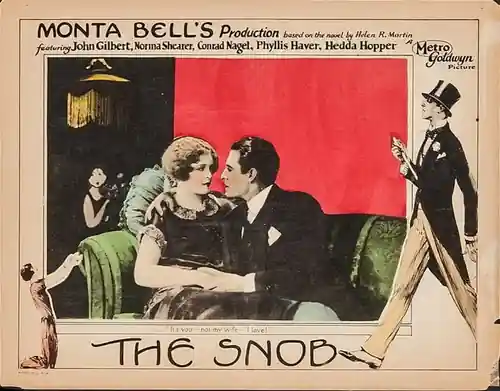
The camera lingers on her features with a reverence that borders on the hagiographic, yet the lighting, often harsh and unforgiving during the roadhouse sequences, reminds the viewer of the social abyss waiting to swallow her. Shearer’s Nancy is a woman who understands that in the eyes of her peers, her father’s disgrace is her own. The decision to vanish is not an act of cowardice but a tactical retreat in a war of social attrition. Unlike the protagonists in The Caprices of Kitty, Nancy does not have the luxury of whimsy; her every move is dictated by the gravity of her circumstances.
Opposite Shearer, John Gilbert provides a performance of unexpected depth. While history often remembers Gilbert through the lens of his later 'Great Lover' persona, The Snob allows him to inhabit a space of yearning and frustration. As Herrick, the sweetheart left in the wake of Nancy’s disappearance, Gilbert embodies a masculine ideal that is being tested by forces beyond his control. His search for Nancy is less a romantic quest and more a desperate attempt to stitch back together the fabric of a world that has unraveled. There is a kinetic energy to Gilbert’s movements, a restlessness that mirrors the frantic pace of a society moving too fast for its own moral compass.
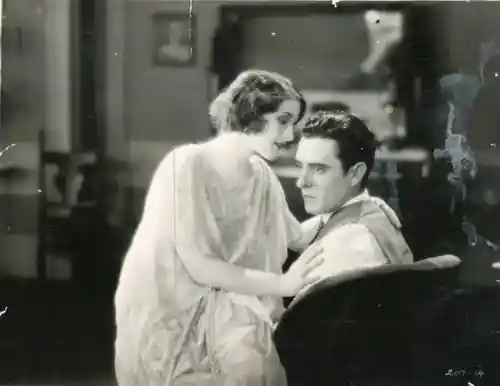
The chemistry between Shearer and Gilbert is palpable, even through the silent medium. Their interactions are characterized by a profound sense of 'what might have been,' a theme that resonates deeply in the post-Great War landscape. When compared to the more traditional romantic tropes found in The Happy Warrior, the relationship in The Snob feels jagged and precarious. It is a love story filtered through the lens of shame, making every shared glance a moment of both connection and condemnation.
Monta Bell, a former collaborator of Charlie Chaplin, brings a level of nuance to the direction that was rare for the period. He avoids the heavy-handed moralizing that plagued many contemporary dramas like Sons of the Soil. Instead, Bell utilizes the mise-en-scène to tell the story of Nancy’s displacement. The contrast between the sterile, orderly environment of the convent and the chaotic, smoke-filled atmosphere of the roadhouse is achieved through masterful art direction and cinematography. The roadhouse brawl itself is choreographed with a visceral intensity that predates the gritty realism of later noir films. It is a shocking intrusion of violence into a world of lace and privilege.
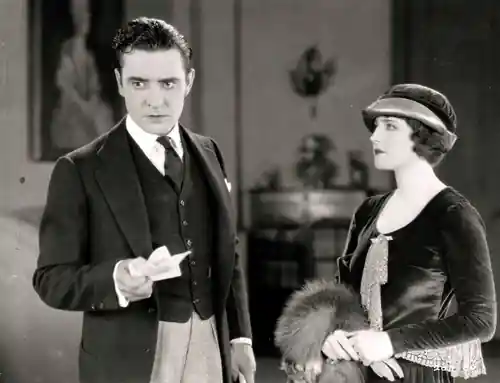
The pacing of the film is equally deliberate. Bell understands the power of silence within a silent film—the moments where the absence of action speaks volumes about the characters' internal states. The sequence of Nancy’s disappearance is handled with a ghost-like ethereality. She doesn't just leave; she evaporates. This stylistic choice elevates the film from a standard melodrama to something more akin to a psychological thriller. The search conducted by Herrick is framed as a descent into the urban labyrinth, a visual metaphor for the loss of social identity that mirrors the existential wandering in Peer Gynt.
The title, The Snob, is a brilliant piece of misdirection. While it initially seems to refer to the upper-class characters who shun Nancy, it eventually reveals itself as a critique of the very concept of social worth. The film posits that snobbery is a form of spiritual blindness—a failure to see the human soul beneath the layers of reputation and wealth. In this regard, the film is a spiritual cousin to A Corner in Cotton, which similarly dissected the moral rot at the heart of American industry and social climbing.
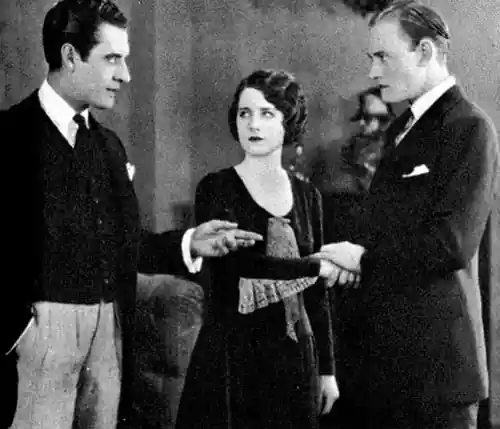
Furthermore, the film explores the burden of paternal legacy. Sherwood Claxton’s death is the catalyst, but his life—implied to be one of hidden vices and reckless abandon—is the true weight Nancy must carry. The film asks whether a child can ever truly escape the sins of the father. This was a radical question for 1924, a year more often associated with the superficial glitz of the flapper era than with deep-seated familial trauma. The inclusion of cast members like Hedda Hopper and Conrad Nagel adds layers of professional polish, ensuring that even the secondary characters feel like fully realized participants in this social tragedy rather than mere archetypes.
From a technical standpoint, the film is a marvel of mid-20s craftsmanship. The use of double exposures and creative transitions highlights the fractured nature of Nancy’s reality. The cinematography captures the textures of the era—the heavy velvets, the cold stone of the convent, the shimmering surface of a glass of bootleg liquor. These details create a world that feels lived-in and tactile. Unlike the often flat lighting of films like Sure-Fire Flint, The Snob employs shadows to create a sense of impending doom and moral ambiguity.
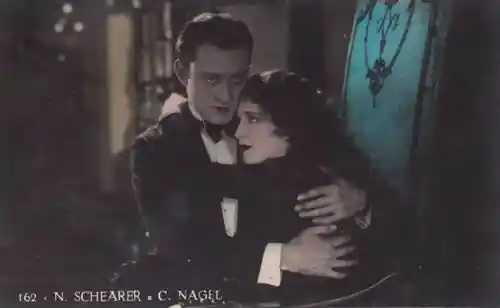
The intertitles, often a weak point in silent cinema, are handled here with poetic restraint. They do not merely describe the action but provide insight into the characters' inner monologues, much like the sophisticated writing found in Bachelor Apartments. This allows the audience to engage with the film on an intellectual level as well as an emotional one. The writing by Helen Reimensnyder Martin and Monta Bell himself ensures that the dialogue—though unspoken—carries the weight of social critique and personal anguish.
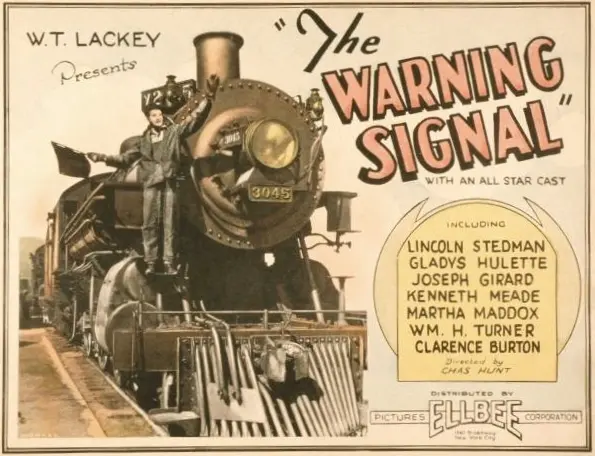
To view The Snob today is to witness the birth of the modern dramatic form. It is a film that refuses easy answers and avoids the saccharine endings common to its contemporaries. Nancy’s journey is not one of a simple return to her former life; she is forever changed by her experiences. The final act of the film is a testament to the resilience of the human spirit in the face of systemic cruelty. It stands alongside works like Richard the Lion-Hearted in its exploration of character under extreme pressure, though Bell’s film is far more concerned with the internal landscape than the external spectacle.
In the broader context of 1920s cinema, The Snob remains a vital artifact. it captures a moment of transition for its stars and for the industry at large. It is a sophisticated, haunting, and deeply moving exploration of class, shame, and the search for identity. For those interested in the evolution of film as an art form, it is an essential viewing experience, offering a glimpse into the soul of an era that was as beautiful as it was broken. It is a reminder that even in the silent era, cinema was capable of articulating the most complex and quietest of human sorrows with breathtaking clarity.
IMDb 6.8
1931
Community
Log in to comment.