
DbcultAccessing Vault...
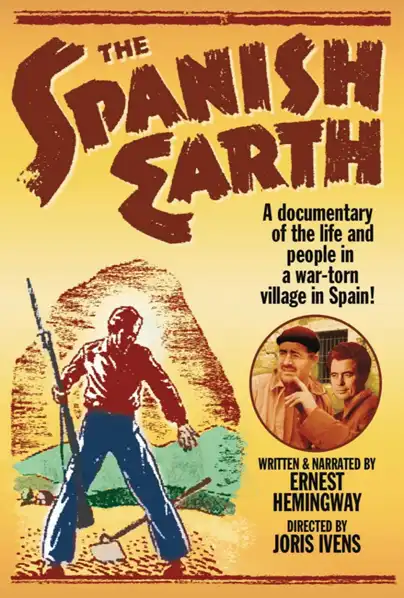
A definitive 6.5/10 rating for a film that redefined the boundaries of cult cinema. The Spanish Earth remains a cornerstone of transgressive art.
If you like documentaries that feel like they were dragged through the mud, then yes. This is for people who want to see history while it’s still bleeding, not people who want a tidy explanation. If you’re looking for a smooth, narrated history lesson with nice maps and calm experts, you’ll probably find this frustratingly jagged.
Ernest Hemingway narrates this thing, and his voice is exactly what you expect. It’s gravelly, deliberate, and sometimes just a bit too heavy for the images. You can tell he’s trying to capture the gravity of the situation, but sometimes he just sounds like he’s trying to out-tough the artillery fire.
The movie isn't interested in being a slick production. There are long stretches where you’re just watching peasants move dirt to build an irrigation ditch. It’s surprisingly hypnotic. You’ve got the threat of fascism looming over the horizon, and these people are just worried about water for their crops. That contrast? It’s better than any speech.
The camera work has this loose, handheld energy that makes you feel like you’re standing right there in the dust. It reminded me a bit of the frantic, ground-level energy you see in Unseen Enemies, though they are completely different beasts. There’s no polish here. It’s just life happening while the world tries to tear itself apart.
It’s not a masterpiece of technical filmmaking, and it doesn't try to be. It feels like a dispatch. It’s raw. Sometimes the edit is a bit confusing, like they just stitched together whatever footage they managed to smuggle out of the trenches. Honestly, that only makes it feel more real. It doesn't have the glossy, over-produced feel of a modern doc. It’s just... here it is. Look at it. 🇪🇸