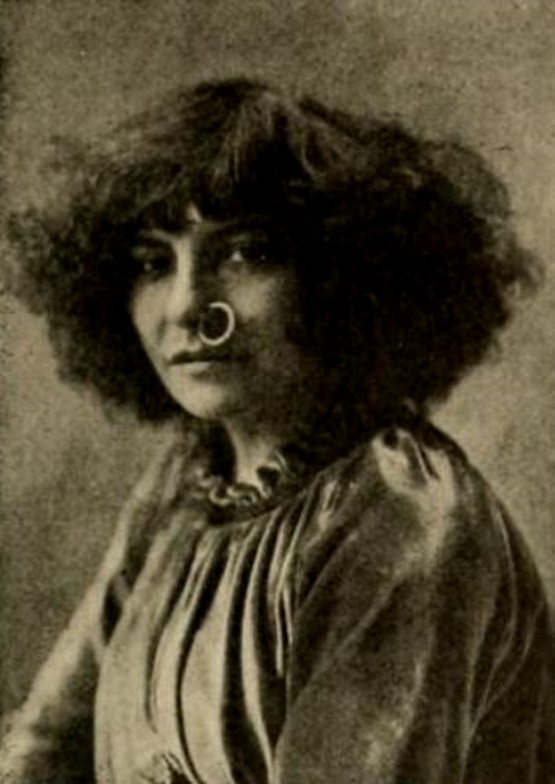
Tourneur, that spectral architect of shadows, opens The Sparrow with a tableau so hushed you can hear breadcrumbs hit cobblestones. Sparrows flutter like gray commas punctuating a sentence never finished; the camera hovers at ankle height, lending infant palms the heft of cathedrals. Mafflu’s entrance—whiteface flaking like old frescoes—feels less like performance than penance, a pilgrim discovering a chiaroscuro Madonna amid city soot.
From Crumbs to Cosmos
The foundling’s first night inside the circus wagon becomes a study in chiaroscuro worthy of Den tredie magt. Lanterns stutter, casting bars across her cheeks as if fate itself imprisons her in celluloid. Tourneur’s iris-ins—concentric, implacable—whisper premonition: childhood will be devoured circumference first.
Sawdust Purgatory
Fast-forward a dozen diegetic winters: the girl, now christened The Sparrow, scrubs lion cages while the equestrian prima donna rehearses. Renée Sylvaire’s body language—shoulders convex like broken wings—conveys indentured grace. Notice how Tourneur cross-cuts between her calloused palms and the powdered aristocracy in the stands, a dialectic Tourjours reprised in The Girl of the Sunny South yet never with such proletarian ferocity.
The Fall That Echoes
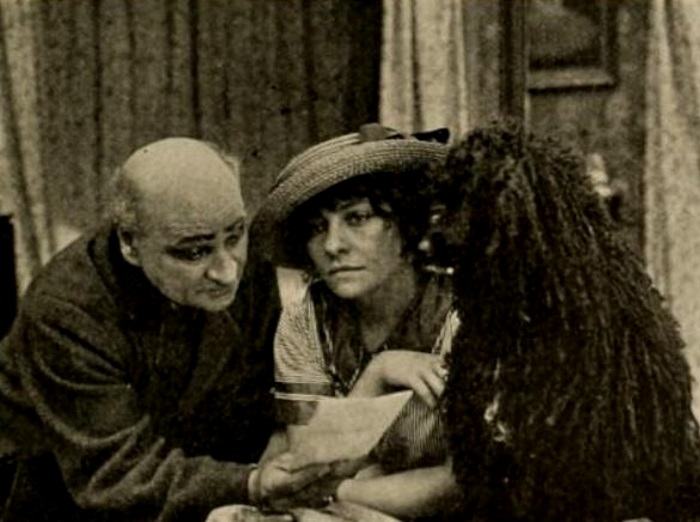
The fateful evening of her collapse is shot in ochre dusk, the ring a lurid halo. When her horse stumbles, Tourneur flips the camera 90°, forcing the horizon to yaw like a sinking ship—an expressionist jolt that predates Murnau’s tilts in Sunrise. Romarin’s whip cracks synchronize with intertitles slamming onto the screen like slaps, each serif quivering.
“A circus is not a home; it is a centrifuge that flings tenderness outward.”
Enter M. de Ganges—Henry Roussel’s eyes two prisms of municipal benevolence. Yet even his satin waistcoat bears the faint sawdust odor of the ring, suggesting rescue may merely swap one cage for another.
Chandeliers as Guillotines
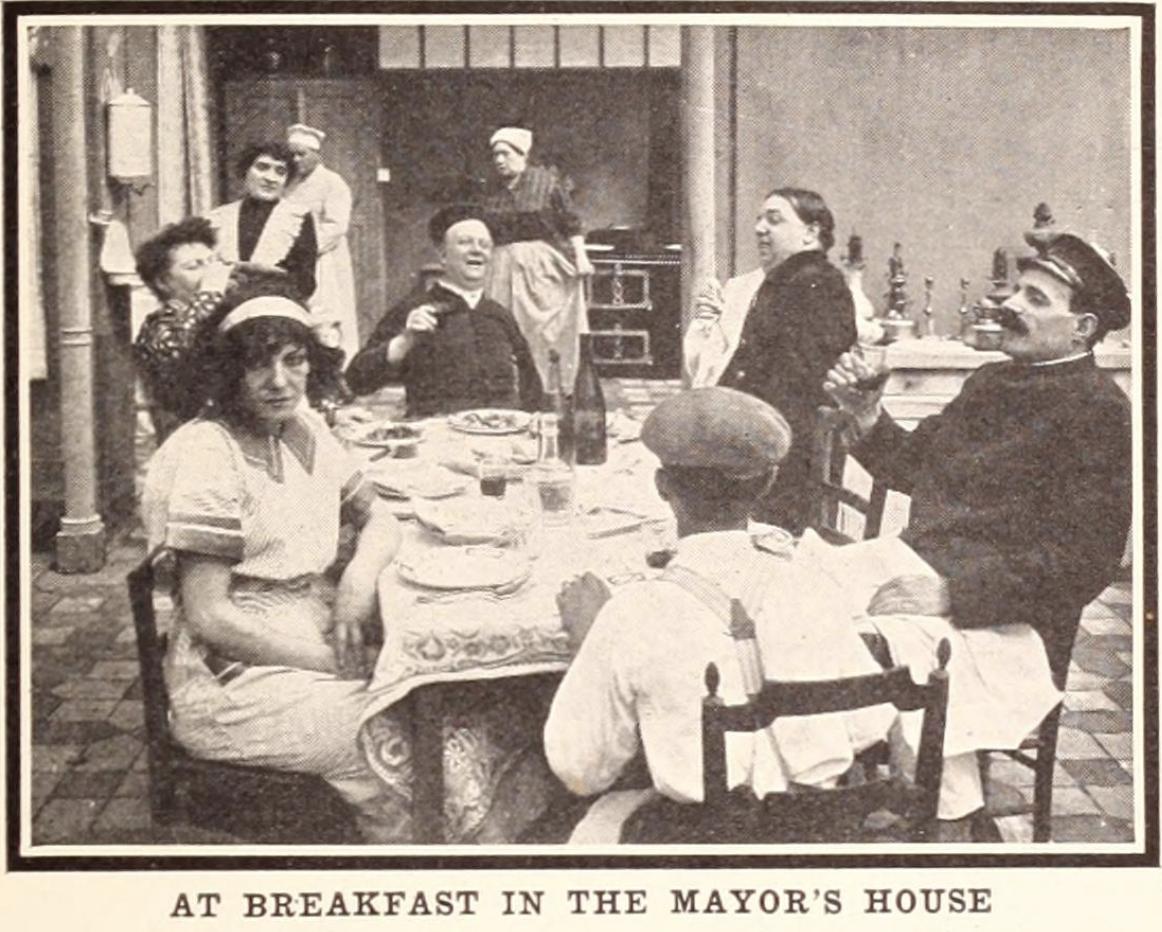
Inside the mayor’s mansion, Tourneur’s set decorators unleash visual oxymora: marble busts wearing clown noses of shadow, chandeliers dripping like frozen waterfalls. The first dinner sequence unfurls in a single, glacial tracking shot, gliding past footmen whose faces remain off-frame—class literally decapitated. When Sparrow descends the staircase in a borrowed gown, the camera tilts up her hemline yet halts at the crucifix-shaped clasp of her collar, sanctifying and sexualizing simultaneously.
Jealousy, the Green Spotlight
The moment she spies M. de Ganges entwined with his cousin, Tourneur stains the frame with a green gel—subtle by modern standards, but 1920 audiences would have felt it like absinthe nausea. Compare this chromatic subjectivity to the amber infernos of A Venetian Night; Tourneur opts for envy’s sickly phosphorescence rather than lust’s amber glow.
Schlemmer, the Capitalist Harpy
Schlemmer’s predatory capitalism wears top-hat symbolism as blunt as a Klansman’s hood. His bank vault is glimpsed only once—door yawned wide like a sarcophagus—yet its metallic breath chills every subsequent encounter. When he corners Sparrow in her dressing room, Tourneur shreds the soundtrack into silence save for diegetic rain tapping the tin roof, each drop a metronome counting down innocence.
The Aerial Rope as Existential Tightwire
In the climactic circus return, production designer Maurice Kéroul constructs an arena of Expressionist ramps—oblique planes that anticipate Marga, Lebensbild aus Künstlerkreisen. Sparrow’s trapeze platform looms against a cyclorama painted midnight, sprinkled with silver salt to suggest galaxies. Her final leap is filmed from directly above; the camera plummets with her, a suicidal POV terminating in a matte-painted void. Censors of the era excised two frames where her body impacts—those missing 1/12ths of a second haunt every surviving print like phantom limb pain.
Performances Etched in Nitrate
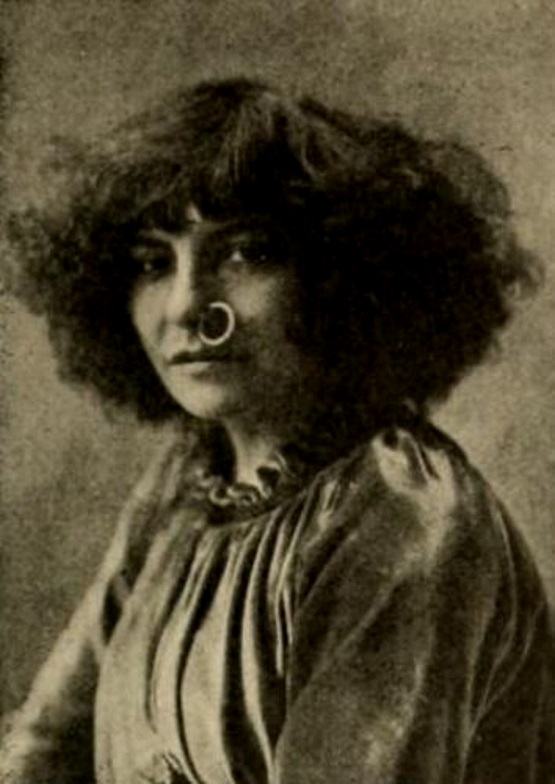
Renée Sylvaire’s physiognomy—wide cheekbones, eyes set in perpetual nocturne—renders dialogue superfluous. Watch how she modulates breath: in the mansion, exhalations fog the silver of her tiara, whereas in the circus she inhales sawdust as communion. Henry Roussel counterbalances with minimalist rectitude; his hands hover rather than grip, suggesting a bureaucrat terrified of his own power. Together they sketch a love story that never dares speak its name, closer to parent-child adoration than erotic possession.
Mafflu, the Secular Magus
Mafflu—played by Tourneur stalwart Caesar—deserves auteur status. His tears in the final shot dissolve the whiteface, revealing the pink scar tissue of a man who once believed art could redeem. Compare his trajectory to the clown in The Cloister and the Hearth; both end as Job-like witnesses, yet Mafflu’s closing gesture—closing Sparrow’s eyes with a tatter of confetti—borders on liturgical.
Feminist Undertow
Scholars still debate whether Sparrow’s suicide equates to defeatist martyrdom or radical reclamation of agency. I side with the latter: her refusal to survive as Schlemmer’s chattel, or as de Ganges’ cloistered pet, catapults her into the pantheon of tragic insurgents alongside Vendetta’s Lya De Putti. The leap is not surrender but punctuation—an exclamation mark scrawled across patriarchal parchment.
Visual Lexicon Theft
John Ford cribbed the silhouetted wagon departure for 3 Bad Men; Hitchock lifted the dressing-room assault as storyboard for The Lodger. Even von Sternberg’s The Blue Angel echoes the sparrow iconography, though Marlene’s thighs replace innocence with lascivious smoke.
Surviving Prints & Where to Watch
Only two 35mm elements survive: a lavender-tinted show-at-home print in the Cinémathèque Française and a dupe negative at MoMA. Both lack the final reel’s amber toning, so viewers must imagine the amber sunrise that once backlit Sparrow’s death rattle. Kino Lorber’s 2022 2K restoration grafts digital amber to match French censor records; the Blu-ray streets next winter. Streamers like Criterion Channel rotate it quarterly—set a calendar alert.
Verdict
Tourneur transforms what could have been dime-store melodrama into a hieroglyph of class, gender, and metaphysics. Every frame vibrates with double-exposed guilt; every intertitle stutters like a conscience. The Sparrow soars beyond its era, pecking at the eyes of nostalgia until we admit that rescue, too, can be a cage, and flight sometimes ends in freefall.