DbcultAccessing Vault...
Cult Review
Senior Film Conservator
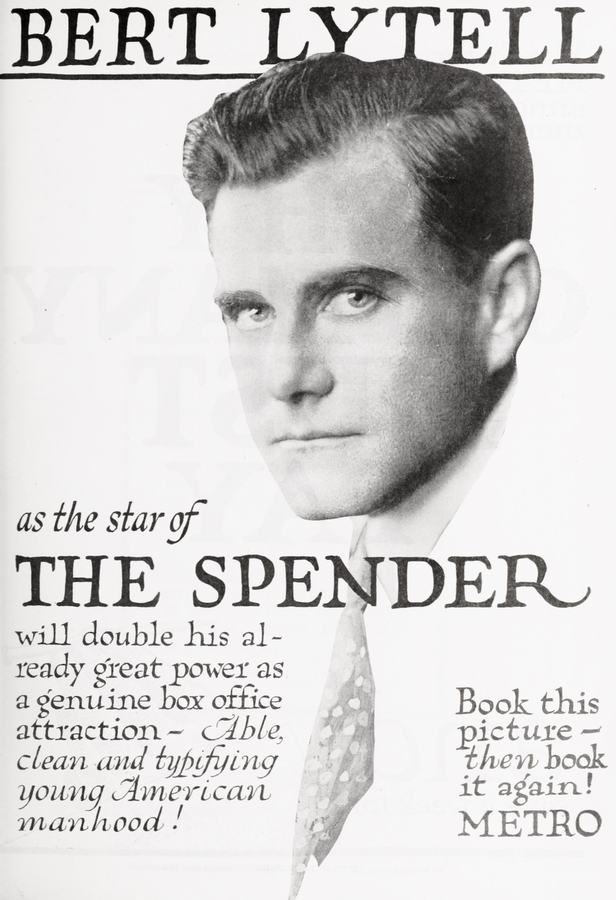
Stepping back into the nascent years of cinematic storytelling, 1919 offered audiences a compelling morality play in the form of George D. Baker's The Spender. This silent film, though over a century old, pulsates with themes that remain strikingly pertinent in our contemporary discourse on wealth, responsibility, and the true meaning of a life well-lived. It’s a fascinating glimpse into the social anxieties and aspirational ideals of its era, filtered through the dramatic lens of early Hollywood. What truly elevates this picture beyond a mere historical curiosity is its nuanced exploration of character transformation and the ripple effect of individual choices.
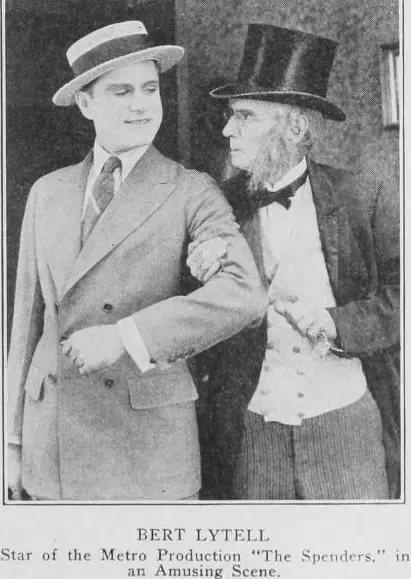
At the narrative's fulcrum stands Dick Bisbee, portrayed with a compelling blend of youthful idealism and righteous indignation by the ever-reliable Bert Lytell. Lytell, a prominent figure of the silent screen, imbues Dick with an earnestness that makes his character immediately sympathetic. We witness his initial struggle within the confines of his millionaire uncle T. W. Bisbee's factory, a workplace poisoned by the insidious hostility of the manager, Elmer Robbins. Robbins, a character whose moral bankruptcy is evident from his first appearance, embodies the darker side of unchecked ambition and corporate malfeasance. His machinations lead to Dick's unjust dismissal, a moment that, rather than crushing Dick's spirit, ignites a powerful moral conviction within him.
It is in this pivotal scene that Dick delivers the film's most memorable and resonant line: a direct denunciation of his uncle's miserly ways, punctuated by the stark reminder that 'there are no pockets in a shroud.' This aphorism, delivered with Lytell’s characteristic intensity, serves not only as a profound statement on the futility of hoarding wealth but also as the dramatic catalyst for the entire narrative. It’s a bold challenge to the prevailing capitalist ethos of the time, suggesting that true value lies not in accumulation, but in purpose and distribution. This confrontation sets the stage for a remarkable transformation, not just for T.W., but for the ethical landscape of the entire Bisbee enterprise.
Thomas Jefferson, in the role of T. W. Bisbee, masterfully navigates the complex arc of a man shackled by his own wealth. Initially presented as a figure of detached parsimony, T. W. embodies the stereotypical rich uncle whose vast fortune brings him little joy and even less connection to humanity. Jefferson’s performance, relying on the exaggerated yet expressive gestures common to silent film acting, effectively conveys T. W.’s initial emotional barrenness. His transformation, however, is gradual and believable, spurred by Dick’s piercing words. The film deftly portrays the internal struggle of a man confronted with his own mortality and the emptiness of his existence. This is not an overnight epiphany, but a dawning realization that the true measure of a life is not its balance sheet, but its impact.
Under Dick’s gentle but firm guidance, T. W. begins to tentatively step away from his miserly habits, discovering the simple pleasures of spending and generosity. This shift is beautifully depicted, highlighting the liberating power of loosening one’s grip on material possessions. It’s a narrative echoed in countless tales of redemption, from Dickensian parables to more contemporary explorations of avarice. The film suggests that true happiness often lies not in what one possesses, but in what one shares. This theme of moral awakening and the re-evaluation of life's priorities resonates deeply, drawing parallels with other works that scrutinize the corrosive effects of unchecked greed, perhaps even subtly hinting at the broader societal reflections found in films like God, Man and the Devil, where moral choices dictate destiny.
Rosemary Theby, as Helen, Stetson's daughter and Dick's burgeoning love interest, provides a crucial layer of moral clarity and aspirational vision to the narrative. Her character is not merely a romantic foil; she is an embodiment of practical idealism. After Dick finds solace and companionship in the home of his friend, the honest bookkeeper Stetson, his connection with Helen blossoms. It is Helen’s overheard musings on what she would do with T. W.’s vast fortune – her vision of philanthropic endeavors and community betterment – that truly solidifies T. W.’s transformation. Her words act as a blueprint, providing a tangible direction for his newfound generosity. Theby portrays Helen with a quiet dignity and intelligence, making her influence feel organic and profound rather than manipulative.
Helen represents the selfless application of wealth, contrasting sharply with T. W.’s earlier hoarding and Robbins’ outright embezzlement. Her perspective introduces the idea that money, when wielded with compassion and foresight, can be a powerful force for good. This notion of a virtuous character inspiring change in a wealthy benefactor is a recurring motif in storytelling, and The Spender executes it with a charming sincerity. It’s a testament to the film's belief in the inherent goodness of people and the transformative power of empathy, much like the innocent virtue often found in narratives like Sally in Our Alley, where the purity of heart can sway even the most jaded.
No morality play is complete without its villain, and William V. Mong’s Elmer Robbins fills this role with sinister aplomb. Robbins is the antithesis of everything Dick, Helen, and ultimately the reformed T. W. represent. He is the personification of corrupt management, driven by self-interest and a disregard for ethical conduct. His hostility towards Dick is not merely personal; it’s a symptom of a deeper rot, a predatory instinct that seeks to exploit and control. Mong’s performance, while adhering to the broader strokes of silent film villainy, effectively conveys the character’s duplicity and his eventual comeuppance feels earned and satisfying.
The narrative’s resolution sees Robbins’ embezzlement exposed and him justly arrested. This serves a dual purpose: it cleanses the Bisbee factory of its corrupt element, allowing for a more ethical and benevolent management structure, and it reinforces the film’s overarching message that integrity ultimately triumphs over deceit. The downfall of Robbins is not just a plot point; it’s a symbolic victory for the moral order that Dick and Helen champion. It’s a clear delineation between good and evil, a common trope in the cinema of the period, providing audiences with a clear moral compass and a sense of justice restored, much like the clear-cut antagonists in films such as The Mark of Cain, where wrongdoing inevitably leads to consequences.
George D. Baker’s direction of The Spender is characterized by a straightforward yet effective storytelling approach, typical of the era. The visual language of silent film, relying heavily on expressive acting, elaborate sets, and carefully crafted intertitles, is fully utilized here. The sets effectively distinguish between the opulent yet sterile environment of T. W.’s initial existence and the warmer, more humble abode of Stetson and Helen. The factory scenes, though perhaps not groundbreaking in their realism, serve their purpose in establishing the backdrop for corporate intrigue.
The cinematography, while not employing the complex camera movements or innovative editing of later periods, is competent and clear, allowing the audience to follow the narrative beats and emotional shifts with ease. The use of close-ups, though perhaps less frequent than in subsequent decades, effectively draws attention to the subtle facial expressions that were so vital to silent acting. The intertitles, far from being mere dialogue placeholders, often serve as narrative devices, delivering key philosophical statements like Dick’s 'no pockets in a shroud' line, which becomes the film’s moral anchor. This blend of visual storytelling and textual exposition creates a cohesive and engaging experience, even for modern viewers unaccustomed to the silent film format.
At its core, The Spender is a meditation on the nature of wealth and its ethical implications. It challenges the purely acquisitive mindset, advocating instead for a philosophy of generosity and social responsibility. The transformation of T. W. Bisbee from a miserly accumulator to a benevolent benefactor serves as the film’s central moral argument. It’s a powerful statement that material prosperity, without a corresponding sense of purpose or a willingness to share, ultimately leads to spiritual impoverishment.
The film’s resolution – with Stetson elevated to manager and Dick made a partner – symbolizes not just personal triumphs but a systemic shift towards a more ethical business model. It suggests that a company can thrive not just through profit maximization, but through integrity and a commitment to its employees and community. This progressive vision, articulated over a century ago, remains remarkably relevant in an age where corporate social responsibility is a constant topic of debate. The enduring appeal of such narratives lies in their universal applicability; the struggle between self-interest and altruism, the pursuit of material gain versus spiritual fulfillment, are human dilemmas that transcend any particular era.
In a broader context, The Spender stands as a testament to the early cinema's capacity for moral instruction wrapped in engaging melodrama. It’s a reminder that even in its infancy, film was a potent medium for exploring complex human experiences and societal values. Its simple yet profound message about the true value of wealth, and the importance of using one's resources for the greater good, ensures its place as a thought-provoking classic of the silent era.
Watching The Spender today is more than just an exercise in cinematic archaeology; it's an opportunity to reflect on timeless questions. How do we define success? What is our responsibility to others when we possess abundance? The film, through its compelling characters and clear narrative arc, offers answers that are as compelling now as they were in 1919. It’s a film that quietly champions the power of an individual to instigate profound change, reminding us that even the most hardened hearts can be softened by a dose of truth and a vision of a more generous world. For anyone interested in the evolution of cinematic storytelling, or simply in a narrative that champions human decency and the transformative power of a shift in perspective, The Spender remains a compelling and ultimately uplifting experience. Its narrative of redemption and the ethical deployment of wealth ensures its enduring relevance, proving that some stories, much like the human spirit they explore, never truly fade.
IMDb —
1922
Community
Log in to comment.