DbcultAccessing Vault...
Cult Review
Senior Film Conservator
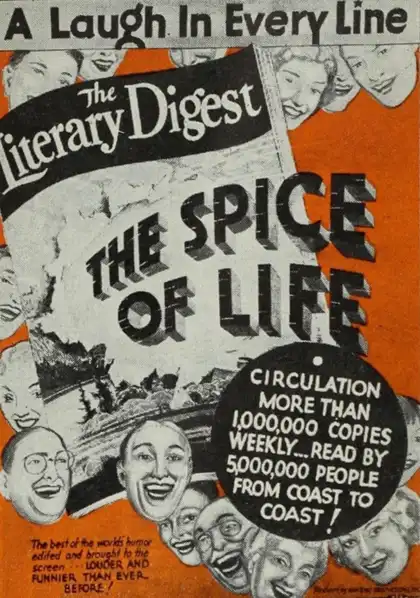
If you have six minutes to spare and want to feel like your brain is slowly melting into a puddle of 1920s newspaper ink, then yes, The Spice of Life No. 2 is worth your time. Otherwise, anyone looking for an actual plot or, you know, moving actors will absolutely despise this. 🤷♂️
Its basically a slideshow of bad puns and printing mistakes.
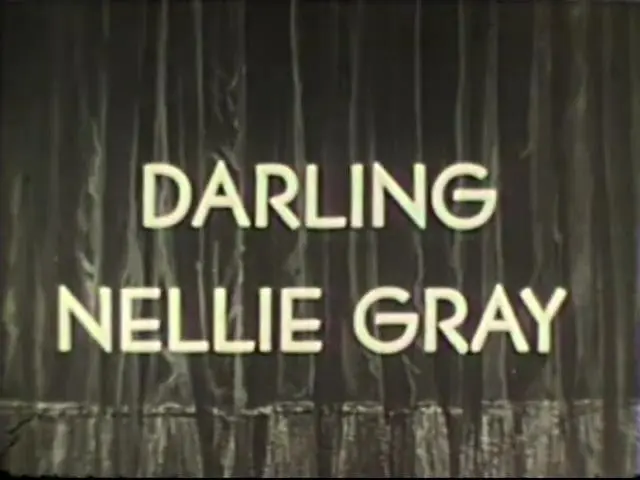
The whole thing is hosted by this guy named Doc Rockwell. He stands there in front of a curtain with a weirdly intense grin that makes you feel slightly unsafe.
He introduces the "jokes" which are just clippings from the old Literary Digest magazine. You literally just read them off the screen while some generic music plays.
I found myself staring at the background more than the text. The set looks like it was built in about twenty minutes using leftover cardboard from The Detectress.
Then come the typographical errors from old newspapers. Honestly? Some of the typos are actually kind of funny in a stupid way.
One of them about a wedding announcement gone wrong made me snort my tea. ☕
But the pacing of the text slides is so *odd*. A joke card stays on screen just a second too long, forcing you to read it three times until the words lose all meaning.
You start questioning your own reading comprehension. It realy feels like scrolling through a very old, very dusty social media feed of someone's great-grandpa.
Milton Schwarzwald put this together, and you can tell he just wanted to get home for dinner. There is zero cinematic effort here, but that is kind of why i like it.
It has that same chaotic, cheap energy you find in other early talkie experiments like Troopers Three, where nobody really knew what they were doing with microphones yet.
Doc Rockwell comes back at the end to wave goodbye. His smile hasn't changed a bit, which is deeply unsettling.
I don't know who cleared this for theater release back then, but I am glad they did. It is a weird little time capsule of what passed for "content" before the internet existed.
Year
1934
IMDb Rating
—

Editorial
Deciphering the legacy of transgressive cult cinema.
Community
Log in to comment.