DbcultAccessing Vault...
Cult Review
Senior Film Conservator
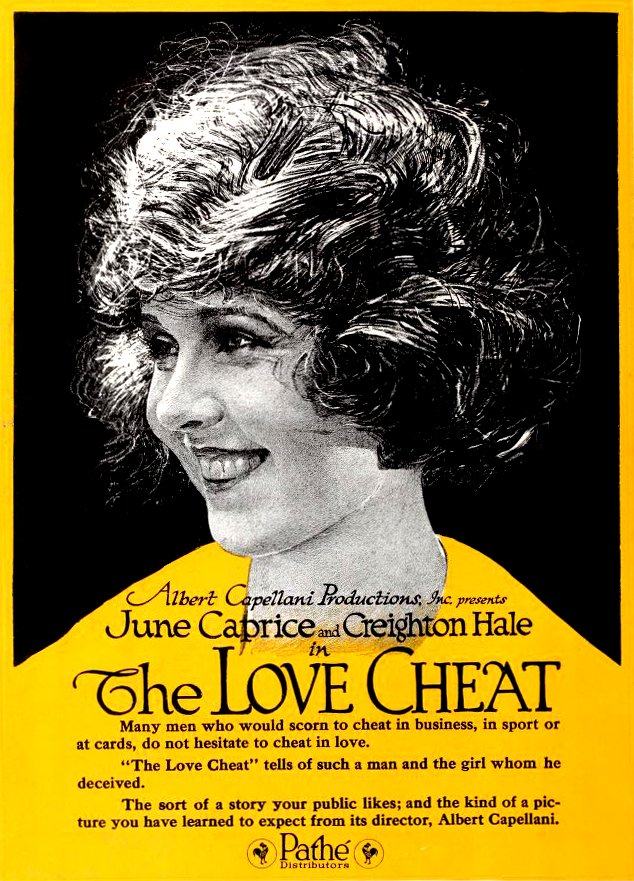
Step into the flickering glow of early cinema, and you’ll find that the human heart, with all its complexities, desires, and moral quandaries, remains a constant. Such is the enduring power of a film like The Love Cheat, a cinematic gem from an era defined by grand gestures and the expressive silence of its performers. This 1919 feature, penned by the insightful duo of Peggy McCall and Tristan Bernard, delves into a narrative arc that, despite its century-old vintage, resonates with an uncanny contemporary relevance. It’s a story about the perilous dance between aspiration and authenticity, the societal pressures that often compel us to present a curated version of ourselves, and the ultimate, redemptive triumph of unvarnished truth.
At its core, The Love Cheat introduces us to Henry, a character whose very existence is a poignant illustration of the artist’s struggle. Hailing from the bohemian enclaves of Greenwich Village, Henry is a painter, a dreamer whose canvases are rich with potential, but whose pockets echo with a distinct lack of coin. His world is one of artistic idealism, a stark contrast to the gilded cages of high society. The film masterfully establishes this dichotomy early on, setting the stage for a collision of worlds that forms the narrative’s central engine. Henry’s accidental discovery of an invitation to Louise Gordon’s coming-out party isn't just a plot device; it’s a symbolic summons, an unexpected pass into a realm he simultaneously yearns for and feels entirely ill-equipped to navigate.
His decision to attend the soirée, a bold act of social trespass, is driven not by malice but by a nascent curiosity, a yearning for something more, perhaps even a subconscious desire to escape the confines of his own humble reality. It is within the opulent ballroom, amidst the glittering chandeliers and the hushed murmurs of the elite, that Henry's destiny takes a decisive turn. He encounters Louise Gordon, a socialite whose beauty and grace immediately ensnare his artistic sensibility and, more profoundly, his heart. The film excels in portraying this instant connection, relying on the nuanced performances of June Caprice as Louise and Creighton Hale as Henry to convey the unspoken language of burgeoning affection typical of the silent era. Their gazes, their subtle gestures, speak volumes, communicating a chemistry that transcends the lack of spoken dialogue.
Yet, this blossoming romance is quickly overshadowed by Henry’s stark self-awareness. He is an artist, not a magnate; his aspirations are grand, but his present circumstances are undeniably modest. The chasm between his world and Louise’s becomes painfully apparent, a barrier erected not by personal failing but by societal convention. This internal conflict is a powerful undercurrent throughout the early acts, lending Henry a relatable vulnerability. He makes the difficult, albeit honorable, decision to withdraw, believing his financial standing is simply not 'up to standards' for a woman of Louise's stature. This moment of self-sacrifice is crucial, establishing Henry as a character of inherent integrity, even if that integrity is soon to be tested.
It is at this critical juncture that an old friend, recognizing Henry, intervenes with counsel that, while perhaps well-intentioned, sets the stage for the film’s central conflict. Encouraged to fabricate a more impressive persona, Henry is nudged into the dangerous territory of pretense, convinced that a lie about his professional success is the only path to retaining Louise’s affection. This scene is a fascinating exploration of peer pressure and the ease with which one can be swayed when deeply emotionally invested. The friend’s advice isn't malicious; it’s a reflection of societal values, where financial prosperity often equated to worthiness and eligibility. This theme of social posturing and the performative nature of identity echoes in other cinematic works of the period, and indeed, resonates even today.
The deception, once embraced, quickly takes root. Henry, now masquerading as a successful businessman, finds himself drawn deeper into Louise’s world, the illusion of his prosperity cementing their bond. Engagement plans swiftly follow, a testament to the effectiveness of his charade, but also a tightening noose around his conscience. This period of false happiness is depicted with a palpable tension. One can almost feel the weight of the lie pressing down on Henry, a constant companion to his joy. The performances here, particularly from Creighton Hale, are critical in conveying Henry’s internal struggle – the fleeting moments of bliss undercut by the gnawing guilt. He is living a dream, but it's a dream built on quicksand.
The film subtly portrays the insidious nature of deceit. What begins as a seemingly innocuous white lie to overcome a social barrier quickly morphs into a suffocating burden. Henry’s conscience, a moral compass that refuses to be silenced, eventually catches up with him. The realization that his entire relationship with Louise is predicated on a falsehood becomes unbearable. This pivotal shift from deception to confession is handled with a delicate touch, emphasizing the profound moral quandary Henry faces. He knows that confessing risks everything, yet the alternative – living a perpetual lie – is an even greater torment.
In a courageous act of self-purging, Henry pens a letter to Louise, laying bare the full extent of his deceit. This letter, a physical manifestation of his guilt and his desperate desire for honesty, serves as the narrative’s turning point. It’s a moment of profound vulnerability, a gamble that could cost him everything he holds dear. The tension of Louise receiving and reading this confession would have been expertly conveyed through the facial expressions and body language of June Caprice, allowing the audience to feel the weight of the revelation alongside her.
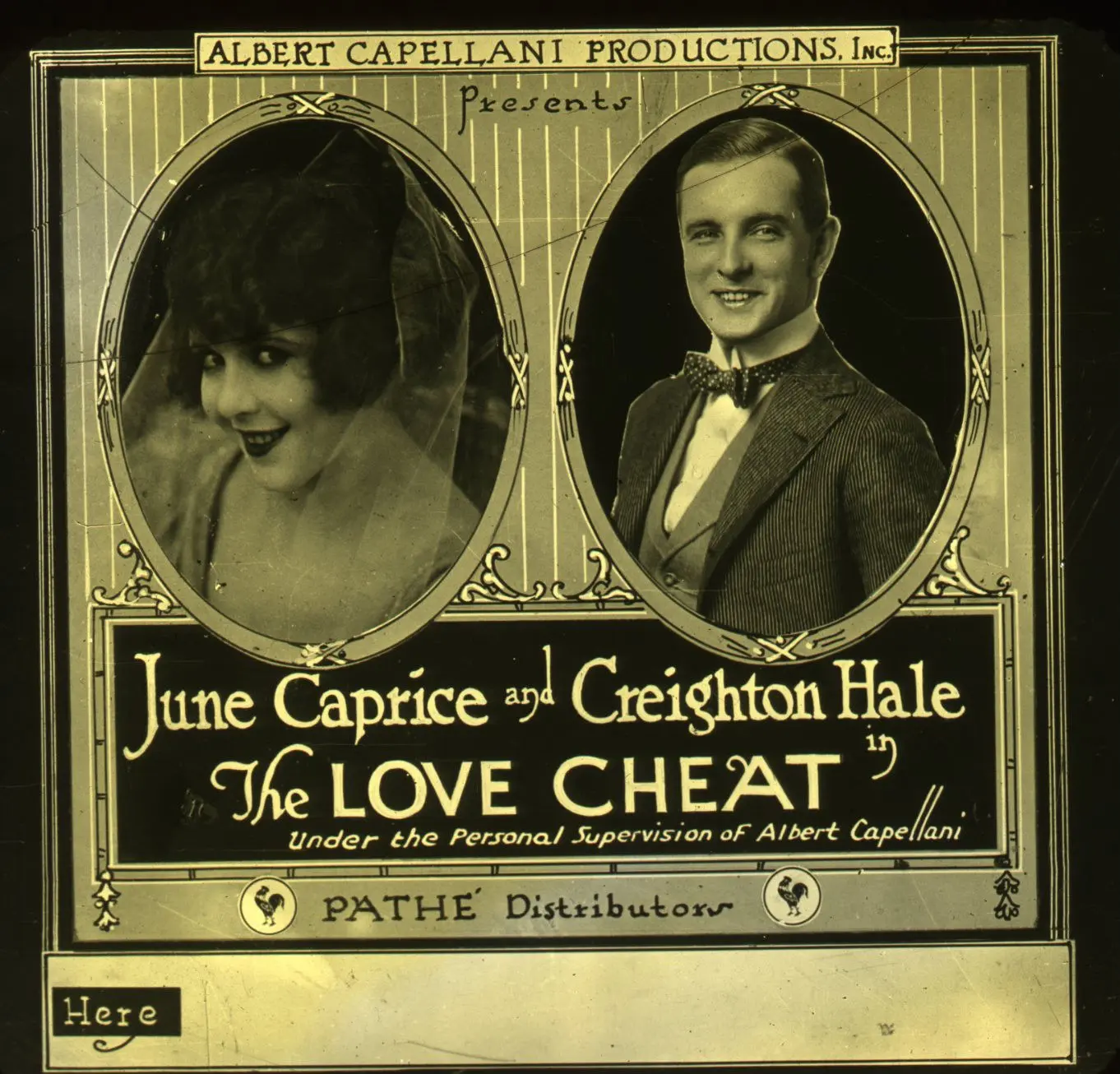
The subsequent meeting between Henry and Louise is the emotional climax of the film. Here, Henry, stripped of his fabricated persona, stands before her as his true self – a struggling artist, but a man of integrity. He confesses not only his past prevarication but, more importantly, the genuine, unadulterated love he harbors for her. This raw honesty, this willingness to risk losing her for the sake of truth, is what ultimately proves transformative. Louise, initially perhaps shocked or hurt by the deception, is profoundly impressed by his candor. It is in this moment of vulnerability, of unvarnished truth, that Henry's true worth shines through, far eclipsing any superficial measure of wealth or social standing.
The resolution is deeply satisfying and profoundly humanistic. Louise, recognizing the depth of Henry’s character and the authenticity of his love, makes a bold decision. She breaks off her engagement to another suitor, a decision that would have carried significant social implications in that era, choosing instead to marry Henry. This act is a powerful testament to the film's central message: that true love is built on honesty, and genuine character ultimately triumphs over superficial appearances. The ending isn't just a happy one; it's a triumphant vindication of integrity and the belief that love, when rooted in truth, can overcome societal barriers and personal failings.
The performances in The Love Cheat are, as expected for the silent era, characterized by a heightened expressiveness that conveys emotion without words. June Caprice, as Louise Gordon, embodies the elegant socialite with a grace that makes her eventual embrace of Henry’s true self all the more impactful. Her portrayal moves beyond mere beauty, suggesting an inner depth and a discerning spirit that values authenticity over status. Creighton Hale, as Henry, delivers a nuanced performance, oscillating between the hopeful artist, the conflicted deceiver, and finally, the redeemed lover. His facial expressions and body language are crucial in depicting Henry's internal journey, making his struggle and eventual honesty feel deeply earned.
The supporting cast, including Jessica Brown, Charles Coleman, Alfred Hickman, Edwards Davis, and Katherine Johnston, contributes to the rich tapestry of the narrative, each playing their part in either facilitating the deception or reacting to its consequences. While specific roles might not be as fleshed out as the leads, their collective presence reinforces the social milieu and the pressures that weigh on the main characters. The direction, likely focused on clear visual storytelling and emotional clarity, would have guided these performances to ensure the narrative's themes were effectively communicated to an audience accustomed to visual cues.
The enduring appeal of The Love Cheat lies in its exploration of themes that remain perennially relevant. The class divide, a significant societal construct then as now, is central to Henry's initial reluctance and subsequent deception. The film subtly critiques the notion that one’s worth is solely tied to financial success or social standing, advocating instead for the intrinsic value of character. This exploration of societal expectations and the pressure to conform is a thread that runs through many narratives, from literary classics to modern cinema.
Moreover, the film is a powerful treatise on the nature of truth and its indispensable role in genuine human connection. Henry’s journey from deceit to honesty underscores the idea that while a lie might offer temporary convenience or access, it ultimately corrodes the foundation of any meaningful relationship. This moral clarity, while perhaps seeming straightforward, is presented with a depth that allows for empathy with Henry’s predicament, rather than outright condemnation. It reminds us that the path to integrity is often fraught with difficulty, but its rewards are profound.
Comparing The Love Cheat to other films of its era, one might draw parallels with narratives that also explore mistaken identity or social climbing. While not a direct comparison, films like Bluff (1916), which also deals with deception and its consequences, share a common thematic ground regarding the precariousness of a life built on falsehoods. Similarly, the societal pressures influencing relationships, as seen in His Brother's Wife (1936), reflect a continuous cinematic interest in how external forces shape internal choices within romantic entanglements. However, The Love Cheat distinguishes itself by placing the act of confession and the power of honesty at its very heart, elevating it beyond a simple romantic drama to a moral fable.
The film's exploration of love’s capacity to transcend superficial differences is also particularly poignant. Louise’s ultimate decision to choose Henry, the struggling artist, over a financially stable suitor, is a powerful statement about the nature of true affection. It suggests that love, at its purest, sees beyond the material and recognizes the essence of a person. This narrative arc, though presented through the lens of early 20th-century sensibilities, speaks to universal human experiences, ensuring its continued resonance with audiences.
In conclusion, The Love Cheat is more than just a silent film; it is a timeless narrative that deftly navigates the treacherous waters of social expectation, personal integrity, and the enduring power of love. Through its compelling plot, nuanced character portrayals, and clear moral message, it offers a poignant reflection on what truly matters in life and relationships. It reminds us that while the allure of an easier path, paved with pretense, might be tempting, the greatest victories are often found on the rugged road of honesty. This film, a century after its release, continues to charm and provoke thought, proving that some stories, like the triumph of truth, are truly eternal.
IMDb —
1916
Community
Log in to comment.