DbcultAccessing Vault...
5.9/10
Senior Film Conservator
A definitive 5.9/10 rating for a film that redefined the boundaries of cult cinema. Darling Nelly Gray remains a cornerstone of transgressive art.
Is Darling Nelly Gray worth your time in an era of 4K streaming and high-fidelity sound? Short answer: yes, but only if you view it as a piece of archaeological evidence rather than a standard movie.
This film is for the animation historian, the collector of oddities, and the student of technical innovation. It is absolutely not for someone seeking a narrative arc or modern laughs. It is a four-minute window into a lost world of theater culture.
1) This film works because it pioneered the 'Bouncing Ball' technique, effectively inventing the visual grammar of karaoke decades before the term existed.
2) This film fails because the source material, a somber 19th-century ballad about the slave trade, creates a jarring tonal disconnect with the whimsical animation of Ko-Ko the Clown.
3) You should watch it if you want to understand the exact moment when the screen started talking back to the audience.
Before Disney became a corporate monolith, the Fleischer brothers were the mad scientists of the animation world. While other studios were focusing on fairy tales, Max and Dave Fleischer were obsessed with the physics of movement. Darling Nelly Gray is a testament to this obsession.
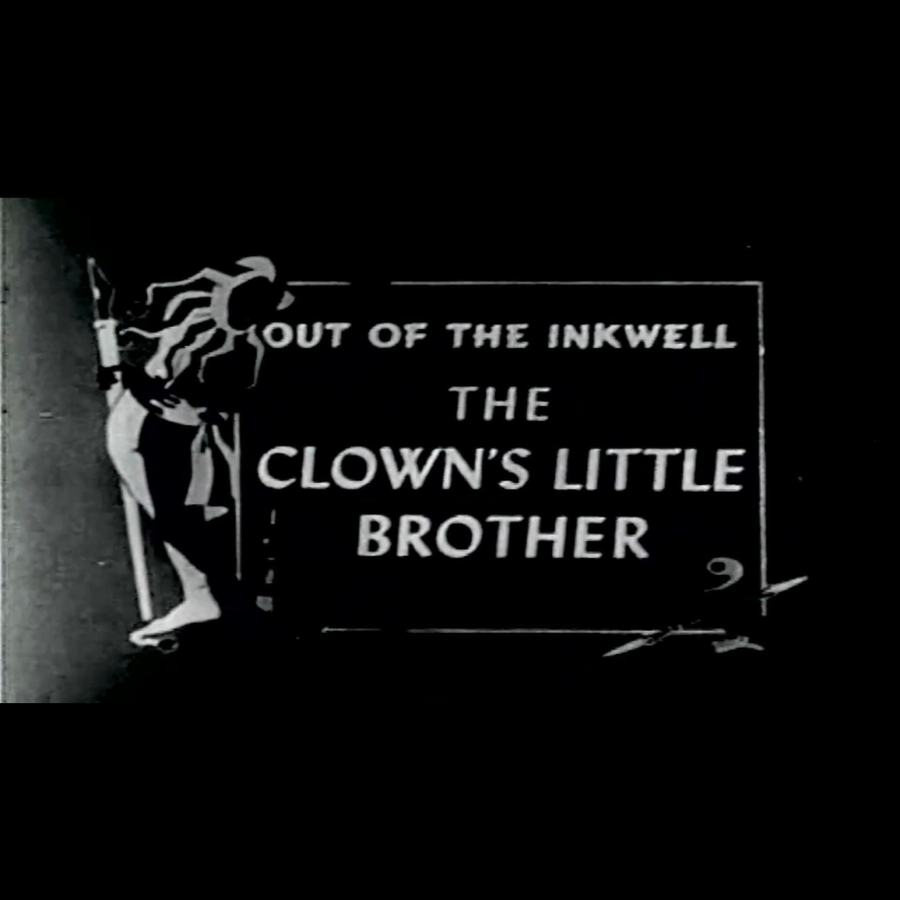
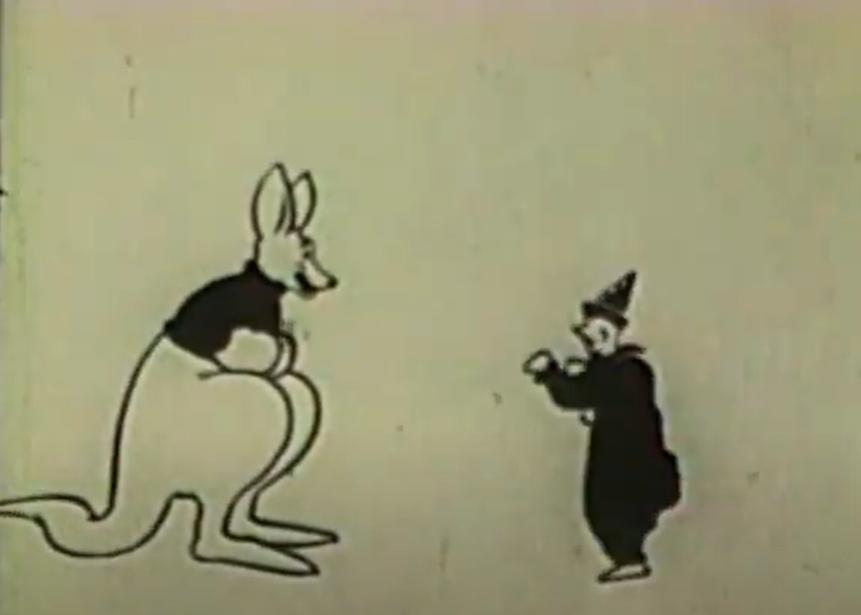
The animation of Ko-Ko the Clown remains a highlight. Even in this early stage, his movements have a weight and elasticity that feel more 'real' than the stiff characters in Tennessee's Pardner. When Ko-Ko emerges from the inkwell, there is a tactile quality to the transition. It’s not just a drawing; it’s a living entity interacting with a physical world.
The Bouncing Ball itself was a patented invention. It wasn't just a dot on a screen. It was a rhythmic guide designed to keep hundreds of people in a dark room in perfect sync. Think about the complexity of that. In 1924, this was the height of multimedia technology. It was the VR of its day.
Here is a strong, debatable opinion: the choice of 'Darling Nellie Gray' is a bizarre, almost morbid mistake. The song, written by Benjamin Hanby, is a lament about a slave being sold away to Georgia. It is a tragedy. Yet, here it is, presented with a bouncing ball and a clown.
Modern viewers will find this juxtaposition uncomfortable. It’s a brutally simple sentence: The context is broken. While the Fleischers likely chose it for its popularity in the 1920s, the song’s weight feels crushed under the levity of the medium. It’s a reminder that early cinema often lacked a sense of thematic cohesion.
Compare this to the lighthearted nature of Golf or the dramatic weight of Lily of the Dust. Darling Nelly Gray sits in a strange middle ground. It wants to be fun, but it’s anchored to a funeral dirge. It works as a technical exercise. But it’s flawed as a piece of entertainment.
The visual style of the Fleischer studio was always grittier than their contemporaries. There is a sootiness to the frames, a sense that everything was born in a basement laboratory. This works to the film's advantage. The contrast between the white background and the deep black ink of Ko-Ko creates a striking visual hierarchy.
The 'quartet' that joins Ko-Ko is animated with a repetitive, rhythmic loop. This was a cost-saving measure, but it adds to the hypnotic quality of the short. When compared to the more static shots in Her Honor, the Governor, the Fleischer work feels kinetic and alive.
One surprising observation: the ball doesn't just bounce; it anticipates. If you watch closely, the ball has a slight lead-time on the lyrics. This was a psychological trick to ensure the audience didn't fall behind. It’s a brilliant bit of user-interface design from a time before computers existed.
Does Darling Nelly Gray hold up for a modern audience?
No, not if you are looking for a story. However, if you want to see the literal birth of interactive media, it is essential viewing. It is a museum piece that still breathes. It is short, punchy, and historically vital.
Pros:
Cons:
The film moves at a brisk pace. There is no filler. It starts with the inkwell, moves to the song, and ends. This efficiency is something modern filmmakers could learn from. In a world of three-hour epics like Gengældelsens ret, there is something refreshing about a film that knows exactly what it is and doesn't overstay its welcome.
However, the engagement level depends entirely on your willingness to participate. If you sit silently, the film is a bore. If you engage with the 'bouncing ball,' you start to feel the communal energy that once filled the theaters of the 1920s. It’s a ghost of an experience.
The Fleischers understood that the screen was a barrier. They spent their entire careers trying to break it. Whether it was Ko-Ko jumping into the real world or the audience singing into the screen, they were the first to realize that cinema could be a two-way street. This is more evident here than in If the Huns Came to Melbourne or Black Friday.
When you compare Darling Nelly Gray to other films of the era, like The Marionettes or Les deux gamines, the technical superiority of the Fleischer studio is obvious. While those films relied on traditional stage-like framing, the Fleischers were playing with the medium itself.
They were not just filming a play; they were creating a new form of visual language. The way the ball interacts with the text is a precursor to modern motion graphics. It’s simple, yes. But it’s the foundation of everything that followed in musical cinema and television.
"Darling Nelly Gray is a fascinating, if slightly uncomfortable, relic. It showcases the Fleischer brothers at their most inventive, even if their choice of music hasn't aged as well as their animation. It is a necessary watch for anyone who wants to see the roots of interactive entertainment."
In the grand scheme of the Fleischer catalog, it might not have the slapstick brilliance of A Milk Fed Hero or the adventure of The Border Legion, but it has something more important: a soul that wants to connect. It’s a weird, ink-stained piece of history that deserves to be remembered, flaws and all.
Don't expect to be moved by the story. Expect to be impressed by the engineering. It’s a film that asks you to join in. Even a century later, that invitation still carries weight. Just don't be surprised if the song leaves you feeling a bit cold.
Ultimately, Darling Nelly Gray is a bridge. It bridges silence and sound, viewer and screen, past and present. It is far more interesting than Too Much Married or She Couldn't Help It because it dares to invent a new way of watching. And for that alone, it earns its place in the pantheon of early cinema.
IMDb 6.3
1920
Community
Log in to comment.