DbcultAccessing Vault...
Cult Review
Senior Film Conservator
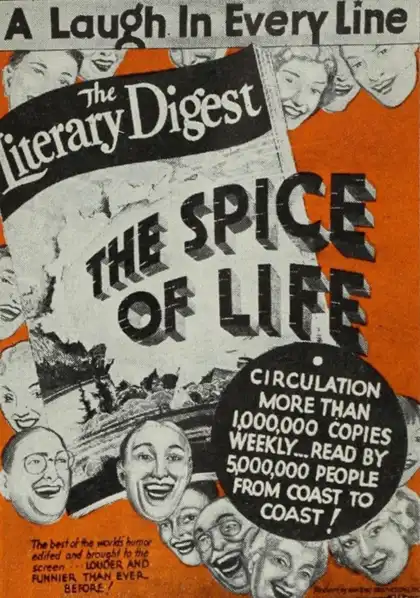
Honestly, you could probably skip this unless you’re some kind of film historian or you just really, really like watching people recite jokes that stopped being funny before the Great Depression. If you’re looking for a plot, look elsewhere. If you want to see how comedy used to be stapled together like a scrapbooking project, well, pull up a chair.
Milton Schwarzwald is basically just a conduit here. He’s taking bits and pieces from magazines and throwing them at the screen. It feels less like a performance and more like a fever dream where you’re trapped in a library that only carries humor columns from 1920. 😵💫
The pacing is totally broken, but in a way that’s actually kind of fascinating. It jumps from one gag to the next with zero warning. There’s no flow. It just stops, starts, and occasionally trips over its own feet.
I found myself wondering if these jokes ever landed for anyone. Maybe they did. Maybe I’m just staring at it from a century away and missing the vibe. It reminds me of the chaotic, disjointed energy you find in something like A Rustic Romeo, where the structure is basically just 'let’s do another thing now.'
There’s a weird, dry quality to the whole thing. It doesn’t try to be profound. It doesn't try to be cinematic. It just exists. It’s a relic, really. A dusty, slightly yellowed page from a magazine that got turned into a moving picture for no apparent reason.
It’s not as polished as the stuff you see in The Perfect Sap, but it has this raw, weird energy. It’s like watching a train wreck of punchlines. You don't want to look, but you can't really turn it off either. Don't go in expecting to laugh. Go in expecting to feel confused by what our great-grandparents found amusing. It’s a trip.
Year
1935
IMDb Rating
—

Editorial
Deciphering the legacy of transgressive cult cinema.
Community
Log in to comment.