DbcultAccessing Vault...
6.6/10
Senior Film Conservator
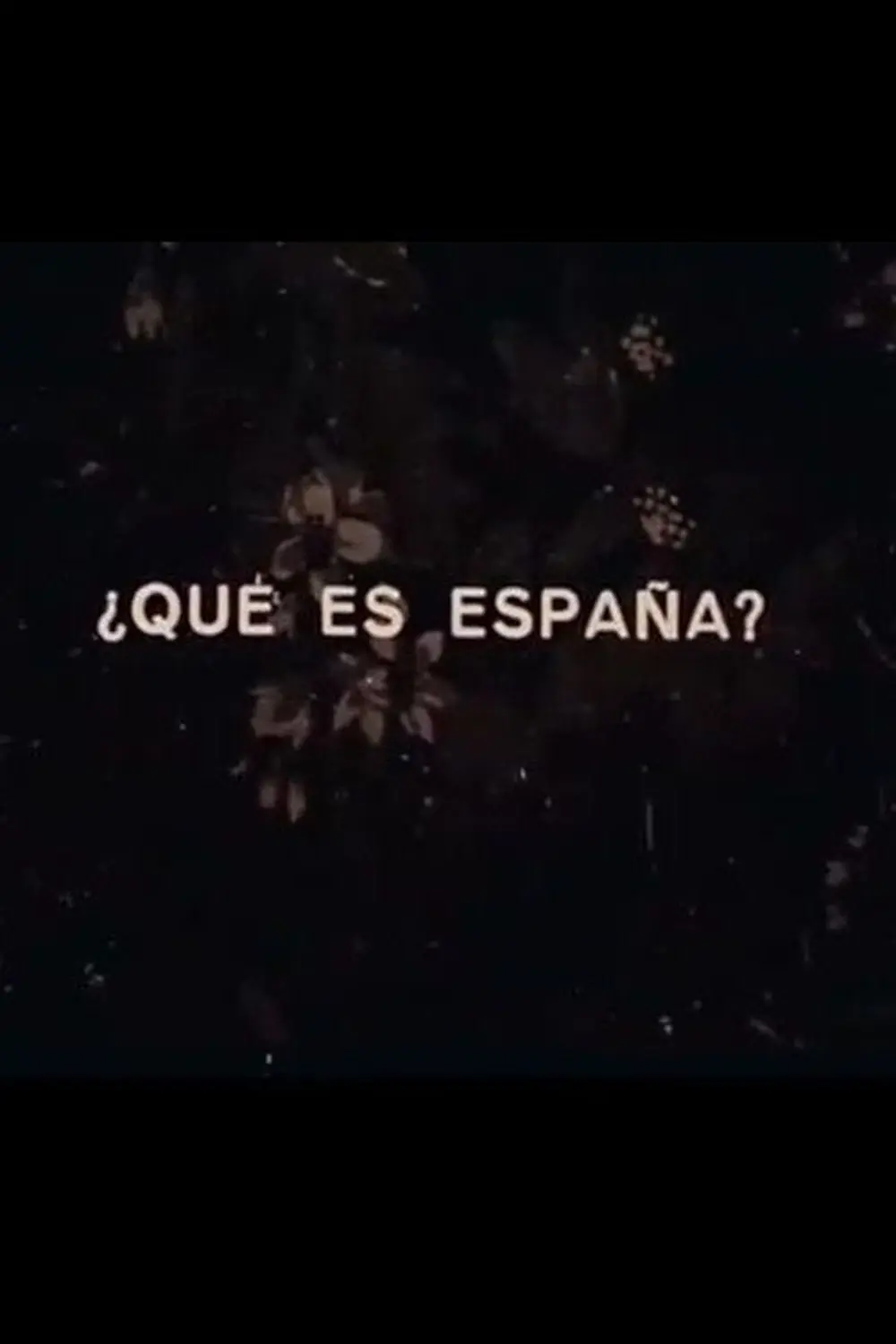
A definitive 6.6/10 rating for a film that redefined the boundaries of cult cinema. ¿Qué es España? remains a cornerstone of transgressive art.
Is “¿Qué es España?” worth watching today? Short answer: absolutely, but with a significant caveat. This film is an invaluable historical document and a fascinating, if sometimes demanding, watch for anyone deeply interested in early 20th-century Spanish history, the evolution of documentary filmmaking, or the intellectual currents that shaped a nation. It is decidedly not for those seeking a fast-paced, modern documentary experience or a casual dip into historical cinema, nor for viewers averse to the unique aesthetic and pacing of early non-fiction work.
This film works because it offers an unparalleled, direct window into the intellectual and societal concerns of 1920s Spain, providing primary source material for understanding a pivotal era through the eyes of its own thinkers. Its ambition alone is commendable.
This film fails because its antiquated production values, deliberate pacing, and lack of contemporary narrative techniques can make it a challenging and at times slow viewing experience for modern audiences accustomed to dynamic storytelling and high-fidelity visuals. It demands patience.
You should watch it if you are a historian, a scholar of Spanish culture, a film student studying early non-fiction, or simply possess a profound curiosity about how a nation attempted to define itself almost a century ago. It’s an academic endeavor, made public.
The very title, “¿Qué es España?” (What is Spain?), is an audacious declaration, a challenge thrown down by its creators, Luis Araquistáin and Cayetano Coll, in a decade of profound global and national upheaval. Produced in the 1920s, this documentary doesn't merely chronicle facts; it grapples with identity at a moment when Spain was navigating the complex currents between its imperial past and an uncertain modern future. Europe had just endured the Great War, and while Spain remained neutral, the intellectual and social tremors of that conflict reverberated deeply within its borders.
This was the era of the Generation of '27, a period of immense literary and artistic ferment, yet also one of significant political instability that would ultimately lead to civil war. To ask ‘What is Spain?’ at such a juncture was not an idle philosophical exercise; it was an urgent, existential question. The film’s ambition lies in its attempt
IMDb 4.9
1928
Community
Log in to comment.