DbcultAccessing Vault...
Cult Review
Senior Film Conservator
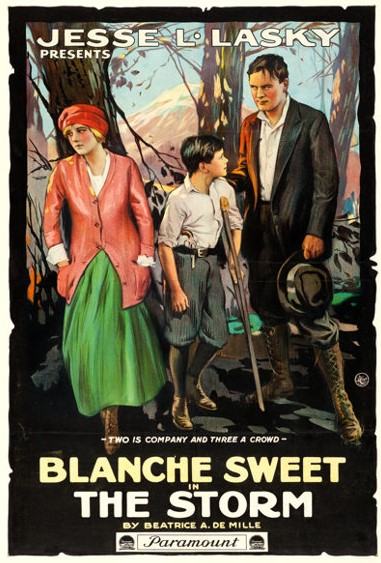
Stepping back into the annals of early 20th-century cinema, one often finds narratives that, despite their age and the technical limitations of their time, resonate with an astonishing, timeless emotionality. Among these gems is 'The Storm,' a 1922 silent film that, with its stark premise and powerful performances, carves out a significant niche in the landscape of dramatic storytelling. Directed by Reginald Barker and penned by Leighton Osmun and Beatrice DeMille, this picture is not merely a relic; it is a vibrant, beating heart of human conflict, exploring the agonizing choices thrust upon individuals by love, duty, and societal expectation. Its central conceit—a woman asking her former lover, now a man of God, to solemnize her marriage to another—is a masterstroke of dramatic tension, setting the stage for a psychological exploration that few films, even today, manage to achieve with such raw intensity. It delves into the unspoken, the glances, the suppressed desires, all conveyed through the exquisite art of silent acting, making it a compelling watch for anyone with an appreciation for the foundational artistry of film.
The narrative engine of 'The Storm' is deceptively simple yet profoundly effective. We are introduced to a young woman, caught in the throes of a life-altering decision, who approaches her former sweetheart, now a minister, with an extraordinary request: to officiate her wedding to a different man. This seemingly straightforward plot point immediately plunges the audience into a maelstrom of emotional complexity. Imagine the courage, or perhaps the sheer desperation, required for such an appeal. What unspoken history lies between these two? What societal pressures have driven her to this specific, poignant act? The film doesn't shy away from these questions, instead allowing the silent performances and nuanced direction to fill in the painful gaps. It’s a bold move, forcing both characters, and by extension, the viewer, to confront the lingering specters of a love that was, and the stark reality of a love that is to be. This setup alone distinguishes 'The Storm' from many of its contemporaries, eschewing overt melodrama for a more internal, psychological drama. It's a testament to the power of a well-crafted premise, one that immediately hooks the viewer and promises a journey into the depths of human emotion. The sheer audacity of the request, coupled with the sacred nature of the minister's calling, creates an almost unbearable tension that permeates every frame, making the film a masterclass in dramatic build-up and emotional resonance.
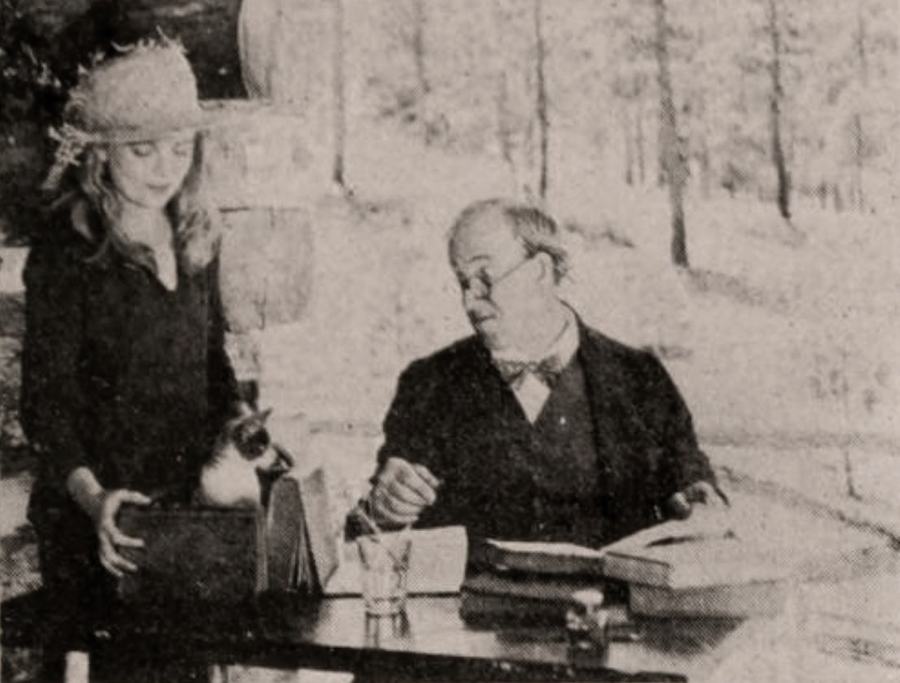
The success of a silent film hinges almost entirely on the expressive capabilities of its cast, and 'The Storm' is fortunate to boast an ensemble that delivers with remarkable depth. Blanche Sweet, in the role of the young woman, is nothing short of captivating. Her portrayal is a study in controlled anguish, her eyes conveying volumes of unspoken regret and resignation. Sweet, known for her powerful dramatic performances, brings a profound vulnerability to the character, making her choices understandable, even when they seem self-destructive. We see the weight of her decision etched across her face, the conflict between her past affections and her present commitments. Her performance is a delicate balance of strength and fragility, a true embodiment of the complex female characters often found in early cinema, yet rarely with such nuance. She doesn't just act; she feels, and her emotions become palpable even without a single spoken word. This kind of subtle, yet powerful, acting is what makes silent film so enduringly fascinating, and Sweet is a prime example of its mastery.
Opposite her, Thomas Meighan embodies the minister with a stoic dignity that barely conceals a torrent of internal turmoil. Meighan’s performance is a masterclass in restrained emotion, his character a man torn between his sacred vows and the ghost of a love he can never truly forget. His struggle is not one of overt passion but of quiet torment, a battle fought within the confines of his own conscience. The moral dilemma he faces is immense, and Meighan conveys this with a solemnity that makes his character profoundly sympathetic. The moments where their eyes meet, laden with history and unspoken words, are electric, showcasing the incredible chemistry between the two leads. It's in these silent exchanges that the film truly sings, demonstrating how much can be communicated without dialogue, relying instead on the power of the gaze and subtle body language.
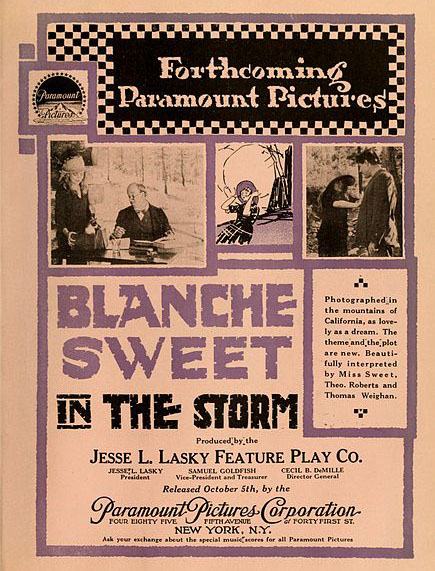
The supporting cast also contributes significantly to the film's emotional texture. Theodore Roberts, a veteran character actor, lends gravitas and a sense of grounding to the proceedings, often serving as a moral compass or an obstacle, depending on the scene. His presence adds a layer of authenticity to the world of the film, reminding us of the societal fabric against which these personal dramas unfold. Chandler House and Richard Sterling round out the key players, each contributing to the dramatic tension and realism. Their roles, though perhaps less central, are crucial in establishing the stakes and the broader context of the central conflict, reinforcing the societal pressures and personal motivations at play. The interplay between these actors, under Reginald Barker's astute direction, creates a cohesive and believable world, even one steeped in the dramatic conventions of its era. Barker's direction is precise, knowing exactly when to linger on a face, when to cut to a reaction, and how to utilize the visual language of silent film to maximize emotional impact. His use of close-ups, particularly during the more intense emotional confrontations, is particularly effective, drawing the audience into the characters' inner worlds with an almost voyeuristic intimacy. This attention to detail and character-driven storytelling elevates 'The Storm' beyond a mere melodrama into something far more profound.
'The Storm' is a rich tapestry woven with enduring themes that continue to resonate with modern audiences. At its core, the film explores the perennial conflict between duty and desire. The minister, bound by his sacred vows and moral obligations, must grapple with the resurgence of a past love that threatens to undermine his spiritual commitment. The young woman, on the other hand, navigates the duty she feels towards her chosen fiancé against the undeniable pull of her history with the minister. This internal struggle is depicted with remarkable clarity, highlighting the agonizing choices individuals often face when personal happiness clashes with societal expectations or moral imperatives. It's a theme that echoes in many human dramas, but 'The Storm' presents it with an almost brutal honesty, forcing its characters to make sacrifices that leave an indelible mark on their souls.
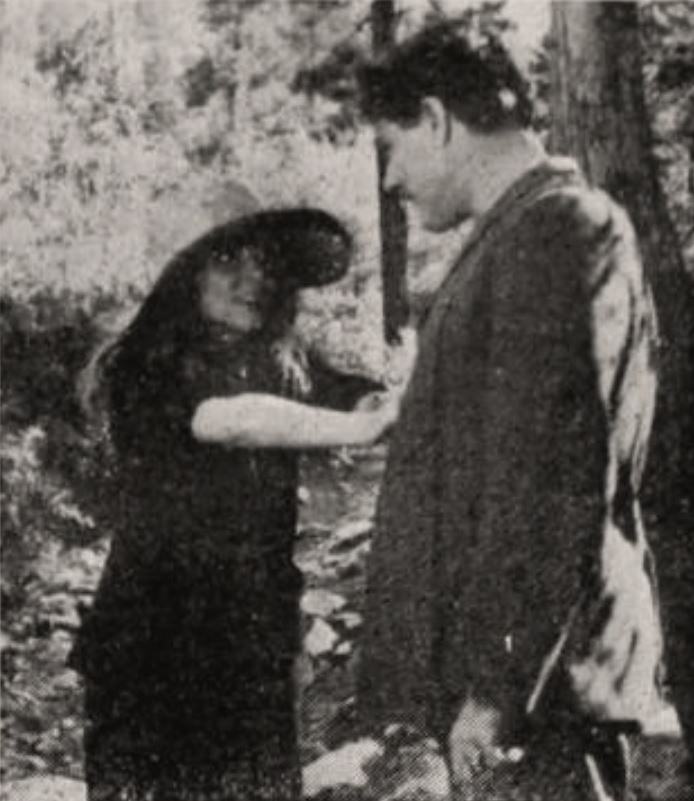
Another prominent theme is that of renunciation and sacrifice. Both protagonists are called upon to give up something profoundly important for the sake of perceived duty or propriety. This act of giving up, of letting go of what one truly desires, forms the emotional backbone of the film. It's a poignant exploration of the human capacity for self-denial, and the often-bitter consequences of such decisions. The film doesn't offer easy answers or convenient resolutions; instead, it delves into the lingering pain and emotional scars left by these acts of sacrifice. This makes 'The Storm' a powerful, if sometimes melancholic, viewing experience, forcing us to consider the true cost of adhering to external pressures over internal longings. The silent medium, paradoxically, amplifies this theme, as the characters' internal struggles are projected onto their faces and gestures, making their silent suffering all the more impactful.
The film also subtly critiques societal expectations of the era. The pressures on women to marry, to conform to certain roles, and the rigid moral frameworks within which religious figures operated are all implicitly present. The narrative serves as a microcosm of a society grappling with tradition and emerging individual desires. This aspect of the film might remind some viewers of other period dramas exploring similar constraints, such as the intricate emotional web in Forbidden Paths, where characters are similarly trapped by circumstance and expectation. The unspoken rules of society dictate much of the characters' actions, adding another layer of tragic inevitability to their plight. It's a powerful reminder that while times change, the fundamental conflicts between individual desire and collective norms often remain constant.
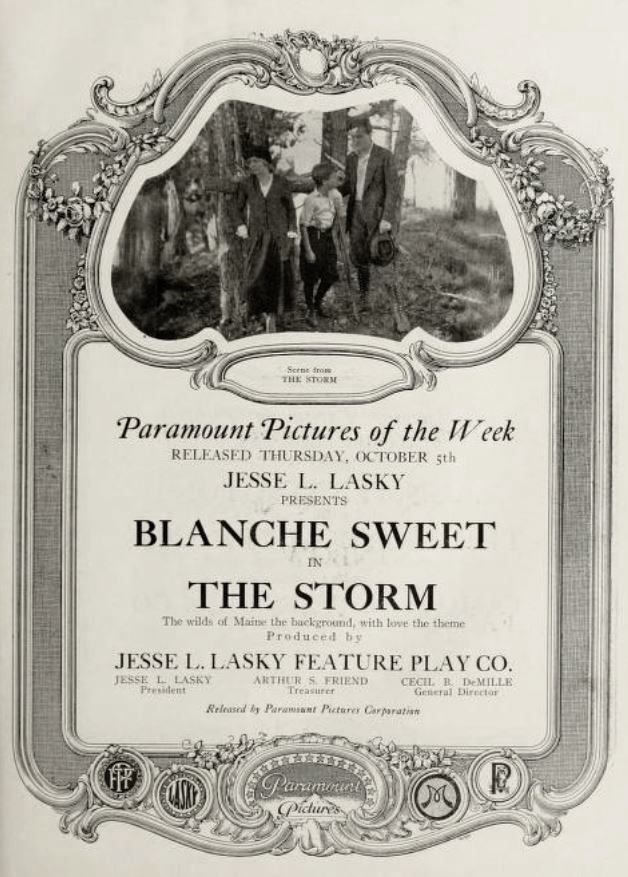
The visual storytelling in 'The Storm' is exemplary for its period. Without the aid of spoken dialogue, cinematography becomes paramount, and the film utilizes it to its fullest potential. The use of lighting and shadow is particularly effective in conveying mood and psychological states. Stark contrasts are often employed to highlight the internal turmoil of characters, casting them in literal and metaphorical darkness or illuminating moments of painful clarity. The camera work, while perhaps not as overtly experimental as some later silent films, is always purposeful, guiding the viewer's eye to the most important emotional beats. Close-ups are used judiciously to emphasize facial expressions, allowing the audience to intimately connect with the characters' unspoken thoughts and feelings. This judicious use of framing and composition ensures that every visual element contributes to the narrative's emotional thrust, making the silent performances even more impactful.
The art direction and set design also play a crucial role in establishing the film's atmosphere. From the solemn interiors of the church to the more intimate settings where personal dramas unfold, each environment feels authentic and contributes to the overall emotional weight. The choices in costume design further enhance character, subtly communicating their social standing, their inner state, and the conventions of the era. These visual elements are not mere backdrops; they are active participants in the storytelling, enhancing the themes of confinement, duty, and the often-unseen struggles within. The careful attention to detail in these aspects helps to immerse the viewer fully in the world of 'The Storm,' making the characters' predicaments feel all the more real and immediate. It’s a testament to the comprehensive artistry involved in silent film production, where every visual cue had to carry the weight of narrative and emotion.
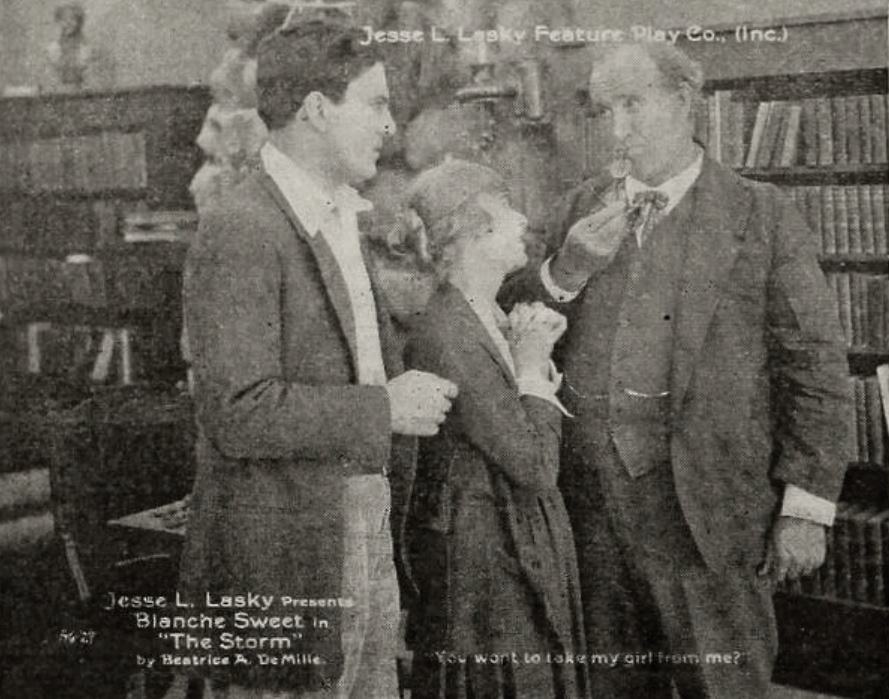
'The Storm' is more than just a historical curiosity; it is a film that holds considerable artistic merit and historical significance. It stands as a testament to the power of silent cinema to convey complex human emotions and moral dilemmas without the crutch of dialogue. Its exploration of forbidden love and duty places it among a lineage of powerful dramas from the era. One might draw parallels to the intense personal struggles seen in films like Unge hjerter, which similarly delved into the turbulent emotional landscapes of its characters, or the poignant romantic entanglements depicted in A Fool's Paradise. 'The Storm' contributes to this rich tapestry by offering a unique and deeply affecting perspective on the human heart's enduring capacity for both profound love and agonizing sacrifice. It's a film that demands active engagement from its audience, inviting them to read between the lines, to interpret the subtle gestures, and to feel the weight of the unspoken words.
The film's legacy lies not only in its compelling narrative but also in the masterful performances of its leads and the adept direction that binds it all together. It serves as a powerful reminder of the sophisticated storytelling techniques that existed long before the advent of sound, showcasing how filmmakers could evoke profound empathy and understanding through purely visual means. For students of film history, 'The Storm' offers invaluable insights into the dramatic conventions and acting styles of the early 1920s. For casual viewers, it provides a deeply moving and thought-provoking experience, proving that the language of emotion transcends time and technological advancements. Its ability to create such a palpable sense of tension and pathos, relying solely on visual cues and the brilliance of its performers, is a remarkable achievement. The film's continued relevance is a testament to the universal nature of its themes and the timeless quality of its artistic execution. It's a piece of cinema that truly endures, whispering its story across the decades with undiminished power.
In conclusion, 'The Storm' stands as a powerful and emotionally resonant silent film that deftly navigates the treacherous waters of love, duty, and sacrifice. Its central premise is a stroke of narrative genius, creating an immediate and profound sense of dramatic tension that is sustained throughout. The stellar performances by Blanche Sweet and Thomas Meighan, under the precise direction of Reginald Barker, bring an astonishing depth to their characters, allowing the audience to feel every nuance of their internal struggles. The film's thematic explorations of renunciation, societal pressure, and the enduring conflict between desire and obligation are handled with a sensitivity and complexity that elevate it beyond mere melodrama. The sophisticated visual storytelling, from its evocative lighting to its purposeful camera work, ensures that the narrative is not just seen, but deeply felt. 'The Storm' is a cinematic experience that transcends its era, offering a timeless reflection on the human condition and the often-agonizing choices we are called upon to make. It is a compelling watch for anyone seeking a profound and artfully crafted drama, a film that continues to echo its powerful sentiments across the decades. Highly recommended for enthusiasts of classic cinema and anyone who appreciates the sheer artistry of silent storytelling.
IMDb 3.6
1926
Community
Log in to comment.