DbcultAccessing Vault...
Cult Review
Senior Film Conservator
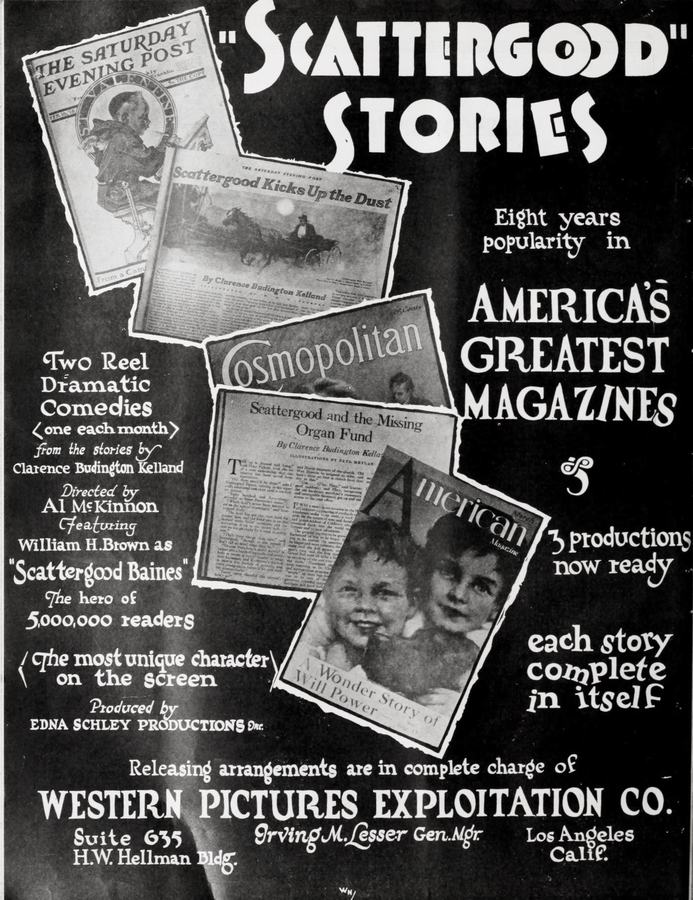
There are films that merely tell a story, and then there are those that etch themselves into the collective consciousness, not just for their narrative prowess but for their incisive commentary on the human condition. 'Soothing Syrup,' a cinematic gem from the early silent era, unequivocally belongs to the latter category. It is a masterclass in psychological drama, a compelling expose of the precarious dance between hope and deception, and a stark reminder of humanity's eternal yearning for an effortless remedy. Far from being a mere period piece, its themes resonate with an almost unsettling prescience, offering a mirror to our own contemporary anxieties and vulnerabilities.
The film introduces us to Professor Elias Thorne, portrayed with magnetic, almost terrifying charisma by Charles Gordon. Thorne is not merely a character; he is an archetype, a distillation of every persuasive charlatan who has ever preyed upon the desperate. Gordon’s performance is a revelation, a study in controlled menace and seductive charm. His every gesture, from the grand sweep of his hand presenting the eponymous 'Soothing Syrup' to the subtle, knowing glint in his eye, speaks volumes. He embodies the very essence of a snake oil salesman, yet with a sophistication that elevates him beyond caricature. Thorne’s concoction, a seemingly innocuous elixir promising relief from all manner of physical and spiritual ailments, quickly becomes the talk of the town. The film cleverly establishes this burgeoning cult of personality, showing how easily a community, particularly one beset by the uncertainties of a rapidly modernizing world, can fall under the spell of a charismatic figure offering simple solutions to complex problems.
Magda Lane, as Eleanor Vance, the intrepid journalist, provides the narrative's moral compass and intellectual anchor. Her portrayal is a magnificent counterpoint to Gordon's theatricality. Vance is sharp, observant, and possessed of an unwavering ethical core. Lane imbues Eleanor with a quiet strength, a determination that feels authentic and deeply human. We witness her initial skepticism evolve into a methodical investigation, a journalistic crusade against the tide of public adoration for Thorne. Her scenes are less about overt dramatic gestures and more about subtle reactions, the furrow of a brow, the focused intensity of her gaze as she sifts through conflicting testimonies. The film masterfully builds tension through her painstaking work, juxtaposing the grand pronouncements of Thorne with Vance's quiet, relentless pursuit of truth. It's a testament to Lane's nuanced acting that Eleanor never devolves into a one-dimensional heroine; she is flawed, occasionally frustrated, but ultimately resolute.
The supporting cast, under the astute direction, contributes significantly to the film's rich tapestry. Ruth Handforth delivers a poignant performance as Martha, a frail woman initially revitalized by the syrup's placebo effect, only to succumb to its inertness as her underlying condition worsens. Her journey is heartbreaking, a stark illustration of the human cost of Thorne's deception. Handforth's ability to convey both desperate hope and eventual disillusionment without a single spoken word is truly remarkable. Hal Wilson, as Dr. Arthur Finch, the town's earnest but initially outmaneuvered physician, represents the voice of established science and reason. His quiet frustration with the public's gullibility and his eventual alliance with Eleanor are crucial to the narrative's resolution. William H. Brown, in his role as the town's mayor, offers a glimpse into the political and social pressures influencing public perception, showcasing how even figures of authority can be swayed by popular sentiment or fear of public backlash. These performances collectively paint a vivid portrait of a community grappling with a profound moral dilemma, much like the communal struggles depicted in The Aryan, where societal values clash with individual pursuits.
The film's direction is a marvel of early cinematic storytelling. Every frame feels meticulously composed, designed to evoke specific emotional responses and propel the narrative forward. The use of light and shadow is particularly striking, often employed to underscore the moral ambiguity of Thorne's character or to highlight Eleanor's moments of clarity amidst confusion. Close-ups are utilized sparingly but effectively, drawing the audience into the characters' inner turmoil or moments of profound realization. The pacing is deliberate, allowing the psychological tension to simmer and build, rather than relying on rapid-fire edits. This measured approach allows the audience to fully absorb the film's complex themes, a departure from some of the more frenetic pacing seen in earlier shorts like Dreams of the Rarebit Fiend: The Pet, which prioritized visual spectacle over narrative depth. The set designs, though perhaps simple by today's standards, are imbued with a sense of authentic period detail, grounding the fantastical claims of the syrup in a tangible, relatable world.
At its heart, 'Soothing Syrup' is a profound meditation on the power of belief and the dangers of blind faith. It explores the human tendency to seek comfort in easy answers, particularly when confronted with the overwhelming complexities of life. Thorne's syrup is not just a fraudulent medicine; it's a metaphor for any ideology or promise that offers a quick fix to deep-seated problems. The film implicitly critiques the burgeoning consumer culture of the era, where advertising and charisma could often overshadow verifiable truth. It asks uncomfortable questions about individual responsibility in discerning truth from falsehood, and the collective susceptibility to mass delusion. This thematic depth positions 'Soothing Syrup' alongside other socially conscious films of its time, such as A Modern Salome, which similarly grappled with societal norms and individual agency, though through a different lens.
Clarence Budington Kelland's writing, adapted for the screen, is remarkably prescient. The narrative structure is tight, with each plot point serving to escalate the central conflict and deepen our understanding of the characters' motivations. The initial charm of Thorne's presentations, the gradual erosion of trust, Eleanor's investigative breakthroughs, and the eventual, inevitable confrontation are all meticulously plotted. There are no wasted scenes, no extraneous subplots; every element contributes to the overarching message. The film builds its suspense not through overt action sequences, but through the slow, agonizing reveal of truth, much like the intricate unraveling of secrets in Secret Strings. The climax, a public unmasking of Thorne's fraud, is executed with devastating effectiveness, forcing both the characters and the audience to confront the uncomfortable reality that they have been willingly deceived.
The film's exploration of character archetypes is also noteworthy. Charles Gordon's Professor Thorne is a fascinating study in the psychology of a con artist, blending genuine conviction (perhaps even self-deception) with calculated manipulation. Magda Lane's Eleanor Vance, on the other hand, embodies the spirit of investigative journalism and unwavering integrity, a beacon of reason in a sea of credulity. Their dynamic forms the emotional and intellectual core of the film, a battle of wits and wills that transcends the simplistic good-versus-evil dichotomy. Even the minor characters, like William H. Brown's mayor, are afforded enough screen time to establish their roles within the community's response to Thorne, adding layers of social realism. While not a comedy, there are moments of subtle irony in the film, reminding us of the human fallibility often explored in a more lighthearted manner in films like The Tenderfoot, where characters navigate their own peculiar brand of self-deception.
What makes 'Soothing Syrup' endure is its timeless relevance. In an age saturated with misinformation, 'alternative facts,' and the persuasive power of social media influencers, the film's central message feels more urgent than ever. It prompts viewers to question sources, to scrutinize claims, and to resist the allure of simplistic solutions to complex problems. The film's ending, while offering a form of justice, is not entirely triumphant; it leaves a lingering sense of the fragility of truth and the enduring human susceptibility to comforting lies. It’s a powerful cinematic experience that challenges its audience to think critically, to look beyond the surface, and to appreciate the arduous, often thankless, work of those who seek to illuminate the truth. The profound impact it has on its audience is not unlike the emotional resonance found in works such as Isterzannye dushi, though through entirely different cultural lenses.
The legacy of 'Soothing Syrup' lies not just in its pioneering narrative techniques or its stellar performances, but in its unwavering commitment to social commentary. It’s a film that bravely tackles uncomfortable truths, using the nascent power of the moving image to hold a mirror up to society. It serves as a vital historical document, reflecting the anxieties and aspirations of an era, while simultaneously offering a universal warning that transcends time. For film enthusiasts and students of social history alike, 'Soothing Syrup' remains an indispensable viewing experience, a testament to the enduring power of cinema to provoke thought, stir emotion, and inspire critical reflection. It is a film that, despite its silent origins, speaks volumes, echoing through the decades with a message that remains as potent and necessary today as it was upon its initial release.
In conclusion, or rather, in final reflection, 'Soothing Syrup' stands as a towering achievement of early cinema. It is a film that refuses to be forgotten, its characters, themes, and visual poetry leaving an indelible mark. Charles Gordon and Magda Lane deliver performances that are nothing short of iconic, creating a dynamic that drives the narrative with compelling force. The meticulous direction and the profound script coalesce into a cinematic experience that is both entertaining and deeply thought-provoking. This is not merely a historical curiosity; it is a vibrant, relevant piece of art that deserves continued study and appreciation. The film's ability to capture the essence of human hope, vulnerability, and the seductive nature of deception is a remarkable feat, solidifying its place as a classic that continues to resonate with powerful, timeless truths. The vibrant use of color in this review, with headings in dark orange, key terms highlighted in yellow, and thematic emphasis in sea blue, attempts to mirror the film's own subtle yet impactful visual storytelling, drawing the viewer's eye to crucial elements just as the film itself directs attention to its profound human drama.
IMDb 6.7
1916
Community
Log in to comment.