DbcultAccessing Vault...
Cult Review
Senior Film Conservator
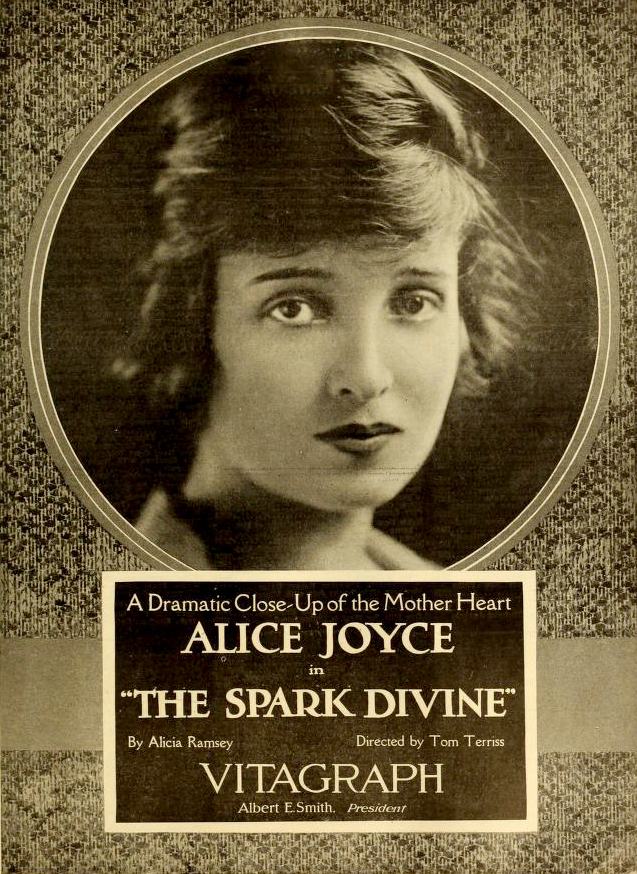
Stepping back into the nascent days of cinematic storytelling, The Spark Divine (1916) emerges not merely as a relic of a bygone era, but as a fascinating, often unsettling, examination of human emotion, societal artifice, and the extreme lengths to which one might go to ignite affection. Directed by Alice Ramsey and written by Ramsey alongside George DuBois Proctor, this silent drama, starring the luminous Alice Joyce, delves into the cold heart of social ambition and the unexpected warmth of familial love, all wrapped in a narrative twist that, even today, sparks vigorous debate. It's a film that asks profound questions about the nature of love itself: can it be coerced, manipulated, or even engineered into existence? And if so, what does that say about its 'divinity'?
Our protagonist, Marcia Van Arsdale, portrayed with a compelling, almost statuesque detachment by Alice Joyce, is a woman sculpted by the frigid hands of her upbringing. Born into a household where parental affection was conspicuously absent, replaced instead by a relentless, almost pathological, striving for social recognition, Marcia learns early that love is a weakness, an inconvenient emotion to be suppressed or, better yet, ignored. Her parents, spectral figures of ambition and superficiality, are less guardians of her heart and more architects of her emotional desolation. They exemplify a segment of society for whom appearances trump genuine connection, where one's worth is measured not by character but by the perceived grandeur of their social standing. Joyce's performance, devoid of spoken dialogue, masterfully conveys this internal landscape. Her posture, her gaze, the subtle rigidity of her movements – all articulate a soul barricaded against vulnerability. This isn't merely a portrayal of indifference; it's a profound study of emotional atrophy, a heart deliberately walled off as a defense mechanism against a world that offered only transactional relationships. The film, in its silent eloquence, suggests that Marcia's disdain for love is not innate malevolence, but a tragic, learned response to an environment starved of genuine warmth. Her initial character arc sets a stage for a radical transformation, one that must first dismantle the very foundations of her emotional identity.
Into this emotionally sterile world strides Robert Jardine, played by Frank Norcross with an intriguing blend of ruthlessness and, ultimately, a perverse kind of conviction. Jardine is no romantic hero in the conventional sense; he is a force of nature, a capitalist titan who wields financial power with an almost surgical precision. His arrival in New York is marked by a calculated manipulation of the copper market, a move that brings Marcia’s father to the precipice of bankruptcy. This act is not an incidental plot device; it is the very engine of the narrative, forcing the Van Arsdales into a desperate corner where their only perceived escape is a strategic marriage. Jardine’s actions initially paint him as an antagonist, a man driven by avarice and a desire for control. Yet, as the story unfolds, we are compelled to re-evaluate his motivations. Is his market manipulation solely for profit, or is it a calculated step towards a larger, more personal objective? The film subtly hints at a deeper, more complex agenda for Jardine, one that transcends mere financial gain. He is a man who sees a problem – Marcia's emotional barrenness – and devises an audacious, morally ambiguous solution. This willingness to cross ethical lines for what he believes is a greater good positions Jardine in a lineage of cinematic characters who operate outside conventional morality, much like the morally ambiguous figures sometimes seen in films exploring the darker side of ambition, though perhaps less overtly criminal than in something like The Honor System, where legal systems are directly challenged. Here, the challenge is to the very fabric of human connection.
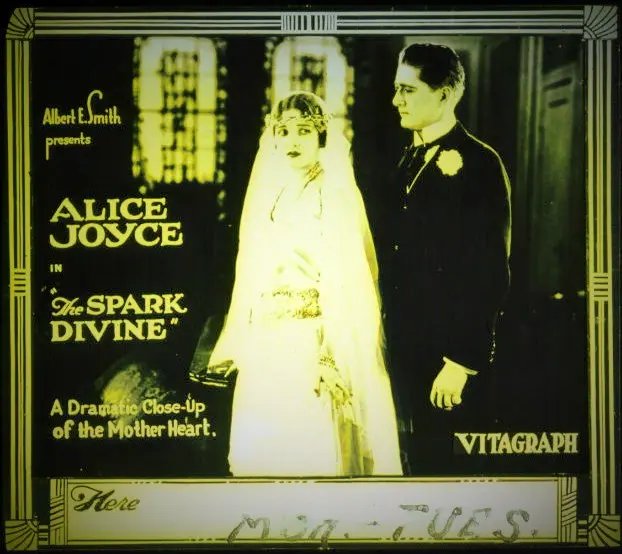
The ensuing marriage between Marcia and Robert is, from its inception, a purely transactional affair. It is a desperate gambit by Marcia's parents to restore their shattered social standing, and for Robert, a means to an end that remains, at this stage, shrouded in mystery. Marcia enters the union with a chilling clarity, explicitly stating her inability to love, a declaration that underscores the profound chasm within her. This pre-nuptial agreement of the heart sets a bleak precedent for their life together. The film masterfully portrays the emotional void within their opulent home. There are no tender glances, no shared intimacies, only a quiet, pervasive emptiness. Even the arrival of a child, a son, fails to penetrate Marcia's hardened exterior. She regards the infant with a detached indifference, a testament to how deeply ingrained her emotional suppression has become. The societal expectations of motherhood, often romanticized in cinema, are starkly juxtaposed with Marcia's cold reality. This portrayal challenges the simplistic notion that maternal instinct is automatic or universal, offering a more nuanced, if unsettling, look at a woman struggling to connect with the most fundamental human bonds. Her character, at this juncture, could draw parallels to figures in films like Vera, the Medium, where protagonists navigate lives devoid of genuine emotional fulfillment, albeit through different circumstances. The lack of an emotional anchor creates a pervasive sense of unease, setting the stage for the dramatic intervention that is to come.
The narrative's pivotal moment arrives with the sudden, terrifying kidnapping of Marcia and Robert's son. This act of cruel separation serves as the ultimate crucible for Marcia's dormant emotions. Her prior indifference shatters under the weight of this profound loss. The film, through Alice Joyce's raw and visceral performance, depicts a woman stripped bare of her defenses, confronted by an agony she never anticipated. The absence of her child creates an unbearable void, forcing her to acknowledge a love she had vehemently denied, a maternal instinct that lay buried beneath layers of learned detachment. It is a powerful, almost primal awakening. The fear, the desperation, the overwhelming grief she experiences are not merely for the child's safety, but for the loss of a connection she now realizes is vital to her very being. This traumatic event also acts as a conduit for her burgeoning feelings for Robert. In their shared anguish, a fragile bond begins to form, a realization that the man she married out of obligation is now a partner in her suffering, and perhaps, a source of solace. This dramatic transformation, fueled by crisis, echoes the intense emotional journeys seen in films that explore the depths of human resilience when faced with overwhelming odds, though the specific mechanism here is uniquely manipulative. It's a moment of profound psychological shift, where the external threat unlocks an internal reservoir of feeling.
The film’s most audacious and, arguably, most controversial revelation unfolds on Christmas Eve. In a moment of vulnerability and confession, Robert Jardine admits to Marcia that he orchestrated the kidnapping of their own child. His motive: to ignite the "emotional spark" within her, to force her to confront and embrace the love he believed she was capable of feeling. This twist fundamentally alters the audience's perception of Robert. He transforms from a seemingly ruthless businessman into a morally audacious puppeteer, a man willing to inflict profound pain to achieve what he perceives as a benevolent outcome. This is where The Spark Divine truly distinguishes itself, delving into a realm of ethical ambiguity rarely explored with such directness in early cinema. Was Robert's act a profound expression of love, however misguided, or an unforgivable act of psychological torture? The film doesn't offer easy answers, leaving the audience to grapple with the disturbing implications of his actions. It raises questions about consent, the boundaries of intervention, and whether true love can ever be born from such deliberate deception. One might compare Robert's drastic measures to the extreme moral dilemmas faced by characters in dramas exploring the darker side of human nature, perhaps akin to the complex ethical landscapes sometimes depicted in allegorical tales such as Seven Deadly Sins or even Satanas, where characters navigate treacherous moral waters, albeit Jardine's intent is framed as ultimately redemptive. The return of the child, now to a family united by a love born of crisis, brings a superficial sense of resolution, yet the lingering question of Robert's methods casts a long shadow over the supposedly happy ending.
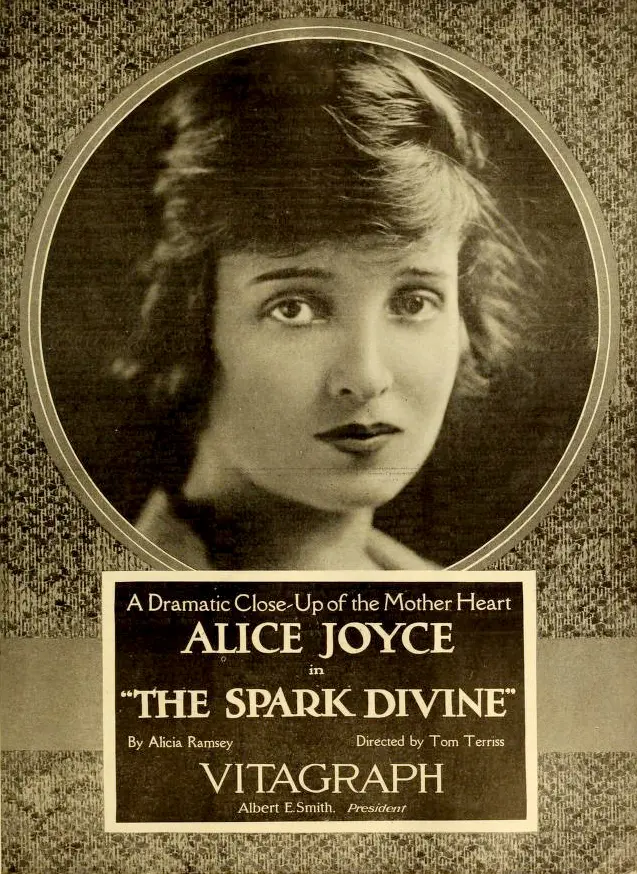
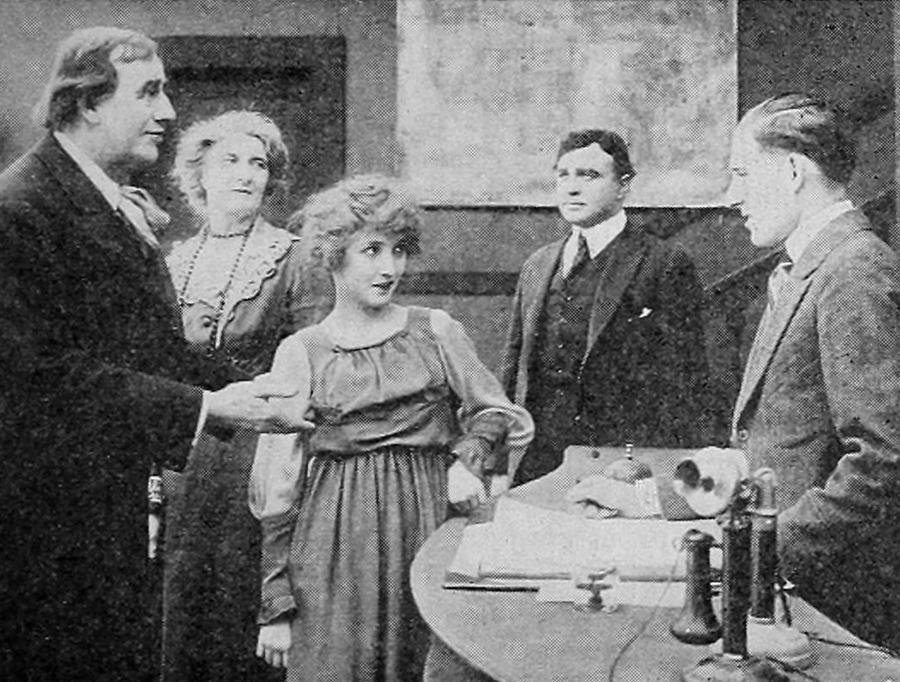
As a silent film, The Spark Divine relies heavily on visual storytelling, the expressive power of its actors, and the judicious use of intertitles to convey its complex narrative and emotional shifts. Alice Joyce, a prominent star of the era, delivers a performance that transcends the limitations of the medium. Her transformation from an emotionally inert socialite to a heartbroken, then loving, mother and wife is a masterclass in silent acting. Every subtle shift in her facial expressions, every gesture, from the rigid posture of indifference to the desperate embrace of her returned child, speaks volumes. Frank Norcross, as Robert Jardine, similarly navigates a difficult role, conveying both his initial steely resolve and the underlying, if twisted, affection that drives his plan. The direction by Alice Ramsey (and the writing she shared with George DuBois Proctor) demonstrates a keen understanding of cinematic language. The staging of scenes, the use of close-ups to emphasize emotional distress, and the deliberate pacing all contribute to the film’s dramatic impact. The visual contrast between the cold opulence of the Van Arsdale home and the eventual warmth of the Jardine family, achieved through lighting and set design, further reinforces the thematic journey. In an era before synchronized sound, filmmakers had to be exceptionally inventive in conveying psychological depth, a challenge met with remarkable success here. The film’s ability to elicit such strong reactions, even today, is a testament to the enduring power of its visual rhetoric and the raw talent of its cast and crew. This era of filmmaking, often overlooked, offered rich tapestries of human experience, much like the compelling character studies found in The End of the Rainbow or the emotionally charged narratives of Where Love Is, where silent performances were paramount in communicating profound human drama.
The Spark Divine leaves a lasting impression precisely because it dares to tread on morally ambiguous ground. The film's conclusion, while presenting a seemingly happy family unit, doesn't fully resolve the ethical quandary posed by Robert's actions. Can a love born from such manipulative means truly be "divine"? Is it authentic if its genesis is a carefully engineered crisis? These questions resonate beyond the silent film era, touching upon contemporary discussions about consent, emotional manipulation in relationships, and the often blurred lines between love and control. The film forces us to confront uncomfortable truths about human nature: the capacity for extreme measures, the vulnerability of the human heart, and the complex interplay between pain and growth. It’s a narrative that avoids easy platitudes, instead offering a provocative exploration of how profound emotional change can be catalyzed by extraordinary, even reprehensible, circumstances. The film doesn't preach; it presents a scenario and allows the audience to wrestle with its implications, a testament to its narrative sophistication. This nuanced approach to morality is a hallmark of compelling storytelling, allowing a silent film from over a century ago to still provoke thought and discussion in ways that many modern dramas struggle to achieve. It challenges our preconceived notions of what constitutes a "happy ending," suggesting that sometimes, happiness comes at a profound, ethically murky cost.
Ultimately, The Spark Divine stands as a compelling piece of early cinema, not just for its historical value but for its audacious narrative and profound thematic depth. It's a film that utilizes the dramatic conventions of its time to explore universal truths about love, family, and the thorny path to emotional awakening. Alice Joyce's nuanced performance anchors the story, providing a human core to the morally challenging plot. Robert Jardine, through Frank Norcross's portrayal, becomes one of silent cinema's most intriguing anti-heroes, a man whose love is so fierce it borders on the tyrannical. The film's lasting power lies in its refusal to simplify the complexities of human relationships, presenting a world where grand gestures can be both loving and deeply problematic. It’s a testament to the power of cinema, even in its most nascent forms, to provoke, to question, and to reflect the intricate, often contradictory, facets of the human condition. For those interested in the evolution of dramatic storytelling and the psychological depths plumbed by early filmmakers, The Spark Divine offers a rich and rewarding, if somewhat unsettling, experience. It is a reminder that the "divine spark" of love can sometimes be found in the most unexpected, and indeed, ethically challenging, of places.
IMDb —
1917
Community
Log in to comment.