DbcultAccessing Vault...
5.9/10
Senior Film Conservator
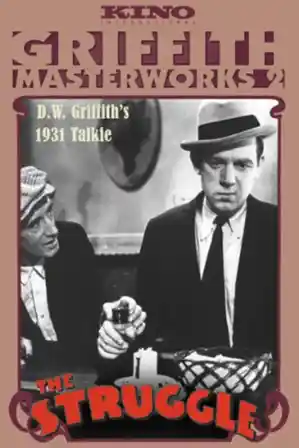
A definitive 5.9/10 rating for a film that redefined the boundaries of cult cinema. The Struggle remains a cornerstone of transgressive art.
"The Struggle" is not a Sunday afternoon popcorn flick, let's get that straight. If you're into early sound films, or if you're a serious film history buff, especially interested in D.W. Griffith's very last movie, then yes, this is absolutely worth finding. But if you're expecting fast pacing or subtle performances, you might want to steer clear. This one's a slow burn, a real gut punch about alcoholism, and it doesn't pull any punches. It's definitely not for folks who want things tied up neatly.
Maizie, played by Zita Johann, she's really the heart here. You see her trying to hold things together, watching her husband Jimmie (Hal Skelly) just... change. It's not a sudden thing. It starts small, just a drink here and there after losing his job. Then it's more. The way Skelly plays it, the descent is believable. He doesn't go from happy-go-lucky to raging drunk in one scene. It's a crawl. That's what really sticks.
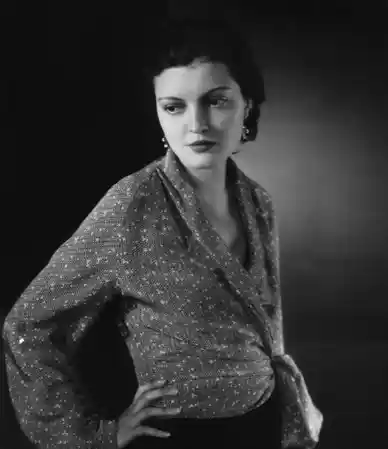
There's this one scene, Jimmie comes home, totally wasted, and Maizie is just there, sitting. Not yelling, not crying, just sitting. Her face says it all. The camera just holds on her for a moment, and you can feel the exhaustion. It's a quiet moment, but it speaks volumes. No big dramatics, just this quiet despair.
And the kids! Oh man, the kids. Edna Hagan and Jackson Halliday, they play the little ones. They don't have a ton of lines, but their reactions, the way they hide, or just watch Jimmie with wide, confused eyes. It's heartbreaking. You can almost feel them shrinking. There's a part where one of them tries to give Jimmie his own toy, like it'll fix him. So sad. 🥺
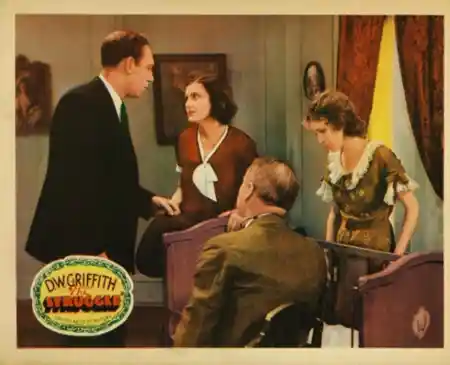
Griffith, this being his final picture. You see flashes of his earlier work, maybe. The way he frames Maizie sometimes, almost like a Madonna figure in her suffering. But then other parts feel... clunky? The sound sometimes, it’s a bit rough. You hear the dialogue, but it feels a little detached from the images sometimes. Like they hadn't quite figured out how to make sound and picture truly sing together yet. It's a little jarring.
The party scene, early on, before everything falls apart. Everyone’s dancing, having a good time. Jimmie's laughing. It feels a bit like a dream sequence once you know where it's going. Almost too happy. Like a postcard from a different movie, a memory of better times, you know?
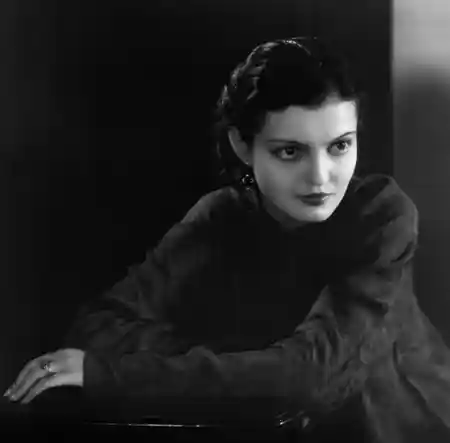
Then there's the bar scenes. The noise, the way the men lean on each other, the smoke. It felt real, in a gritty sort of way. You can almost smell the stale beer. And Tammany Young as the barkeep, he’s got this weary look. Seen it all, you know? His little shrug sometimes, that says more than a whole speech.
What strikes me, and this is maybe a weird thing to notice, is how clean the house stays for so long, even as Jimmie is falling apart. Maizie keeps it immaculate. It’s like she’s trying to hold onto one piece of order, even when everything else is chaos. A little detail, but it really says something about her character. A silent defiance, maybe.
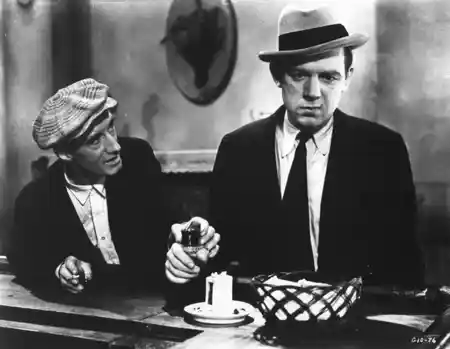
The film has a real habit of lingering. Sometimes it works, like on Maizie’s face. Other times, a scene goes on just a beat too long, and you start to notice the sets, or wonder what the extras are thinking. Like a strange shot of a clock on the wall during a tense argument. Why that clock? 🕰️
It’s not perfect, not by a long shot. Some of the acting, outside of Johann and Skelly, is a bit stiff. And the message, well, it’s pretty direct: Alcoholism is bad, m’kay? But for a 1931 film to tackle it with this much resolve, that's something. It’s not preachy in a typical way, more like a grim observation. It feels less like a moral lesson and more like a warning.
When Maizie finally does break, it's a huge moment. You've seen her endure so much, and then… she just can't anymore. It's a raw, almost uncomfortable scene. She's not a screaming banshee; she's just utterly, completely broken. You don't get a big cathartic cry, just this quiet, terrible collapse.
I kept thinking about how relevant this still is. Like, the specific details are old, sure. The clothes, the way people talk. But the core story, the pain of watching someone you love destroy themselves, that hasn't changed. And the helplessness. Maizie's helplessness is almost palpable. It’s a real downer, make no mistake. But an important one, I think. A snapshot of a struggle that keeps happening. A heavy film, but one that stays with you. It makes you think.
One thing that kinda bothered me, though it’s minor: they show a bottle of booze in a close-up, and it looks almost too carefully placed. Like a prop, not something naturally left there. Just a little thing that pulls you out for a second.
IMDb 5.4
1920
Community
Log in to comment.