DbcultAccessing Vault...
Cult Review
Senior Film Conservator
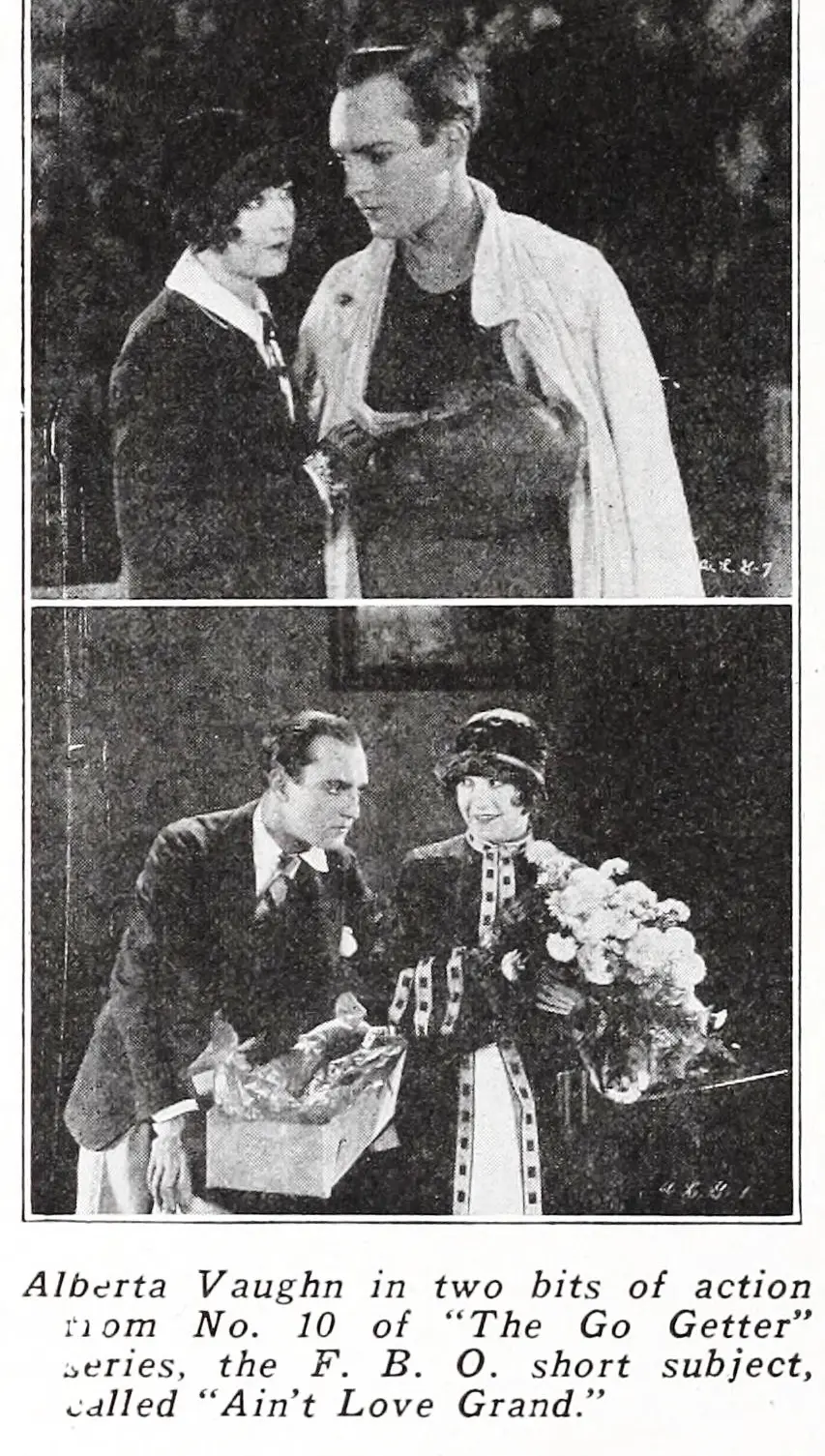
Is Ain't Love Grand? a hidden gem of the silent era? Short answer: No, it is a dusty relic that only a hardcore film historian or a silent comedy completionist could truly love today.
This film is strictly for those who find joy in the rhythmic mechanics of 1920s slapstick and the niche 'Fighting Blood' series players; it is decidedly not for modern audiences seeking narrative depth or sophisticated humor. It is a frantic, sweaty piece of celluloid that feels more like an exercise in cardio than a romantic comedy.
1) This film works because George O'Hara possesses a kinetic energy that translates even through grainy, century-old celluloid.
2) This film fails because the narrative is thinner than the film stock it was printed on, relying on gags that were already cliches by 1925.
3) You should watch it if you are conducting a deep-dive into the career of George Marion Jr. or the athletic comedy of the mid-twenties.
By 1925, the language of cinema was evolving rapidly. While masters like Keaton were perfecting the geometry of the gag, smaller productions like Ain't Love Grand? were still churning out the same reliable tropes. The film relies heavily on the physical prowess of George O'Hara. Unlike the more nuanced performances in A Small Town Idol, O'Hara’s approach is blunt and forceful. He doesn't just walk into a room; he explodes into it. This creates a pacing that is initially exciting but eventually exhausting.
The plot, such as it is, revolves around the rivalry between O'Hara and Kit Guard. Their chemistry is the highlight of the film. They represent a specific type of 'tough guy' comedy that was popular at the time—men who were as likely to throw a punch as they were to tip their hats. When compared to the more sentimental tones of Evangeline, this short feels remarkably cynical about the nature of romance. Love isn't a grand emotional journey here; it's a prize to be won through a series of increasingly absurd physical trials.
One cannot discuss this film without mentioning the writer, George Marion Jr. In the silent era, the 'title writer' was often the unsung hero of the production. Marion was a master of the witty intertitle, and his work here provides much-needed levity. While the physical action can feel repetitive, the text on screen is often sharp. For example, a scene where a character is described as having 'the brains of a gnat but the heart of a lion' perfectly encapsulates the era's reliance on archetypes over character development.
However, even Marion’s wit can’t save the middle act. The pacing stutters. There are moments where the film seems to forget it is a comedy and tries to lean into a more earnest drama, a tonal shift that fails miserably. It lacks the cohesive vision found in contemporary works like Common Sense Brackett. The film works best when it embraces its own absurdity rather than trying to ground itself in reality. It is a messy production. But it’s an honest one.
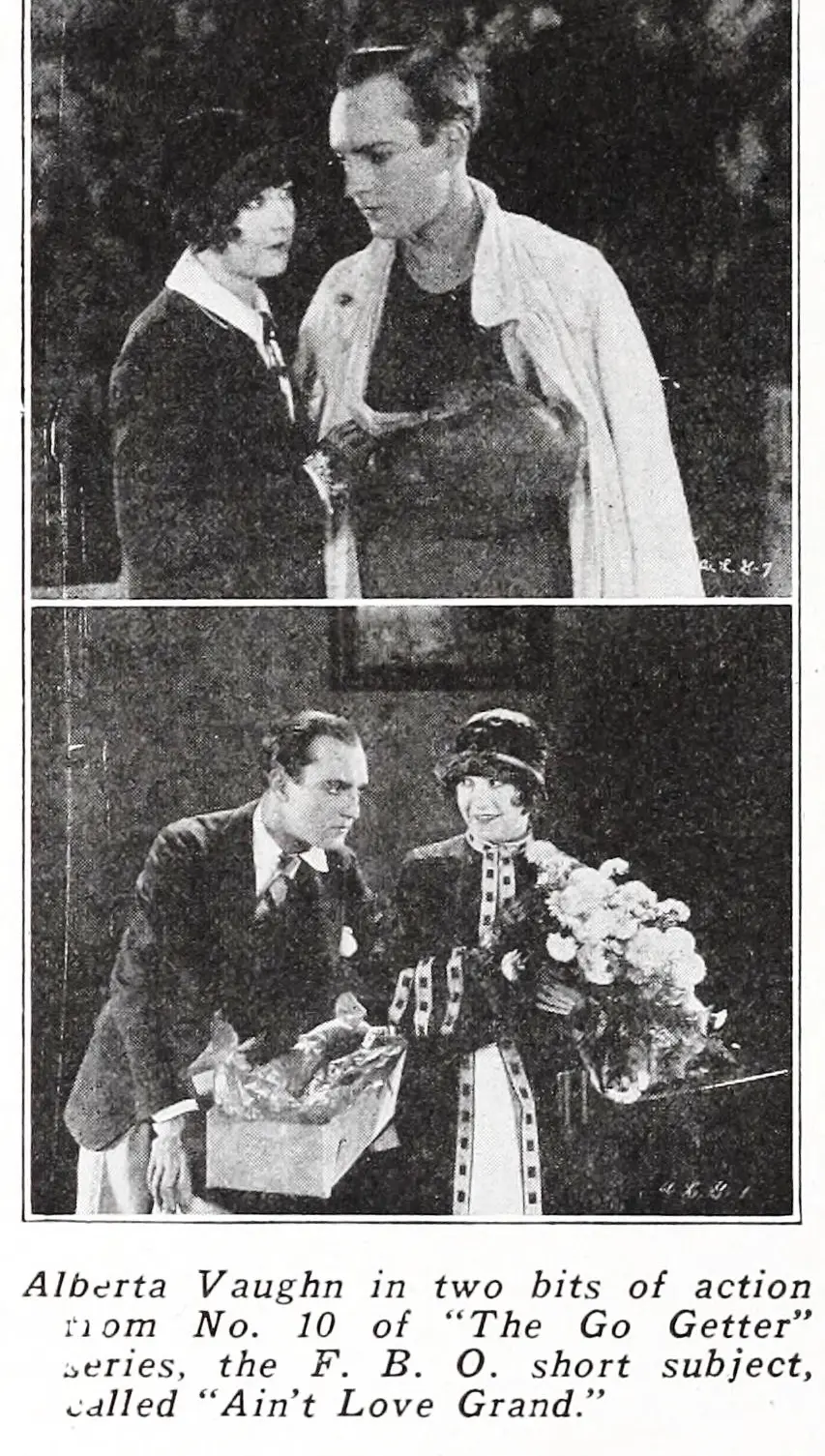
Alberta Vaughn provides the necessary grounding for the film’s more manic elements. As the object of affection, she could have easily been a two-dimensional prop. Instead, she brings a level of skepticism to her performance that feels surprisingly modern. She watches the antics of O'Hara and Guard with an expression that suggests she’d rather be anywhere else. This 'straight man' energy is vital. Without it, the film would spiral into an unwatchable mess of pratfalls.
In one specific scene at a social gathering, Vaughn’s character subtly rolls her eyes at a particularly clumsy attempt at flirtation. It is a small moment, but it showcases a level of performance that transcends the limitations of the script. It reminds me of the understated acting in The Eternal Magdalene, where the silence allows for a deeper emotional resonance than the dialogue ever could. Vaughn was a star for a reason, and her presence here is the only thing keeping the romantic subplot from being entirely forgettable.
Ain't Love Grand? is worth watching only if you have a specific interest in the history of 1920s comedy shorts or the 'Fighting Blood' series. For the average viewer, the dated gags and lack of a strong narrative arc will make it a difficult watch. However, for those interested in the evolution of cinematic editing and the use of intertitles, it offers a fascinating glimpse into the industry's formative years.
Pros:
The chemistry between O'Hara and Guard is genuinely energetic. The film serves as a great historical document of the transition from Vaudeville-style humor to cinematic storytelling. Alberta Vaughn is a charismatic lead who deserves more recognition.
Cons:
The cinematography is static and uninspired, typical of lower-budget shorts of the era. The 'romantic' plot is essentially non-existent, serving only as a thin excuse for the next chase scene. It lacks the heart found in My Dog, Pal.
Ain't Love Grand? is a frantic piece of history that ultimately fails to justify its existence as anything more than a curiosity. While the performances are spirited and the title cards are witty, the film lacks the structural integrity to be considered a classic. It is clunky. It is loud without making a sound. It is a reminder that not everything from the 'Golden Age' was gold. If you find yourself scrolling through archives, give it a look for ten minutes to appreciate the energy, then move on to something with more substance like The Gilded Youth. It’s a pass for me.
IMDb 5.9
1921
Community
Log in to comment.