DbcultAccessing Vault...
7.8/10
Senior Film Conservator
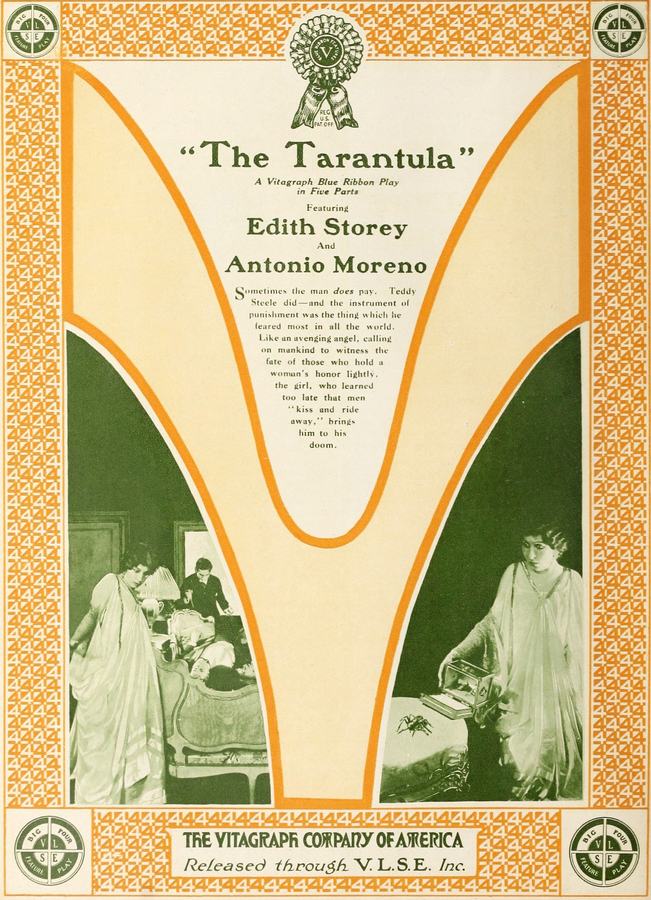
A definitive 7.8/10 rating for a film that redefined the boundaries of cult cinema. The Tarantula remains a cornerstone of transgressive art.
A nickelodeon’s flicker seldom survives the century without fraying into dust, yet The Tarantula—that brittle, venomous pearl of 1916—still twitches with uncanny life. I first encountered it in a Bologna vault, the nitrate reek curling like a curse; one frame of Chonita’s kohl-smudged stare and I understood why gentlemen in top hats once fainted dead away. The film is a moral poison dart wrapped in gossamer: desire, disgrace, and an arachnid coup-de-grâce.
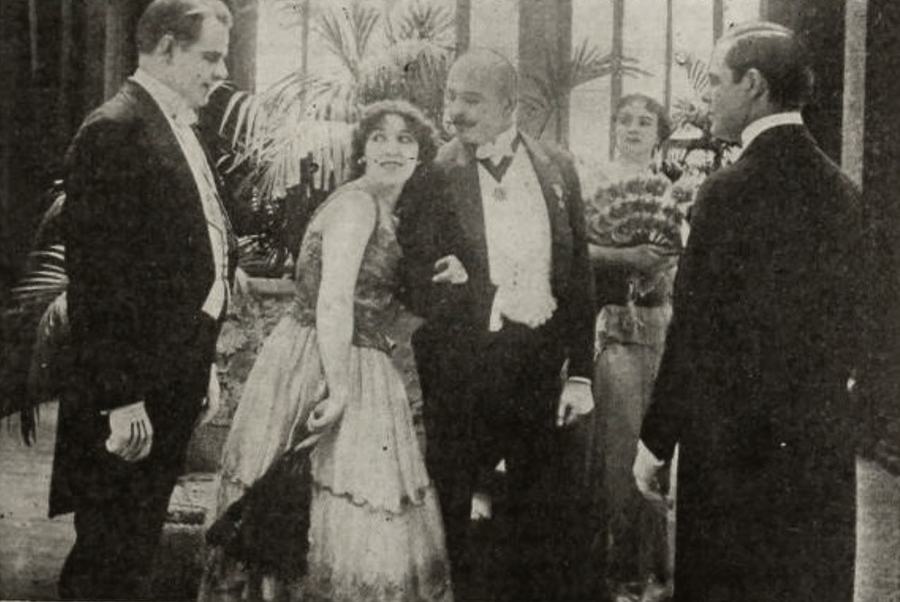
The cinematographer, presumed to be George D. Baker himself, sculpts chiaroscuro so luxuriant you can almost taste the tropic sweat in Mexico’s scenes—palms slash the frame like serrated knives while white linen suits glow like secular halos. Back in Manhattan, Baker lets the city’s new electric grids stripe the mise-en-scène with sea-blue girders, a subtle prefiguration that civilization’s gleaming geometry cannot cage primal impulse.
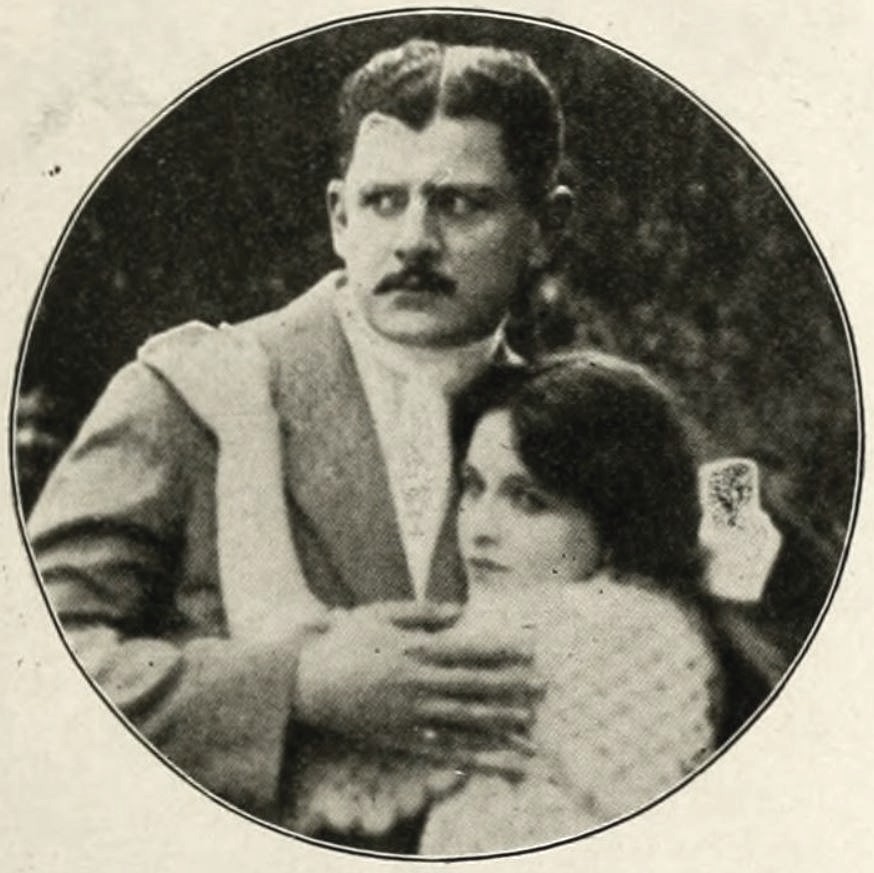
Edith Storey’s Chonita oscillates between fawn-eyed adoration and obsidian vindication without the aid of spoken word; her shoulders articulate heartbreak in one shimmy, triumph in the next. Watch the micro-gesture when she receives her father’s dagger: a fingertip brushes the blade, hesitates, then pushes it away—an entire manifesto of female agency compressed into four seconds.
Opposite her, Templar Saxe essays Teddy with the porcelain arrogance of a man who has never imagined consequence. His descent from swagger to apoplectic horror is calibrated in millimeters: note how the left eyelid twitches each time the script mentions matrimony. By the time the tarantula emerges, his face has become a silent scream that echoes across a century.
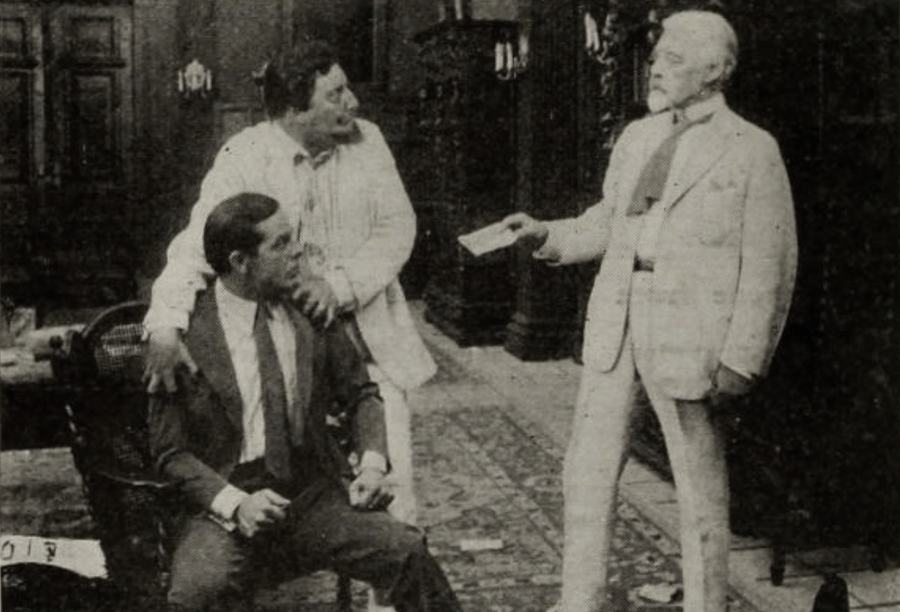
Spiders infested early cinema—see The Root of Evil or A Daughter of the Gods—yet none attain the phantasmagoric punch of this specimen. Baker withholds the creature for twenty-two narrative minutes, letting rumor and shadow construct its mythology. When the lid lifts, the tarantula is not merely a pest but an id incarnate: hairy, segmented, unstoppably crawling toward the very apartment whose parquet once echoed with perfumed laughter.
Archival evidence suggests the original road-show employed a live trio—violin, marimba, and a prepared piano fitted with parchment between strings to simulate arachnid scuttle. Today’s restorations often pair the picture with a commissioned score by Quatuor Bozzini; tremolo harmonics glide into dissonant pizzicatos as Teddy gallops toward the station, and a single bass-note sustains for an impossible forty seconds while the spider advances—Hitchcock before Hitchcock.
Place The Tarantula beside The Plunderer and you’ll notice both pivot on a woman weaponizing her own desirability; yet where the latter ends in sacrificial redemption, Baker’s film offers no such sop. Chonita’s vengeance is immaculate, unrepentant. Conversely, The Springtime of Life dilutes its comeuppance with pastoral forgiveness—a softness Baker contemptuously excises.
Modern critics rightly flag the “tragic señorita” trope, yet Storey and Baker complicate the cliché: Chonita commands the final tableau, her foot on the sill as she watches Teddy convulse, eyes shining not with remorse but with the cold satisfaction of an artist stepping back from a finished canvas. The colonial superstructure—hacienda, patriarch, dagger—collapses under her will; the spider, indigenous to Mexican soil, becomes insurgent.
For decades only a 9.5 mm pathéscope abridgement survived in a Liège attic, missing the pivotal birth scene. In 2019 a 35 mm du-negative surfaced at the Cloister’s auction, mislabeled “Tarantella Mexicana Comedy.” Under NFT fluorescence the label bled away, revealing Baker’s original edge numbering. The George Eastman Museum completed the 4 K scan; spider hairs now bristle like bayonets without betraying analog soul.
As of this month, the restoration streams on Criterion Channel in a 107-minute cut, accompanied by a scholarly commentary that excavates censorship cards from the Pennsylvania Board (they demanded the excision of the word “betrayer” yet allowed the on-screen death—moral arithmetic of 1916). For physical media, the forthcoming “Macabre Silents box” from Kino Lorber will pair the film with The Stranglers of Paris in a blood-red translucent case limited to 3,000 units.
Great art should bite, and The Tarantula leaves twin punctures: one in the complacent masculine ego, another in the celluloid membrane that separates spectacle from subconscious. I have watched it six times in a year; each viewing unspools new threads—notice how the mirror in Teddy’s apartment is octagonal, spider-like, framing his reflection as prey long before the box arrives. The film is both artifact and prophecy, a velvet-gloved slap reminding us that every era’s libertine carries his own predator within, patiently waiting for the lid to open.
— Cine-Arachnologist @CelluloidSilk
IMDb 2.3
1924
Community
Log in to comment.