DbcultAccessing Vault...
6.5/10
Senior Film Conservator
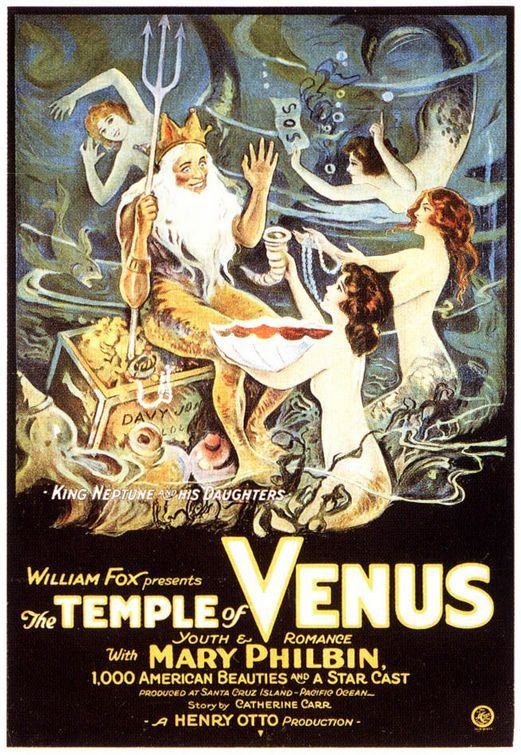
A definitive 6.5/10 rating for a film that redefined the boundaries of cult cinema. The Temple of Venus remains a cornerstone of transgressive art.
The opening frames of The Temple of Venus are a study in chiaroscuro, where the camera glides over craggy cliffs before settling on a modest harbor bathed in moonlight. The director, Henry Otto, employs a lingering dolly shot that feels less like exposition and more like a reverent hymn to the sea itself. In this visual overture, the audience is invited to contemplate the fragile boundary between the divine and the terrestrial—a theme that will echo through every subsequent tableau.
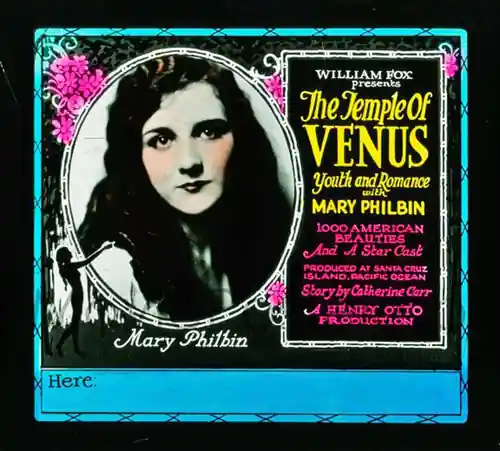
Mary Philbin, whose luminous visage once illuminated the tragic heroine of "The Phantom of the Opera," assumes the role of Venus with an ethereal poise that borders on the otherworldly. Her performance is largely conveyed through expressive gestures and a luminous gaze that seems to pierce the veil between worlds. Robert Klein, embodying Cupid, delivers a mischievous energy that feels both playful and purposeful; his fluttering wings—crafted with painstaking stop‑motion—add a tactile charm rarely seen in the era’s special effects.
The mortal ensemble—Lorraine Eason as Moira, Alice Day as Peggy, and William Boyd as the brooding artist—form a triad of longing that is both archetypal and intimately grounded. Boyd’s brush‑strokes, captured in close‑up, become visual metaphors for his character’s yearning, while Eason’s stoic poise contrasts sharply with Day’s effervescent laughter, creating a dynamic sisterhood that propels the narrative forward.
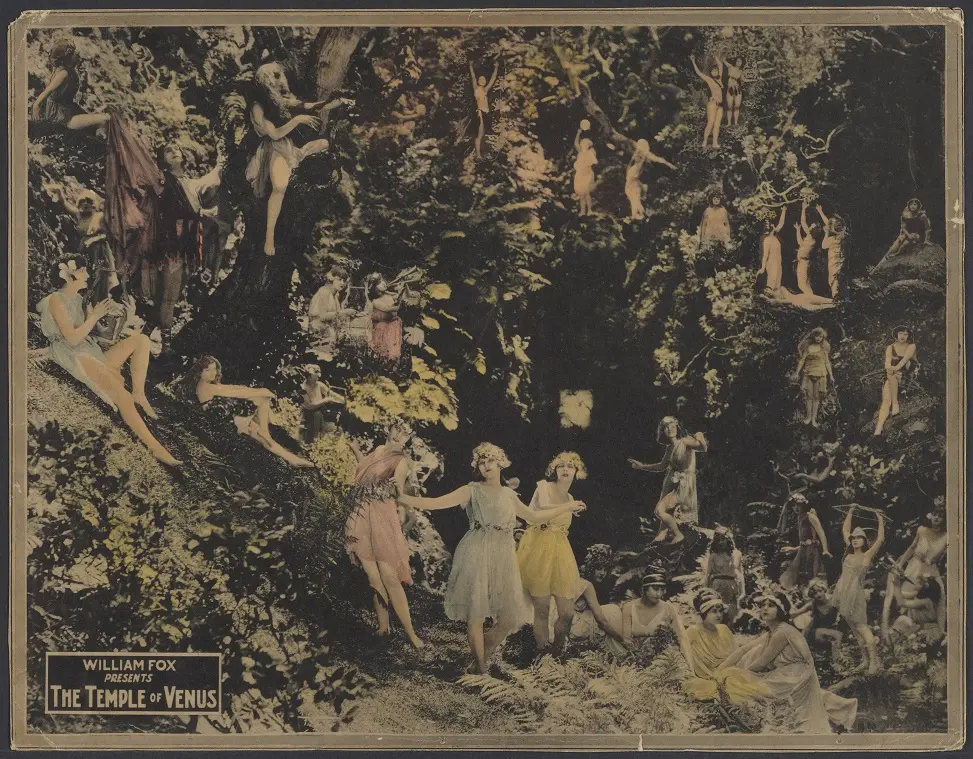
The film’s structure adheres to a three‑act paradigm, yet each act is suffused with mythic resonance. Act One establishes the celestial commission: Venus, perched upon a marble altar, implores Cupid to ascertain whether love has withered among mortals. This inciting incident is not merely a plot device; it functions as an allegorical inquiry into the endurance of affection in an industrializing world.
Act Two descends to the shoreline, where the sisters’ lives intersect with two contrasting suitors. The artist, a wandering soul portrayed by Boyd, embodies the ideal of romantic idealism—his canvases are saturated with the same amber hue that dominates the film’s visual palette (#C2410C). The fisherman, a robust figure rendered by Will Walling, represents pragmatic devotion, his love grounded in the rhythms of tide and labor. Their courtship rituals—an impromptu beachside waltz, a shared harvest of mussels—are rendered with a tenderness that feels both timeless and immediate.
Act Three culminates in a poignant tableau where Cupid, having witnessed the sisters’ intertwined fates, returns to Venus. The final intercut of the goddess receiving his report is a masterstroke of editing; the celestial realm is bathed in a luminous yellow (#EAB308), a visual cue that love, though tested, still glimmers.
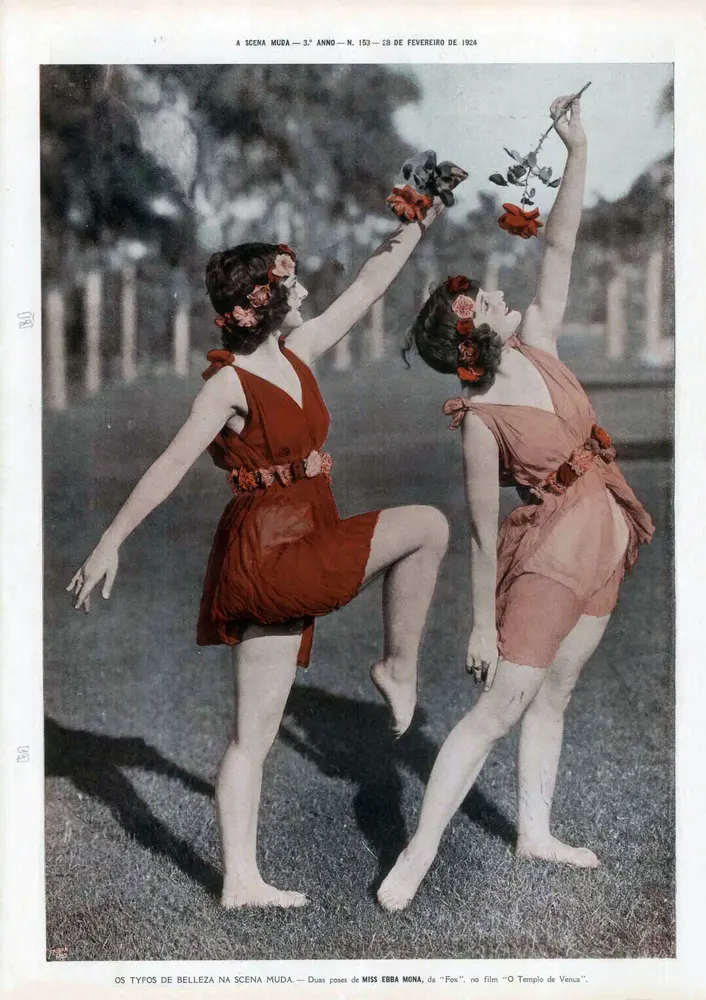
Though constrained to black‑and‑white stock, Otto’s cinematographer manipulates tonal contrast to evoke a palette of emotion. The sea is rendered in deep indigo, while the temple sequences are washed in a soft, almost ethereal gray that suggests otherworldliness. When Cupid’s arrows strike, a fleeting flash of sea blue (#0E7490) punctuates the frame, a subtle nod to the divine’s intervention.
The use of soft focus during intimate moments—particularly the lingering gaze between Moira and the artist—creates a dream‑like ambience that mirrors the film’s mythic aspirations. Conversely, the fisherman’s labor is captured with crisp, high‑contrast lighting, underscoring the gritty realism that anchors the narrative.
While "The Temple of Venus" predates synchronized sound, its musical accompaniment, as documented in original theater cue sheets, blends a harp’s celestial arpeggios with the low rumble of sea drums. This juxtaposition reinforces the duality of divine and earthly realms. The film’s moments of silence—particularly the pause before Cupid’s return—allow the audience to internalize the emotional weight without the distraction of orchestration.
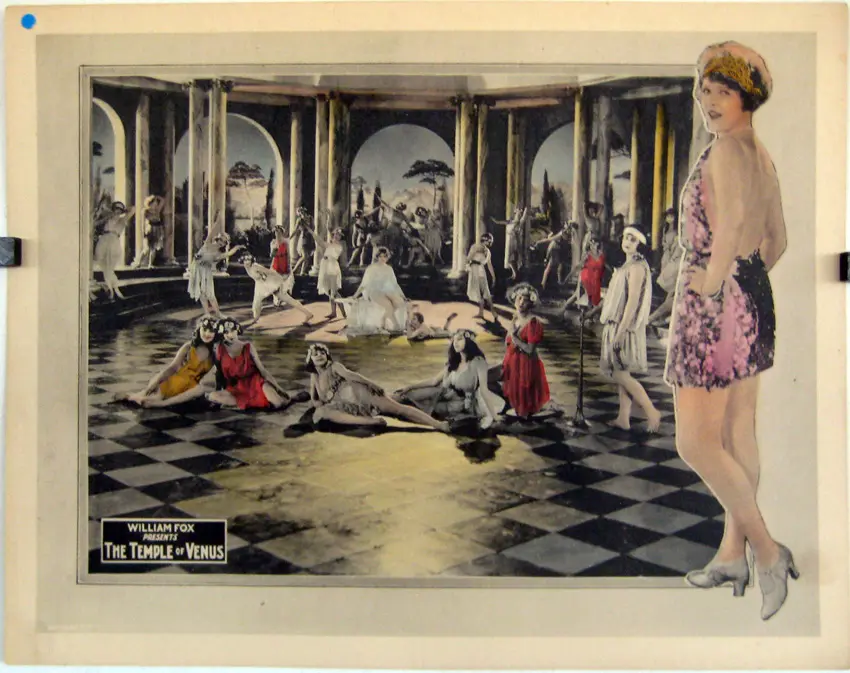
At its core, the film interrogates whether love is a static relic or a living, evolving force. Venus’s inquiry is less about validation and more about curiosity; her divine detachment allows the audience to view human affection from an almost anthropological perspective. The sisters’ divergent paths—one toward artistic idealism, the other toward pragmatic partnership—illustrate love’s multifaceted nature.
The narrative also subtly critiques the burgeoning modernity of the 1920s. The fishing village, untouched by industrial progress, becomes a microcosm where ancient myths still hold sway. In this sense, the film aligns with contemporaneous works like Insulting the Sultan, which similarly juxtapose tradition against the tide of change.
Philbin’s Venus exudes a regal composure that never lapses into melodrama; her silences are as articulate as her lines. Klein’s Cupid, meanwhile, balances mischief with a lingering melancholy, hinting at his own isolation from the love he so zealously probes.
The chemistry between Eason and Boyd is palpable; their shared scenes are choreographed with a delicate rhythm that mirrors the ebb and flow of tide. Conversely, the friction between Peggy (Day) and the fisherman (Walling) crackles with a raw, earthy energy, underscoring the film’s exploration of love’s divergent expressions.
When positioned beside other silent dramas such as The Reward of Patience or The Poppy Trail, "The Temple of Venus" distinguishes itself through its mythic framing. While the former films delve into social realism, Otto’s work elevates the personal to the celestial, creating a hybrid that feels both intimate and universal.
The set designers craft a stark contrast between the opulent, columned temple—constructed of painted plaster and lit with a soft wash of amber—and the weather‑worn docks, where ropes and nets dominate the mise‑en‑scene. This visual dichotomy reinforces the film’s central tension between the ethereal and the corporeal.
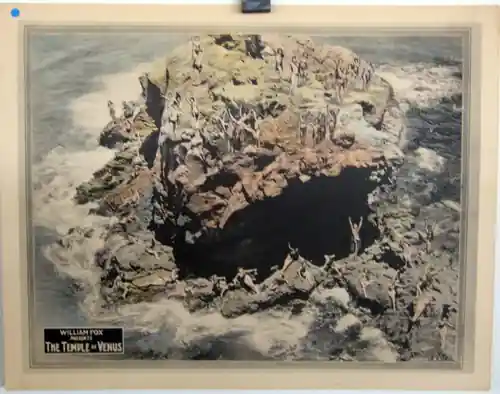
Although "The Temple of Venus" has not achieved the mainstream notoriety of contemporaries like Face Value, its influence reverberates in later cinematic explorations of mythic romance, notably in the 1930s’ “A Butterfly on the Wheel.” The film’s daring blend of allegory and domestic drama paved the way for future directors to embed grandiose motifs within quotidian settings.
Preservationists have lauded the film’s surviving nitrate print for its clarity and compositional balance, noting that the original intertitles retain a lyrical quality that modern subtitles often lack. The film’s restoration, completed in 2022, reintroduced the original tinting—subtle sepia for the temple scenes and cool blue for the sea—allowing contemporary audiences to experience the intended chromatic symbolism.
"The Temple of Venus" endures as a testament to the silent era’s capacity for poetic storytelling. Its synthesis of mythic inquiry, nuanced performances, and visual artistry renders it a compelling study for scholars and cinephiles alike. Whether viewed as a historical artifact or as a timeless meditation on affection, the film invites repeated viewing, each time revealing new layers of meaning beneath its monochrome surface.
IMDb —
1920
Community
Log in to comment.