DbcultAccessing Vault...
Cult Review
Senior Film Conservator
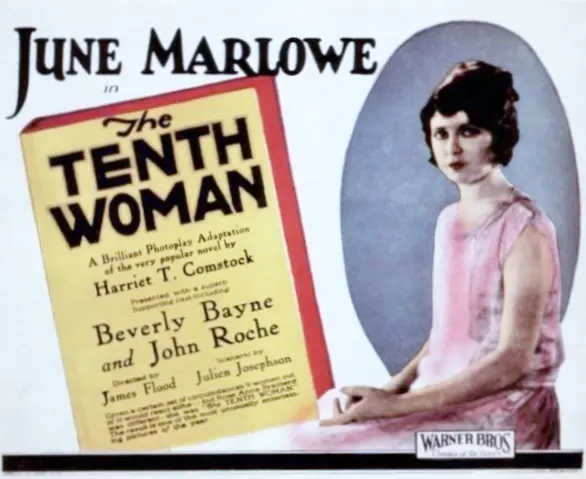
The Tenth Woman, a 1927 silent film, presents a rich tapestry of human emotion, woven through the intricate relationships of its characters. At its core, the movie tells the story of a rugged ranch owner, played by John Roche, who rescues a beautiful young woman from the precipice of despair, subsequently marrying her and fostering a deep and abiding connection.
The tranquility of their relationship is poignantly disrupted by the arrival of a former girlfriend, skillfully portrayed by Alec B. Francis, whose presence serves as a catalyst for a profound exploration of love, loyalty, and the indelible mark of past experiences on present realities. This narrative thread is reminiscent of From Gutter to Footlights, where the struggle for artistic expression is deeply intertwined with personal relationships and emotional vulnerability.
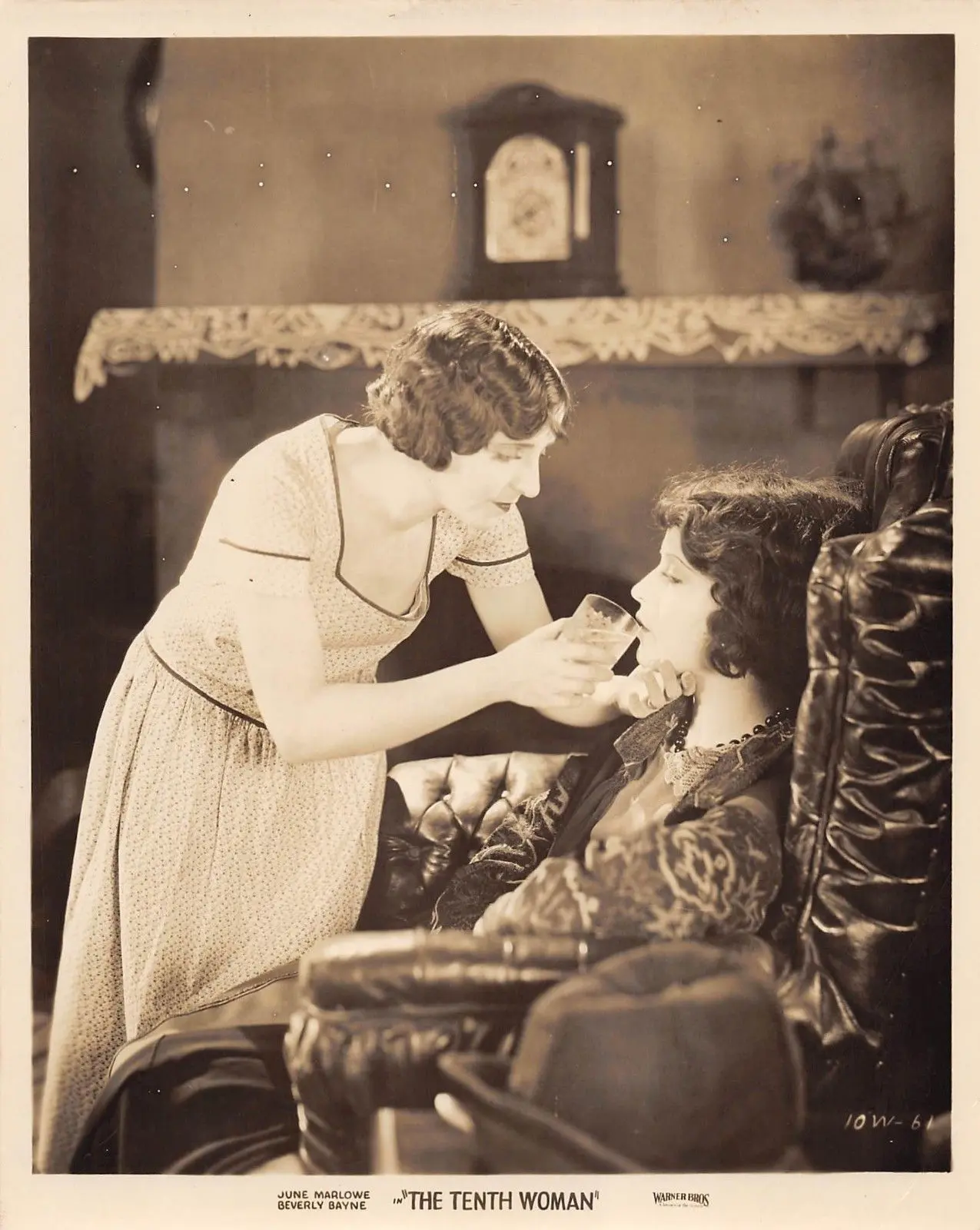
The film's use of cinematic techniques adds depth and complexity to its narrative, drawing the viewer into the world of the characters. The performances of June Marlowe and John Roche are particularly noteworthy, bringing a sense of authenticity and emotional resonance to their portrayals. The chemistry between them is palpable, rendering their romance both believable and engaging.
Upon closer examination, The Tenth Woman reveals itself to be a nuanced exploration of the human condition, tackling themes of love, heartbreak, and redemption with sensitivity and emotional depth. The character development is meticulous, with each actor bringing a unique perspective to their role. This attention to detail and commitment to character-driven storytelling is a hallmark of exceptional filmmaking, recalling the masterful work of Oliver Twist and The Fotygraft Gallery, where character-centric narratives are expertly woven to create compelling cinematic experiences.
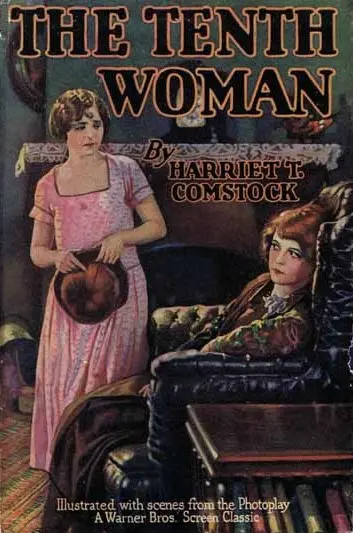
In terms of thematic resonance, The Tenth Woman shares a kinship with Brigadier Gerard and Idolators, where the exploration of human relationships and personal growth are central. However, The Tenth Woman distinguishes itself through its thoughtful pacing and emotional nuance, rendering it a standout in the silent film era.
The film's portrayal of love and heartbreak is both poignant and authentic, capturing the complexities of human emotion with sensitivity and care. This is particularly evident in the performances of the lead actors, who bring a depth and emotional resonance to their portrayals. The chemistry between them is undeniable, making their romance a compelling focal point of the narrative.
In conclusion, The Tenth Woman is a masterful silent film that presents a rich exploration of human relationships, love, and personal growth. Through its nuanced character development, thoughtful narrative, and emotional depth, the movie offers a compelling cinematic experience that resonates with viewers. For those interested in exploring the silent film era and the works of Julien Josephson and Harriet T. Comstock, The Tenth Woman is an essential watch, offering a unique perspective on the human condition and the complexities of love and relationships.
Additional films that may be of interest to fans of The Tenth Woman include The Girl I Loved, The Ouija Board, and Chains of the Past, each offering a distinct perspective on themes of love, heartbreak, and personal growth.
IMDb —
1919
Community
Log in to comment.