DbcultAccessing Vault...
5.8/10
Senior Film Conservator
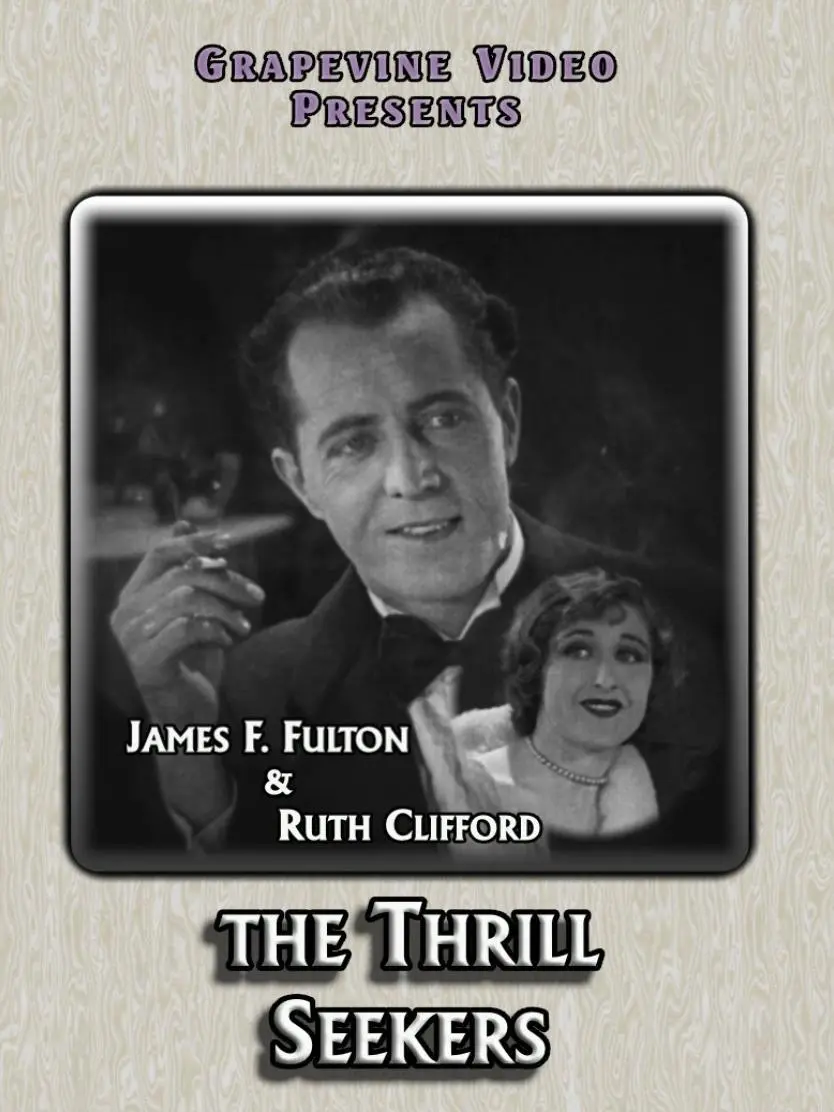
A definitive 5.8/10 rating for a film that redefined the boundaries of cult cinema. The Thrill Seekers remains a cornerstone of transgressive art.
Is The Thrill Seekers a forgotten gem or a dusty relic? Short answer: It is a fascinating, if uneven, artifact that captures the frantic pulse of the late 1920s.
This film is for silent era completists and those who love a good 'clash of cultures' story; it is not for viewers who require tight logic or modern pacing. It works. But it’s flawed.
Yes, The Thrill Seekers is worth watching for anyone interested in how early cinema navigated the transition from rural traditions to urban decadence. While it lacks the technical polish of high-budget contemporaries, its earnest energy is infectious. It provides a raw look at the social anxieties of 1927, wrapped in a melodrama that refuses to sit still.
This film works because it leans into the physical charisma of Harold Austin, who makes the transition from woodsman to socialite feel genuinely awkward and endearing.
This film fails because the third-act pivot into a gangster kidnapping plot feels like a desperate attempt to satisfy every genre requirement at once.
You should watch it if you enjoy films that explore the 'corrupting' influence of the big city, much like the themes found in The Money Mill or Forbidden Fruit.
The 1920s was a decade of profound identity crises for America. We were moving from the farm to the factory, and The Thrill Seekers captures this perfectly through the character of Gerald Kentworth. Harold Austin plays Kentworth with a heavy-set, grounded physicality that immediately contrasts with the spindly, nervous energy of the New York socialites. In the opening scenes set in the timberlands, the camera lingers on his competence; he is a man in control. Once he reaches the city, that control evaporates.
There is a specific scene in a high-end restaurant where Gerald struggles with the sheer volume of silverware. It’s a trope we’ve seen a thousand times, but Austin plays it with a subtle frustration rather than broad slapstick. He isn't a clown; he's a displaced person. This grounded performance keeps the film from drifting into pure parody, even when the plot becomes increasingly absurd. It’s a far more human approach than the heightened drama found in The Beloved Impostor.
Director Raymond Wells makes some bold choices here, though not all of them land. The contrast between the natural lighting of the forest and the harsh, artificial shadows of the New York nightlife is striking. Wells uses the city’s architecture to dwarf Gerald, making the towering skyscrapers feel like a new kind of forest—one that is far more dangerous than the one he left behind. The use of deep focus in the nightclub scenes allows us to see the predatory nature of the background characters, heightening the sense of unease.
However, the pacing is a bit of a mess. The inheritance happens so quickly it feels like a cosmic joke, and the film rushes through Gerald’s adaptation to city life. We don't get enough time to see him actually 'learn' the city; he just arrives, buys a suit, and is suddenly the talk of the town. This lack of transition makes the middle section feel thin. If you compare this to the deliberate character building in Tol'able David, The Thrill Seekers feels like it’s in too much of a hurry to get to the action.
About an hour in, the film decides it wants to be Underworld. The introduction of Adrean’s gangster ex-boyfriend is where the narrative starts to fray at the edges. Up until this point, the film was a charming social commentary. Suddenly, we are thrust into a world of kidnappings and dark alleys. While Max Wagner plays the villain with a delicious, silent-era sneer, the shift is jarring.
The kidnapping of Adrean (Ruth Clifford) serves as the catalyst for Gerald to return to his 'primal' roots. It’s a bit of a regressive theme—the idea that the city makes men soft and only through violence can they reclaim their masculinity. When Gerald finally confronts the gangsters, he doesn't use his new wealth or social standing; he uses his hands. It’s a brutal, well-choreographed fight that stands out for its lack of stylized 'movie' punching. It’s raw and messy, much like the film itself.
When looking at other films of the period, like The Vamp or The Temptress, we see a recurring obsession with the 'fallen' woman and the 'innocent' man. The Thrill Seekers flips this slightly. Adrean isn't a vamp; she’s a victim of her own social circle. This makes the romance feel more genuine than the usual silent-era 'man meets temptress' dynamic. It’s closer in spirit to Arms and the Woman, where the struggle is as much about internal character as it is about external threats.
Technically, the film doesn't have the experimental flair of something like Kino-pravda no. 21. It is a commercial product, through and through. But within those commercial constraints, Mabel Z. Carroll’s script manages to inject some genuine heart. It’s a story about the fear of losing oneself in the noise of progress, a theme that remains relevant even today.
The film offers a fascinating glimpse into 1920s New York nightlife. The set design for the nightclubs is lavish and evocative. The chemistry between Austin and Clifford is surprisingly tender for a film of this era. Additionally, the fight choreography in the finale is surprisingly modern in its grit.
The plot relies on several massive coincidences that strain credulity. The secondary characters, particularly the gangsters, are one-dimensional caricatures. Some of the title cards are overly long and explain things that the actors are already conveying through their performance.
The Thrill Seekers is not a masterpiece, but it is a highly entertaining slice of 1920s cinema. It captures the spirit of an era that was obsessed with the new, the fast, and the dangerous. While it stumbles in its attempt to be three different movies at once—a rural drama, a social comedy, and a crime thriller—it succeeds because of its leading man’s earnestness. It’s a reminder that even in the silent era, audiences were hungry for stories about the struggle to remain 'real' in a world that values 'flash.' It’s messy. It’s loud (in its own way). But it’s worth the ride.
IMDb —
1916
Community
Log in to comment.