DbcultAccessing Vault...
6.3/10
Senior Film Conservator
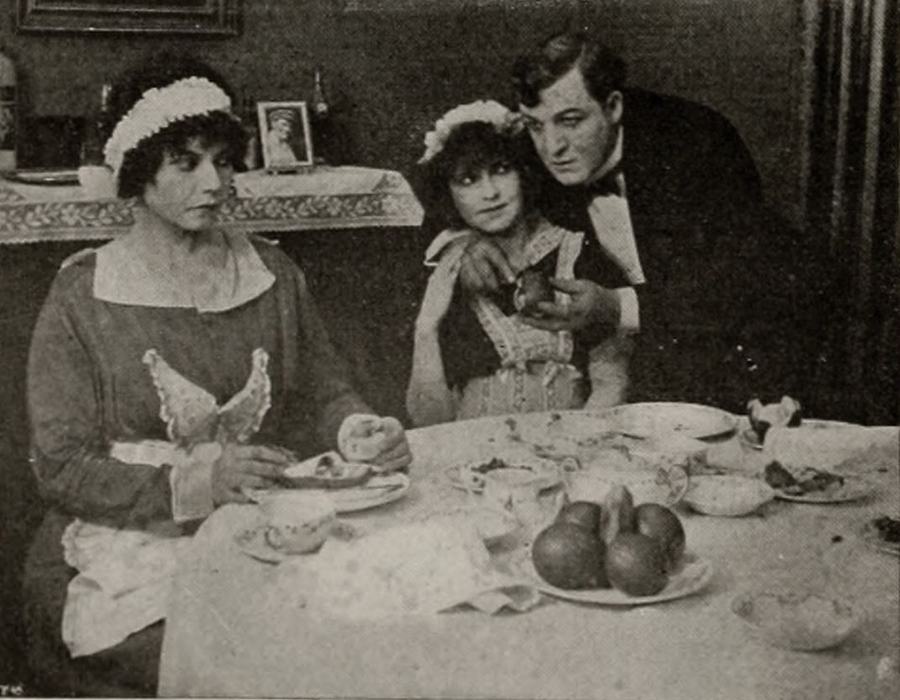
A definitive 6.3/10 rating for a film that redefined the boundaries of cult cinema. For the Defense remains a cornerstone of transgressive art.
Stepping back into the nascent years of cinematic storytelling, 1916’s For the Defense emerges not merely as a relic of a bygone era, but as a surprisingly robust and thematically rich drama that deftly navigates the treacherous waters of class, justice, and personal sacrifice. From its very premise, the film establishes a world teetering on the brink of moral collapse, where the perceived impunity of the elite clashes violently with the silent suffering of the working class. It's a narrative that, even a century later, still resonates with an uncomfortable familiarity, speaking to the timeless struggle for truth in the face of entrenched power.
The core of For the Defense is a profoundly human tale, drenched in the melodrama characteristic of its period, yet elevated by its unflinching exploration of loyalty and moral rectitude. The story unfurls with a scene of decadent excess, a familiar trope in early cinema designed to immediately establish character and conflict. Two affluent young men, their judgment clouded by an evening of unrestrained revelry, return to a domestic sphere that is anything but tranquil. The ensuing tragedy—a violent assault on a maid culminating in a fatal struggle—is a stark reminder of the corrosive effects of privilege unchecked. This pivotal event sets in motion a chain reaction of ethical dilemmas and daring acts.
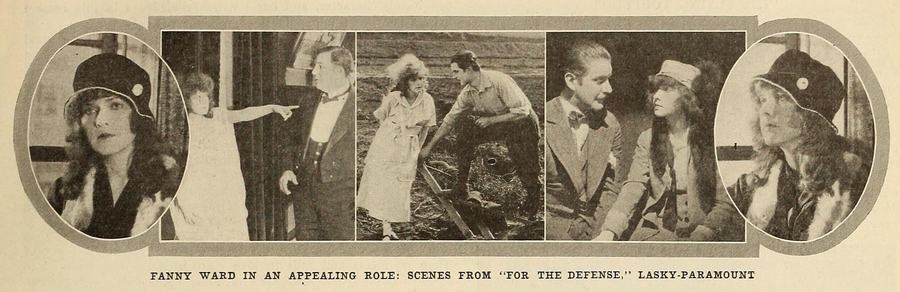
Here, the film introduces its most compelling figure: the butler, portrayed with quiet dignity and immense fortitude. His swift intervention, initially to protect the vulnerable and then, in a moment of desperate pragmatism, to shield his master, forms the narrative's emotional anchor. This act of self-sacrifice, where he willingly shoulders the burden of a crime he did not commit, speaks volumes about the rigid social hierarchies and the unspoken codes of loyalty prevalent in that era. It's a testament to the power of a single individual's moral compass, even when navigating a labyrinth of injustice. This theme of personal sacrifice in the face of overwhelming odds echoes through cinematic history, finding parallels in later, more celebrated works, but here, in this silent gem, it feels raw and immediate.
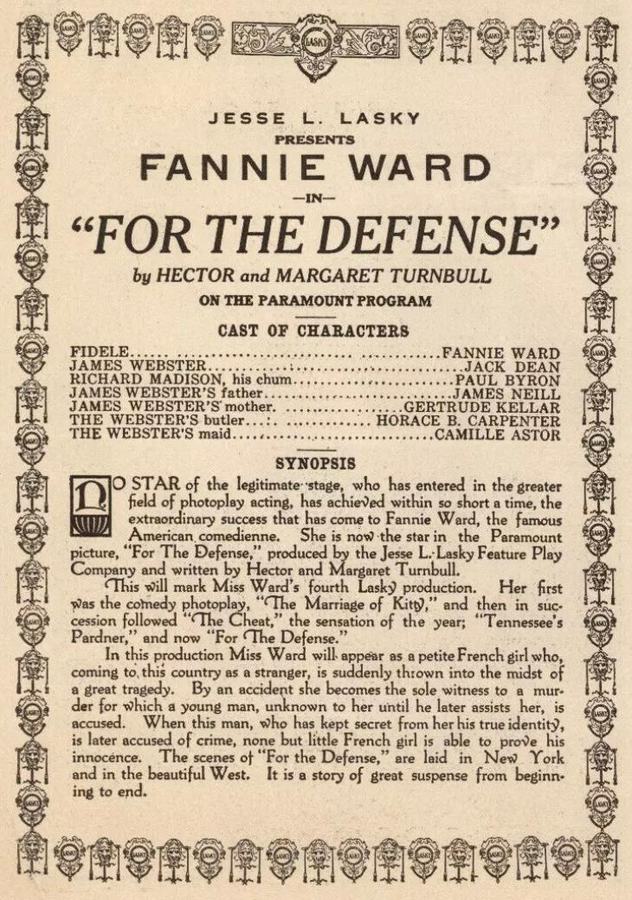
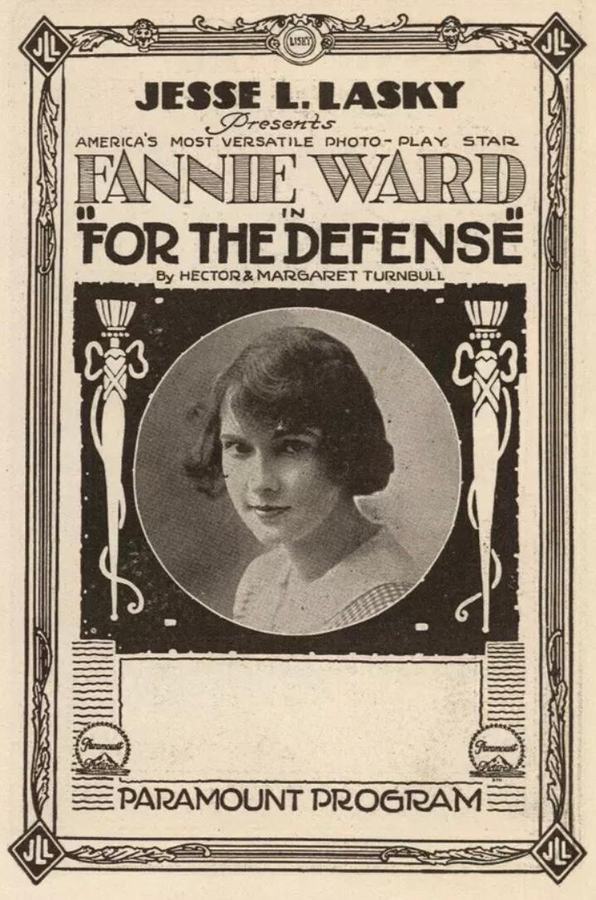
The performances in For the Defense, particularly from its lead actors, are remarkably nuanced for the silent era, where broad gestures often superseded subtle expressions. Fannie Ward, as the French girl, delivers a performance that is both fragile and fiercely determined. Her character is not merely a passive witness but an active agent of change, transforming from a victim of circumstance to a courageous seeker of justice. The film’s decision to empower a female character in such a pivotal, proactive role is particularly noteworthy for its time. She embodies a proto-feminist spirit, refusing to be silenced or intimidated, choosing instead to confront the very forces that sought to oppress her.
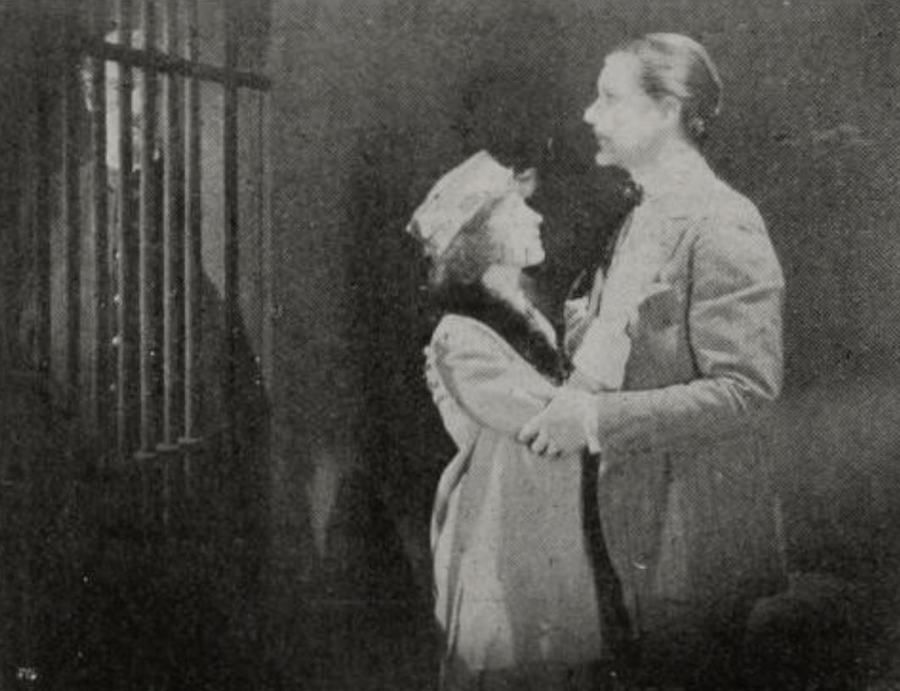
Paul Byron, in his portrayal of the morally conflicted master, navigates the difficult terrain of guilt and complicity with a palpable internal struggle. His character's journey from careless hedonist to a man grappling with the weight of another's sacrifice is subtly rendered, allowing the audience to witness his evolving conscience without the crutch of dialogue. James Neill, as the loyal butler, exudes a quiet strength that grounds the entire narrative. His expressions, though constrained by the era's acting conventions, convey a deep sense of duty and honor, making his self-sacrificial act entirely believable and profoundly moving. The supporting cast, including Camille Astor, Jack Dean, Horace B. Carpenter, and Gertrude Kellar, contribute effectively to the film's atmosphere, each playing their part in the intricate dance of deception and revelation.
The screenplay, penned by Hector Turnbull and Margaret Turnbull, demonstrates a keen understanding of dramatic tension and character development. They skillfully construct a plot that, despite its melodramatic flourishes, maintains a gripping pace and a surprising degree of psychological depth. The choice to introduce the French girl, a witness with her own harrowing past, and then integrate her into the central conflict as an undercover agent, is a stroke of narrative genius. It not only provides a fresh perspective but also amplifies the stakes, transforming a simple crime drama into a story of personal redemption and systemic exposé. This clever plot device, where a character assumes a new identity to uncover the truth, is a timeless cinematic trope, one that can be seen echoed in films like The Greyhound, where deception and disguise are central to the unfolding drama.
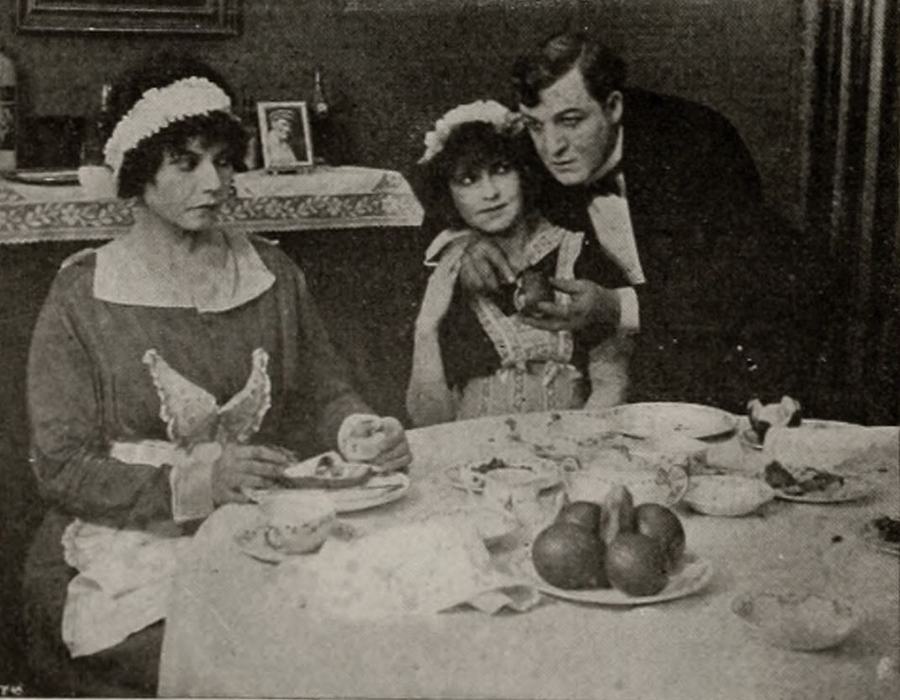
The direction, while not attributed in the provided details, effectively utilizes the visual language of silent cinema to convey emotion and propel the narrative. The staging of the pivotal crime scene, the quiet moments of the butler's internal conflict, and the tense sequences of the French girl's undercover operation are all handled with a clarity that ensures the audience remains fully engaged. The film manages to build suspense without relying on dialogue, a true testament to the power of visual storytelling and the expressive capabilities of its actors. This ability to communicate complex ideas and emotions purely through imagery and performance places it alongside other compelling silent narratives such as The Sign of the Cross, which also relied heavily on visual spectacle and powerful acting to convey its epic scope and moral conflicts.
At its heart, For the Defense is a powerful commentary on justice—or the lack thereof—in a society stratified by wealth and influence. The ease with which the wealthy master initially evades accountability, and the readiness of the system to accept the word of the privileged over the plight of the marginalized, forms a biting critique. The film champions the idea that true justice often requires extraordinary courage and personal risk, especially from those on the periphery of power. The butler's sacrifice, while noble, highlights the systemic inequities that compel such acts, while the French girl's defiant pursuit of truth offers a glimmer of hope for rectification.
The film also explores the complex nature of loyalty. Is it blind allegiance to a master, as initially demonstrated by the butler, or is it a deeper commitment to an abstract ideal of justice? The narrative suggests a progression, where the initial, perhaps misguided, act of loyalty transforms into a broader quest for moral rightness, catalyzed by the French girl's unwavering resolve. This evolution of loyalty, from personal to principled, adds a layer of sophistication to what could have been a straightforward melodrama. The film’s nuanced portrayal of its characters, particularly the moral awakening of the master, prevents it from devolving into a simplistic good-versus-evil dichotomy, offering instead a more complex meditation on human fallibility and redemption.
For the Defense, much like other films of its era such as Marse Covington or Cameo Kirby, showcases the burgeoning artistry of silent filmmaking. While lacking the grand scale of an epic like Joan the Woman, it nevertheless demonstrates a mastery of visual storytelling within a more intimate setting. The use of intertitles, while sometimes verbose by modern standards, is generally efficient in advancing the plot and conveying crucial dialogue or internal thoughts. The cinematography, though basic by today's metrics, effectively uses light and shadow to create mood, emphasizing the dramatic shifts in the narrative. The sets, while likely studio-bound, manage to evoke the contrasting worlds of aristocratic opulence and the more humble, hidden corners of domestic service.
What truly impresses about films from this period is their ability to engage audiences without the benefit of synchronized sound or complex special effects. They relied almost entirely on compelling narratives, expressive performances, and inventive visual techniques. For the Defense stands as a testament to this foundational period, proving that a gripping story, well-told, can transcend technological limitations. It reminds us that the essence of cinema lies in its capacity to transport, to provoke thought, and to stir emotion, regardless of the tools at its disposal.
While For the Defense might not be as widely recognized today as some of its more celebrated contemporaries, its narrative strength and thematic resonance ensure its place as a valuable piece of early cinematic history. It offers a fascinating window into the social anxieties and moral preoccupations of the early 20th century, particularly concerning class distinctions and the pursuit of justice. The film’s exploration of a woman’s agency in a patriarchal society, through the character of the French girl, is particularly progressive for its time, anticipating the emergence of stronger female protagonists in subsequent decades of filmmaking.
Its underlying message about the corrosive nature of unchecked power and the enduring human spirit in the face of adversity remains remarkably pertinent. The film serves as a potent reminder that the quest for truth and accountability is a timeless struggle, one that often requires immense personal bravery. In an era where discussions about privilege and systemic injustice continue to dominate discourse, For the Defense, with its century-old lens, offers an intriguing historical perspective on these very same issues. It’s a compelling argument for revisiting these silent narratives, not just as historical artifacts, but as vibrant stories that continue to speak to the human condition with surprising clarity and power.
Ultimately, For the Defense is more than just a historical curiosity; it is a well-crafted drama that leverages the strengths of silent cinema to deliver a powerful and engaging story. Its enduring themes of sacrifice, justice, and the courage of ordinary individuals make it a film worthy of rediscovery, a testament to the foundational artistry that shaped the cinematic landscape we know today. It stands as a compelling example of how early filmmakers were already grappling with complex moral questions and delivering them to audiences with remarkable skill and dramatic impact. The collaborative efforts of writers Hector Turnbull and Margaret Turnbull, coupled with the compelling performances of the cast, particularly Fannie Ward and James Neill, coalesce into a silent classic that, despite its age, continues to resonate with modern sensibilities.
IMDb 7.1
1933
Community
Log in to comment.