DbcultAccessing Vault...
Cult Review
Senior Film Conservator
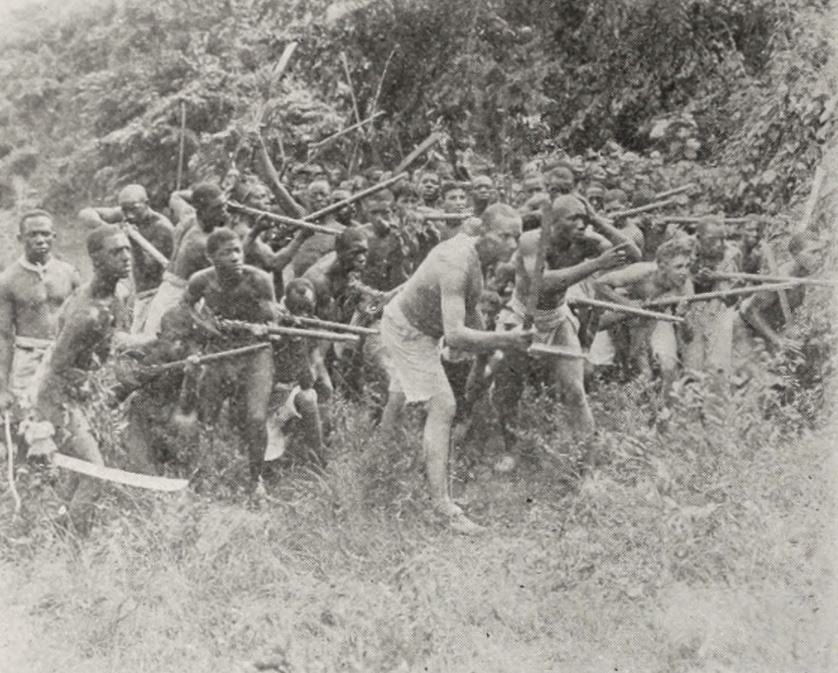
Ah, the siren call of classic melodrama! There’s a particular allure to tales woven with grand passions, devastating betrayals, and the relentless, often cruel, hand of destiny. And few films capture this essence quite as compellingly as The Tides of Fate. Directed with a keen eye for human frailty and resilience, this cinematic journey, penned by the astute Kate Jordan, pulls us into a world where choices made in a moment of crisis reverberate through entire lives, shaping destinies with an almost mythical force. It’s a narrative that, even decades later, resonates with a profound understanding of the human heart, its capacity for both profound love and devastating misjudgment.
The story commences with a scene of breathtaking peril and unexpected salvation. Our protagonist, Fanny Lawson, portrayed with a delicate yet determined spirit by Jane Kent, finds herself in a desperate predicament as her runaway horse plunges into the frigid depths of an icy river. It’s a moment designed to test the limits of human endurance, a visceral struggle against nature’s unforgiving might. From this perilous embrace, she is dramatically rescued by Stephen King, a figure imbued with a certain roguish charm by Frank Holland. This act of heroism, a moment of profound vulnerability and subsequent relief, ignites an immediate, intense connection between them. It’s a classic narrative device, the rescuer and the rescued, bound by an extraordinary event, yet here, it’s merely the first ripple in a much larger, more turbulent emotional current.
This nascent romance, however, comes at a cost, demanding Fanny forsake the steady, honorable affection of John Cross, a Canadian Mounted Policeman played with stoic integrity by Walter Ryder. Cross represents stability, a quiet, unwavering devotion that, in the face of King's more immediate, electrifying charisma, seems to pale. It’s a choice that many characters in the annals of melodrama have faced: the safe harbor versus the thrilling, albeit dangerous, open sea. Fanny, perhaps swayed by the intensity of her recent trauma and the magnetic pull of her rescuer, chooses the latter, embarking on a new life in the bustling city as King’s wife. This decision, seemingly born of love and gratitude, sets in motion a chain of events that will unravel her life in ways she could scarcely imagine. The film deftly portrays the intoxicating power of initial attraction, even when it obscures deeper, more troubling truths. It’s reminiscent of the ill-fated passion explored in When Paris Loves, where love's initial promise often gives way to unforeseen complications.
The urban landscape, initially a canvas for Fanny’s new beginnings, quickly morphs into a stage for her disillusionment. Stephen King, the dashing hero of the river, reveals his true colors: an experienced counterfeiter, a man living on the fringes of legality. His charm, once so captivating, curdles into a casual cruelty, and he soon tires of Fanny, abandoning her to her fate. This transition from savior to scoundrel is handled with a stark realism that prevents King from becoming a mere mustache-twirling villain; instead, he’s a complex figure driven by self-interest and a profound lack of empathy. The tragedy here isn't just Fanny's abandonment, but the shattering of her romantic ideals, the harsh awakening to the true nature of the man she chose. It's a brutal lesson in discernment, one that many characters in cinema, from The Chattel to The Price of a Good Time, have had to learn at great personal cost.
The consequences of King’s criminal life soon catch up with Fanny. When government agents, hot on King’s trail, search her apartment, they discover his illicit printing plates. Ignorant of their true nature, or perhaps simply caught in a web of circumstances beyond her control, Fanny is implicated as an accomplice and sent to jail. This segment of the film is particularly poignant, highlighting the vulnerability of individuals caught in the crosshairs of larger criminal enterprises. Jane Kent’s portrayal of Fanny during this period is particularly strong, conveying a sense of profound injustice and despair, yet also a nascent resilience. Her imprisonment is not just a physical confinement, but a spiritual one, a period of forced introspection and reckoning.
Meanwhile, the narrative shifts focus to John Cross, whose own journey has taken a dramatically different, yet equally challenging, turn. Accused of cowardice, a stain on his honor as a Canadian Mounted Policeman, he is court-martialed. This injustice, mirroring Fanny’s own undeserved suffering, propels him towards a path of self-redemption. He enlists in the United States Army, seeking absolution and honor on the battlefields of the Philippines. This parallel storyline is crucial, showcasing how different individuals respond to adversity and the pursuit of justice. Walter Ryder imbues Cross with a quiet dignity and an unwavering sense of duty, making his quest for honor deeply compelling. His journey, fraught with danger and sacrifice, is a powerful counterpoint to Fanny’s more passive suffering, demonstrating an active pursuit of vindication. The theme of redeeming one's honor through military service is a timeless one, echoing through countless narratives, perhaps even finding resonance with the struggles depicted in Captain Alvarez, where duty and personal integrity clash with external forces.
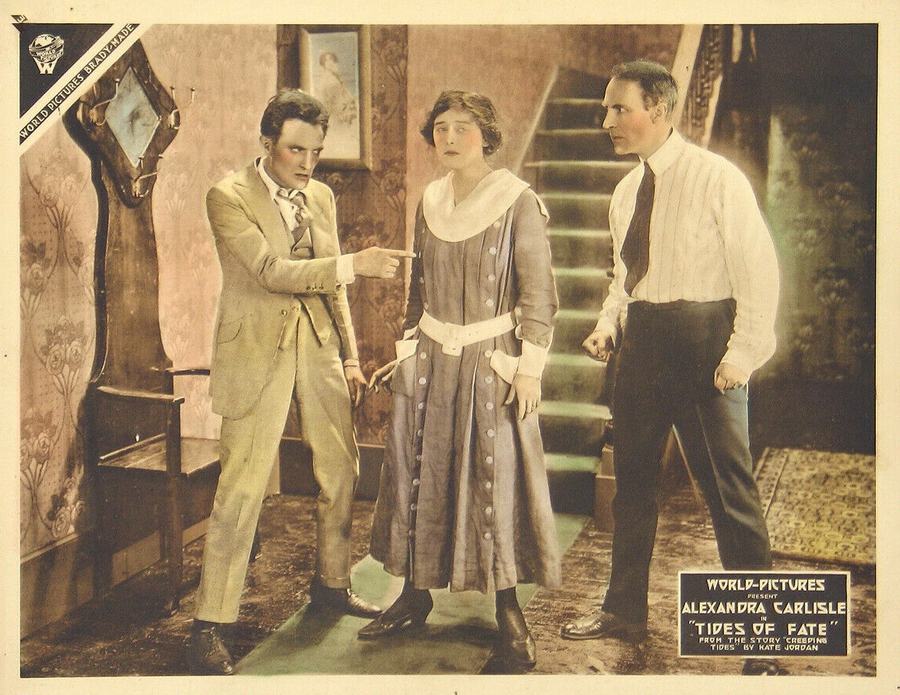
Cross’s valor in war ultimately redeems his name, but not without personal cost. He returns to New York wounded, bearing the physical and emotional scars of conflict. It is in this city of renewed hope and past shadows that fate, with its characteristic irony, brings him and Fanny together once more. Their reunion is not one of immediate, unbridled joy, but a tender rediscovery, a cautious rekindling of a love that had been deferred, almost extinguished. Both have been through the crucible of suffering and emerged changed, more mature, and perhaps, more truly appreciative of the unwavering bond they once shared. The film suggests that true love, like a sturdy ship, can weather the harshest storms and find its way back to shore. It’s a testament to the enduring power of connection, a thematic core that elevates The Tides of Fate beyond mere melodrama.
Just as happiness appears within reach, the specter of the past rears its ugly head. Stephen King, the architect of Fanny’s past woes, reappears. His return is not one of contrition or reconciliation, but of possessive jealousy and destructive malice. Frank Holland’s portrayal of King in this final act is particularly chilling, showcasing a man consumed by his own petty desires and an inability to accept Fanny’s newfound happiness. He becomes a disruptive force, a chaotic element threatening to shatter the fragile peace Fanny and John have painstakingly built. This sudden intrusion of the past, menacingly personified, adds a layer of suspense and tragic inevitability to the narrative, reminding us that some wounds take a long time to heal, and some villains refuse to stay buried.
The climax is a frenzied melee, a desperate struggle born of King’s insane jealousy. In the chaos, the police intervene, and King is fatally shot. His death, while violent, serves as a grim catharsis. In his dying moments, perhaps spurred by a fleeting pang of conscience or a desire for final control, King clears Fanny’s name, confessing her innocence in his counterfeiting scheme. This act, coming from the very man who caused her so much suffering, is a complex narrative beat. It’s a moment of grace, however begrudging, that finally frees Fanny from the legal and social stigma that has dogged her. The film suggests that even in the most hardened hearts, a flicker of truth can emerge in extremis. This deathbed confession is a classic narrative device, seen in countless tales of justice and redemption, from The Closed Road to God's Law and Man's, providing a neat resolution to the legal entanglement while underscoring the high stakes of the human drama.
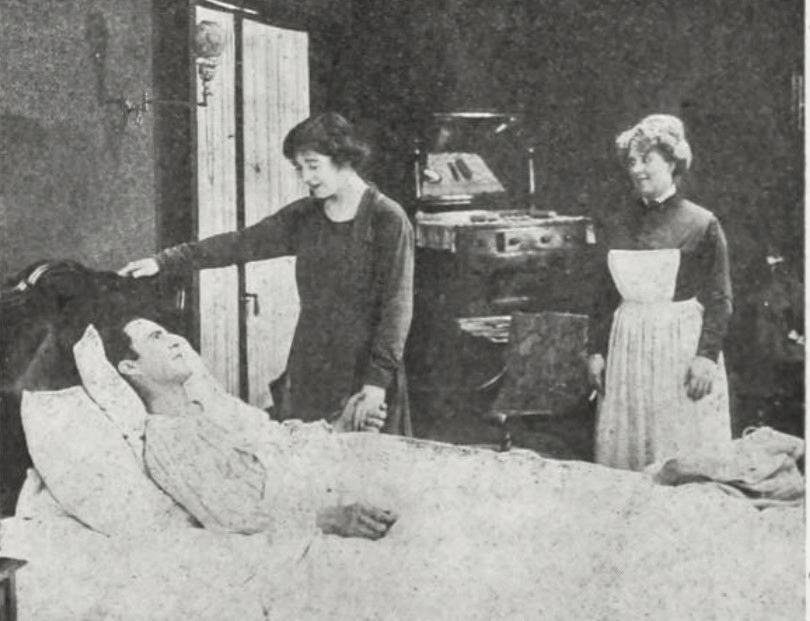
With King’s death and Fanny’s exoneration, the path is finally clear for her to marry Cross. Their union is not merely a happy ending, but a triumph of enduring love over adversity, a testament to resilience and unwavering commitment. It’s a resolution that feels earned, having traversed a landscape of heartache, injustice, and personal growth. The film, through its winding narrative, ultimately champions the virtues of steadfastness, loyalty, and the redemptive power of true affection. The final image of Fanny and John, together at last, is not just a romantic conclusion, but a symbolic representation of order restored, of fate's turbulent tides finally settling into a serene, hopeful current.
The performances across the board are commendable, anchoring the high drama with palpable emotion. Jane Kent’s Fanny is a character who evolves dramatically, from naive romantic to jaded victim, and finally, to a woman of quiet strength and enduring hope. Her journey is the emotional core of the film, and Kent navigates its complexities with grace and conviction. Walter Ryder, as John Cross, provides the necessary counterpoint – a pillar of moral fortitude whose journey through personal shame and battlefield heroism is equally compelling. His understated performance allows the audience to connect with his quiet suffering and eventual triumph. Frank Holland’s Stephen King, while the antagonist, is never a caricature. His initial charm makes his later villainy all the more insidious, and his final, desperate acts are tinged with a tragic jealousy that makes him a memorable, if despicable, figure. The supporting cast, including William Sheer, Charles E. Graham, and Alexandria Carlisle, contribute solid performances that flesh out the world and heighten the dramatic stakes, adding depth to the tapestry Kate Jordan meticulously wove.
Kate Jordan’s screenplay is a masterclass in crafting a compelling melodrama. She understands the rhythm of rising tension and emotional release, skillfully balancing moments of despair with glimmers of hope. Her characters, while archetypal in some respects, are imbued with enough nuance to feel real and relatable. The dialogue, while perhaps more theatrical than contemporary realism demands, serves the story’s grand emotional sweep perfectly. Jordan doesn't shy away from the darker aspects of human nature, but she also believes in the ultimate triumph of good, or at least, of perseverance. The narrative structure, with its parallel journeys and cyclical returns, is effective in building suspense and delivering a satisfying, if hard-won, resolution. Her ability to craft such intricate emotional landscapes is a testament to her writing prowess, placing The Tides of Fate in the esteemed company of other complex dramatic narratives like Malombra or Each to His Kind, which also delve into the depths of human psyche and societal pressures.
Visually, the film likely employs the cinematic techniques of its era to great effect, using lighting and framing to accentuate the emotional states of the characters. The contrast between the idyllic, albeit dangerous, natural setting of the river and the unforgiving urban sprawl of the city would have been a deliberate choice, underscoring Fanny’s journey from innocence to experience. The film’s pacing, a crucial element in melodrama, ensures that the audience remains invested in the characters' plights, experiencing their highs and lows with an almost visceral connection. The dramatic tension is expertly maintained, particularly in the latter half, leading to a climax that is both violent and emotionally resonant. The use of dramatic irony, where the audience is often privy to information the characters are not, adds another layer of engagement, making Fanny’s struggles all the more poignant.
Thematically, The Tides of Fate explores several enduring concepts: the nature of true love versus infatuation, the pursuit of honor and redemption, and the inescapable consequences of one's choices. It questions whether fate is truly predetermined or if individual will can steer the course of destiny. Fanny’s journey suggests a blend of both; she is undeniably a victim of circumstance and King’s deceit, yet her eventual resilience and Cross’s unwavering love ultimately provide her with agency and a path to happiness. John Cross’s arc, in particular, is a powerful examination of how one can reclaim dignity after public disgrace, demonstrating that true courage isn't the absence of fear, but the ability to act despite it. This exploration of justice, both personal and societal, resonates with themes found in films like The House of Mystery or even the legal intricacies of Pudd'nhead Wilson.
In conclusion, The Tides of Fate is more than just a historical artifact; it's a vibrant, emotionally charged narrative that speaks to universal human experiences. It reminds us that even when life throws us into icy waters, or traps us in the currents of injustice, the possibility of redemption and enduring love remains. It’s a testament to the power of storytelling to capture the full spectrum of human emotion, from despair to ultimate triumph. For anyone with an appreciation for narratives that delve deep into character and explore the intricate dance between fate and free will, this film offers a deeply rewarding experience. It's a reminder that some stories, like the relentless tides themselves, continue to move us, long after their initial surge.

IMDb 4.9
1918
Community
Log in to comment.