DbcultAccessing Vault...
7.1/10
Senior Film Conservator
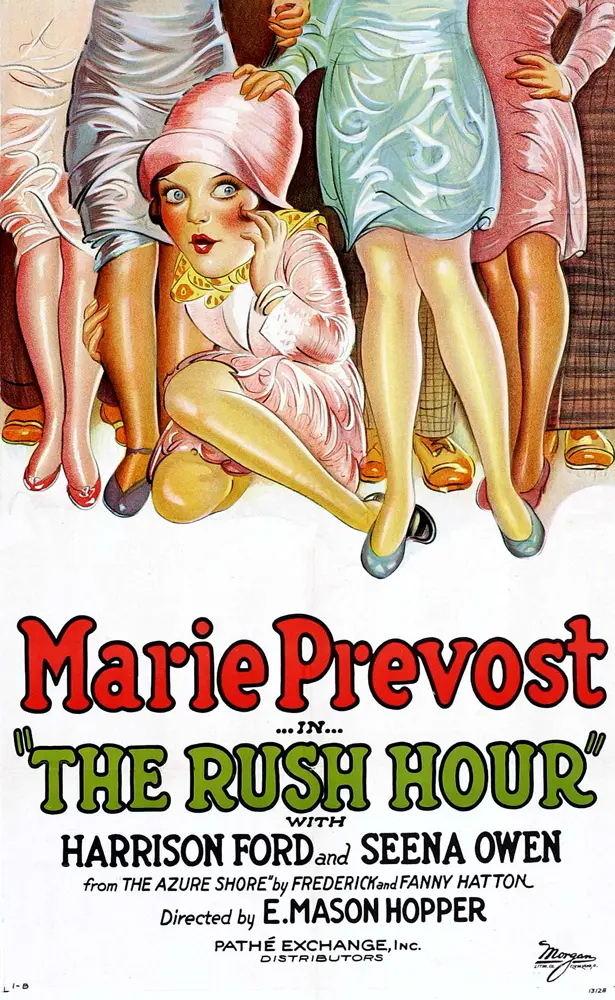
A definitive 7.1/10 rating for a film that redefined the boundaries of cult cinema. The Rush Hour remains a cornerstone of transgressive art.
Is 1928’s The Rush Hour worth your time in the modern era? Short answer: Yes, but primarily as a masterclass in silent-era physical comedy and as a fascinating sociological study of 1920s gender roles.
This film is for enthusiasts of the 'New Woman' archetype in cinema and those who appreciate the frantic, rhythmic pacing of late-period silent films. It is NOT for viewers who demand a grounded, realistic plot or those who have no patience for the broad, pantomimed theatricality of the pre-talkie age.
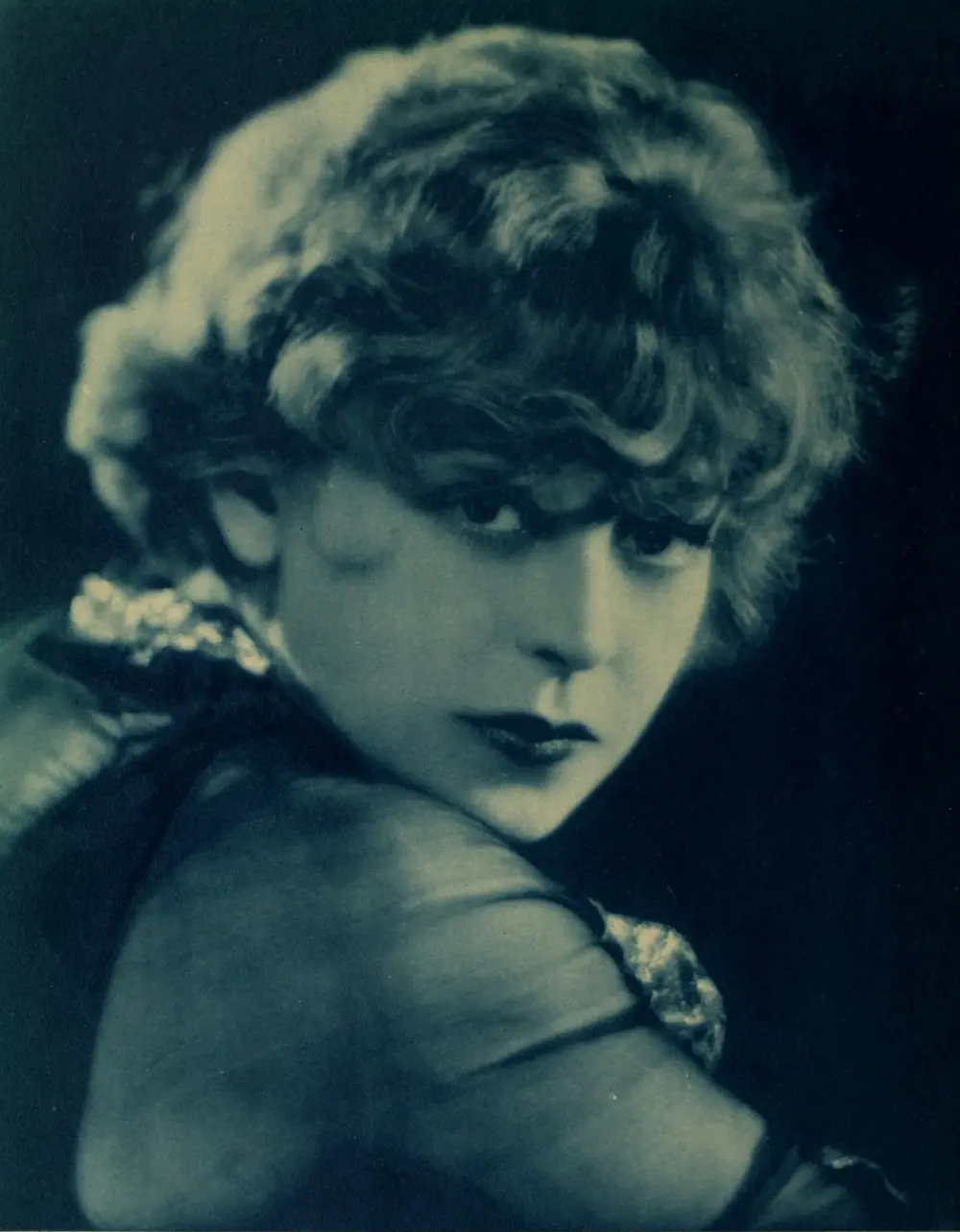
This film works because Marie Prevost possesses a magnetic screen presence that bridges the gap between slapstick and genuine pathos, making her character’s desperation feel universal.
This film fails because the transition from a domestic 'kitchen-sink' drama about commuting to an international crime caper on the Riviera feels jarring and under-explained.
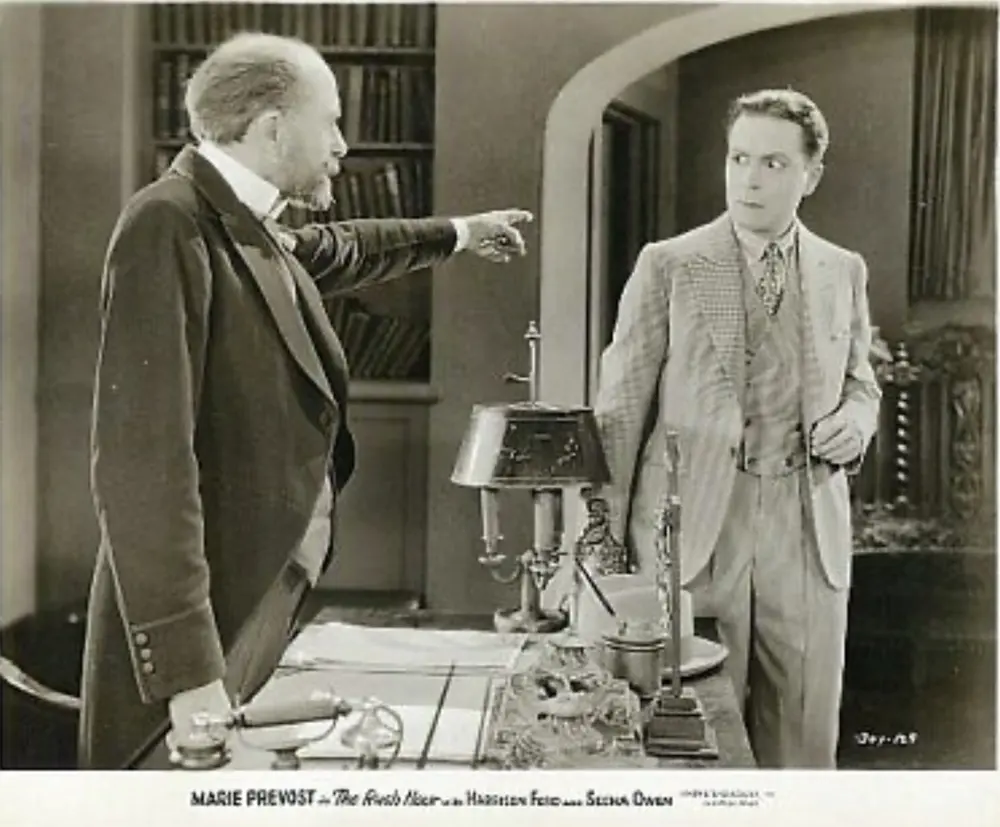
You should watch it if you want to see the original Harrison Ford (the silent star) play the straight man to one of the most underrated comediennes of the 1920s.
The Rush Hour is absolutely worth watching for anyone interested in the evolution of the screwball comedy. Unlike more somber works of the period like Burnt Wings, this film prioritizes movement and kinetic energy over heavy-handed moralizing. It captures a very specific moment in American history where the 'horrors of commuting' were becoming a collective cultural trauma, and it uses that frustration to launch a fantastical escape narrative. While the plot leans heavily on coincidence, the sheer charisma of the cast keeps the engine running.
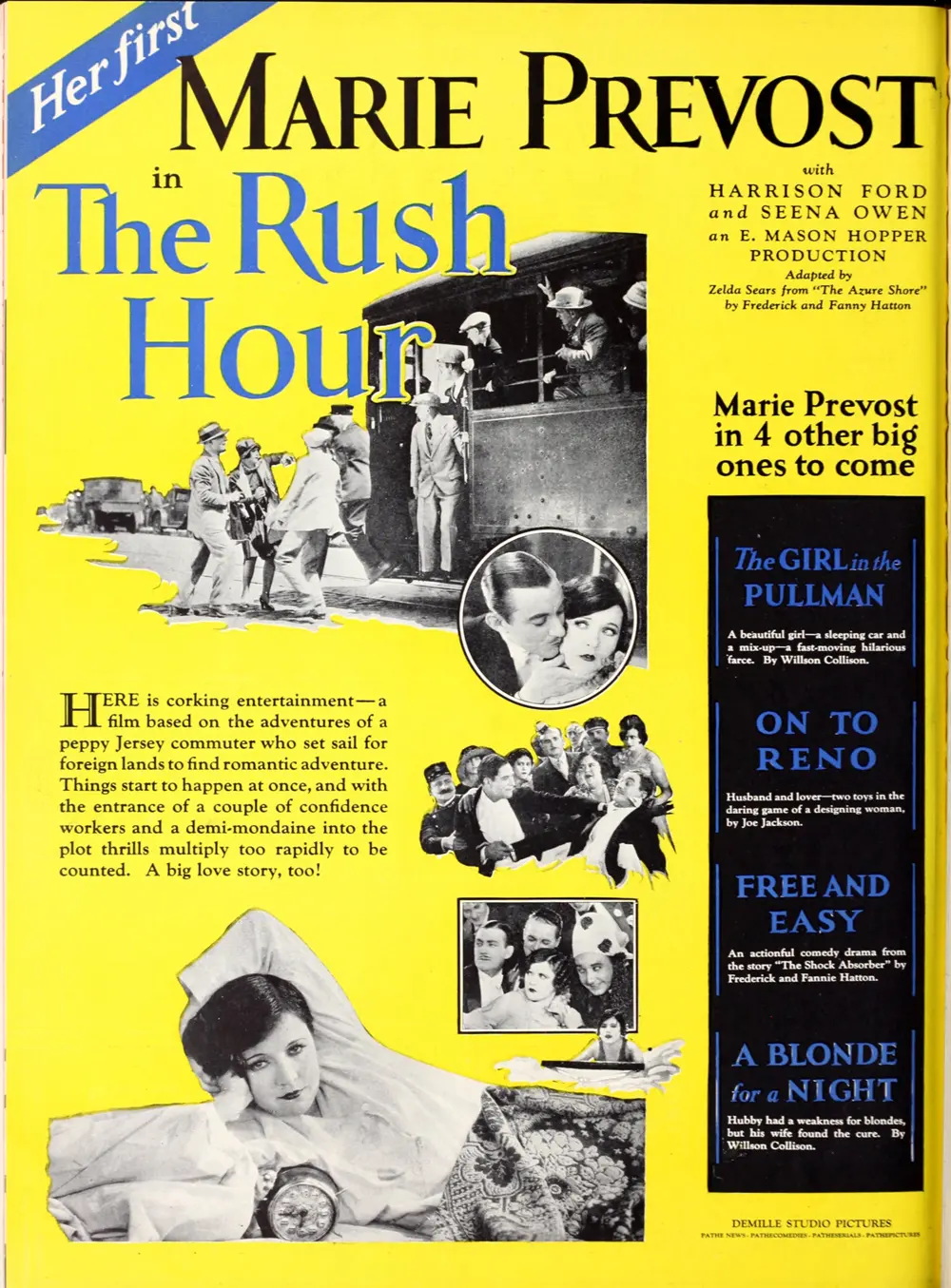
Marie Prevost is the beating heart of this film. By 1928, she had perfected the persona of the working girl with champagne tastes, a role she explored with varying degrees of tragedy in films like The Price of Pleasure. In The Rush Hour, she brings a manic, almost desperate energy to Margie Dolan. When she is working at the ticket counter, her eyes don't just look at the customers; they look through them, toward the posters of distant lands behind them. It is a subtle piece of acting that grounds the subsequent absurdity.
The scene in the linen room, where Margie is forced to work after being discovered as a stowaway, is a highlight of physical comedy. Prevost manages to make the folding of sheets look like a battle with a many-tentacled beast. It is punchy. It is funny. But it also underscores the film’s central theme: you can’t escape labor just by changing your geography. Even on a luxury liner, the working class remains the working class.
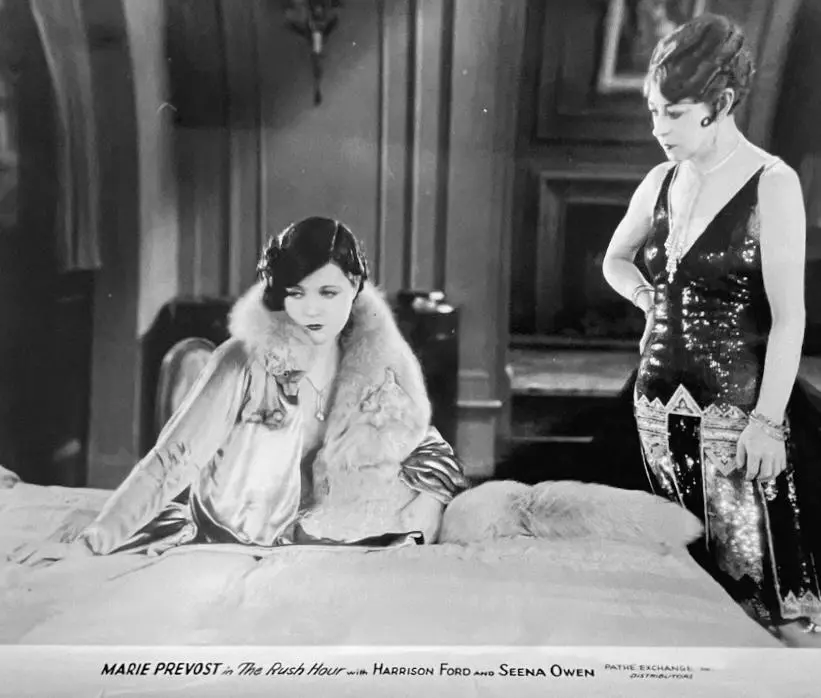
It is always a shock for modern audiences to see the name Harrison Ford in the credits of a 1920s film. This Ford, however, was a master of the 'stiff collar' performance. As Dan Morley, he is the ultimate wet blanket. His devotion to his drugstore is played not as a virtue, but as a form of myopia. He represents the safety that Margie finds suffocating.
Ford’s performance is intentionally wooden, providing the perfect foil for Prevost’s elasticity. When he finally arrives on the Riviera to 'save' her, his shock at the decadence around him is palpable. It’s a debatable opinion, but I would argue Ford’s understated boredom is actually more difficult to pull off than Prevost’s high-energy antics. He has to be the anchor that the audience wants Margie to slip, yet remain likable enough that we believe they have a future together.
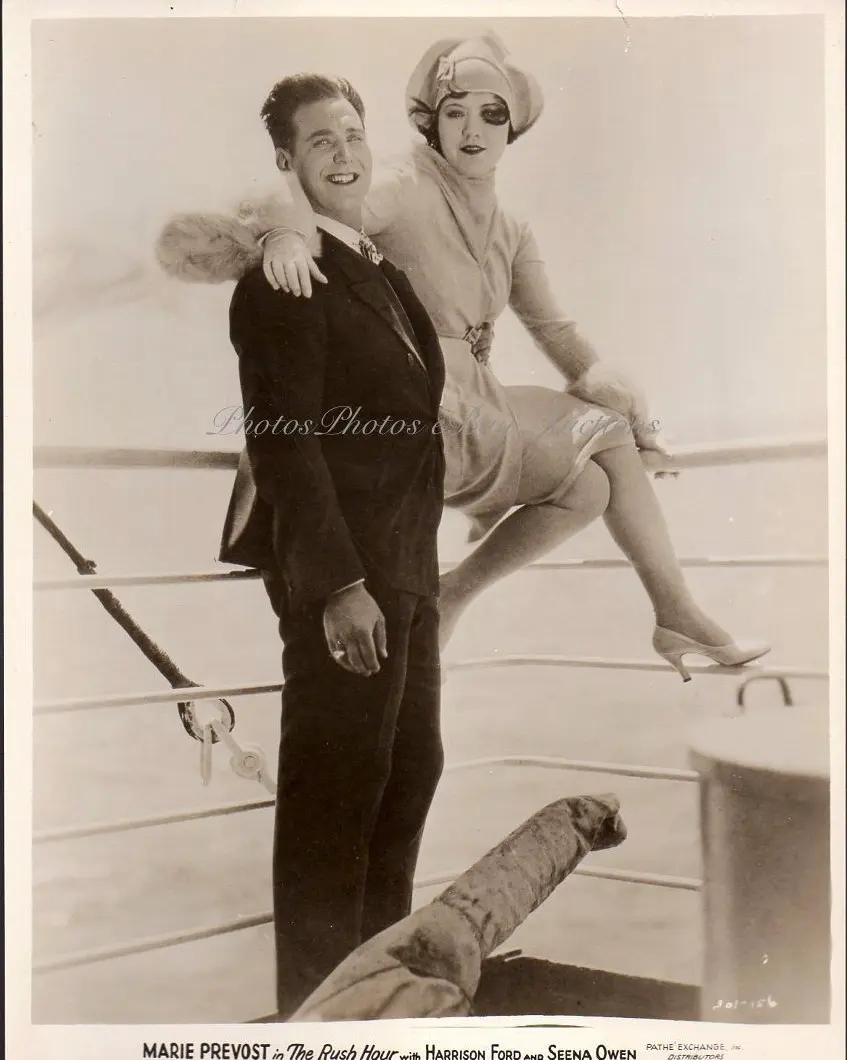
Director E. Mason Hopper uses the camera to emphasize the contrast between Margie’s two worlds. The opening sequences, depicting the 'horrors of commuting,' are shot with tight frames and rapid cuts, creating a sense of claustrophobia. You can almost feel the soot and the heat of the 1920s transit system. This is a stark contrast to the wide, airy shots used once the action shifts to the steamship and eventually the Riviera.
The Riviera sequences, while likely shot on a backlot in California, manage to evoke a sense of aspirational luxury. The lighting shifts from the harsh, flat tones of the drugstore to a softer, more romantic glow. This visual storytelling tells us more about Margie’s internal state than the intertitles ever could. She isn’t just looking for money; she is looking for a world that is literally brighter than the one she inhabits.
One of the most surprising observations about The Rush Hour is how quickly it abandons its 'working girl' premise to become a proto-noir caper. The introduction of Dunrock and Yvonne (played with oily perfection by Ward Crane and Seena Owen) changes the DNA of the film. Suddenly, we are in the world of high-stakes grifting.
This shift is where the film loses some of its emotional weight but gains a frantic, screwball momentum. The 'riot' at the climax is a chaotic piece of staging that involves the entire cast and a fair amount of property damage. It’s messy. It works. But it’s flawed. The transition feels like the writers—Fanny Hatton and Fred Stanley—realized they had a great character but weren't sure how to end her story without a massive spectacle.
When compared to other 1920s films like Saturday, which handles the theme of weekend escapism with more nuance, The Rush Hour feels almost aggressive in its pacing. It lacks the poetic stillness of An Alien Enemy or the moral complexity of Seven Deadly Sins. Instead, it opts for a populist, high-speed approach to storytelling that mirrors the 'rush' of its title.
There is a certain honesty in its commercialism. It doesn't pretend to be art; it pretends to be a ride. In that sense, it is more successful than many of its more 'serious' contemporaries. It understands that the audience, like Margie, wants to stow away for seventy minutes and forget about their own commutes.
The Rush Hour is a fascinating, if slightly uneven, artifact of the late silent era. It is a film that wants to have it both ways: it critiques the desire for unearned luxury while simultaneously indulging the audience in a fantasy of that very luxury. Marie Prevost is the glue that holds these conflicting impulses together. Without her, the film would be a forgettable caper; with her, it becomes a vibrant portrait of 1920s ambition. It is a loud, proud, and occasionally messy piece of entertainment that proves the 'rush hour' of the 1920s was just as stressful—and just as ripe for parody—as our own. Watch it for the history, stay for the Prevost, and leave with a newfound appreciation for the original Harrison Ford.
IMDb 6.5
1916
Community
Log in to comment.