DbcultAccessing Vault...
Cult Review
Senior Film Conservator
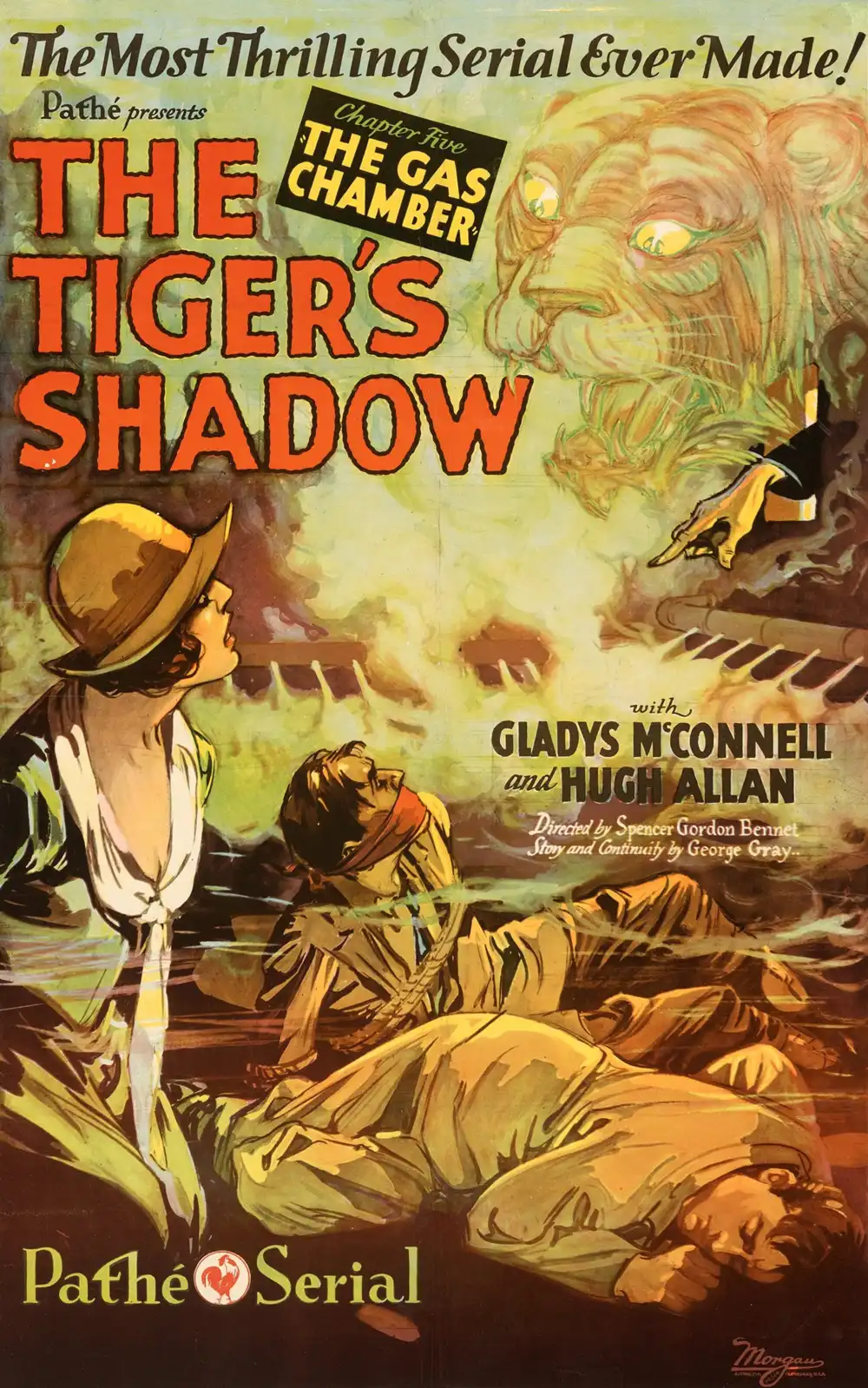
The Tiger's Shadow is, by modern standards, a challenging watch. For dedicated silent film enthusiasts, or those with a keen interest in the foundational elements of early mystery serials and vigilante narratives, it offers a fascinating glimpse into a burgeoning genre. These viewers will likely appreciate its historical context and occasional flashes of ingenuity. However, for general audiences seeking a polished narrative, nuanced performances, or consistent pacing, this film will likely feel rudimentary, repetitive, and at times, simply dull. It’s less a captivating story and more a historical artifact – an important step in cinematic evolution, but one that demands a specific kind of patience.
The central conceit of 'The Tiger' – a mysterious figure who outwits and robs criminals – is undeniably appealing, a precursor to many masked heroes and anti-heroes to come. Yet, the execution here is rudimentary. The identity of The Tiger is meant to be a driving mystery, but the film struggles to build genuine suspense around it. Instead, it relies on a series of thinly veiled red herrings and abrupt reveals that feel less earned and more like narrative contrivances to move from one action sequence to the next.
The cast, while earnest, operates primarily in broad strokes, a common characteristic of silent-era acting that aimed for legibility in the absence of spoken dialogue. Edward Cecil, ostensibly one of the film's leading men, often defaults to a stern, hand-on-hip pose, his expressions telegraphed rather than subtly conveyed. His interactions with other characters, particularly Jean Porter, who plays a perpetually distressed young woman caught in the crossfire, are stiff, marked by prolonged reaction shots that overemphasize surprise or fear without deepening the emotional stakes. Porter, in particular, seems to have two primary modes: wide-eyed terror or earnest pleading, both delivered with a consistency that quickly borders on caricature.
The villains, portrayed by actors like Frank Lackteen and John Webb Dillion, fare slightly better in their theatricality. Lackteen, with his often-scowling visage, manages to convey a certain menacing presence through sheer force of gesticulation. There's a particular scene where he’s caught in the act of counting his loot, and his frantic attempts to conceal the money, involving a series of clumsy shoves into a nearby safe, provide a rare moment of unintentional comedy that humanizes an otherwise one-note antagonist. These performances, while lacking modern subtlety, serve as interesting examples of the acting conventions of the era, where clear visual cues were paramount.
The film's plot promises "rapid fire action, with a lot of thrills," and while it delivers action, the 'rapid fire' aspect is debatable. Pacing is consistently uneven. Thrilling chase sequences – often involving horse-drawn carriages or early automobiles careening through dusty streets – are intercut with lengthy expository scenes conveyed through intertitles. These intertitles, while necessary, frequently overstay their welcome, halting any momentum built by the preceding action. One particular sequence, involving a police raid on a gambling den, spends an inordinate amount of time on close-ups of various minor characters reacting to the chaos, each shot held for several beats longer than necessary, effectively deflating the tension.
The tone, too, shifts without much grace. One moment, we're in a seemingly lighthearted caper, with The Tiger outwitting bumbling crooks, and the next, characters are in genuine peril, facing down deadly traps or armed thugs. The transition is often jarring, lacking the seamless blend of humor and danger that later adventure films would master. This tonal inconsistency makes it difficult to fully invest in the stakes, as the film itself seems unsure of how seriously it wants us to take the unfolding events.
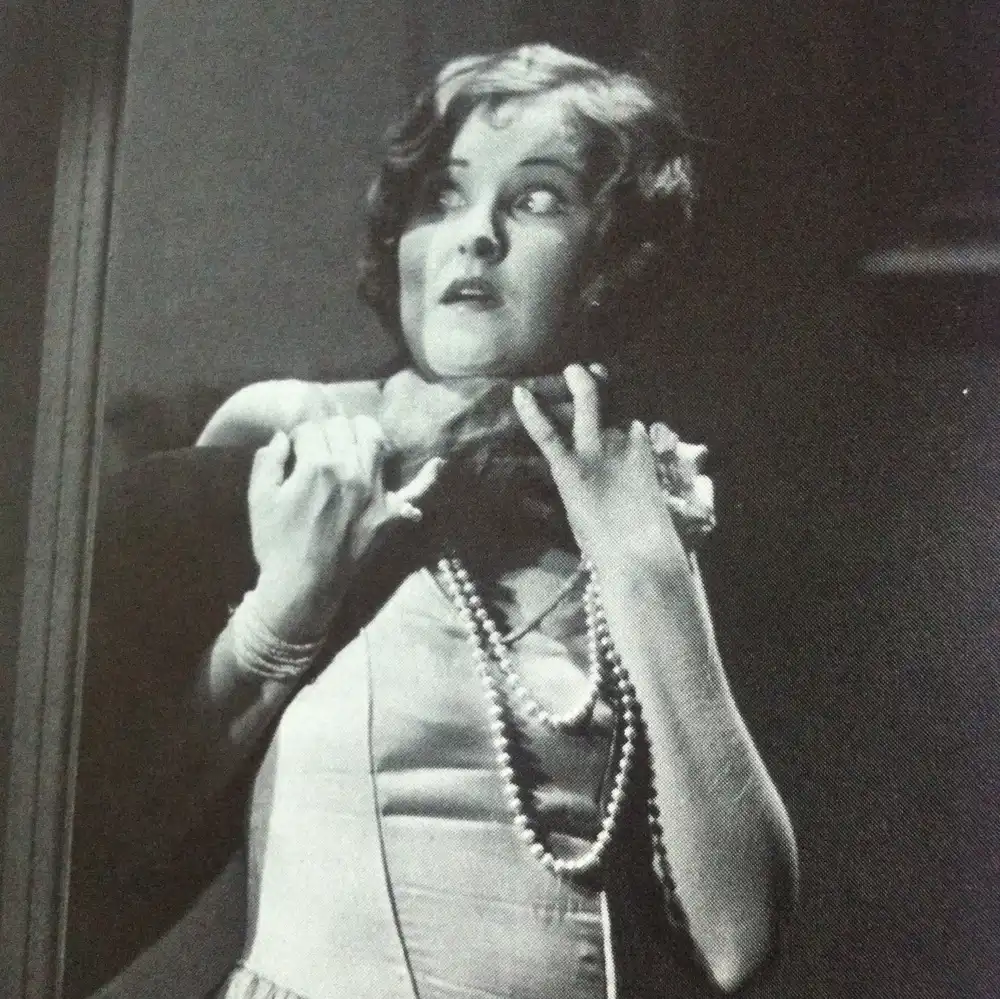
Visually, The Tiger's Shadow is a product of its time. The cinematography is largely functional, favoring static medium shots and wide frames that capture the action without much stylistic flair. There are occasional attempts at more dynamic camera work, such as a surprising low-angle shot during a rooftop pursuit, which momentarily adds a sense of vertigo. However, these moments are rare. The film relies heavily on basic, often repetitive, set pieces. The 'Tiger' character, while masked, doesn't benefit from particularly inventive visual branding; the costume is a simple, dark affair that blends into the shadows rather than standing out. This minimalist approach might have been intended to heighten the mystery, but it often renders The Tiger visually indistinct from other background figures.
Editing is straightforward, mostly adhering to continuity principles but occasionally suffering from abrupt cuts that disrupt the flow. There's a peculiar habit of cutting to a reaction shot of a minor character, only for that character to disappear for the next several minutes, a small detail that suggests a less refined approach to narrative cohesion. The lighting, too, is mostly flat, though there are a few instances where chiaroscuro is employed effectively to highlight The Tiger's clandestine movements, particularly during a nighttime vault break-in where shadows dance across a large, antique safe door, creating a fleeting moment of genuine visual intrigue.
The film's primary strength lies in its historical significance as an early example of the mystery-thriller serial. It lays groundwork for tropes that would become staples of the genre: the masked vigilante, the elaborate criminal schemes, the constant threat of capture. There are moments, particularly in the more straightforward chase sequences, where the raw energy of early cinema shines through, reminding us of the foundational appeal of moving pictures. One specific stunt, involving a character swinging from a broken bridge onto a moving train, is executed with a surprising degree of realism and daring for its era, standing out as a genuine highlight.
However, these moments are often overshadowed by the film's weaknesses. The narrative is often simplistic, relying on contrivance rather than organic development. The characters are largely archetypes, leaving little room for emotional investment. The repetitive nature of the 'Tiger steals from crooks' premise, without significant escalation or character growth, can become tedious. Furthermore, the almost constant use of the same interior sets for various criminal hideouts – particularly a dimly lit room with a single, ornate desk and a perpetually overflowing ashtray – begins to feel less like a choice and more like a budgetary limitation, reinforcing the sense of narrative confinement.
Compared to more refined early thrillers like The Invisible Enemy, which managed to build greater psychological tension, The Tiger's Shadow feels more like a blueprint than a fully realized structure. It's a film that prioritizes plot mechanics over character depth, and while that was common for serials, it doesn't always translate well to a standalone viewing today.
Ultimately, The Tiger's Shadow is a film best approached as a historical document. It's an interesting artifact for those studying the evolution of cinema, particularly the development of action and mystery genres in the silent era. It offers insights into early filmmaking techniques, acting styles, and narrative conventions. However, for a casual viewer seeking entertainment, its charms are few and far between. It requires a significant degree of patience and an appreciation for the specific limitations and conventions of its time. If you're a dedicated film scholar or a completist of early cinema, by all means, seek it out. Otherwise, there are countless other, more engaging films from the era that offer a more rewarding experience.
IMDb 6.1
1936
Community
Log in to comment.