DbcultAccessing Vault...
Cult Review
Senior Film Conservator
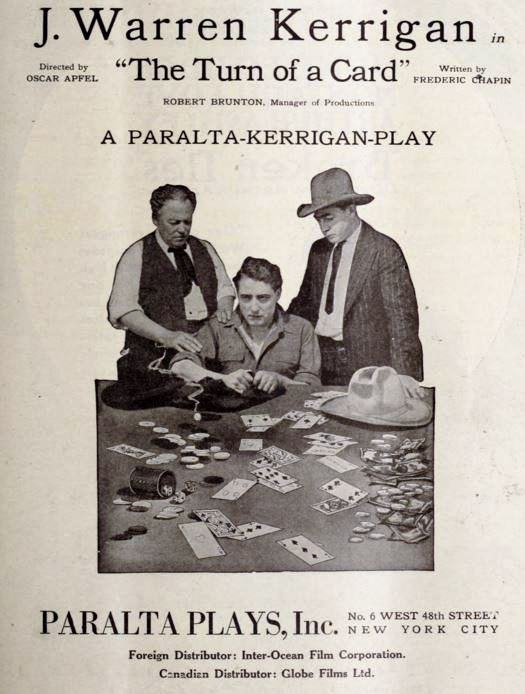
Stepping back into the golden age of cinema, where narratives unfolded through the exquisite ballet of gesture and expression, "The Turn of a Card" emerges as a fascinating relic, a silent testament to the enduring allure of high stakes, dramatic reversals, and the whimsical hand of fate. Released in an era when storytelling relied solely on visual artistry and the power of human performance, this film, with its intriguing premise and memorable characters, offers a compelling glimpse into the cinematic sensibilities of its time. It’s a narrative tapestry woven with threads of sudden wealth, devastating loss, and the delightful comedic chaos of mistaken identity, all set against the backdrop of an America rapidly transforming.
At its core, "The Turn of a Card" is a captivating exploration of how swiftly fortunes can pivot, a theme as relevant today as it was a century ago. We are introduced to Jimmie Farrell, a man whose life is utterly transformed by the miraculous discovery of oil in the dusty plains of Oklahoma. This sudden ascent into unimaginable wealth sets the stage for a confrontation that forms the narrative's beating heart: a card game against the formidable "Ace High" Burdette. Burdette, a name synonymous with invincibility at the poker table, is portrayed as a man whose very existence is defined by his mastery of chance. The anticipation built around this pivotal game is palpable, a silent crescendo leading to an outcome few would predict.
In a move that brilliantly subverts audience expectations, Burdette, the seemingly unassailable titan of the green felt, loses everything. His vast fortune, including a sprawling Long Island estate, is transferred into Farrell's hands. This catastrophic defeat plunges Burdette into a profound state of disorientation, leading him to wander aimlessly until a mundane misstep—tripping over a rock—results in a head injury. It's a moment of profound irony, where the grand architect of his own downfall is brought low by the most pedestrian of accidents. This twist of fate introduces "Curio" Johnson, a feeble-minded local who, with an almost childlike innocence, offers Burdette refuge and companionship. This unexpected camaraderie provides a stark contrast to Burdette's former life of opulent isolation, hinting at a potential for redemption or, at the very least, a different kind of existence.
Meanwhile, Farrell, operating under the tragic misconception that Burdette has taken his own life in despair, travels to New York to inspect his newly acquired estate. Here, the film gracefully pivots from drama to a delightful comedy of errors. He encounters Cynthia, Burdette's daughter, who, completely unaware of the seismic shift in her family's fortunes and her father's whereabouts, mistakes Farrell for a newly hired chauffeur. This classic mistaken identity trope is executed with considerable charm, setting the stage for a series of humorous encounters and, inevitably, the blossoming of an unlikely romance. The narrative deftly juggles these disparate elements—the dramatic fall of a gambler, the accidental rise of an oilman, and the charming confusion of a young woman—creating a rich and engaging tapestry.
In the silent era, the burden of conveying emotion, intent, and character fell almost entirely on the actors' physical prowess and facial expressions. "The Turn of a Card" benefits immensely from a dedicated ensemble cast who masterfully navigate this challenge. Clifford Alexander, as Jimmie Farrell, embodies the transformation from a humble prospector to a man of unexpected means with a believable blend of awe and earnestness. His initial naiveté and subsequent attempts to navigate high society, while masquerading as a chauffeur, are handled with a light touch that endears him to the audience.
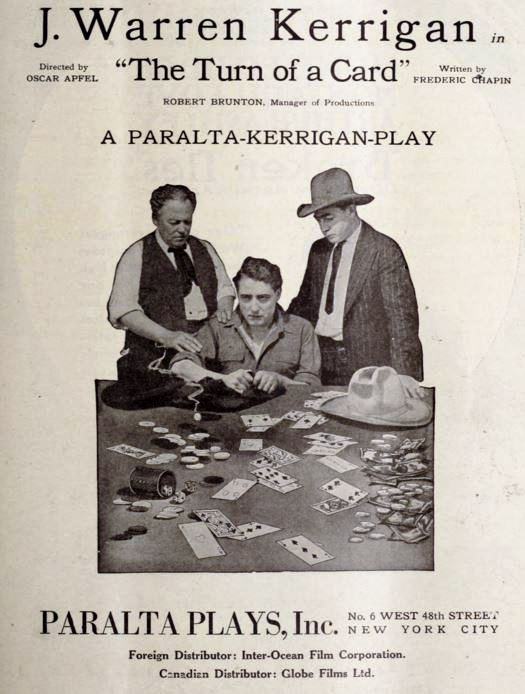
Wallace Worsley's portrayal of "Ace High" Burdette is particularly noteworthy. He manages to convey the gambler's arrogance and subsequent despair without uttering a single word. The scene where he loses everything, and his subsequent wanderings, are imbued with a tragic dignity that elevates the character beyond a simple villain. His physical performance during the head injury and his subsequent interactions with "Curio" Johnson are nuanced, suggesting a man stripped bare of his former identity, grappling with a new, simpler reality. It's a powerful demonstration of silent acting's ability to communicate complex psychological states.
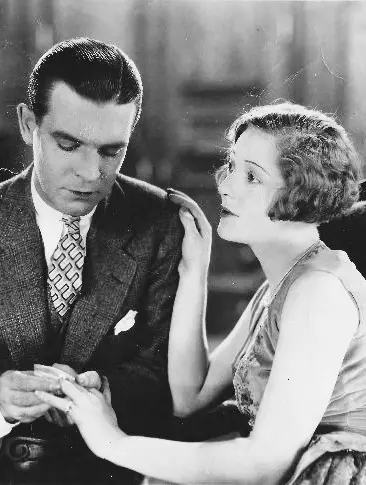
Elinor Fair, as Cynthia, is the effervescent heart of the romantic subplot. Her performance radiates a youthful innocence and a spirited independence, making her mistaken assumption about Jimmie both understandable and charming. She navigates the comedic aspects of her role with grace, ensuring that the audience is always rooting for her eventual discovery of the truth and her happiness. The chemistry between Alexander and Fair, though conveyed through glances and subtle movements, is palpable, adding a layer of warmth to the unfolding narrative. Eugene Pallette, as "Curio" Johnson, provides a delightful counterpoint. His portrayal of the feeble-minded local is handled with sensitivity, avoiding caricature and instead highlighting the character's innate kindness and simple wisdom. His scenes with Burdette are surprisingly poignant, offering moments of quiet reflection amidst the larger drama.
The directorial hand guiding "The Turn of a Card" demonstrates a keen understanding of silent film aesthetics and pacing. The narrative, penned by Thomas J. Geraghty and Frederick Chapin, is remarkably well-structured, moving seamlessly from the dramatic intensity of the card game to the pastoral quietude of Burdette's convalescence, and finally to the bustling, comedic energy of the Long Island estate. The transitions are fluid, a testament to the filmmakers' ability to maintain narrative coherence across distinct tonal shifts. The visual storytelling is paramount, with carefully composed shots and effective use of intertitles to bridge gaps and convey crucial dialogue or internal monologues.
The film’s pacing is particularly noteworthy. It never feels rushed, allowing moments of emotional impact to resonate, nor does it drag, keeping the audience engaged with its unfolding mysteries and romantic entanglements. The contrast between the stark, high-tension environment of the poker table and the opulent, yet often chaotic, setting of the estate is effectively conveyed through both set design and the actors' performances. This careful orchestration of elements ensures that the audience is fully immersed in the world presented on screen, a testament to the collaborative artistry inherent in silent filmmaking.
Beyond its engaging plot, "The Turn of a Card" delves into themes that resonate deeply, offering a commentary on the societal anxieties and aspirations of its era. The most prominent theme is, of course, the capriciousness of fortune. Jimmie Farrell's instant wealth from oil fields mirrors the real-life boom-and-bust cycles that characterized American expansion, particularly in the early 20th century. This sudden acquisition of riches, however, doesn't immediately grant him social standing or ease into aristocratic circles, highlighting the nuanced distinction between financial wealth and inherited class. This exploration of social mobility, or the lack thereof, is a recurring motif in cinema, seen in various forms from the dramatic shifts in The Reclamation to the more nuanced class observations in Mrs. Wiggs of the Cabbage Patch.
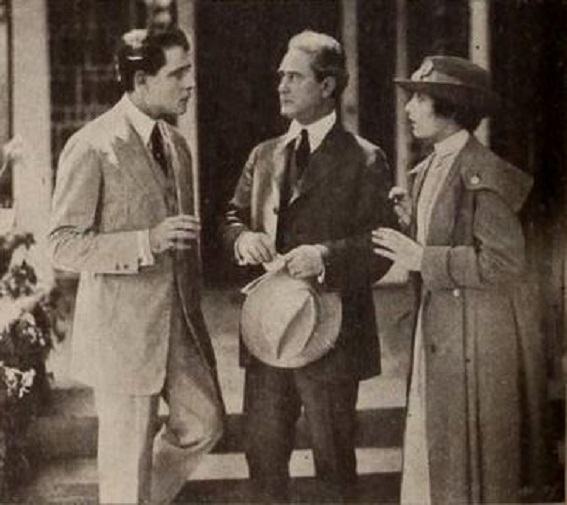
The film also masterfully explores the theme of identity. Burdette, stripped of his wealth and status, is forced to confront who he is without the trappings of his former life. His amnesia, a convenient plot device, serves to physically embody this loss of identity, allowing for a metaphorical rebirth under the care of "Curio" Johnson. Similarly, Jimmie, despite his newfound wealth, finds himself assuming the identity of a chauffeur, a role that simultaneously humbles him and allows him an intimate, unfiltered look into the lives of the upper class. This play on identity, where external circumstances dictate perceived roles, is a fascinating aspect of the narrative. It’s a theme that echoes in films like The Saintly Sinner, where moral identity is tested, or in The Heart of a Painted Woman, which might explore the societal roles women are forced into.
Furthermore, the romantic entanglement between Jimmie and Cynthia transcends mere comedic convenience. It subtly critiques class distinctions, suggesting that genuine connection can blossom irrespective of perceived social strata. Cynthia's initial interactions with Jimmie, believing him to be a servant, are devoid of the pretense she might exhibit towards a social equal, allowing for a more authentic relationship to develop. This exploration of love defying societal barriers is a timeless cinematic trope, often used to challenge prevailing social norms.
The cinematography of "The Turn of a Card," while perhaps not revolutionary for its time, is highly effective in conveying the narrative's emotional beats and geographical shifts. From the stark simplicity of the Oklahoma oil fields to the grandeur of Burdette's Long Island estate, the visual language of the film contributes significantly to its immersive quality. The use of close-ups, particularly during the card game, heightens the tension, allowing the audience to read the characters' internal struggles through their subtle facial contortions and darting eyes. The broader shots of the estate emphasize the scale of Burdette's former wealth and Jimmie's sudden inheritance, providing a visual counterpoint to the more intimate scenes.
The set designs and costumes, though often understated in silent films, play a crucial role in establishing character and setting. Burdette's opulent surroundings speak volumes about his previous lifestyle, while "Curio" Johnson's rustic cabin provides a stark visual metaphor for Burdette's forced simplicity. Cynthia's attire reflects her youthful elegance, contrasting with Jimmie's more modest beginnings. These visual cues, meticulously crafted, are essential in an art form where dialogue is absent, guiding the audience through the story's complexities with grace and clarity.
"The Turn of a Card" stands as a commendable example of early 20th-century American cinema, a testament to the ingenuity and artistry that flourished before the advent of sound. While it may not possess the grand epic scope of some of its contemporaries, its strength lies in its engaging narrative, well-drawn characters, and the timeless appeal of its central themes. It offers a valuable window into the popular entertainment of its day, showcasing how complex emotions and intricate plots could be conveyed through the expressive power of the moving image.
For modern audiences, watching "The Turn of a Card" is more than just an exercise in historical appreciation; it's an opportunity to connect with foundational storytelling techniques. It reminds us that compelling drama and heartwarming romance don't require elaborate special effects or booming soundtracks. The film's enduring charm lies in its human element—the struggle for identity, the unexpected twists of fate, and the enduring hope for love and redemption. It's a delightful journey into a bygone era, proving that a good story, well told, can truly transcend time and technological advancements. Its narrative echoes the universal human experience of confronting change, much like the characters in The Regenerates or the moral quandaries in Schuldig, each in their own way grappling with transformation and accountability.
In conclusion, "The Turn of a Card" is a film that deserves to be rediscovered. It's a reminder of the foundational artistry that built the cinematic landscape we know today, a charming blend of melodrama, comedy, and romance that continues to captivate. Its intricate plot, memorable performances, and exploration of timeless themes make it a worthy addition to any cinephile's watch list, offering a rich and rewarding experience that transcends the limitations of its silent format.

IMDb —
1924
Community
Log in to comment.