DbcultAccessing Vault...
5.5/10
Senior Film Conservator
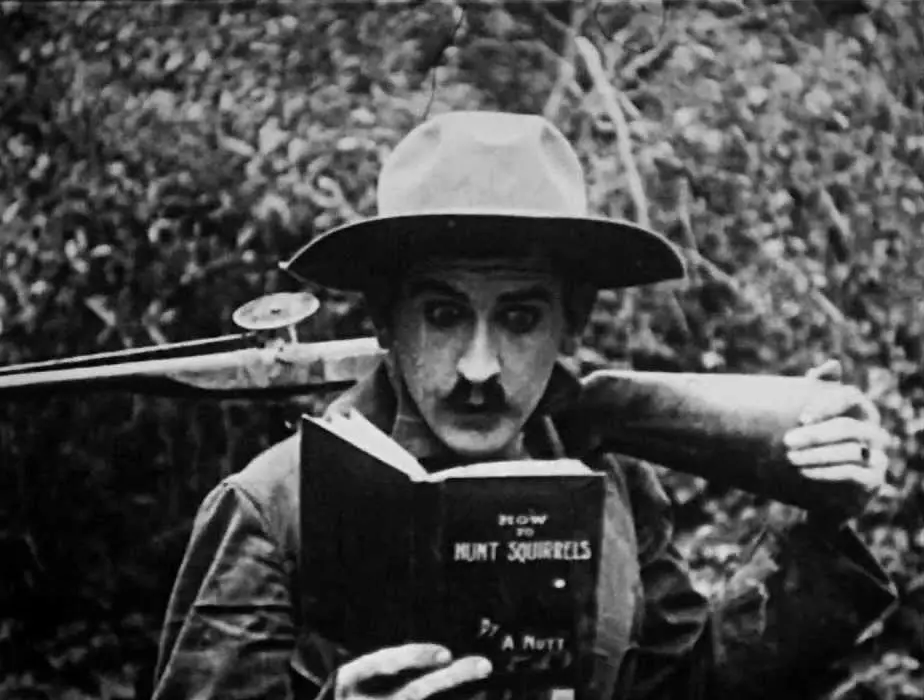
A definitive 5.5/10 rating for a film that redefined the boundaries of cult cinema. Shoot Straight remains a cornerstone of transgressive art.
When Hal Roach’s Shoot Straight opens, the camera lingers on a mist‑cloaked pine forest, the light filtering through needles like shards of amber. The setting itself feels like a character, an indifferent arboreal witness to the farcical drama about to unfold. Paul, portrayed with a blend of bewildered earnestness and sly resilience, steps onto a clearing where the Dead Shot Hunting Lodge has erected a makeshift podium of logs, each member perched like a rooster crowing over an imagined triumph.
The central conflict—who truly fired the shot that felled the duck—serves as a micro‑cosm of early Hollywood’s fascination with hyper‑masculine bravado. Each claimant, from the rotund, blustering George Rowe to the wiry, quick‑tongued Eddie Baker, delivers a monologue that spirals into hyperbole. Their rhetoric is peppered with the period’s colloquialisms, a linguistic tapestry that feels both authentic and deliberately exaggerated. The dialogue crackles, a testament to Roach’s script, which balances slapstick timing with a satirical edge.
The titular duck gun, gleaming in the dim light, becomes an emblem of misplaced confidence. In the hands of the lodge’s members, it is less a tool of sport and more a prop for ego‑inflation. The absurdity reaches its zenith when the bear—an imposing, shaggy silhouette that seems to have leapt from a mythic tapestry—charges the clearing. The audience, already primed for comedy, is jolted into a visceral gasp as the hunters scramble, their prized firearms suddenly impotent against the primal force.
Paul’s reaction is the film’s emotional anchor. He does not simply flee; he assesses, adapts, and ultimately subverts the expected hierarchy. While the lodge members flail, clutching at their duck gun like children with a broken toy, Paul employs a simple wooden branch, wielding it with a pragmatic ingenuity that underscores the film’s underlying commentary: true competence lies not in ostentatious gear but in resourceful action.
Jobyna Ralston, though often cast in romantic leads, delivers a surprisingly robust performance here. Her eyes, wide with a mixture of fear and amusement, convey a depth that silent cinema rarely afforded its female characters. She is not a mere love interest; she becomes a catalyst, her occasional interjections steering the narrative’s rhythm. James Parrott, known for his physical comedy, showcases a kinetic brilliance, his pratfalls and exaggerated gestures punctuating the tension with rhythmic beats that echo the percussive slapstick of Chaplin’s The Gamblers.
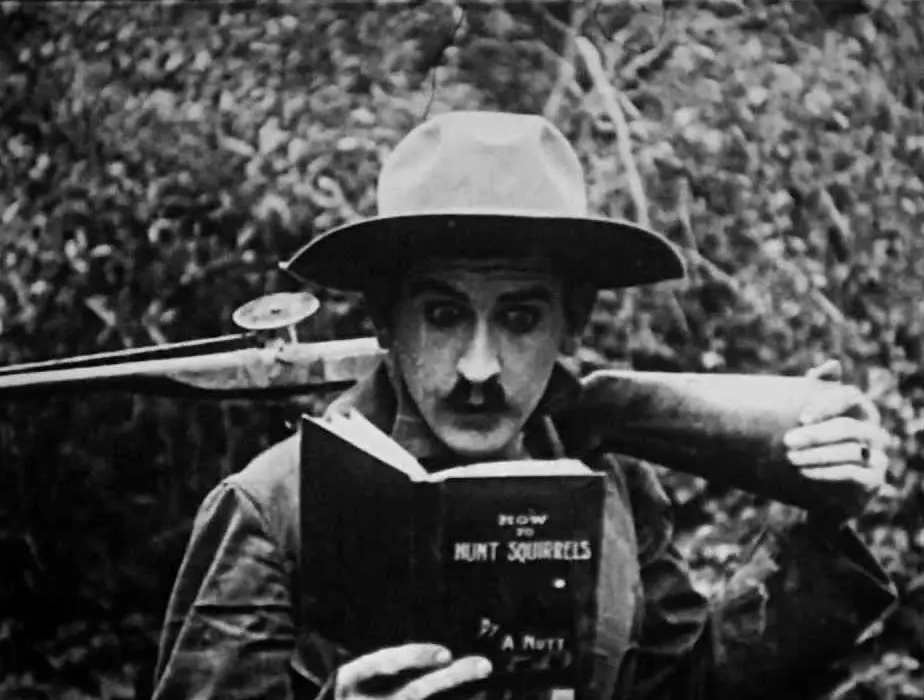
The ensemble’s chemistry feels rehearsed yet spontaneous, a hallmark of Roach’s collaborative directing style. The actors seem to feed off each other’s energy, each escalation of the duck‑gun argument feeding the next wave of panic as the bear looms larger.
Cinematographer’s choice of stark contrast—deep shadows against the bright orange of the hunters’ jackets—creates a visual tension that mirrors the narrative’s thematic clash. The use of a handheld camera during the bear’s entrance injects kinetic urgency, a technique later popularized in the 1930s but here feels avant‑garde. The editing, crisp and economical, refuses any superfluous linger. Each cut serves the dual purpose of advancing the plot and heightening comedic timing. When the bear finally barrels through the lodge’s flimsy door, the rapid intercut of terrified faces, flailing arms, and the duck gun’s barrel wobbling in the air is a masterclass in silent‑film comedy choreography.
Although the film predates synchronized sound, the intertitles are witty, employing a vernacular that feels both period‑appropriate and timeless. The occasional musical cue, likely performed live during original screenings, would have accentuated the frantic chase with a frenetic brass motif, a practice reminiscent of the scoring in Always in the Way.
At its core, Shoot Straight interrogates the performative nature of masculinity. The hunters’ obsession with who “shot straight” becomes a satire of societal expectations that valorize precision over practicality. This motif aligns with the thematic undercurrents in Respectable by Proxy, where characters masquerade behind façades of propriety only to be unmasked by circumstance.
Moreover, the film’s resolution—Paul’s quiet triumph using a humble branch—echoes the subversive humor of The Scoffer, wherein the protagonist’s understated wit outmaneuvers pompous antagonists. The bear, an almost mythic antagonist, functions less as a literal threat and more as a narrative device that forces the characters to confront the futility of their bravado.
While Shoot Straight remains a relatively obscure entry in Hal Roach’s oeuvre, its influence can be traced in later comedic set‑pieces that juxtapose human folly against untamed nature. The film anticipates the chaotic energy of later works such as The Wood Nymph, where protagonists grapple with the unpredictable whims of the wilderness.
In contemporary discourse, the film’s critique of performative masculinity resonates with ongoing conversations about gender roles in media. Its comedic lens provides an accessible entry point for viewers to reflect on how societal pressures shape behavior, especially in environments that glorify competition and dominance.
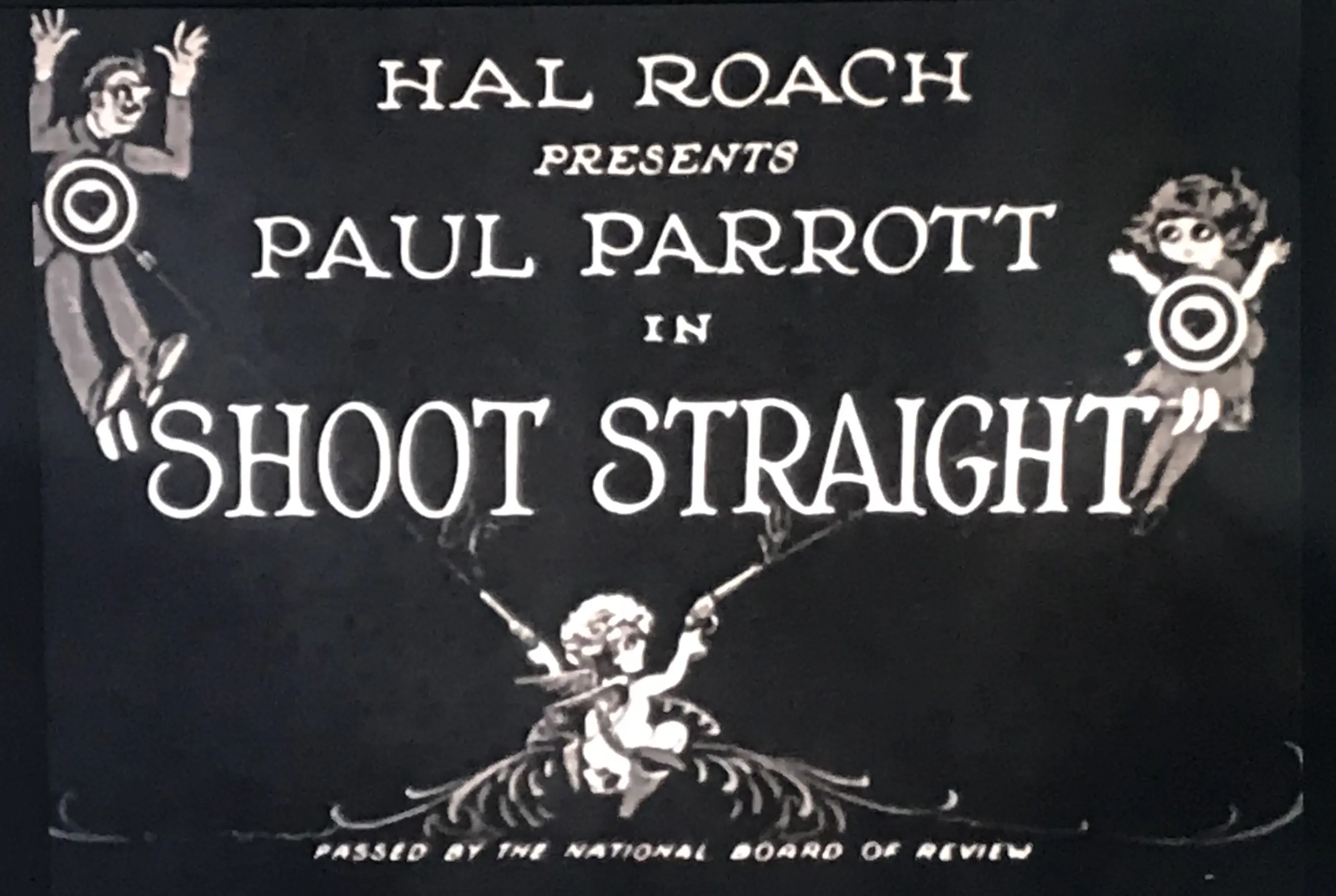
From a preservation standpoint, the surviving prints of Shoot Straight exhibit remarkable clarity, a testament to the meticulous archiving practices of early American studios. The film’s intertitles retain their original typography, a decorative serif that adds a period‑appropriate flourish without distracting from the visual storytelling.
The film’s runtime—approximately twelve minutes—packs a dense narrative arc that rivals longer features in its emotional and comedic payoff. The pacing, relentless yet measured, ensures that each gag lands with precision, echoing the tight storytelling of The Grey Automobile.
Shoot Straight stands as a compact yet potent artifact of silent‑era comedy, marrying slapstick vigor with incisive social commentary. Its blend of visual wit, nuanced performances, and thematic depth elevates it beyond mere farce, positioning it as a reference point for scholars examining the evolution of comedic cinema. For modern audiences, the film offers both nostalgic amusement and a reflective mirror on the absurdities of bravado, making it a timeless piece worth revisiting.
IMDb —
1927
Community
Log in to comment.