DbcultAccessing Vault...
Cult Review
Senior Film Conservator
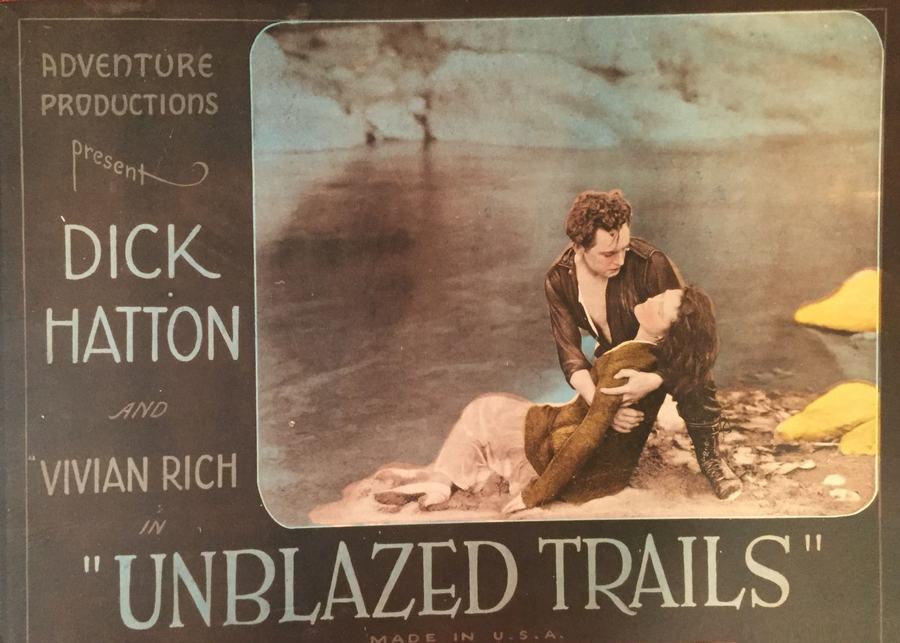
The cinematic landscape of the early 20th century, particularly the burgeoning genre of the Western, often presented a stark moral dichotomy, a battleground where pioneering spirit clashed with rampant greed. Among these foundational narratives, "The Unblazed Trail" stands as a compelling, if perhaps lesser-known, testament to the era's storytelling prowess. It's a film that, despite its vintage, manages to articulate a visceral sense of struggle and redemption, drawing viewers into a world where the land itself is a character, and justice is often a path forged by individual will rather than established law.
At its core, "The Unblazed Trail" is an archetypal tale of a good man wronged, forced to navigate a labyrinth of deceit and natural perils to reclaim his honor and protect the vulnerable. The protagonist, Silas Croft, portrayed with rugged stoicism by Dick Hatton, embodies the idealized frontiersman: resilient, honorable, and deeply connected to the land and its people. Hatton, a perennial fixture in silent Westerns, brings a quiet intensity to Croft, his weathered features and resolute gaze conveying a depth of character that transcends the need for dialogue. He's not merely a hero; he's a symbol of the untamed spirit, a guardian against the encroaching shadow of corruption.
The film's antagonist, Jedediah Thorne, played with chilling effectiveness by Donald McCollum, is a masterclass in silent-era villainy. McCollum eschews overt theatricality for a more insidious portrayal of greed, his smirks and calculated gestures painting a portrait of a man driven by insatiable avarice. Thorne's ambition to monopolize the region's resources – its vital water sources and lucrative cattle trails – is not just an economic ploy; it's an assault on the very fabric of the community, a blatant disregard for the collective good. The conflict, therefore, is not simply between two men but between two opposing philosophies: communal prosperity versus individual rapacity.
Vivian Rich, as the spirited schoolteacher Elara Vance, provides the film's moral compass and emotional anchor. Her character is far from a mere damsel in distress; Elara possesses an innate perceptiveness, a keen ability to see beyond the fabricated accusations leveled against Silas. Her journey from initial skepticism to unwavering belief in Silas's innocence is pivotal, representing the awakening of the community's conscience. Rich imbues Elara with a quiet strength and intelligence, her expressive eyes conveying a range of emotions that ground the narrative in human experience. Her presence elevates the film beyond a simple action-adventure, introducing an element of intellectual and emotional conviction that is often overlooked in genre pieces of the period.
"The Unblazed Trail" delves into themes that remain profoundly relevant. The struggle for land and water rights, the corrupting influence of power, and the enduring quest for justice are universal motifs. The film posits that true justice often lies not in the cumbersome machinery of the law, but in the unwavering moral conviction of individuals and the collective will of a community. Silas's journey into the titular "unblazed trail" is both a literal and metaphorical quest. It is a physical traversal through treacherous canyons, a desperate search for a forgotten path or resource that can break Thorne's stranglehold. But it is also a metaphorical journey into the uncharted territories of self-reliance and moral courage, a path that only a true "pathfinder" can forge.
The vast, untamed landscape itself plays a crucial role, often serving as both a formidable adversary and a silent ally. The cinematography, though characteristic of the era, manages to capture the breathtaking scale of the Western frontier, emphasizing humanity's smallness against nature's grandeur. The canyons and mountains are not just backdrops; they are active participants in Silas's struggle, their rugged beauty mirroring the harsh realities of frontier life. This connection between character and environment is a hallmark of the best Westerns, and "The Unblazed Trail" utilizes it effectively to heighten the drama and underscore the stakes.
Comparing "The Unblazed Trail" to its contemporaries reveals its unique strengths. While films like Dead Shot Baker might offer more straightforward shoot-em-up action, "The Unblazed Trail" leans into a more intricate narrative of subterfuge and moral vindication. The villainy of Jedediah Thorne, for instance, shares a certain calculated ruthlessness with the antagonists found in dramas like The Alster Case, where the conflict is often less about brute force and more about intellectual cunning and manipulation. This nuanced approach to conflict elevates the film beyond simple genre fare.
Furthermore, the role of Vivian Rich's Elara Vance can be seen as a precursor to more empowered female characters, though still within the confines of early 20th-century sensibilities. While not as overtly rebellious as some heroines in films like Women's Weapons, Elara's intellectual independence and moral clarity are crucial to the plot's resolution. She is not merely an object to be rescued but an active participant in the pursuit of truth, a trait that lends her character a refreshing agency. This makes the film feel less like a patriarchal fantasy and more like a collective struggle for justice.
The direction of "The Unblazed Trail," while adhering to many conventions of the silent era, demonstrates a keen understanding of visual storytelling. The pacing, though deliberate by modern standards, effectively builds tension, particularly during Silas's perilous journey through the canyons and the climactic confrontation. Close-ups are utilized judiciously to convey emotional states, allowing the actors' expressions to carry the weight of the narrative. The ensemble cast, under the director's guidance, delivers performances that are both expressive and restrained, avoiding the overly theatrical gestures that sometimes marred silent films.
Dick Hatton, in particular, masters the art of non-verbal communication. His stoic demeanor is punctuated by moments of intense emotion – a flicker of anger in his eyes, a tightening of his jaw, a subtle shift in his posture – all conveying a rich inner life for Silas Croft. He anchors the film with his authenticity, making the audience believe in his unwavering resolve. Donald McCollum's portrayal of Thorne is equally compelling, his villainy conveyed through a series of subtle yet sinister mannerisms that make him a truly detestable antagonist. His ability to project malice without uttering a single word is a testament to his skill and the director's vision.
Vivian Rich, on the other hand, brings a warmth and intelligence that balances the film's rugged masculinity. Her scenes with Hatton are imbued with a tender understanding, a mutual respect that slowly blossoms amidst the chaos. Her character's unwavering faith in Silas, even when he is publicly disgraced, serves as a powerful testament to her strength of character. This emotional core is vital, providing a human element that prevents the film from becoming a mere spectacle of action and conflict. It's a nuanced performance that stands out in a genre often criticized for its one-dimensional female characters.
While specific production details often fade with time for films of this vintage, the craftsmanship evident in "The Unblazed Trail" speaks volumes. The set designs, though perhaps not elaborate, effectively evoke the frontier environment, from rustic cabins to the bustling, yet often corrupt, town centers. The action sequences, particularly the horse chases and the perilous climb through the canyons, are staged with a clear understanding of dynamic movement, creating moments of genuine excitement. The film's reliance on practical effects and natural scenery imbues it with an authenticity that CGI-laden modern films often struggle to replicate.
The film's impact, though perhaps not as widely heralded as some of its more famous contemporaries, lies in its contribution to solidifying the Western genre's tropes and moral framework. It helped to establish the template for the lone hero fighting against systemic injustice, a narrative arc that would be revisited countless times in subsequent decades. Its exploration of themes like land ownership, community solidarity, and personal integrity resonates with the foundational myths of American identity. In many ways, it's a cinematic time capsule, offering insights into the values and anxieties of its time.
Furthermore, the film's ability to tell a complex story purely through visual cues and the power of performance is a powerful reminder of the artistry inherent in silent cinema. It forces the viewer to engage actively, to interpret gestures, expressions, and environmental details, creating a more immersive and contemplative viewing experience than passively consuming dialogue-driven narratives. This engagement is what makes re-discovering films like "The Unblazed Trail" such a rewarding endeavor for modern audiences.
"The Unblazed Trail" is more than just a historical curiosity; it is a vital piece of cinematic heritage that deserves renewed attention. It offers a window into the formative years of American filmmaking, showcasing the talents of actors like Dick Hatton and Vivian Rich, and the narrative ambition of its creators. Its themes of justice, perseverance, and the struggle against corruption remain timeless, proving that even a century later, the human heart of these stories beats strong.
For enthusiasts of early cinema, particularly those drawn to the rugged romance and moral clarity of the silent Western, "The Unblazed Trail" provides a rich and rewarding experience. It reminds us that the paths to justice, much like the trails through untamed wilderness, are often unblazed, requiring courage, conviction, and an unwavering belief in what is right. Its enduring power lies in its ability to transport us to a nascent America, where the lines between good and evil were stark, and the heroes were truly larger than life, carving out their destinies against breathtaking backdrops. It's a journey well worth taking.
IMDb 7.4
1919
Community
Log in to comment.