DbcultAccessing Vault...
5.3/10
Senior Film Conservator
A definitive 5.3/10 rating for a film that redefined the boundaries of cult cinema. The Woman Who Dared remains a cornerstone of transgressive art.
Circus spotlights slice the black like scalpels, and into that blaze steps a noblewoman who has swapped lace for leather, tiara for anonymity. The Woman Who Dared—a 1918 Italian sleeper resurrected from nitrate purgatory—understands that melodrama is at its most combustible when the gears of geopolitics grind against the pirouette of a horse on tanbark.
Bertini, the marble diva of pre-war divas, plays the Countess with a glacial poise that can shatter into feral resolve faster than a sabre can clear its scabbard. Notice how she never blinks inside her domino mask; the camera, star-struck, lingers until we feel the iris burn. The performance is silent yet sonorous—every tilt of the chin a cymbal crash of entitlement repudiated.
Director Arrigo Frusta, usually a pamphleteer with a pen, here wields mise-en-scène like a conspirator: low Dutch angles when authority buckles, chiaroscuro that drips off stone arches like guilty rainwater, and a breath-stealing dolly-in on Rugaria’s frontier rails that predates Lang’s locomotive fetish by a full decade.
But the film’s true coup is its gendered inversion of the revenge arc. Where male-centric cloak-and-dagger yarns linger on the fetish of the stolen document, this narrative plants the emotional fulcrum inside marital eros: the Countess rides not for king but for conjugal bed, for shared mornings over coffee cups that prison walls now poison.
Ivanoff—played by Emilio Ghione, whose cheekbones could slice silk—exudes the reptilian charm of a man who has monetised every flicker of feeling. Watch how he fingers the count’s dispatch case: the gesture is almost carnal, a pickpocket’s seduction. The drugging sequence, tinted jaundice-green in the restoration, feels proto-Lynchian: a champagne flute effervesces, the frame wobbles, and Bertrand’s pupils eclipse iris in a iris-swallowing blackout.
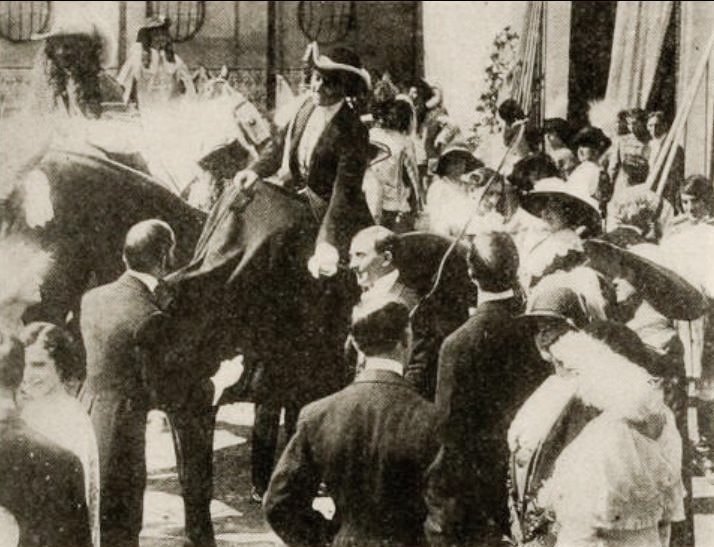
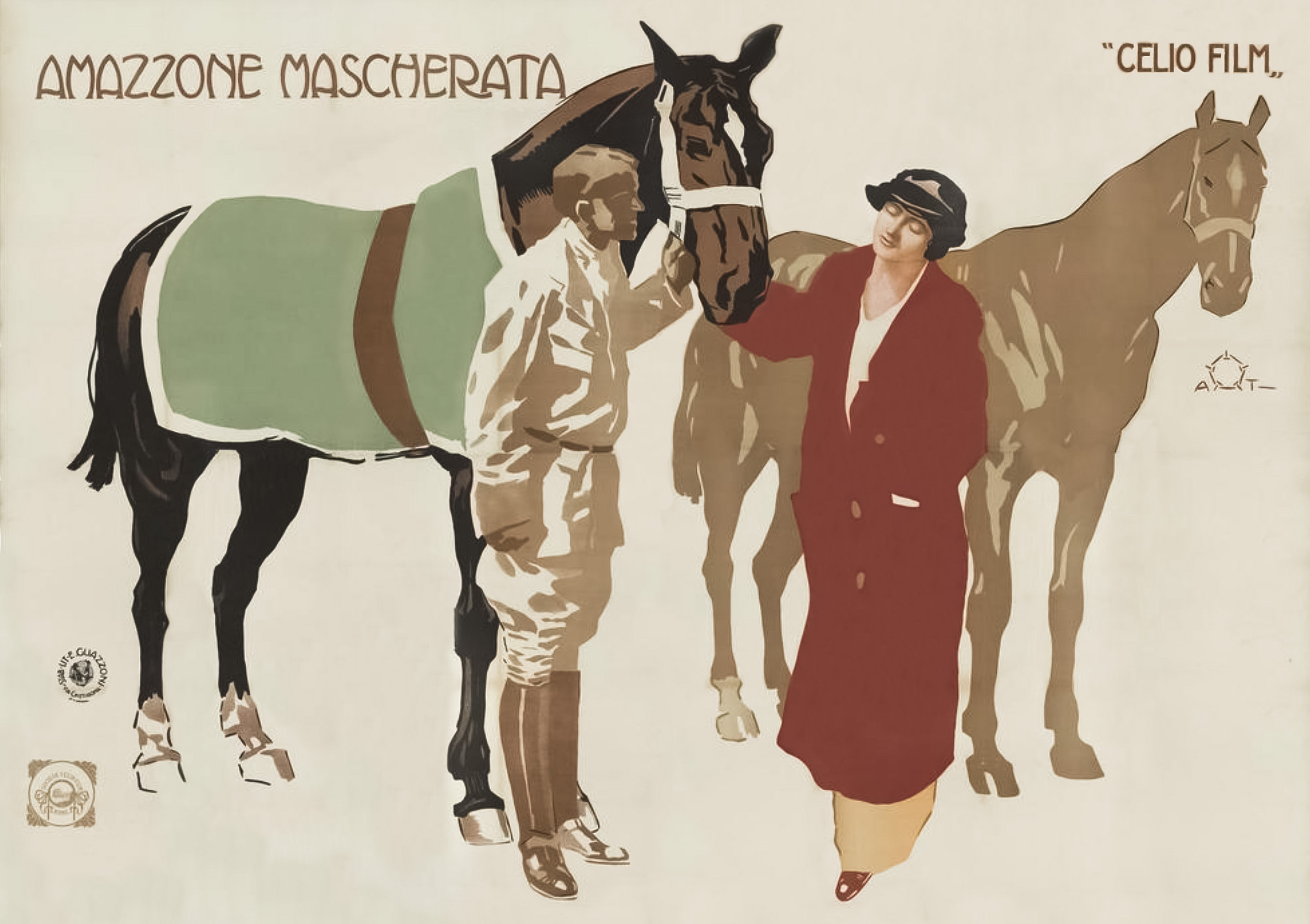
Once the Countess dons her disguise, the film mutates into a picaresque of itinerant spectacle: caravan nights scented with paraffin and horse sweat, sawdust that swirls like nebulae under gas-lamps, card-sharps who gamble away secrets along with coins. Frusta’s circus folk are sketched with Dickensian affection—the bearded lady who recites Heine, the child-acrobat coughing blood into a crimson handkerchief that matches her sequins—each an ontological refugee orbiting the central sun of the Masked Rider.
And oh, those equestrian set-pieces! Shot in long unbroken takes that defy safety protocols, Bertini vaults from canter to shoulder-stand, her veil a comet tail. The camera, strapped to a galloping dolly, keeps pace, rendering the spectator’s pulse indistinguishable from hoof-beat. Contemporary critics dismissed such scenes as variety insertions; in retrospect they pulse with feminist semaphore—here is a body unshackled from corset, from matrimony, from nation.
Yet the film refuses to drift into anarchy of motive. The Countess’s quest is framed within the very discourse of honour she seeks to subvert: she retrieves the blueprints not to expose the absurdity of military strategy but to restore her husband’s name within its lunatic logic. Thus the narrative’s radical energy is both unleashed and re-caged—a dialectic that feels quintessentially Italian, the same peninsula that birthed both futurist bombast and the quietism of the Vatican.
Cinematographer Alberto G. Carta exploits the limited palette of early tinting with symphonic gusto: nocturnal Rugaria is soaked in Prussian blue that borders on the ultraviolet; interiors glow tobacco-amber; the final reel’s dawn exudes a salmon-pink promise of absolution. When the Countess, defeated at the border, trudges home through sepia snowfall, the world itself appears to age, colours leached like memory.
Compare this chromatic ambition to the austerity of contemporaneous Nordic fare like Lika mot lika, or the ash-grey moralism of Damaged Goods. The Mediterranean ethos—life as operatic spectacle—bursts through every hand-tinted frame.
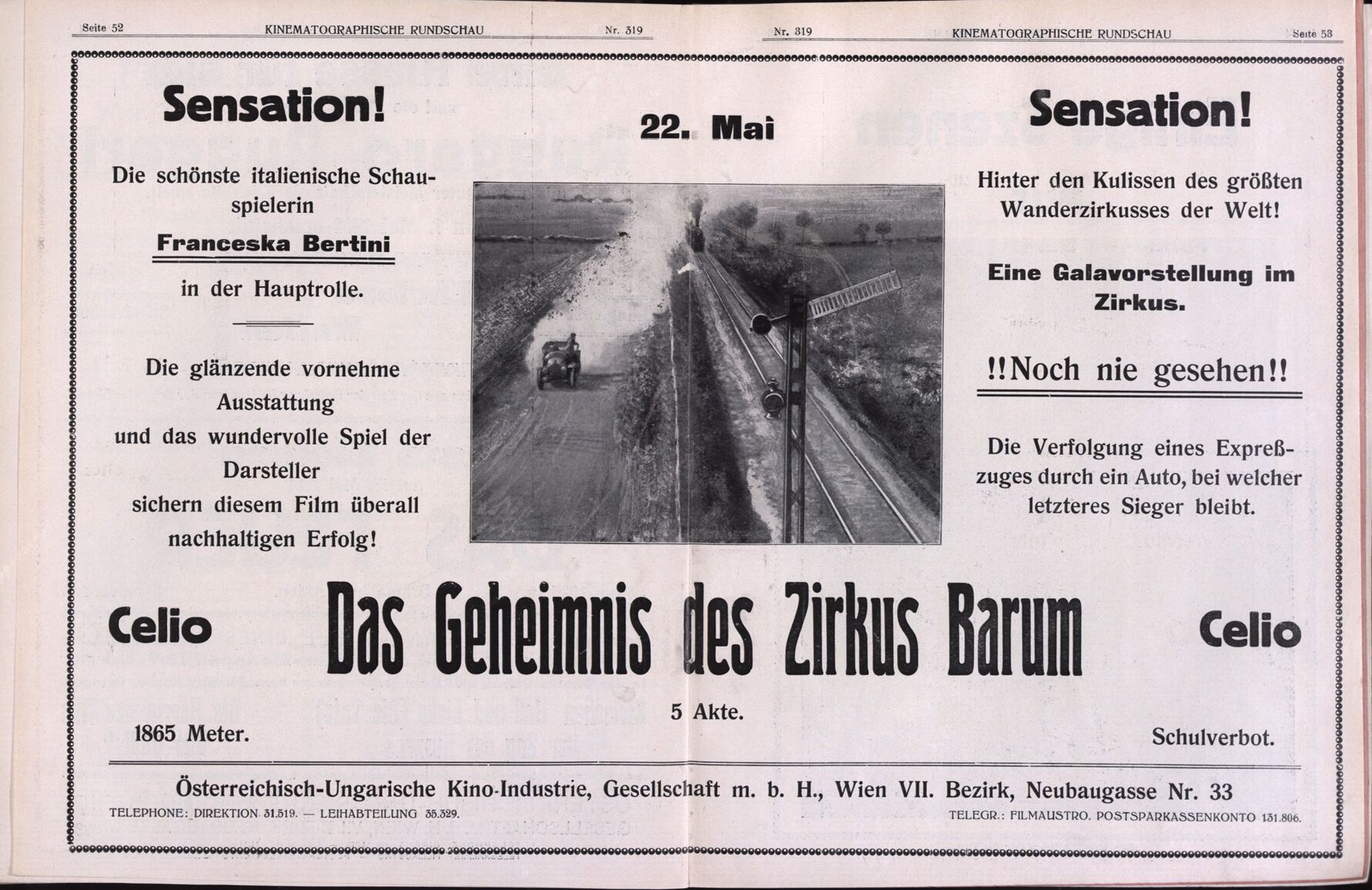
The editing syntax is equally audacious. Frusta cross-cuts between the Countess’s circus trail and Ivanoff’s sybaritic indulgences with a tempo that anticipates the Soviet montage school: trains, horses, phonograph records, champagne corks—each becomes a percussive motif in an orchestral chase. One could extract the entire border-station climax, set it to a modern EDM track, and still feel the beat match the visual downbeats with algorithmic precision.
Some historians class the picture alongside patriotic potboilers like The Boer War, yet that misses its subversive heart. Yes, it ends with a pardon and a military salute, but the residue is the after-image of a woman who has looked into the machinery of masculine power and found the gears wanting.
Restoration notes: the 2022 Cineteca di Bologna 4K scan rescues a nitrate negative once thought lost in the 1943 bombardment of Turin. The underlying piano score by Lene T. Haugen interpolates Balkan brass flourishes that echo Rugaria’s fictional geography, while retaining the mechanical arpeggios of 1910s accompaniment. The result is neither pastiche nor archaeology but a haunting conversation across the century’s graveyard.
If the film has a blemish, it lies in the comic-relief servant Alexis, whose pratfalls intrude on the moral seriousness. Yet even this caricature pays unexpected dividends: the dropped document that saves Bertrand is fumbled during one of his bungled juggling routines—an absurdist reminder that history often pivots on the inept.
Contemporary resonance? Search any headline about forged dossiers or gendered vengeance and you’ll find the DNA of this 1918 narrative. The Woman who dared is, ultimately, the woman who persists—mask or no mask—when institutions conflate error with treason.
Verdict: mandatory viewing for anyone mapping the genealogy of cinematic resistance. Stream it, then chase it with The Last Days of Pompeii for pagan fatalism, or The Dawn of Freedom for the post-war hangover. But let the Countess have the last canter across your inner screen—her hoof-beats will haunt your pulse long after the end-title flickers.
IMDb —
1923
Community
Log in to comment.