DbcultAccessing Vault...
2.6/10
Senior Film Conservator
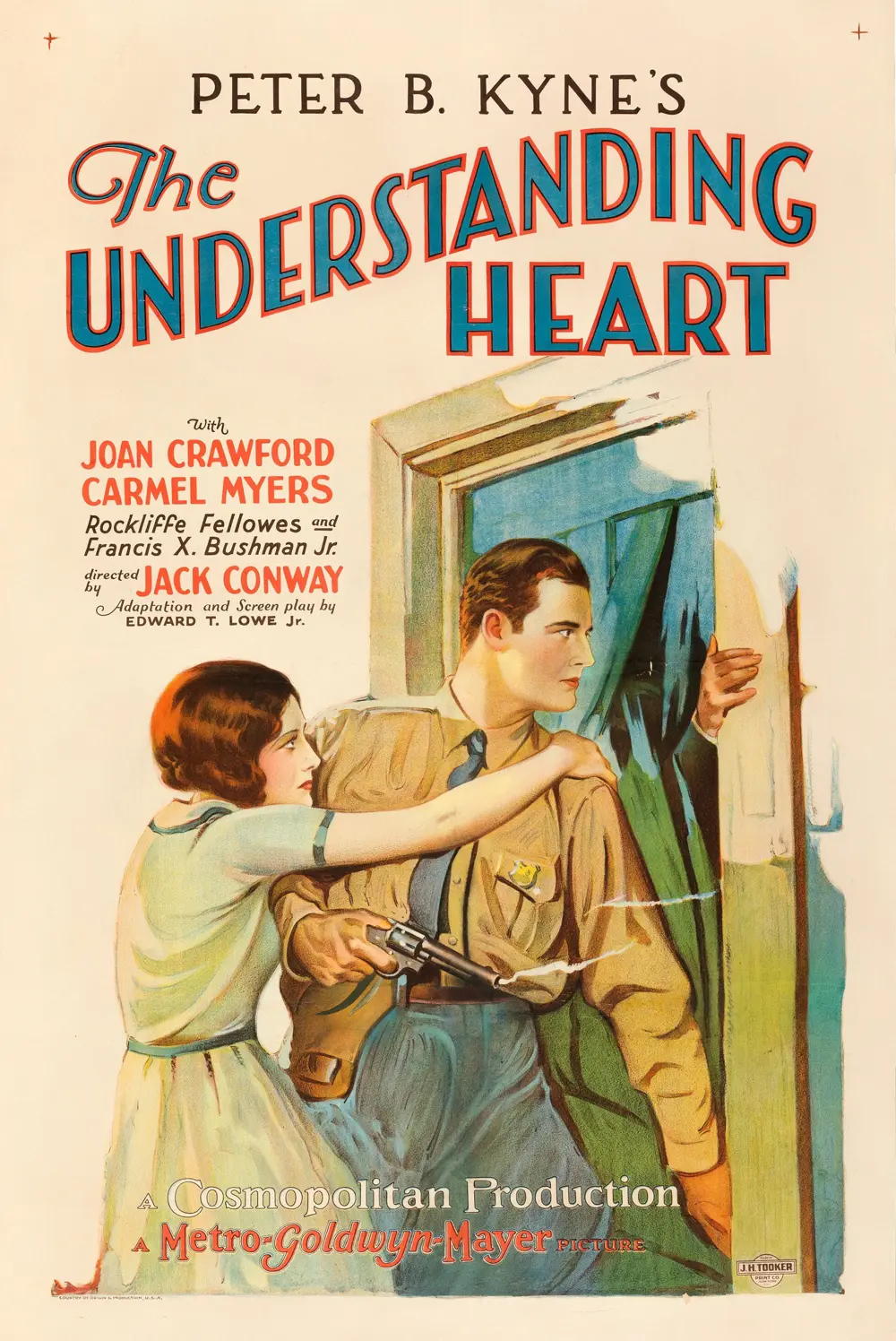
A definitive 2.6/10 rating for a film that redefined the boundaries of cult cinema. The Understanding Heart remains a cornerstone of transgressive art.
Is “The Understanding Heart” worth watching today? Short answer: yes, if you approach it with the right context and appreciation for early Hollywood melodrama. This silent film is a fascinating artifact for cinephiles, particularly those interested in Joan Crawford’s nascent career and the narrative conventions of the 1920s, but it will likely test the patience of viewers accustomed to modern pacing and storytelling.
It's a picture best suited for the film historian, the dedicated silent movie buff, or anyone eager to witness the foundational elements of genre cinema. Those seeking fast-paced action or nuanced character arcs might find its deliberate rhythm and broad strokes less engaging.
This film works because...
Its central performances, especially from a young Joan Crawford, infuse genuine emotion into a somewhat predictable plot, while the ambitious fire sequence offers a compelling spectacle for its era.
This film fails because...
The narrative relies heavily on melodramatic contrivances and a rather abrupt resolution that sacrifices genuine character development for a tidy, albeit unearned, happy ending.
You should watch it if...
You are a dedicated fan of silent cinema, a Joan Crawford enthusiast, or someone interested in the historical evolution of film storytelling and early genre tropes.
Before she became the iconic, formidable force of Hollywood's Golden Age, Joan Crawford was Monica Dale, a fire lookout in 1926's “The Understanding Heart.” This relatively obscure silent film, directed by Jack Conway, offers a rare, formative glimpse into the actress's burgeoning talent. It's a testament to the sheer magnetism she possessed even in these nascent stages of her career, long before the dramatic arched eyebrows and the razor-sharp delivery became her signature.
The film itself is a curious blend of wilderness adventure, romantic melodrama, and a dash of redemption arc, all set against the dramatic backdrop of a looming forest fire. It’s a narrative that feels both quaintly old-fashioned and surprisingly potent in its core emotional beats.
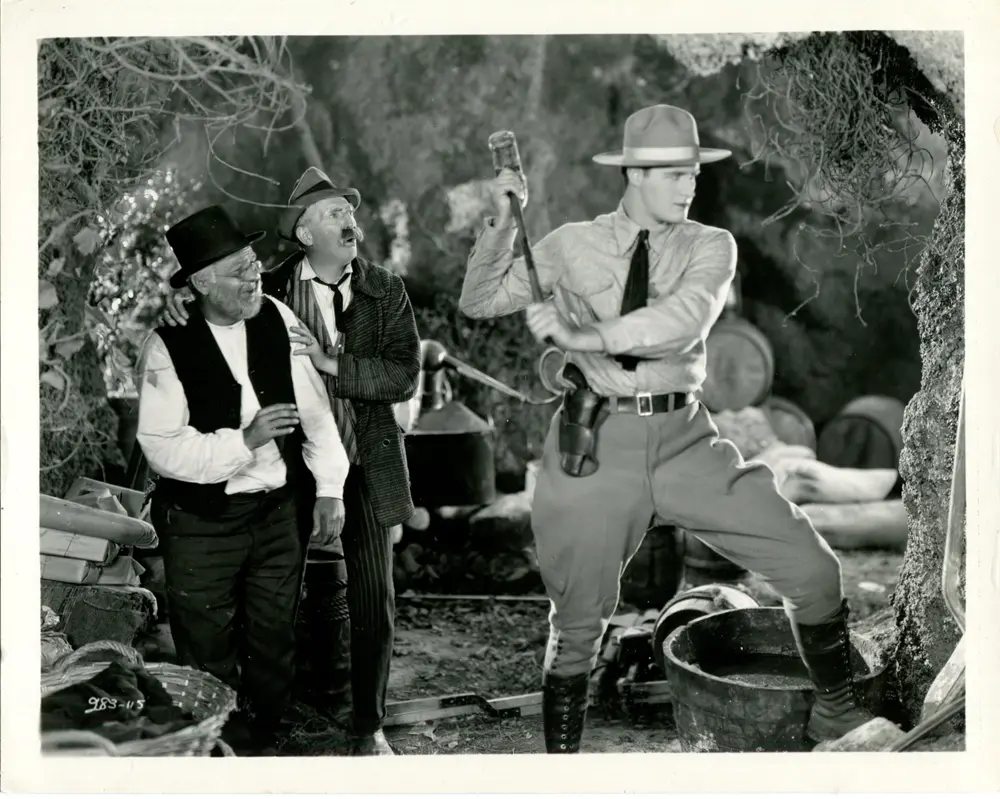
The plot, derived from a Peter B. Kyne story, is straightforward: Monica is torn between her affection for Ranger Tony Garland (Rockliffe Fellowes) and the unexpected emotional pull of Bob Mason (Jerry Miley), an escaped convict who seeks refuge in her isolated tower. The arrival of the fire, a classic cinematic device, acts as both a physical threat and a catalyst for emotional reckoning.
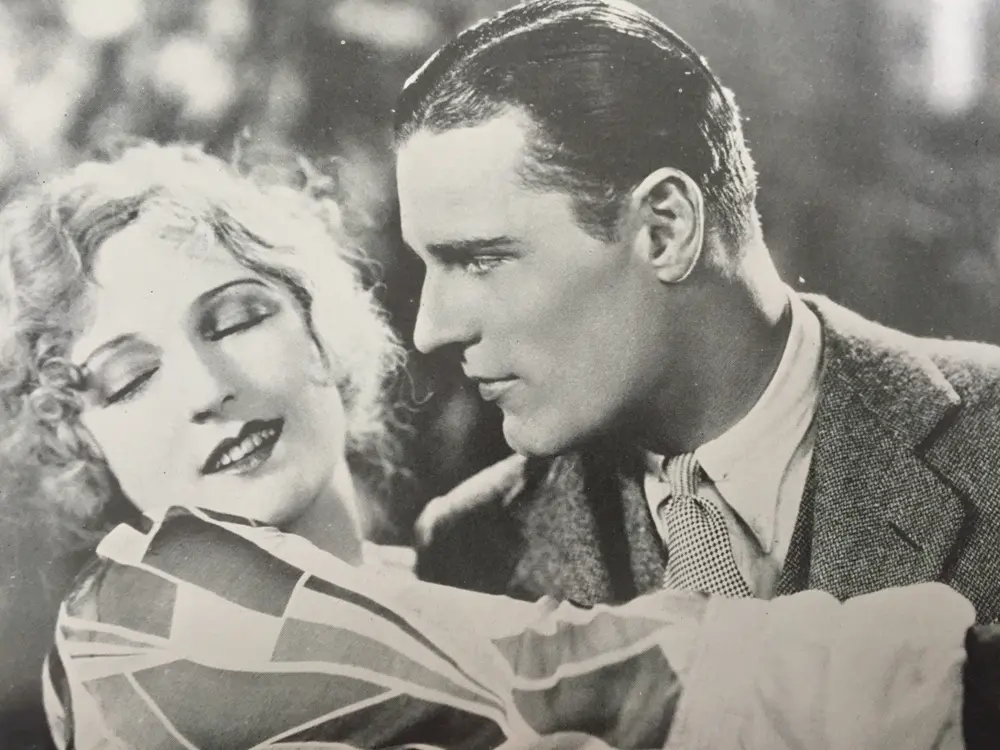
The undeniable draw of “The Understanding Heart” is Joan Crawford. Even in this early role, her screen presence is palpable. She carries the emotional weight of Monica with a natural grace that belies her inexperience. Her expressions, often magnified for the silent screen, convey a spectrum of emotion – from youthful innocence to burgeoning despair and quiet resolve.
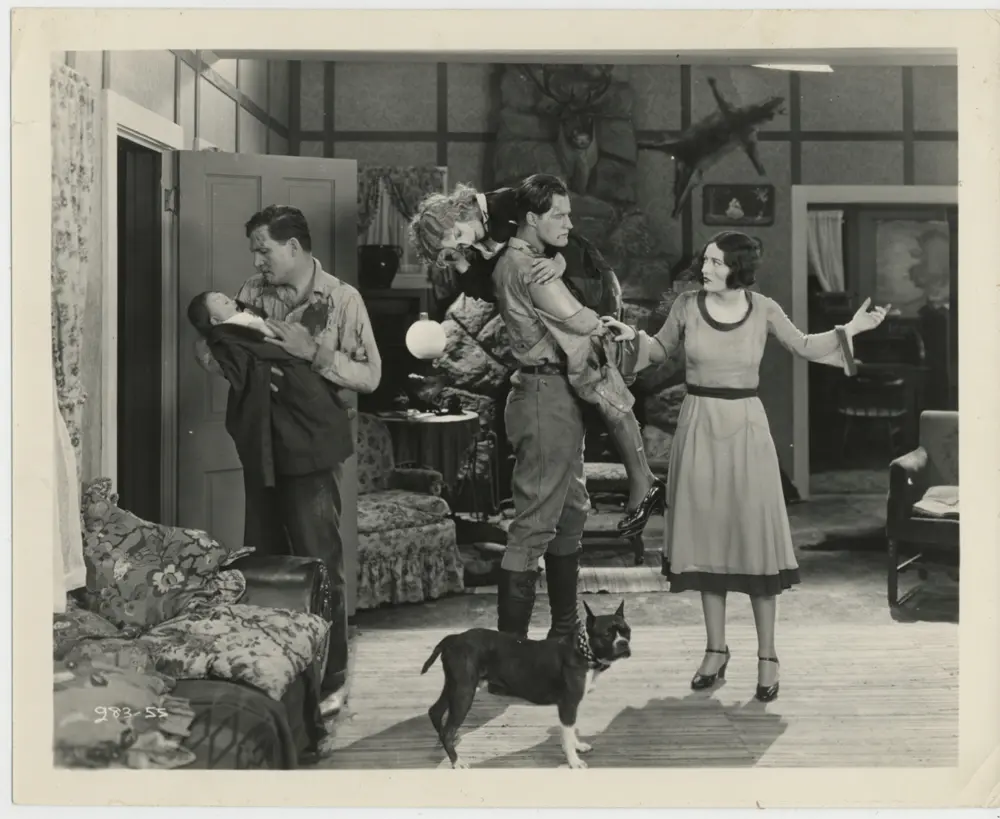
Consider the scenes where she first encounters Mason. There's a subtle shift in her posture, a flicker in her eyes that suggests curiosity mixed with apprehension, rather than outright terror. This early nuance hints at the depth she would later bring to more complex characters. She doesn't just react; she processes.
Jerry Miley, as the conflicted Bob Mason, delivers a performance that, while occasionally leaning into the broad gestures typical of the era, manages to convey a surprising vulnerability. His internal struggle, particularly as he grapples with his feelings for Monica and his criminal past, is effectively communicated through his physical acting and pained expressions. It’s a more sympathetic portrayal of an ‘outlaw’ than one might expect from 1920s cinema.
Rockliffe Fellowes, as the steadfast Tony Garland, fulfills the role of the reliable, heroic love interest with competence, though his character is undeniably less complex than Mason’s. His strength lies in his unwavering devotion and a sense of calm authority, providing a necessary anchor amidst the emotional turbulence. The chemistry between Crawford and Miley, however, feels more charged, more compelling, even if the narrative ultimately pushes her towards Fellowes.
Jack Conway’s direction, while not groundbreaking, is effective in establishing the film’s atmosphere. He skillfully uses the expansive, rugged landscapes of the forest as a character in itself. The isolation of Monica’s lookout tower is consistently emphasized, making her vulnerability feel immediate and real. The wide shots of the forest, particularly as the fire begins to spread, are genuinely impressive for the time, showcasing early large-scale special effects.
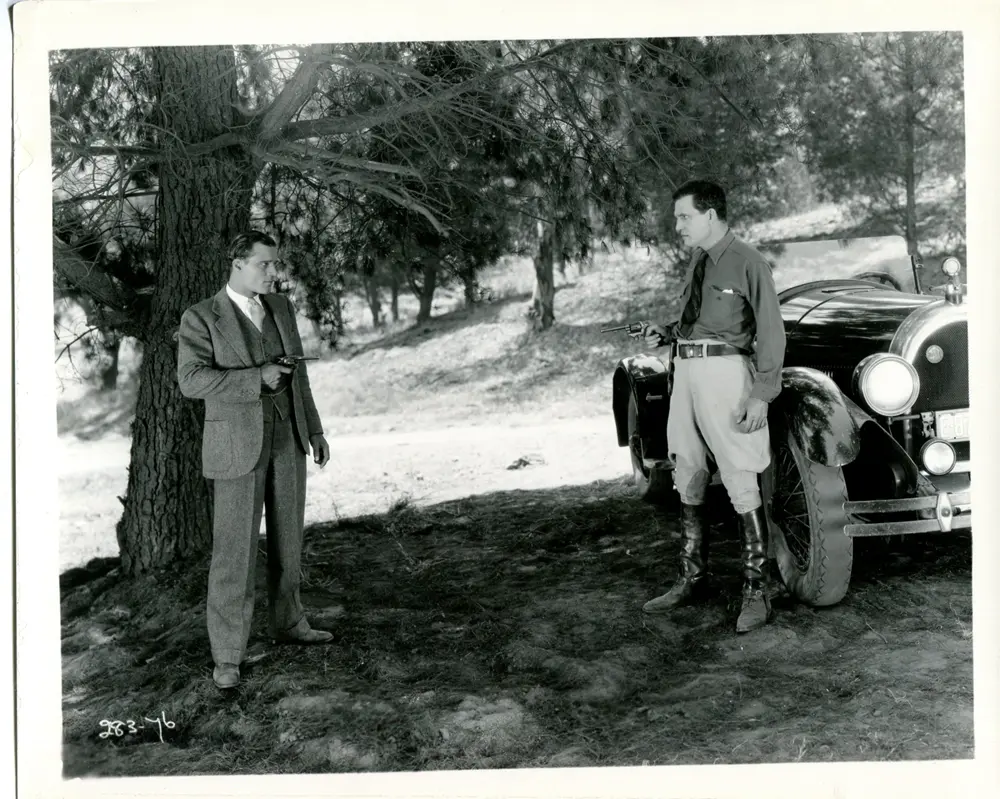
The cinematography, handled by Len H. Smith, captures the majestic beauty and inherent danger of the wilderness. There are moments of striking visual composition, particularly in the sequences leading up to and during the forest fire. The flickering light and deep shadows cast by the encroaching flames create a palpable sense of dread and urgency. The intertitles, while sometimes verbose, effectively bridge the narrative gaps, but it’s the visual storytelling that truly shines.
One particularly memorable sequence involves the rapid escalation of the fire. Conway doesn't just show the flames; he shows the frantic efforts of the rangers, the animals fleeing, and the claustrophobic feeling of being trapped. It's an early example of using natural disaster not just as a plot device but as a force that tests the very limits of human endurance and morality.
Like many silent films, “The Understanding Heart” operates at a deliberate pace, relying on visual cues and extended emotional beats to convey its story. Modern viewers might find the initial setup somewhat slow, but this allows for the gradual development of the relationships, particularly the unexpected bond between Monica and Mason. The narrative builds steadily towards its fiery climax, which injects a much-needed jolt of adrenaline.
The tone is unashamedly melodramatic. Emotions are writ large, and moral dilemmas are presented in stark, often black-and-white terms. The concept of an 'understanding heart' capable of seeing beyond superficial labels is central, even if its execution feels a little too convenient in the final act. The sudden downpour that extinguishes the fire and, almost simultaneously, resolves Mason’s legal troubles is a classic deus ex machina, a narrative shortcut that, while common for the era, feels particularly jarring today. It works. But it’s flawed.
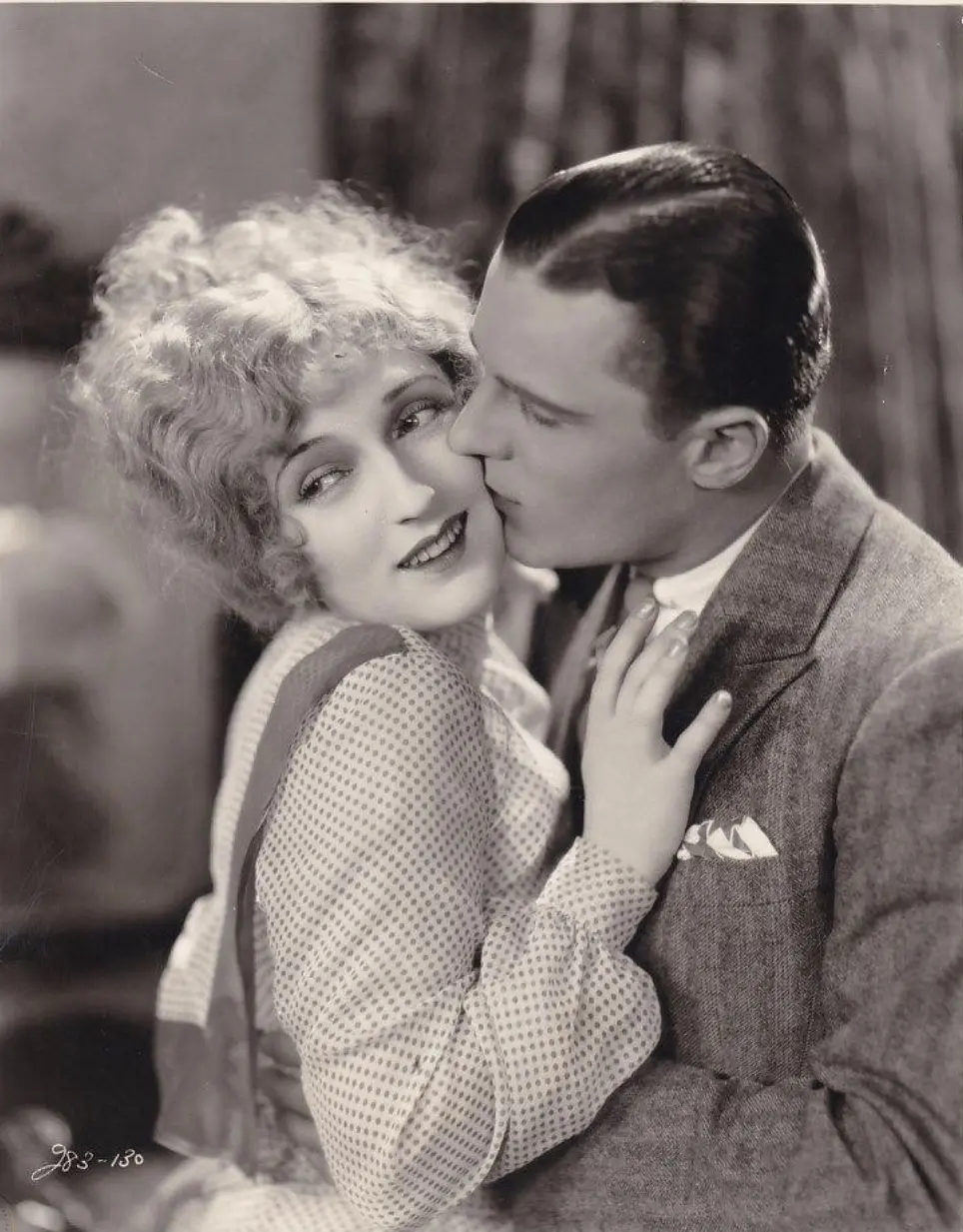
This reliance on convenient plot resolutions is arguably the film’s biggest weakness. It undermines the emotional complexities that Crawford and Miley work hard to establish, opting for a tidy, unearned conclusion rather than a more challenging, realistic one. For another look at how silent era films handled complex emotions, one might compare it to something like “The Old Nest” or even the darker undertones of “The Wolf Man” (though a different genre, it explores human nature). Or even a more straightforward romance like “The Dawn of Love”.
Yes, “The Understanding Heart” is worth watching for specific audiences. It offers a valuable window into early Hollywood filmmaking. It showcases the emerging talent of Joan Crawford. The film's ambitious fire sequence is a technical marvel for its time. However, its melodramatic plot and convenient ending might not appeal to all. It is a historical piece, not a contemporary blockbuster. Approach it as a historical document. Enjoy Crawford's early performance.
While the love triangle forms the narrative spine, it’s the looming, then raging, forest fire that truly commands attention and drives the most compelling drama. The film's human conflicts, for all their emotional weight, often feel secondary to the primal force of nature. The fire isn't merely a backdrop; it's an active antagonist, an unpredictable entity that forces characters to confront their deepest fears and make impossible choices. This elevation of the natural world above the human drama, especially in a melodrama, is quite striking.
“The fire isn't merely a backdrop; it's an active antagonist, an unpredictable entity that forces characters to confront their deepest fears and make impossible choices.”
“The Understanding Heart” is more than just a historical curiosity; it’s a compelling, if imperfect, piece of early Hollywood. Its main draw is undoubtedly Joan Crawford, whose early performance hints at the formidable talent she would soon unleash upon the world. She elevates what could have been a standard melodrama into something genuinely engaging. The film’s technical ambition, particularly in its depiction of the forest fire, also deserves commendation.
However, its adherence to convenient narrative resolutions, a hallmark of many films of its era, prevents it from achieving true greatness. The sudden clearing of Mason’s name and the perfectly timed rain feel less like organic plot developments and more like the screenwriters simply running out of ideas for a challenging resolution. It’s a shame, as the emotional groundwork laid by Crawford and Miley suggests a richer, more complex ending was possible.
Despite these narrative shortcomings, “The Understanding Heart” remains an important watch for those interested in the evolution of cinema and the genesis of a star. It's not a forgotten masterpiece, but rather a vital stepping stone, showcasing the raw potential of a future icon against a backdrop of grand, natural drama. It has its flaws, yes, but its heart, much like its title suggests, is in the right place, even if its understanding of narrative complexity is still developing.
IMDb 6.2
1937
Community
Log in to comment.