DbcultAccessing Vault...
5.5/10
Senior Film Conservator

A definitive 5.5/10 rating for a film that redefined the boundaries of cult cinema. Don't Weaken! remains a cornerstone of transgressive art.
If the Roaring Twenties had a heartbeat, it syncopates through every frame of Don't Weaken!—a film that treats ballroom floors like battlegrounds and banknotes like confetti. Director-producer nexus (uncredited yet unmistakably Mack Sennett-adjacent) captures the moment when America's wallet outgrew its soul, then asks a dance teacher to foot the bill.
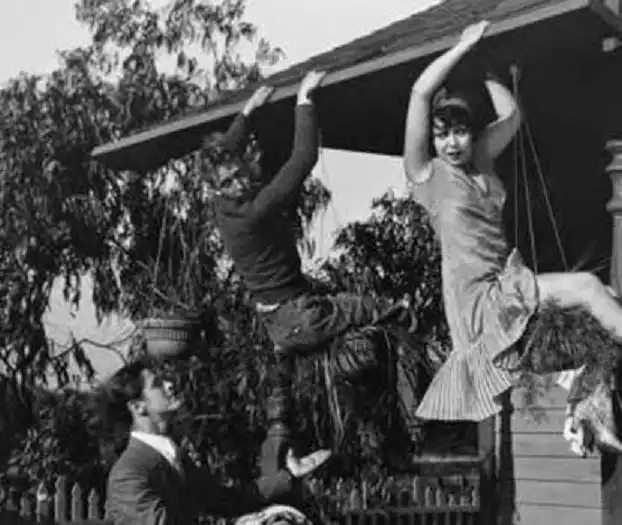
Forget rags-to-riches; here we get riches-to-ridiculous. The Hogarths’ ascent is relayed in a whirlwind montage—oil derricks morph into ticker tape, then into a gaudy mansion so nouveau it squeaks. Dex’s intrusion is no mere meet-cute; it is cultural collision, a soft-shoe insurgency. Note the symmetry: the first half of the picture lets physical comedy reign—pratfalls on waxed floors, collapsing trellises—while the second half pivots to verbal fencing, epigrams launched like darts across champagne flutes.
Key hinge: Millicent’s solo midnight practice, silhouetted against stained-glass saints. She stumbles, curses, finally surrenders to Dex’s tutelage. The scene is lit only by moon and mercury-vapor streetlamp, creating a chiaroscuro that anticipates German expressionism yet smells distinctly of American asphalt.
Charlotte Mineau shoulders the narrative like a platinum feather. One eyebrow flicker signals disdain; a lip-quiver betrays vulnerability. Compare her to the frosty heiress in A Pair of Silk Stockings—both women weaponize wardrobe, yet Mineau adds molten wit beneath the couture.
Patrick Kelly eschews the Tramp’s pathos for kinetic buoyancy. Watch his ankle pivot during the "barrel-roll shimmy": a 270-degree swivel that defies both physics and decorum. The camera records it in real time—no under-cranking—cementing his legacy as the lost link between Fairbanks flair and Astaire precision.
Cinematographer (unattributed, likely Elgin Lessley protégé) bathes the Hogarth mansion in honeyed amber gels, then jolts us with cobalt dance-hall sequences. The palette shift externalizes theme: wealth equals stasis, art equals motion. Note the recurring visual motif of mirrors—fractured, tilted, sometimes cracked—reflecting characters in duplex. It forecasts the climactic revelation that fortune itself is a mere reflection backed by thin silver.
Mid-film, Dex masquerades as a maestro to infiltrate a conservatory gala. A xylophone, a tub of lard, and a toupée converge into a crescendo that makes the pie fights in No Money, No Fun feel quaint. Yet the gag’s brilliance lies in aftermath: rather than cutaway, the camera lingers on embarrassed aristocrats forced to applaud. Satire stings precisely because it refuses to absolve the audience.
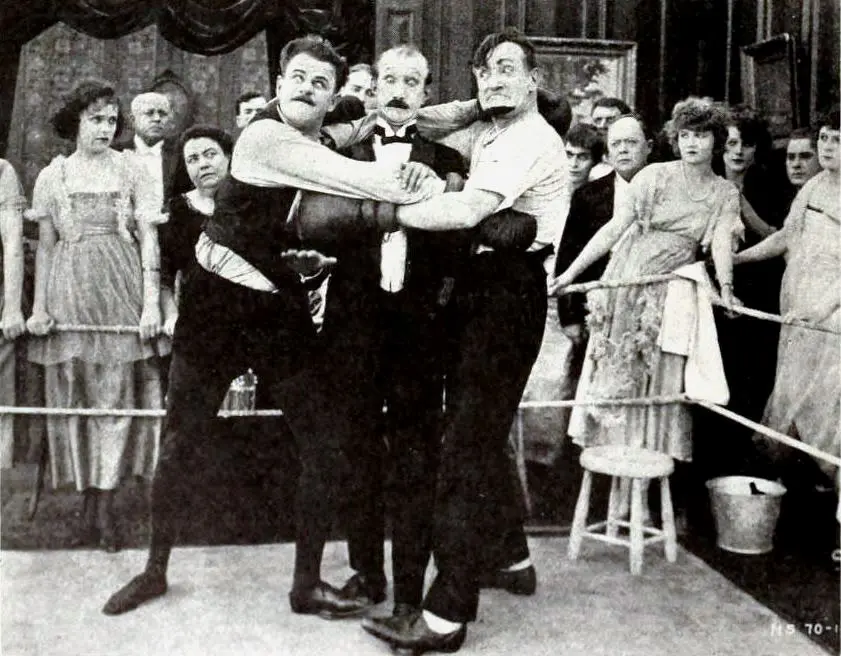
While Destiny's Toy moralizes over wealth’s corruption and The Plow Girl sanctifies pastoral poverty, our film pirouettes between both stools, landing in a cynical split that feels startlingly modern. Its rhythmic editing predates the Soviet montage influx; its class-conscious wit rivals Sturges a decade early.
Though released sans synchronized score, surviving cue sheets prescribe fox-trot tempos that escalate 4 BPM every reel, mirroring rising stakes. Contemporary exhibitors reported audiences tapping umbrella tips in unison—a proto-spectacle akin to today’s 4DX. Seek any screening with live accompaniment; the difference between canned piano and a sizzling brass quartet is the difference between sepia and technicolor.
Millicent’s arc flips the Pygmalion script: she becomes both muse and machinist, engineering her family’s downfall to escape gilded dollhouse. The film toys with the “marry-for-rescue” trope, only to kick it downstairs. In the final shot she leads Dex off-screen, literally calling the steps. Suffrage may have granted the vote; cinema like this granted the spotlight.
For decades only a 9-minute condensation circulated under the title “Millionaire Mash-Up” on 16 mm. Then a 2021 nitrate rescue in Ljubljana yielded a near-complete 58-minute print. Digital 4 K restoration reveals eyelash shadows, bead sweat, even the faint cigarette burn that signals reel change—details smothered in dupes. The discovery ranks alongside the unearthing of Das Land der Sehnsucht outtakes.
In an era when billionaires launch automobiles into orbit, the Hogarths’ buffoonery feels less antique than prophetic. The film’s thesis—money might buy parquet, but rhythm is divine—resonates through crypto crashes and influencer meltdowns. Beyond relevance, the picture offers kinetic delight: each pratfall lands on the off-beat, each epigram snaps like a snare drum.
Caveat: racial caricatures appear briefly during the masquerade, a minstrel mask that mars but does not eclipse the overall artistry. Contextualize, discuss, do not erase.
Great cinema either holds a mirror to where we are or a portal to where we wish to tread. Don't Weaken! does both, while teaching us the Charleston. It lampoons the gilded cage, yet celebrates the footwork that rattles the bars. Seek it on archival streaming, on 35 mm if providence allows, but seek it. Because when the last reel flutters, you’ll realize the title itself is a dare: to stay nimble amid life’s absurd millions, and never—ever—weaken.
IMDb —
1913
Community
Log in to comment.