DbcultAccessing Vault...
Cult Review
Senior Film Conservator
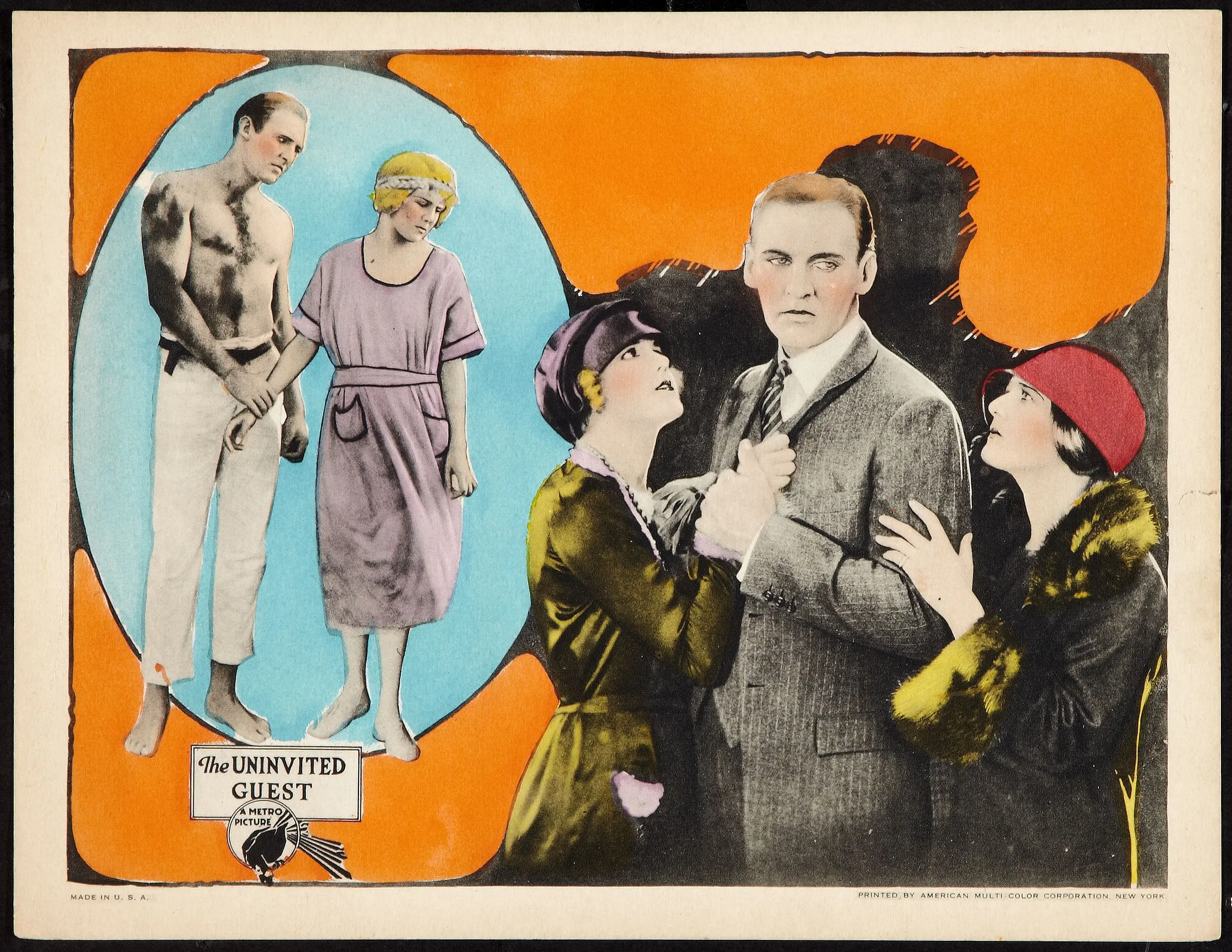
Ah, the silent era! A time when spectacle reigned supreme, when emotions were writ large across the screen, and narrative clarity often took a backseat to sheer, unadulterated melodrama. And what a ride The Uninvited Guest delivers on all those fronts. Directed by the enigmatic minds of the period and penned by the imaginative Curtis Benton, this film plunges us headfirst into a world where identity is fluid, survival is paramount, and the jungle itself seems to conspire against our protagonists. It’s a compelling, if at times quaint, reminder of the storytelling prowess that defined early cinema, offering a vibrant tapestry of human frailty and resilience.
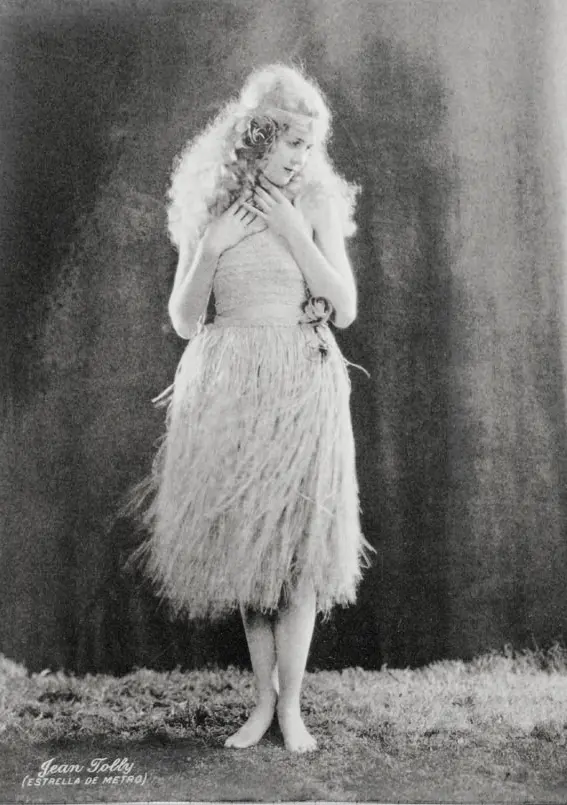
The narrative unfurls with a dramatic flourish: Olive Granger, portrayed with admirable vulnerability by Jean Tolley, is introduced as an heiress whose life of privilege is shattered by a cataclysmic shipwreck in the treacherous South Seas. This isn't just a simple maritime mishap; it's a crucible, a violent reordering of her existence. Washed ashore on a seemingly idyllic yet menacing island, she finds herself not alone, but in the company of two international rogues, Irene Carlton and Fred Morgan. Here, the film wastes no time establishing its central conflict: betrayal. These opportunistic villains, seeing a chance to escape their own nefarious pasts and perhaps forge a new, affluent future, seize Olive's credentials. It’s a theft not just of documents, but of an entire identity, a symbolic stripping away of her very self. The audacity of Irene Carlton, who then assumes Olive’s persona and sails off to America with Morgan, is breathtaking. This act of brazen imposture sets the stage for a compelling exploration of identity, class, and the lengths to which desperation can drive individuals.
While the false Olive enjoys the spoils of a stolen life, the real heiress is left to languish, a forgotten soul in a desolate cave. This segment of the film, though perhaps brief, is potent in its depiction of isolation and despair. It’s a stark contrast to the opulent life she once led. Her salvation arrives in the form of two divers, Paul Patterson, played by the stoic William Bailey, and Jan Boomer, brought to life by the formidable Louis Wolheim. Their discovery of Olive ignites a new kind of struggle, shifting from external threats to internal human drama. The island, initially a place of peril, transforms into an arena for a primal competition for Olive’s affections. It’s a classic love triangle dynamic, but amplified by the rugged, untamed backdrop of the jungle. The silent film medium excels in conveying these raw, visceral emotions through exaggerated gestures and intense facial expressions, and here, the cast truly delivers.
The rivalry between Paul and Jan is not merely romantic; it’s a clash of archetypes. Paul, presumably the virtuous hero, and Jan, the more treacherous, impulsive figure. This tension escalates, leading to one of the film’s most memorable and thrilling sequences: a pearl-diving expedition. It’s here that Boomer’s avarice and recklessness prove to be his undoing. The confrontation with a giant octopus is a masterclass in silent film suspense. Imagine the audience in the early 20th century, leaning forward in their seats, captivated by this underwater struggle. The visual impact of Boomer ensnared in the creature’s coils must have been truly shocking, a testament to the ingenuity of early special effects and the power of suggestion. This dramatic demise of the rival not only resolves the romantic conflict but also serves as a stark reminder of nature’s indifference and the consequences of human greed.
With Boomer vanquished, the path is cleared for Olive and Paul. Their arrival in New York marks a significant shift in the narrative’s setting and tone. From the wild, untamed jungle, they are thrust into the sophisticated, yet equally deceptive, urban landscape. The contrast is palpable and cleverly used to heighten the stakes. The task now is not merely survival, but the reclamation of Olive’s identity and the exposure of the impostors. This segment becomes a thrilling game of cat and mouse, a social drama layered with detective work. The tension here is less physical and more psychological, relying on the audience's investment in Olive's plight and their desire for justice.
The resolution, as expected in such melodramas, is deeply satisfying. Olive and Paul successfully expose Irene and Fred, dismantling their carefully constructed deception. The moment of revelation, when the truth comes crashing down on the impostors, is a triumph for our heroes and a cathartic release for the audience. And, of course, what better way to cap off such an arduous journey than with a wedding? The union of Olive and Paul symbolizes not just their personal happiness but also the restoration of order, the triumph of authenticity over artifice. It’s a classic Hollywood ending, even before Hollywood fully solidified its tropes, and it leaves the audience with a warm sense of closure.
The performances in The Uninvited Guest are typical of the era, relying heavily on expressive physicality and often exaggerated emotional displays to convey character motivation without dialogue. Jean Tolley, as Olive, carries much of the film’s emotional weight, transitioning convincingly from a pampered heiress to a resourceful survivor, and finally to a woman reclaiming her rightful place. Her journey is the emotional core, and Tolley imbues Olive with a compelling blend of vulnerability and nascent strength. William Bailey, as Paul, provides the steady, heroic presence required, a reliable anchor in the storm of Olive's life. His quiet determination contrasts nicely with the boisterous villainy of Louis Wolheim’s Jan Boomer, who clearly relishes playing the scoundrel. Wolheim's physical presence is commanding, making his character's demise all the more impactful. While the specific roles of Maurice 'Lefty' Flynn and Mary MacLaren are less prominent in the central plot points, their contributions undoubtedly added to the rich tapestry of supporting characters, grounding the more fantastical elements of the narrative.
One cannot discuss The Uninvited Guest without acknowledging its thematic resonance. The film delves into the fragility of identity, particularly for women in a society where status and social standing were paramount. Olive’s loss of credentials is a potent symbol of her disempowerment, and her subsequent fight to reclaim them speaks volumes about autonomy and self-determination. This theme of stolen identity and the struggle to prove one's true self is a recurring motif in cinema, seen in later, more sophisticated forms, but its raw power here is undeniable. The exotic locale, too, plays a crucial role. The South Seas island is not just a backdrop; it’s an active participant, a force of nature that tests and transforms the characters. This engagement with untamed environments is a trope that persists, echoing in adventure films across decades.
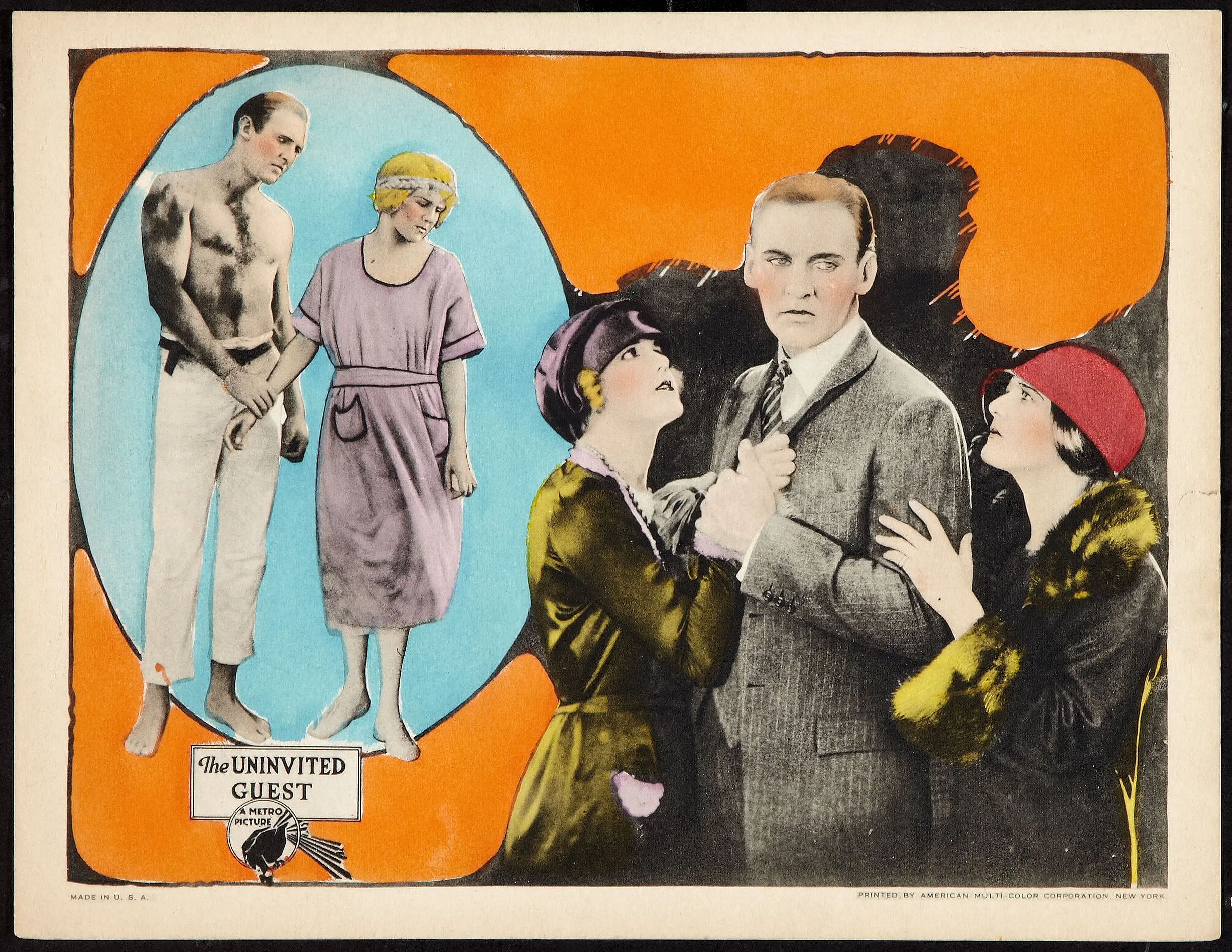
As a product of its time, The Uninvited Guest offers fascinating insights into the narrative conventions and technical limitations of the silent era. The reliance on intertitles to convey dialogue and exposition, the often broad acting styles, and the theatrical blocking are all hallmarks. Yet, within these constraints, the film manages to build genuine suspense and emotional connection. The pacing, while different from modern cinema, has its own rhythm, allowing moments of quiet reflection to punctuate bursts of action. The visual storytelling, particularly in the shipwreck and octopus sequences, demonstrates a creative ambition that often belies the rudimentary technology of the day. One might draw parallels, in terms of sheer adventurous spirit and the perils faced, with films like The Seven Pearls, which also leveraged exotic locales and high stakes to captivate its audience. Even the sense of urban intrigue, though less developed than in later noir, has a nascent quality that reminds one of early detective thrillers like Edgar, the Detective, where the city itself becomes a character in the pursuit of truth.
The film’s focus on class distinctions and social climbing, embodied by Irene Carlton’s impersonation, also provides a window into societal anxieties of the period. The fear of an 'uninvited guest' not just at a party, but into one's very life and social stratum, was a powerful cultural undercurrent. This thematic thread resonates with other films that explored social mobility and deception, albeit in varied contexts. Consider the dramatic tension around hidden identities and societal acceptance in something like Love's Pilgrimage to America, where new beginnings often come with concealed pasts. The moral clarity, where good triumphs over evil and impostors are exposed, speaks to a desire for justice and order that remains timeless, even if presented through the lens of early 20th-century sensibilities.
While The Uninvited Guest might not be as widely celebrated as some of its more iconic silent contemporaries, it holds its own as a robust example of popular entertainment from the era. It blends adventure, romance, and melodrama into a cohesive, engaging package. For modern viewers, it serves as an excellent entry point into understanding the narrative techniques and audience expectations of early cinema. One can appreciate the ambition of its scope, moving from a dramatic shipwreck to jungle survival, then to urban intrigue, all within the confines of a silent feature. It's a testament to the ingenuity of writer Curtis Benton and the entire production team that such a complex narrative could be conveyed so effectively without spoken dialogue.
The film’s enduring appeal lies in its universal themes: the fight for survival, the quest for identity, the triumph of love, and the exposure of deceit. These are narrative pillars that continue to underpin storytelling across all mediums. Even if the style feels dated, the core emotional journey of Olive Granger remains compelling. It’s a reminder that truly effective storytelling transcends technological advancements. While it might lack the psychological depth of later character studies, it more than compensates with its relentless pace and a series of thrilling, often outlandish, plot developments. In an era where films were still finding their voice, The Uninvited Guest speaks volumes about human nature and the timeless allure of a good adventure.
So, if you ever find yourself yearning for a cinematic journey back to a simpler, yet equally dramatic, time, consider extending an invitation to The Uninvited Guest. It's an experience that, while silent, speaks volumes about the enduring power of classic storytelling and the foundational elements that continue to shape the films we cherish today. It's a valuable piece of cinematic history, offering both entertainment and a fascinating glimpse into the nascent art form.

IMDb —
1934
Community
Log in to comment.