DbcultAccessing Vault...
5.9/10
Senior Film Conservator
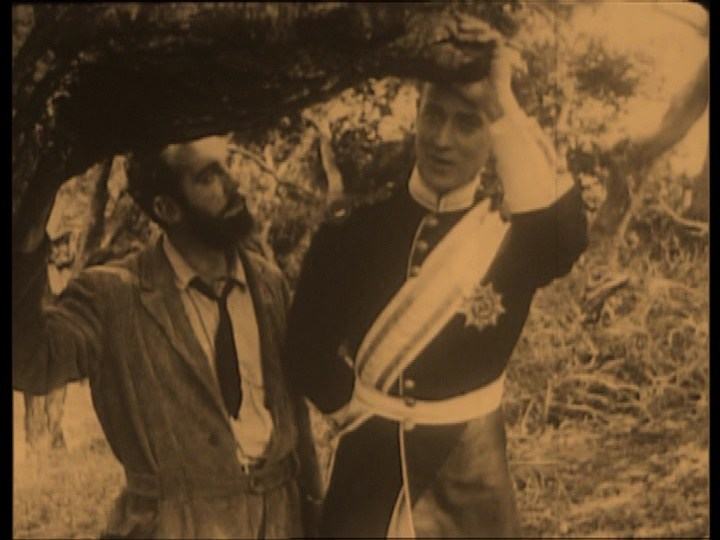
A definitive 5.9/10 rating for a film that redefined the boundaries of cult cinema. The Vagabond Prince remains a cornerstone of transgressive art.
In the annals of early cinema, where grand gestures and sweeping narratives held sway, The Vagabond Prince emerges as a compelling artifact, a silent film from 1916 that masterfully weaves a tale of royal rebellion, profound self-discovery, and the ultimate triumph of authentic love over inherited duty. Directed with an eye for dramatic flair, this motion picture, though nearly a century old, resonates with universal themes that continue to captivate audiences who delve into the rich tapestry of cinematic history. It's a journey from the gilded cages of European royalty to the untamed, vibrant streets of San Francisco, a testament to the human spirit's insatiable yearning for freedom and genuine connection.
At its core, the narrative introduces us to Prince Tonio of Bothalia, a mythical kingdom nestled within the romanticized Balkan Mountains. His existence is one circumscribed by expectation and obligation, a life preordained by lineage rather than personal inclination. The opening act of his story is a defiant rejection of this preordained path, specifically an arranged marriage to Princess Athalia, an alliance clearly rooted in political expediency rather than mutual affection, further complicated by the Princess's advanced years. This pivotal decision to abandon his princely duties is not merely an act of petulance but a profound declaration of independence, a refusal to be a pawn in the intricate game of royal diplomacy. It speaks to a universal desire to escape the suffocating embrace of expectation and forge one's own destiny, a theme that would resonate deeply with audiences then, just as it does now.
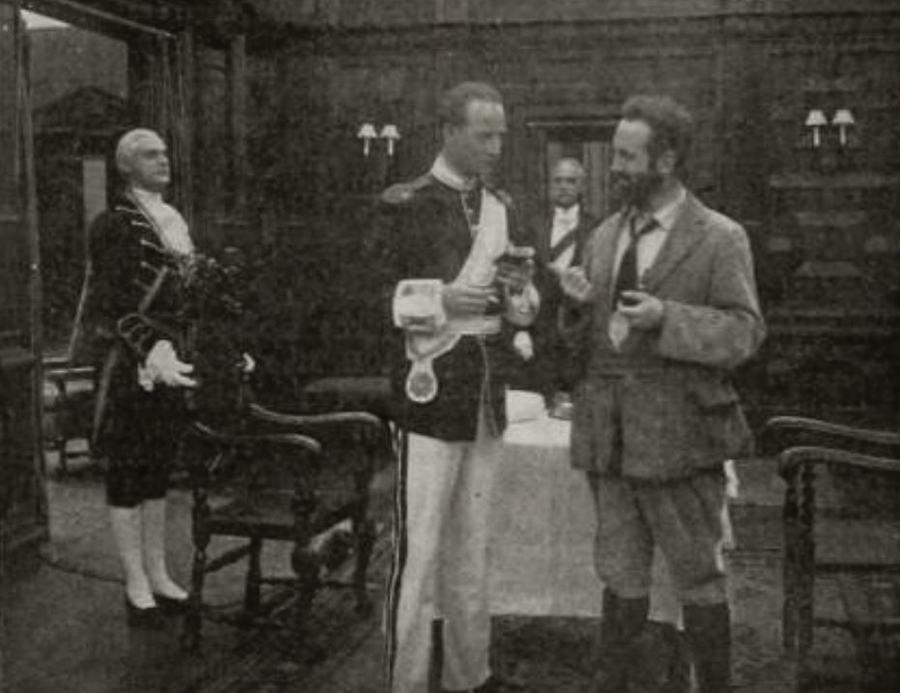
Driven by an unquenchable wanderlust, Tonio exchanges his royal vestments for the humble attire of a sailor, embarking on a transformative voyage across oceans. His destination, both literal and metaphorical, is San Francisco, a city then, as now, synonymous with innovation, freedom, and a vibrant counter-culture. Here, he sheds the oppressive weight of his former identity and immerses himself in a Bohemian artist colony, a milieu diametrically opposed to the rigid formalities of his past. This transition is crucial; it’s where Tonio begins to understand life not through the lens of power and privilege, but through the raw, unfiltered experiences of ordinary people. The film brilliantly contrasts the staid, almost archaic world of Bothalia with the dynamic, progressive spirit of San Francisco, a city that promises anonymity and the chance for reinvention. The visual storytelling, though silent, would have conveyed this stark difference through costuming, set design, and the very demeanor of the characters Tonio encounters. His friend, Burton Randall, an artist, becomes a symbol of this new life, offering not just camaraderie but a pathway into a meaningful, albeit unconventional, existence.
The irony of Tonio's new profession as a Maitre D'Armes, a fencing instructor, is not lost on the discerning viewer. Fencing, an aristocratic art form, a skill honed in the courts of Europe, now serves as his livelihood in a bohemian haven. It is a potent symbol of his past skills being repurposed for a present free from constraint, a bridge between his two disparate lives. It is in this capacity that he encounters Fluffy, a young singer from the infamous Barbary Coast. The Barbary Coast, a district synonymous with saloons, dance halls, and a certain gritty allure, serves as a vivid backdrop for their burgeoning romance. Fluffy, a figure of innocence caught in the often-harsh realities of this district, represents everything Tonio's royal life lacked: genuine emotion, vulnerability, and an unvarnished connection to life's raw beauty. Their love story is presented not as a fanciful dalliance but as a profound, transformative bond, one that anchors Tonio in his new reality.
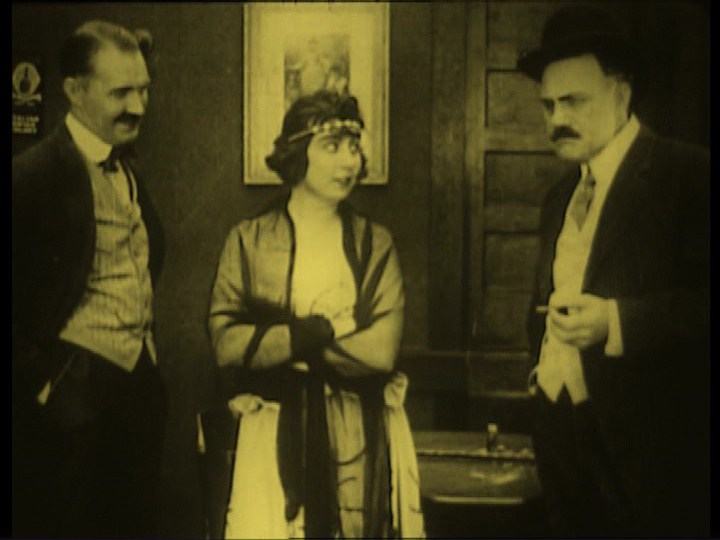
No compelling romantic narrative is complete without an antagonist, and in The Vagabond Prince, that role is filled by the formidable political boss, Murphy. Murphy is not merely a villain; he embodies the corrupting influence of power, albeit a different kind of power than Tonio's royal heritage. His attempts to seduce Fluffy are a direct threat to the fragile happiness Tonio has painstakingly built. Tonio's heroic intervention, his rescue of Fluffy from Murphy's clutches, is more than just a plot device; it is a definitive moment in his character arc. It demonstrates that his nobility is not merely a title but an inherent quality, one that manifests itself through selfless action and a commitment to protecting those he loves. This episode solidifies his transformation from a reluctant prince to a man of honor, capable of defending his chosen life with courage and conviction. The silent film medium, relying heavily on exaggerated gestures and facial expressions, would have amplified the drama of this confrontation, making Murphy's menace and Tonio's heroism palpable to the audience.
The idyllic existence Tonio has cultivated in San Francisco is abruptly shattered by the arrival of Count Metropolski, an ambassador from Bothalia. The Count’s presence is a stark reminder of the world Tonio abandoned, a harbinger of the past catching up with the present. The news he brings is grim and momentous: Tonio's uncle has been assassinated, thrusting Tonio, as the sole surviving heir, onto the precipice of the Bothalian throne. This moment is the narrative's central turning point, the ultimate test of Tonio's convictions. The dilemma he faces is profound: to reclaim his birthright, assume the responsibilities of a king, and return to a life of power and prestige, or to remain with Fluffy, embracing a life of love and freedom, albeit one devoid of regal splendor. This conflict between duty versus desire, between personal happiness and public obligation, is a timeless theme, expertly handled within the context of the film.
In a climactic and deeply moving decision, Tonio chooses love. He renounces the throne, irrevocably severing ties with his royal past. This act of abdication is not a weakness but a profound demonstration of strength and clarity of purpose. It signifies his complete embrace of his authentic self, a man who values genuine connection and personal fulfillment above all else. In an era where silent films often championed moral rectitude and noble sacrifice, Tonio's choice to prioritize personal happiness over inherited power would have resonated powerfully, perhaps even controversially, with audiences. It's a statement that true royalty lies not in a crown, but in the integrity of one's choices and the depth of one's affections. The emotional weight of this decision, conveyed through the nuanced performances of the actors, particularly H.B. Warner as Tonio, would have been central to the film's impact. Dorothy Dalton as Fluffy, too, would have had to convey the profound love and devotion that makes Tonio's sacrifice worthwhile.
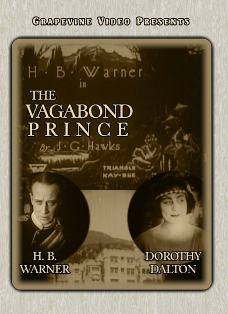
The success of The Vagabond Prince, like all silent films, hinges on the expressive power of its cast and the ingenuity of its direction. H.B. Warner, portraying Prince Tonio, delivers a performance rich in subtlety and emotional depth, conveying Tonio's initial restlessness, his newfound joy, and his ultimate resolve through a mastery of facial expressions and body language. His transformation from a stifled royal to a man of independent spirit is convincingly portrayed, allowing the audience to truly invest in his journey. Dorothy Dalton, as Fluffy, brings a delicate balance of vulnerability and spirited resilience to her character, making her a compelling love interest whose plight genuinely moves Tonio and the viewer alike. The chemistry between Warner and Dalton is palpable, essential for making Tonio's ultimate sacrifice believable and emotionally resonant. Supporting players like Monte Blue, James McLaughlin, and Charles K. French contribute to a rich ensemble, each adding texture to the vibrant San Francisco setting and the dramatic tension.
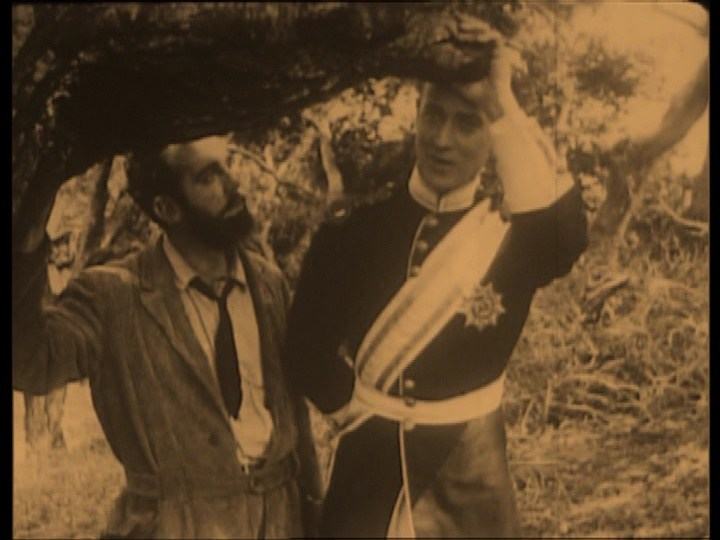
J.G. Hawks' screenplay, while adapting a familiar narrative trope, imbues it with a freshness that speaks to the era's fascination with self-determination and the allure of the American dream. The pacing, crucial for silent films, would have been carefully managed, alternating between moments of quiet introspection and bursts of dramatic action, ensuring that the audience remained engaged without the benefit of spoken dialogue. The use of intertitles, the textual inserts that convey dialogue and essential plot points, would have been crafted with precision, their language often poetic, mirroring the romantic sensibilities of the story.
What makes The Vagabond Prince endure, beyond its historical significance as an early cinematic work, is its timeless exploration of fundamental human desires. It speaks to the yearning for autonomy, the courage required to defy societal expectations, and the profound power of love to redefine one's life. The film's portrayal of San Francisco as a haven for the unconventional, a place where one can shed the burdens of the past and embrace a new identity, is particularly evocative. It’s a narrative that champions the individual over the institution, the heart over the crown, a message that remains perennially appealing. While direct comparisons to other films from the provided list might not be perfectly apt due to thematic nuances or genre differences – for instance, a war drama like For King and Country or a suspenseful drama such as The Bells explores different facets of human struggle – The Vagabond Prince carves its own distinct niche. It stands as a powerful example of how the silent era, far from being primitive, was capable of delivering sophisticated, emotionally rich storytelling that continues to captivate and inspire. Its legacy lies in its bold assertion that the most profound freedom is found not in power, but in the courage to choose one's own path and the love that lights the way.
In conclusion, The Vagabond Prince is more than just a historical curiosity; it is a vibrant, compelling drama that illustrates the enduring power of silent cinema to tell stories that resonate across generations. It’s a testament to the artistry of its creators and the timeless appeal of a narrative where a prince chooses not a kingdom, but a life lived authentically and loved passionately.
IMDb —
1924
Community
Log in to comment.