DbcultAccessing Vault...
6.5/10
Senior Film Conservator
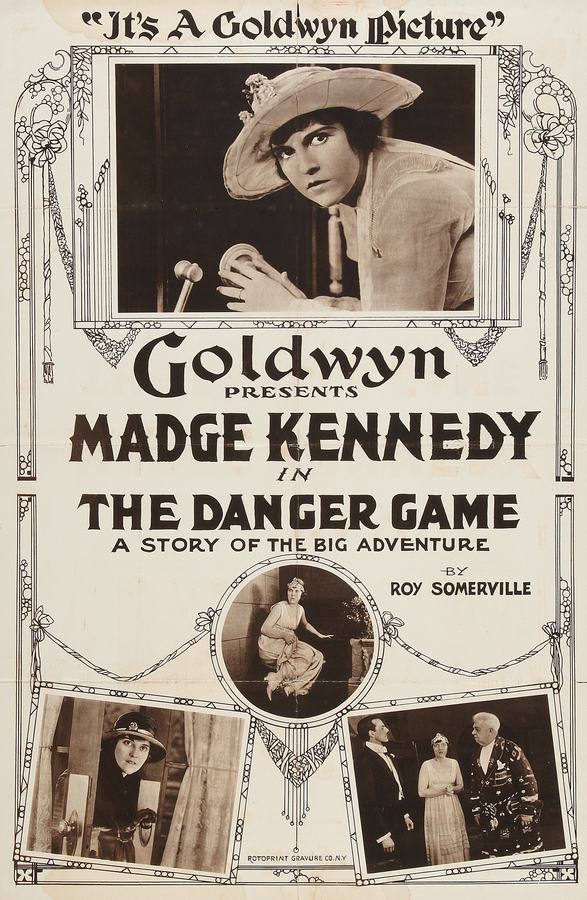
A definitive 6.5/10 rating for a film that redefined the boundaries of cult cinema. The Danger Game remains a cornerstone of transgressive art.
The silent era, often romanticized for its grand melodramas and slapstick comedies, also birthed narratives that delved into the more complex psychological landscapes of its characters. Roy Somerville’s The Danger Game, a fascinating cinematic artifact from 1918, stands as a testament to this deeper exploration. It is a film that, at its core, dissects the human yearning for experience, even if that experience teeters precariously on the edge of self-destruction. This isn't merely a story of a misguided escapade; it's a profound, if subtly rendered, meditation on the intoxicating allure of the forbidden and the terrifying consequences when fantasy collides with an unforgiving reality. The film presents us with a protagonist whose ennui-driven quest for excitement inadvertently propels her into a labyrinthine world of genuine peril, forcing her to confront not only external threats but also the fragility of her own identity.
Madge Kennedy, a vivacious screen presence of her time, embodies this central figure with a compelling blend of youthful naiveté and burgeoning resilience. Her character, a debutante suffocated by the predictable rhythms of high society, craves a jolt, a disruption to the placid surface of her existence. This isn't a mere flirtation with scandal; it’s an almost existential hunger for something real, something that transcends the superficial pleasantries and regulated emotions of her class. The film shrewdly sets the stage for her audacious, almost absurd, decision to commit a random burglary. It’s an act born not of malice or desperation, but of a peculiar, almost innocent, desire to feel alive, to experience the sharp edges of life that her sheltered upbringing has meticulously smoothed away. The irony, of course, is that her amateurish foray into criminality is precisely what strips away her carefully constructed identity, casting her adrift in a sea of mistaken assumptions and genuine danger.
The initial premise of The Danger Game is delightfully subversive. How many narratives, even today, dare to portray a privileged young woman, not as a victim or a romantic ideal, but as an agent of her own, albeit misguided, destiny? Her decision to burgle a home is a testament to the profound boredom that can afflict even the most fortunate. It’s a rebellion against the gilded cage, a desperate attempt to author her own adventure, even if that adventure is fraught with illegality and potential ruin. This impulsive act, however, is merely the catalyst for a much grander, more terrifying narrative. The film truly begins to grip when our protagonist, caught red-handed, is thrust into a jail cell, only to be astonishingly identified as a notorious con woman. The sheer audacity of this mistaken identity, the chasm between who she is and who she is perceived to be, forms the dramatic bedrock of the entire piece.
Here, the screenplay by Roy Somerville truly shines, crafting a scenario that is both preposterous and utterly compelling. The shift from a petty, self-inflicted predicament to an unwitting immersion into a dangerous criminal underworld is executed with a brisk efficiency that keeps the audience enthralled. The fear and confusion that flicker across Madge Kennedy’s face are palpable, conveying the sheer terror of being stripped of one's name, one's history, and being forced to inhabit a persona entirely alien. This isn't just about avoiding prison; it’s about navigating a world where the rules are deadly, and the stakes are existential. She finds herself in a gang, surrounded by individuals for whom crime is not a game, but a brutal way of life. The internal struggle she faces—the constant need to maintain a façade while simultaneously trying to comprehend the intricacies of this new, terrifying existence—is a masterclass in silent film acting and narrative tension.
Madge Kennedy’s performance is the undisputed anchor of The Danger Game. She masterfully navigates the tightrope walk between the character’s inherent innocence and the hardened exterior she must project. Her wide, expressive eyes convey a spectrum of emotions, from wide-eyed terror to a growing, almost desperate cunning. She is convincing as both the sheltered socialite and the reluctant, trembling imposter. Her transformation is gradual, believable, and utterly captivating. We witness her character learning on the fly, adapting to the cutthroat environment, and developing a survival instinct she never knew she possessed. It’s a performance that demands empathy, even as her choices are questionable, making her journey all the more engaging.
The supporting cast, while perhaps less central, provides robust counterpoints to Kennedy’s delicate balance. Tom Moore, as the male lead, brings a grounded presence, often representing the voice of reason or the potential for rescue. Ned Burton and Kate Blancke, likely members of the criminal fraternity, offer believable portrayals of hardened individuals, their expressions and body language conveying a world-weariness and cynicism that starkly contrasts with Kennedy’s character. Paul Doucet and Mabel Ballin further flesh out this ensemble, contributing to the rich tapestry of personalities that populate this dangerous narrative. The interplay between these characters, particularly the tension generated by the gang’s suspicion and the protagonist’s desperate attempts to blend in, is expertly handled, creating a constant hum of suspense that permeates the entire film. One might draw a parallel to the social maneuvering required in a film like A Pair of Silk Stockings, though the stakes here are immeasurably higher, trading drawing-room comedy for desperate survival.
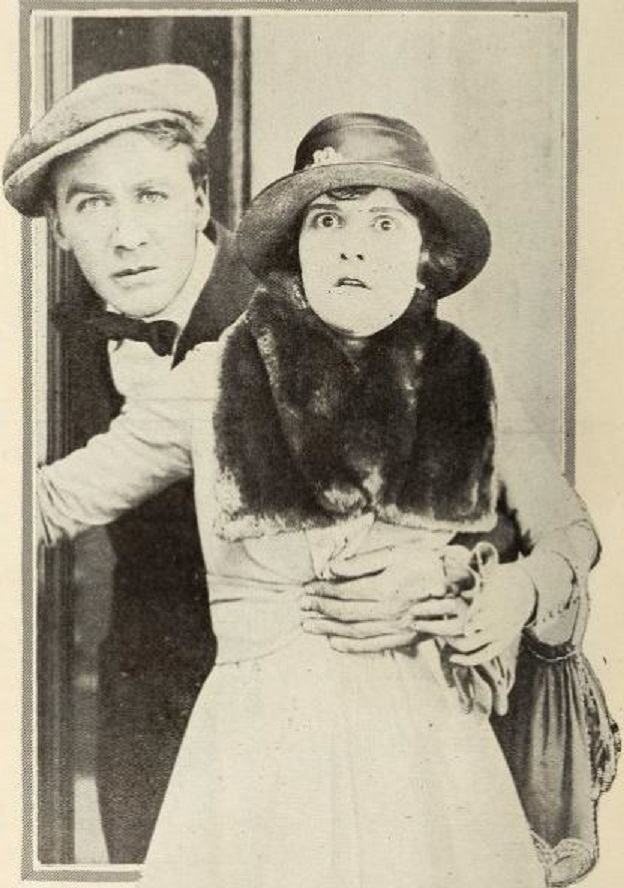
Roy Somerville’s writing for The Danger Game is remarkably prescient in its exploration of themes that resonate even today. Beyond the thrilling plot, there’s a subtle commentary on societal expectations and the confines placed upon women, particularly those of a certain social standing. The debutante’s longing for adventure can be seen as a yearning for agency, a desire to break free from the prescribed roles. Somerville doesn’t preach, but rather weaves these observations into the fabric of the narrative, allowing the audience to draw their own conclusions about the societal pressures that might drive someone to such desperate measures. The screenplay maintains a brisk pace, ensuring that the tension rarely slackens, yet it also allows moments for character development and emotional reflection, preventing the film from devolving into a mere series of thrilling escapades.
The meticulous construction of the plot, with its unexpected twists and turns, demonstrates Somerville's skill as a storyteller. He understands the mechanics of suspense, building it layer by layer, from the initial, almost comical, burglary to the increasingly dire situations our heroine faces within the gang. The script expertly balances moments of genuine fright with instances where the protagonist’s quick thinking allows her to narrowly escape detection, fostering a dynamic rhythm that keeps viewers on the edge of their seats. This isn't just a simple crime story; it’s a psychological drama cloaked in the guise of an adventure, much like the intricate moral dilemmas found in films such as Honor Thy Name, albeit with a more direct criminal backdrop. Somerville ensures that the audience is constantly questioning not only what will happen next, but also the true nature of identity and the ease with which it can be manipulated or lost.
As a product of the late 1910s, The Danger Game occupies a fascinating niche in cinematic history. It predates the full blossoming of the gangster genre but hints at its potential, showcasing the allure and peril of the criminal underworld. The film’s technical execution, typical of the era, relies heavily on strong performances, clear narrative progression through intertitles, and expressive cinematography that makes the most of available lighting and set design. While perhaps not as visually experimental as some of its contemporaries, its strength lies in its tight storytelling and the compelling central performance. It reminds us that even in the nascent years of cinema, filmmakers were adept at crafting narratives that explored complex human motivations and societal anxieties.
Comparing it to other films of the period, one might find thematic echoes in the impulsive decisions of characters in The Matrimaniac, though that film leans heavily into comedic absurdity, whereas The Danger Game maintains a darker, more suspenseful tone. The exploration of a character thrust into an unfamiliar, challenging environment might also bring to mind Her Fighting Chance, where individuals must adapt to circumstances far removed from their accustomed lives. However, The Danger Game distinguishes itself through its specific focus on mistaken identity as the primary driver of its escalating tension. It’s a classic narrative device, certainly, but here it’s imbued with a fresh sense of urgency and psychological depth, making the protagonist’s plight genuinely harrowing.
The film’s enduring relevance lies in its timeless themes: the search for meaning, the consequences of impulsive actions, and the profound impact of identity on one’s existence. In an age where digital personas and real-world identities often blur, the story of a young woman forced to assume a false identity to survive resonates deeply. It challenges us to consider what truly defines us—our upbringing, our choices, or how others perceive us. The Danger Game is more than just a historical curiosity; it’s a gripping proto-thriller that asks unsettling questions about self-discovery through adversity. Its narrative power, driven by Madge Kennedy’s nuanced portrayal and Roy Somerville’s sharp writing, secures its place as a significant, if sometimes overlooked, gem of early cinema. It’s a stark reminder that the thrill of the chase, the allure of the unknown, can lead to both exhilarating freedom and terrifying entrapment. The film captivates not just with its plot mechanics, but with its astute observation of human nature under duress, solidifying its place as a compelling and thought-provoking piece of cinematic history.
The direction, while uncredited in some records, effectively harnesses the dramatic potential of Somerville's script. The camera work, though constrained by the technology of the time, is purposeful, often framing Kennedy in ways that emphasize her isolation or her newfound resolve. The use of close-ups to capture her emotional turmoil is particularly effective, drawing the audience into her internal struggle without the need for extensive intertitles. This visual storytelling, combined with the actors' expressive pantomime, creates a seamless narrative flow that transcends the limitations of silent film. The film’s pacing is a notable achievement, propelling the story forward with a sense of urgency that prevents any moment from feeling stagnant. It's a testament to the collaborative artistry of early filmmaking, where every element—from the script to the performances to the visual composition—had to work in concert to communicate a complex story effectively. The film doesn't just entertain; it provokes thought about the masks we wear and the identities we forge, willingly or unwillingly, in the grand, unpredictable theatre of life.
IMDb 6.8
1935
Community
Log in to comment.