DbcultAccessing Vault...
Cult Review
Senior Film Conservator
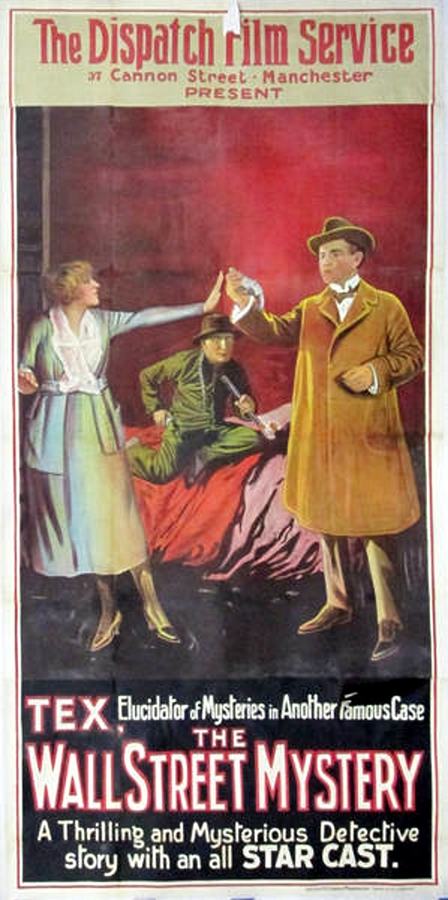
The 1920s heralded a transformative epoch in cinematic storytelling, a period where the visual language of the screen began to articulate the complexities of modern urban existence with burgeoning sophistication. The Wall Street Mystery, directed by Pierce Kingsley, stands as a fascinating relic of this transition, bridging the gap between the simplistic melodramas of the previous decade and the more nuanced, psychologically driven crime procedurals that would eventually evolve into the noir tradition. Set against the backdrop of Manhattan’s financial heart—a place already synonymous with both immense wealth and profound ethical vacuum—the film utilizes its setting not just as a location, but as a thematic character in its own right.
The narrative begins with a stark, cold imagery: the discovery of Norman Temple. In the silent era, the visual impact of a corpse in a place of power was a potent symbol of the vulnerability of the capitalist structure. Alexander F. Frank portrays Temple with a brief but necessary gravitas, establishing the stakes of the mystery. The immediate accusation of James Borden, played by the stalwart David Wall, serves as a poignant commentary on the precarious nature of the working man’s relationship with the financial elite. Borden’s plight resonates with the themes of systemic injustice found in films like The Man Above the Law, where the machinery of the state often grinds against those without the shields of capital.
Pierce Kingsley’s direction exhibits an impressive grasp of spatial tension. The office of Norman Temple is depicted as a fortress of mahogany and secrets, where every shadow seems to harbor a motive. The use of lighting, while primitive by contemporary standards, creates a sense of claustrophobia that mirrors Borden’s entrapment. This architectural approach to suspense is a hallmark of early mystery cinema, reminiscent of the atmospheric density seen in Borgkælderens mysterium, where the setting itself acts as a silent witness to the transgression.
The introduction of the secretary’s testimony introduces a layer of unreliable narration that was quite sophisticated for 1920. Her account of Borden’s threats provides the requisite "smoking gun" for a police force eager to close the case. However, the film cleverly pivots to the Japanese valet, a character who embodies the era’s penchant for using international figures as red herrings. While this trope is undoubtedly a product of its time, the eventual exoneration of the valet by Tex suggests a narrative interest in looking beyond surface-level prejudices—a theme that echoes the complex social tapestries of The Spy.
Tex, the detective protagonist, represents an early iteration of the investigative hero. Unlike the flamboyant sleuths of later decades, Tex is characterized by a methodical, almost clinical approach to the crime scene. His refusal to accept the easy narrative—the guilt of the disgruntled contractor or the suspicious foreigner—marks him as a precursor to the objective investigators of the modern era. The film’s focus on his "own leads" provides a skeletal framework for the procedural genre, emphasizing intellect over brawn, a sharp contrast to the more action-oriented protagonists of Perils of the Secret Service.
The performance of the actor playing Tex (often attributed in varied records but central to the film’s efficacy) is one of restrained intensity. In an era where pantomime was often exaggerated, the detective’s subtle observations of the physical evidence—the safe, the position of the body, the missing bonds—bring a sense of verisimilitude to the proceedings. This grounded performance anchors the film, preventing it from drifting into the hyperbolic territory of contemporary adventures like The Savage Woman.
What makes The Wall Street Mystery particularly compelling is its focus on the internal rot of the financial institution. The revelation that Minkin, a clerk, is the true murderer serves as a stinging critique of the corrosive influence of proximity to wealth. Minkin is not a mustache-twirling villain from a far-off land, but a product of the very system Temple helped build. His desperation to rob the safe reflects a broader societal anxiety about the lure of easy money and the fragility of the moral compass when faced with the cold reality of the ledger.
This theme of the "enemy within" is a recurring motif in silent films dealing with the urban landscape, such as The City of Purple Dreams. It suggests that the true danger to the social order is not the external threat, but the internal collapse of integrity. The search of Minkin’s room and the discovery of the stolen bonds provide a cathartic resolution, but the underlying message remains: the ticker tape doesn't just record prices; it records the rise and fall of souls.
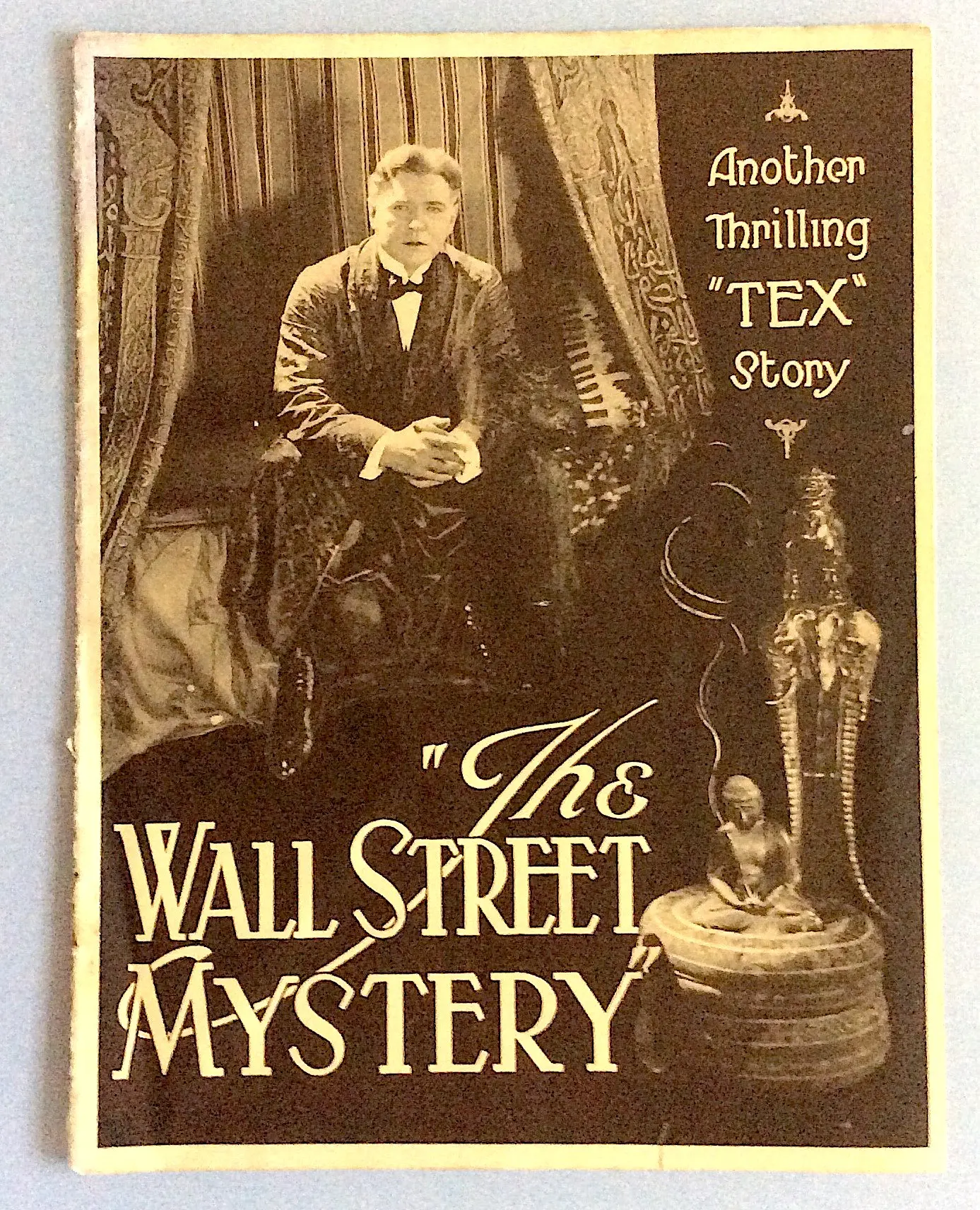
When comparing this work to other films of the era, such as The Venus Model, one notices a distinct shift in tone. While the latter leans into the glamour and romance of the business world, The Wall Street Mystery is interested in its shadows. It shares more DNA with the gritty realism of Crooky, exploring the underbelly of society with a keen eye for the transactional nature of human relationships. Even when compared to the more whimsical The Fighting Grin, Kingsley’s film feels remarkably sober and focused.
The film also avoids the fantastical elements found in She or the historical grandeur of The Heart of Lady Alaine. Instead, it finds its drama in the mundane—the unpaid note, the office safe, the clerk’s quarters. This commitment to a realistic setting was a crucial step in the development of the American crime film. It proved that audiences could be captivated by stories that mirrored the headlines of their own newspapers, rather than just escapist fantasies.
The editing of The Wall Street Mystery is surprisingly brisk. The cross-cutting between Tex’s investigation and the mounting pressure on Borden creates a dual narrative that keeps the viewer engaged. The intertitles are utilized with a poetic efficiency, providing necessary plot points without overwhelming the visual storytelling. This balance is often missing in other contemporary works like Mustered Out, which can sometimes feel bogged down by excessive text.
Furthermore, the film’s exploration of fate and consequence aligns it with When Fate Decides. The tragic irony that Borden’s very real grievance made him the perfect suspect is a classic noir trope. It highlights the vulnerability of the individual when the "truth" is constructed by those with the power to speak it. In this sense, the film is a precursor to the social thrillers of the 1930s and 40s, where the protagonist is often a man caught in a web of circumstances beyond his control.
The ensemble cast, including Augusta Perry and Joseph Striker, provides a solid foundation for the drama. Jane McAlpine’s performance as the secretary is particularly noteworthy for its ambiguity; she represents the catalyst for the injustice, whether through genuine mistake or calculated malice. This moral ambiguity is a refreshing departure from the clear-cut heroines of films like Susie Snowflake. In the world of Wall Street, everyone has an angle, and the film captures this sense of pervasive suspicion with remarkable clarity.
Even the minor characters, such as those played by Glen White and Marie Treador, contribute to the sense of a lived-in world. The brokerage house feels populated by people with their own lives and secrets, much like the bustling environments of The Merry-Go-Round. This attention to detail elevates the film from a simple whodunit to a comprehensive portrait of a specific time and place.
Ultimately, The Wall Street Mystery is a testament to the enduring power of the detective story. It demonstrates that even without the benefit of sound, a well-constructed plot and a keen eye for social commentary can create a compelling cinematic experience. The film remains a vital piece of history for anyone interested in the evolution of the mystery genre. It reminds us that while the technology of filmmaking may change, the human fascinations with greed, justice, and the truth remain constant.
As we look back at the 1920s, it is films like this that provide the most insight into the anxieties of the era. The fear of the safe being breached, the suspicion of the outsider, and the ultimate reliance on the lone detective to restore order—these are themes that would define American cinema for decades to come. Pierce Kingsley and his cast delivered a work that, while perhaps forgotten by the mainstream, continues to offer a rich and rewarding viewing experience for those willing to look beneath the surface of the silent screen.
In the grand gallery of silent cinema, this film serves as a somber, meticulously crafted portrait of an era’s dark heart, proving that the most dangerous mysteries are often those that hide in the ledger books of the powerful.
IMDb 6.1
1933
Community
Log in to comment.