DbcultAccessing Vault...
Cult Review
Senior Film Conservator
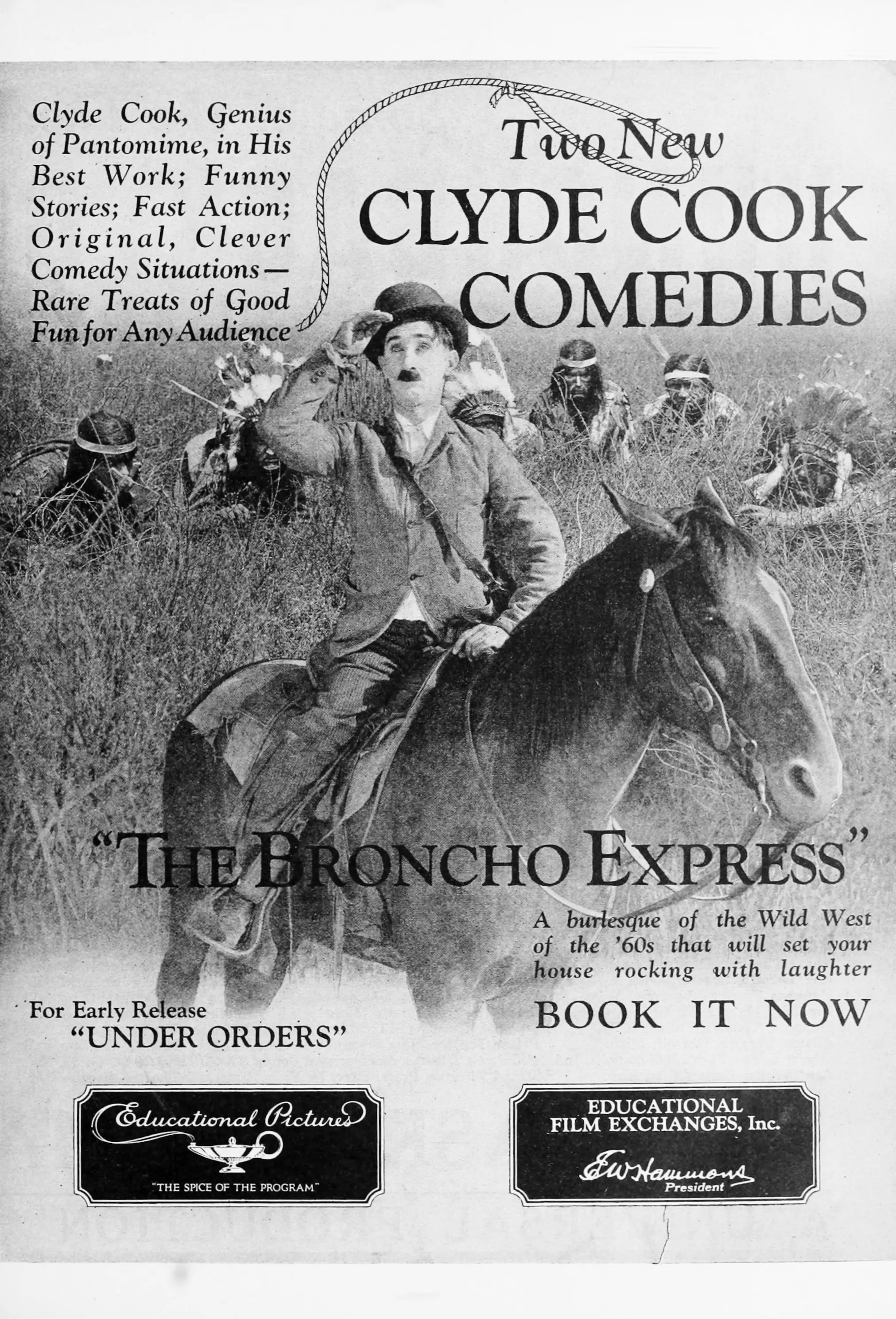
The silent era of cinema was frequently preoccupied with the transformation of the 'unfit' male into a paragon of rugged utility, a theme that The Broncho Express dissects with a peculiar, jerky brilliance. Directed and written with an eye for the absurd, this film serves as a showcase for Clyde Cook, an actor whose rubber-limbed physicality often stood in stark contrast to the stoic machismo of contemporaries like William S. Hart. Here, the Western landscape isn't just a setting; it is a sentient antagonist designed to chew up and spit out the city-bred 'milquetoast.'
At the heart of this narrative is Clyde, a character whose 'lack of brains' is less a clinical diagnosis and more a narrative shorthand for an innocence that borders on the divine. Unlike the calculated protagonists of Youthful Cheaters, Clyde exists in a state of perpetual reaction. His stepfather’s decision to ship him West is a desperate gambit to 'make a man of him,' a recurring motif in 1920s cinema where the frontier was viewed as a spiritual laundromat for the soul. However, The Broncho Express subverts this by suggesting that Clyde doesn't need to change; the world simply needs to get out of his way.
The arrival of the dying Pony Express rider is a masterclass in silent film pacing. The transition from the domestic squabbles of the opening act to the high-stakes urgency of the mail delivery is jarring yet effective. It forces Clyde into a role he is fundamentally unqualified for, creating a tension that oscillates between genuine peril and slapstick relief. Much like the tonal shifts found in Trompe-la-Mort, the film balances the grim reality of a fatal wound with the comedic incompetence of its new courier.
The thirty-mile journey that forms the crux of the film is a grueling showcase of early 20th-century stunt work. The 'wild experiences' mentioned in the plot summary—Indians, bears, and geographic obstacles—are handled with a tactile grit that modern CGI-heavy Westerns often lack. The bears, in particular, provide a moment of visceral comedy that highlights Cook's ability to communicate terror through every fiber of his being. His performance here is arguably more nuanced than his work in Taxi Please, as the stakes are tied to a mythic national duty rather than urban chaos.
"The Pony Express was the internet of its day, and putting the fate of the mail in the hands of a man considered 'brainless' is a stroke of comedic genius that highlights the fragility of human communication."
Visually, the film utilizes the vastness of the Western plains to emphasize Clyde’s isolation. The cinematography captures the dust and the heat in a way that makes the viewer feel the thirty-mile trek. There is a sense of scale here that rivals the dramatic weight of The Little Church Around the Corner, though filtered through the lens of a comedy. The Indians are depicted through the problematic lens of the era's stereotypes, yet within the internal logic of the film, they serve as another elemental force of nature that Clyde must outwit through sheer, unscripted luck.
Edgar Kennedy, the master of the 'slow burn,' provides a perfect foil to Cook’s frantic energy. Kennedy’s presence adds a layer of grounded frustration that prevents the film from floating away into pure whimsy. His interactions with Christine Francis provide the emotional anchor, reminding the audience of the domestic stakes waiting for Clyde at the end of his journey. While not as overtly romantic as The Princess of Patches, there is a subtle warmth in the supporting cast that enriches the overall experience.
Francis, though given less to do than the male leads, occupies her space with a quiet dignity. In an era where female roles were often relegated to the 'damsel' or the 'shrew,' her presence here feels like a bridge between the old-world values of His House in Order and the more adventurous spirits seen in later silents. She represents the home that Clyde is trying to prove he is worthy of, even if his methods are unorthodox.
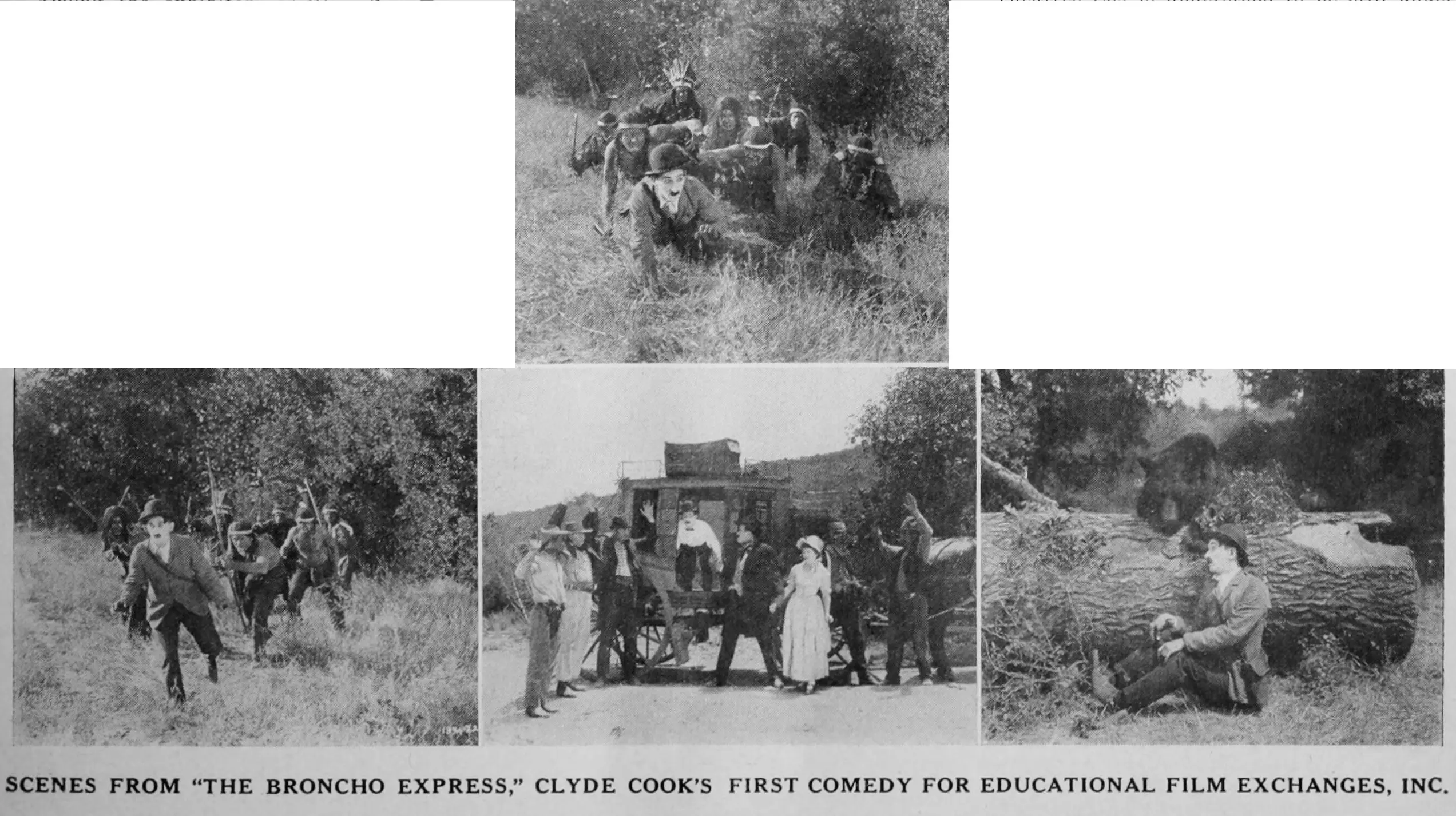
What makes The Broncho Express particularly fascinating is its rejection of traditional intelligence as a prerequisite for success. In the early 20th century, social Darwinism was a prevalent theme, yet this film suggests that a certain kind of 'stupidity'—or perhaps, a lack of over-thinking—is a survival mechanism. Clyde survives the bears and the Indians because he does not possess the foresight to be paralyzed by fear. He is a creature of the moment, much like the characters in Playmates, operating on instinct and a stubborn refusal to stop moving.
This theme echoes through other works of the period, such as Le nabab, where social standing and perceived intellect are often at odds with true character. Clyde’s stepfather wants him to gain 'spirit,' but Clyde already possesses a spirit of a different sort: one that is unbreakable because it is too simple to understand the concept of defeat. It is a profoundly optimistic view of the human condition, wrapped in the trappings of a low-budget Western romp.
The 'wild experiences' are not merely episodic; they build toward a crescendo of exhaustion and triumph. The mail pouch itself becomes a character—a heavy, leather-bound symbol of responsibility that Clyde clings to with the tenacity of a bulldog. The physical comedy involved in mounting and dismounting horses, navigating rocky outcrops, and evading capture is choreographed with a precision that belies its chaotic appearance. It lacks the polish of Miss Peasant, but it gains an authenticity in its rough edges.
The film’s climax, as Clyde nears the end of his thirty-mile journey, is a testament to the power of silent editing. The cross-cutting between the waiting townspeople and Clyde’s stumbling progress creates a genuine sense of 'will-he-make-it' tension. When he finally delivers the pouch, the resolution isn't just about the mail; it's about the validation of the 'brainless' boy. He hasn't become a 'man of men' in the way his stepfather intended; he has become something better: a man who can endure.
When viewed alongside A Prisoner in the Harem, the stakes in The Broncho Express feel more personal and grounded. While both films deal with rescue and endurance, the Western setting provides a starker, more unforgiving backdrop for the protagonist’s growth. Similarly, compared to the theatricality of the National Red Cross Pageant, Cook’s film is a gritty, boots-on-the-ground exploration of individual grit.
The film also shares a thematic DNA with The Door Between, specifically in how characters are forced to cross thresholds—both physical and psychological—to discover their true nature. For Clyde, the 'door' is the thirty miles of wilderness, and on the other side, he is no longer the irate stepfather’s punching bag. He is a legend of the Pony Express, however briefly.
In the vast canon of silent Westerns, The Broncho Express often gets overlooked in favor of more 'serious' works. This is a mistake. The film is a vital document of a time when cinema was still figuring out how to blend comedy with the high-stakes adventure of the frontier. It captures a specific American anxiety about the 'softness' of the modern man and answers it with a resounding, hilarious 'no.' Clyde Cook’s performance is a masterclass in the comedy of endurance, proving that you don’t need brains to be a hero—you just need a horse, a mail pouch, and the inability to know when you’re beaten.
Whether you are a fan of the slapstick of Wanted: A Baby or the pastoral beauty of Miyama no otome, there is something in The Broncho Express that resonates. It is a film about the triumph of the underdog, the absurdity of the West, and the enduring power of the mail. It is, in every sense of the word, a wild ride.
IMDb 5.8
1933
Community
Log in to comment.