DbcultAccessing Vault...
5.6/10
Senior Film Conservator
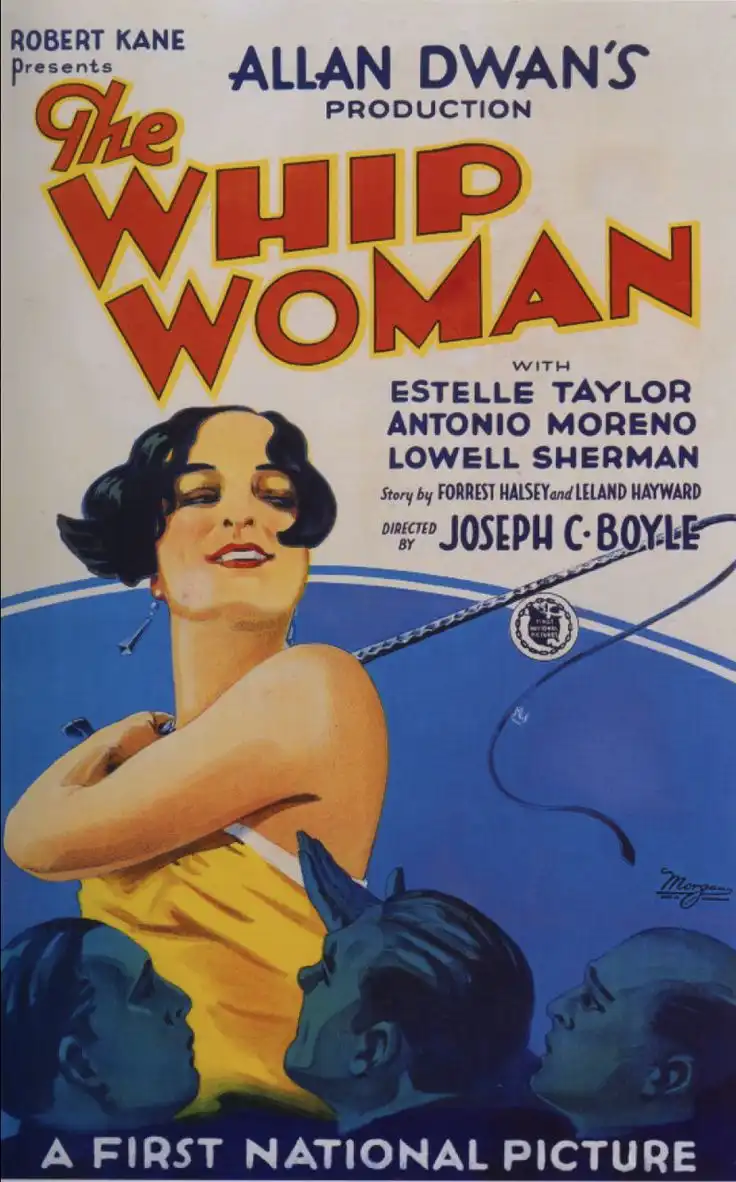
A definitive 5.6/10 rating for a film that redefined the boundaries of cult cinema. The Whip Woman remains a cornerstone of transgressive art.
If you're looking for a lost masterpiece of the silent era, The Whip Woman isn't quite it, but it’s definitely worth a look if you’ve developed a specific taste for the high-strung melodrama of the late 1920s. It’s for the person who doesn’t mind a plot held together by thin coincidences and actors who stare intensely at nothing for long periods. If you can't stand the sight of a studio-bound 'outdoors' set, you’ll probably hate this within ten minutes.
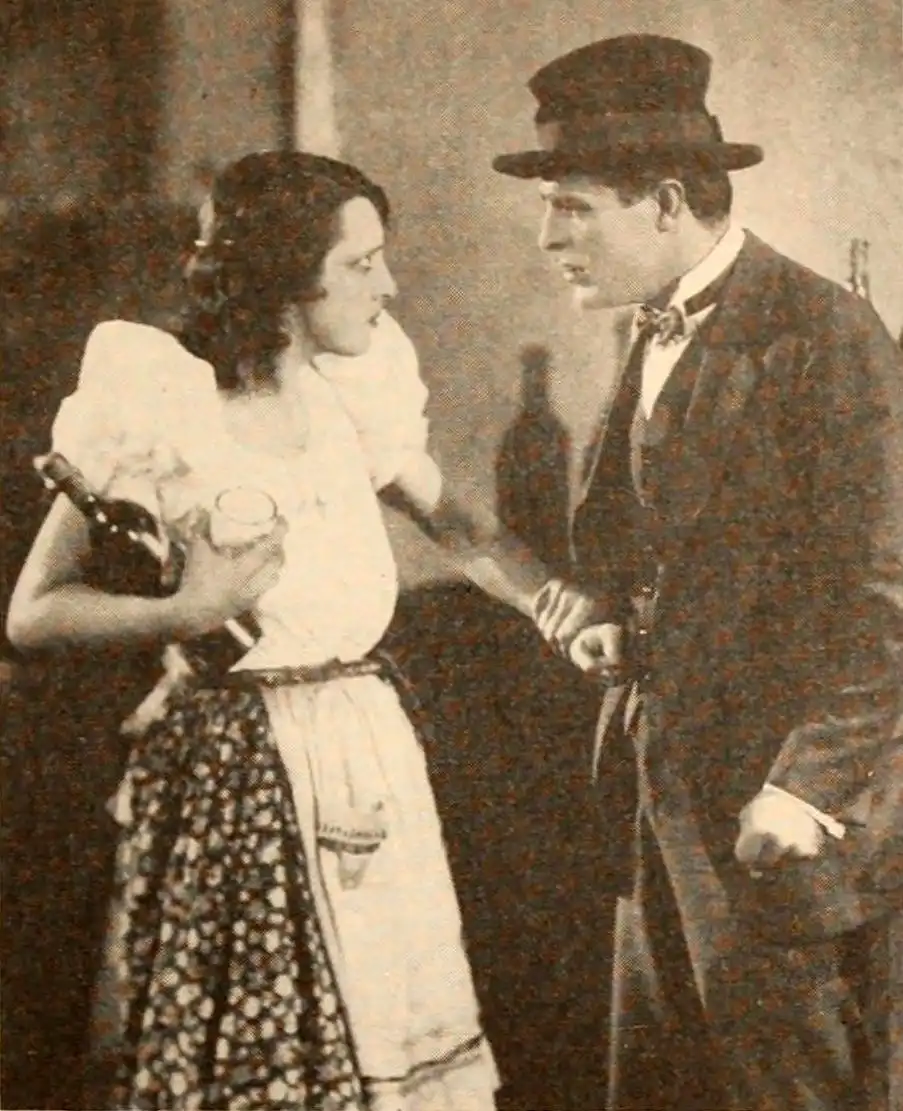
The first thing that hits you is Estelle Taylor. She’s playing Sari, this supposedly fierce peasant girl who keeps everyone in line with a whip. The problem is the whip itself. It looks incredibly light—almost like a piece of decorative ribbon. There’s a scene early on where she’s supposed to be intimidating a group of villagers, and you can practically see the extras counting the seconds in their heads before they’re supposed to look frightened. It’s one of those moments where the movie asks for a lot of buy-in and doesn't quite earn it.
Antonio Moreno plays the Count, and he spends a lot of the movie looking like he’s trying to remember a very difficult math equation. He has this stiff, upright posture that I think is supposed to signal nobility, but it mostly makes him look like he’s wearing a back brace under his costume. When he and Taylor are in a frame together, the chemistry is... weird. It’s less 'star-crossed lovers' and more 'two people who met at a bus stop and are trying to be polite.'
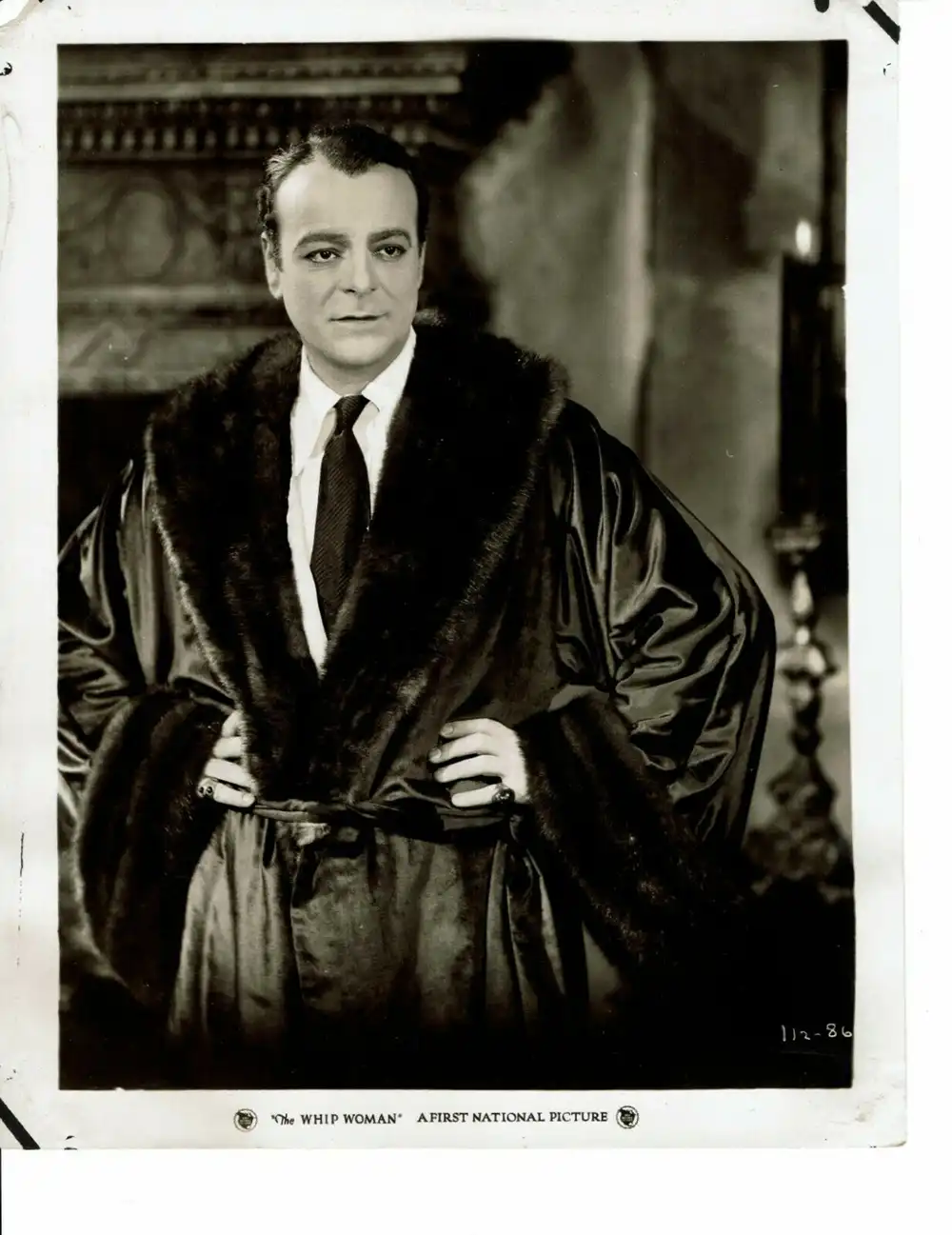
Lowell Sherman is the real reason to keep watching. He plays the sort of sophisticated, slightly oily character he perfected throughout his career. There is a moment where he’s just sitting there, adjusting his cuffs and looking at Sari with this mix of boredom and predatory interest. He doesn't have to do much, but he’s the only one who feels like a real person in a room full of archetypes. It reminds me a bit of the character dynamics in The Talk of the Town, though obviously that's a much later, talkie vibe. Here, everything is conveyed through heavy eyeliner and very slow turns of the head.
The pacing is a bit of a mess. There’s a long sequence in the middle involving a party that feels like it was edited by someone who was afraid to cut anything. We see people walking into the room, people standing in the room, people leaving the room. It drags. You start noticing things you shouldn't, like how the 'stone' walls in the background seem to wobble slightly when a door closes too hard.
Loretta Young shows up, and if you aren't paying attention, you’ll miss her. She’s incredibly young here—basically a kid—and it’s jarring to see her before she became the polished star everyone remembers. She has this wide-eyed look that almost feels out of place with the heavy, dark aesthetic of the rest of the film. It’s similar to the way some actors felt misplaced in Beverly of Graustark, where the setting feels like a costume shop exploded.
There is a shot toward the end—I won't give away the context—where the camera lingers on a discarded glove on a muddy path. It’s actually a beautiful shot. For about five seconds, the movie stops trying to be a grand romance and just captures this quiet, sad image. It’s the most 'modern' the film feels. Then, of course, it cuts back to a title card with some very flowery, over-the-top dialogue about destiny and honor, and the spell is broken.
I also couldn't help but notice the hats. The hats in this movie are a choice. Hedda Hopper is in this, and her headgear is consistently more interesting than the dialogue. There’s one hat that looks like a structural engineering project gone wrong. It’s distracting, but in a fun way that keeps you engaged during the slower bits where the Count is moping about his inheritance.
It’s a strange film. It’s not as gritty as something like Outcast, and it’s not as fun as a straight adventure. It sits in this middle ground of being a 'prestige' silent that feels a little dated even for 1928. But if you like watching the transition of silent film into its most decadent, visual-heavy phase, there’s enough here to satisfy. Just don’t expect the whip to look dangerous.
IMDb —
1920
Community
Log in to comment.