DbcultAccessing Vault...
Cult Review
Senior Film Conservator
Is La Justicière a film that demands your attention in today's crowded cinematic landscape? The short answer is a qualified 'yes,' particularly for cinephiles drawn to early 20th-century French cinema and narratives exploring moral ambiguity through a strong female lead. This is not a film for passive viewing; it asks its audience to engage with its historical context and its perhaps unconventional pacing.
For those who appreciate the foundational elements of crime drama and character studies, especially those featuring women who defy societal norms, La Justicière offers a surprisingly potent experience. However, if your cinematic palate leans exclusively towards modern blockbusters or films with rapid-fire narratives, its deliberate rhythm might test your patience. It’s a bold vision. But it struggles to fully realize its ambition.
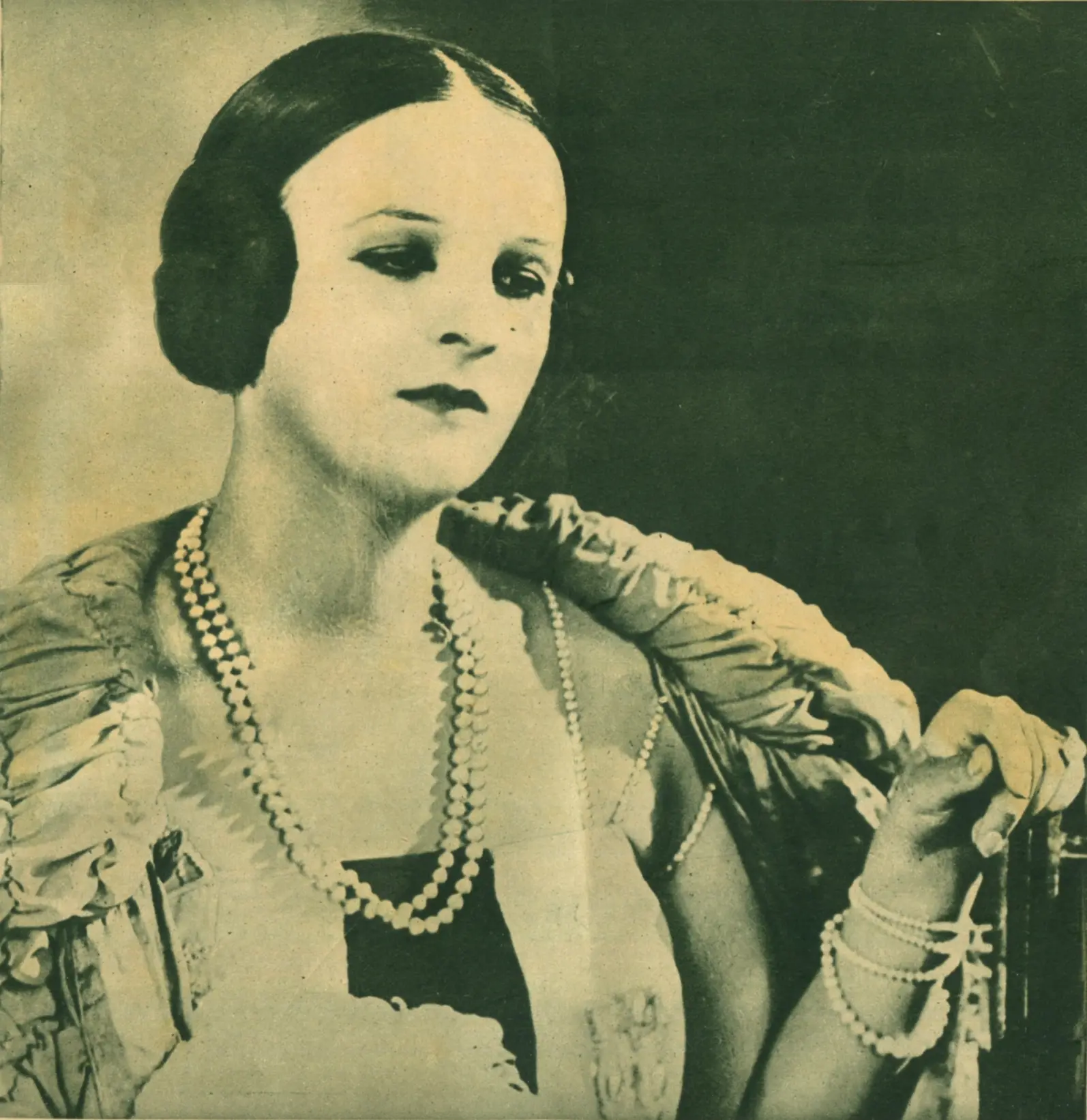
"La Justicière," or "The Avenger," is a title that promises a specific kind of narrative, and the film largely delivers on that promise, albeit with the stylistic nuances of its era. At its core, it’s the story of a woman, portrayed with an arresting intensity by Carrasco, who decides that the scales of justice need a firm, personal hand to balance them. The specifics of her motivation are deliberately shrouded, lending an air of mystery that serves the narrative well, preventing her from becoming a mere caricature of revenge.
The film unfolds in a Paris that feels both grand and grimy, a city ripe for the kind of shadowy dealings that necessitate a figure like the Justicière. Maurice de Marsan and Jean Cassagne, the writers, craft a world where the line between criminal and respectable citizen is often blurred, creating a fertile ground for moral exploration. It’s less about a single villain and more about a pervasive sense of injustice that the protagonist feels compelled to address.
Her methods are precise, almost surgical, suggesting a deep understanding of the criminal underworld she targets. This isn't brute force; it's calculated intervention. The film excels in portraying her as a ghost in the machine, a silent observer who strikes with swift, decisive action. It’s a character study of obsession, a portrait of a woman consumed by a singular, righteous purpose.
Absolutely, but with caveats. La Justicière is a vital piece of cinematic history, showcasing early attempts at a complex female protagonist in a genre often dominated by men. Its atmospheric direction and Carrasco's central performance are compelling reasons to seek it out.
However, be prepared for a viewing experience that reflects its age. The pacing can feel languid by modern standards, and some narrative conventions might seem simplistic. It requires an appreciation for the context of its creation.
Here’s a concise breakdown of its strengths and weaknesses:
The true triumph of La Justicière lies in its performances, particularly that of Carrasco in the titular role. She doesn't just play a character; she embodies an idea. Her eyes, often shadowed and intense, convey a profound sense of purpose and a simmering rage that rarely boils over, making her actions all the more chillingly deliberate. There's a scene, early on, where she observes a transaction in a dimly lit café; her stillness, contrasted with the bustling activity around her, speaks volumes about her isolation and her singular focus. It’s a nuanced performance that defies the common perception of silent film acting as overly melodramatic.
Albert Préjean, known for his later work in classics like Jean Renoir’s La Chienne, here offers a compelling counterpoint, likely as a detective or perhaps a morally compromised figure. His presence brings a grounded realism that often clashes effectively with Carrasco’s almost spectral quality. Marianne Lauf, Dax Berthy, and the rest of the ensemble, including the formidable René Navarre, contribute to a rich tapestry of Parisian life, each face telling a story, even if their characters are afforded less screentime.
The direction is a marvel of atmospheric storytelling. The film frequently employs deep focus and chiaroscuro lighting, creating a sense of foreboding that permeates every frame. One particular sequence, involving a pursuit through rain-slicked cobblestone streets, is a masterclass in visual tension. The puddles reflect the flickering gaslight, and the shadows stretch long and menacing, transforming a simple chase into a psychological cat-and-mouse game. This visual language is far more sophisticated than many of its contemporaries, placing it alongside films like The Avalanche in its expressive power.
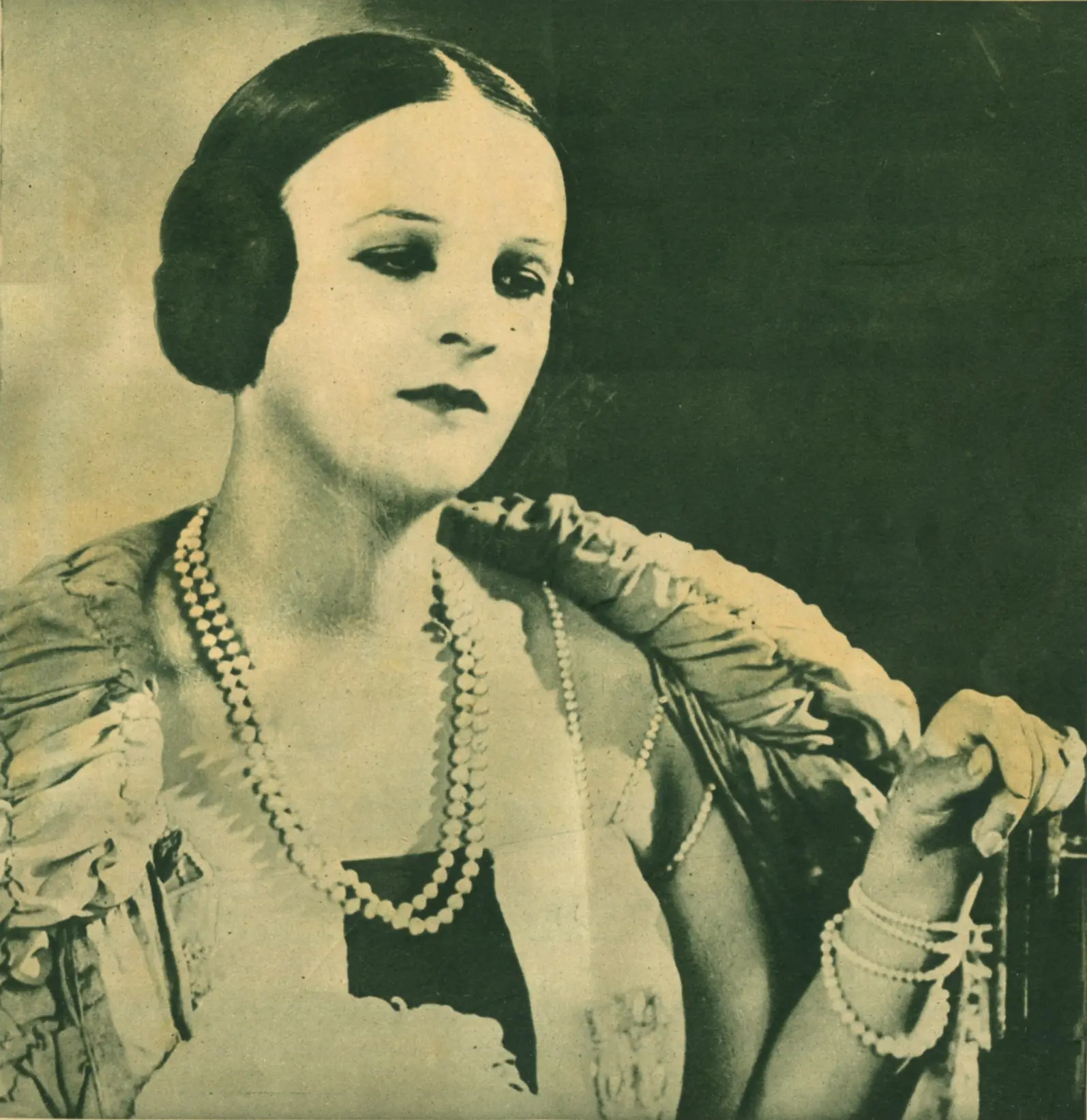
Pacing is often the most challenging aspect of re-evaluating older films, and La Justicière is no exception. It operates on a more deliberate rhythm, allowing scenes to breathe and emotions to slowly build. This isn't a film that rushes to its conclusions; it savors the journey, the quiet moments of observation, and the meticulous planning of its protagonist. While this can sometimes lead to stretches that feel slow by modern standards, it also allows for a deeper immersion into the film's world and its central character's psyche.
The tone is consistently grim, verging on melancholic, yet punctuated by moments of stark, almost brutal action. There’s a pervasive sense of moral decay, a feeling that justice, in its traditional sense, is a luxury the city cannot afford. This creates a fascinating tension, as the audience is forced to grapple with whether the Justicière's actions, however violent, are truly justified in such a broken world. It’s a surprisingly modern existential quandary for a film of its vintage.
The absence of sound only amplifies this tone, forcing the viewer to rely solely on visual cues, music (if a score is present), and intertitles. This enhances the film's dreamlike, almost operatic quality, where every gesture and expression carries immense weight. The melancholic undertones are particularly effective during the scenes where the Justicière reflects on her path, often framed against the stark, imposing architecture of Paris.
The cinematography of La Justicière is, for its time, remarkably sophisticated. The use of deep shadows is not merely aesthetic; it's narrative. The Justicière herself is often framed in silhouette or emerges from the darkness, visually reinforcing her clandestine nature. This approach lends a nascent noir sensibility to the proceedings, predating the full flourishing of the genre by decades. The camerawork is often static, but when it moves, it does so with purpose, guiding the viewer's eye to crucial details.
The production design, too, is commendable. The film transports you to a specific period of Parisian history, from the bustling markets to the opulent, yet often corrupt, drawing rooms of the elite. The attention to detail in costumes and sets grounds the fantastical premise of a lone avenger in a tangible reality. The contrast between the squalor of the back alleys and the grandeur of the boulevards is sharply drawn, highlighting the societal divides that likely fuel the Justicière's crusade. This meticulous world-building is a testament to the artisans behind the camera, making the film feel less like a stage play and more like a living, breathing city.
One particularly striking element is the recurrent motif of urban decay contrasted with the city’s inherent beauty. Shots of crumbling walls juxtaposed with iconic Parisian landmarks create a visual metaphor for the moral decay the film explores. It’s a subtle yet powerful technique that elevates the film beyond a simple crime story.
At its heart,
The film also touches upon themes of female agency and power. In an era where women's roles were often confined, the Justicière is a radical figure, taking control of her destiny and actively shaping the world around her, even if through violent means. This makes the film surprisingly progressive for its time, challenging gender norms long before such discussions became mainstream. Her strength is not just physical, but an unyielding force of will.
The film's exploration of vengeance is also nuanced. It avoids glorifying her actions entirely, instead hinting at the personal cost of such a solitary crusade. There's a palpable sense of loneliness that surrounds her, suggesting that even justified vengeance comes at a steep price. This makes the film resonate beyond a simple genre piece, elevating it to a more profound commentary on human nature and societal responsibility.
"La Justicière isn't just a historical curiosity; it's a potent, if imperfect, exploration of justice that still resonates."
La Justicière is not a perfect film, nor is it one that will appeal to every palate. It is, however, a fascinating and often compelling piece of cinematic history that deserves to be rediscovered. Its strengths lie in its audacious central performance, its evocative visual style, and its surprisingly complex thematic underpinnings. For those willing to engage with its historical context and its deliberate pace, it offers a rich and thought-provoking experience.
It's a testament to the power of early cinema to tackle weighty subjects with artistry and conviction. While it may not leave you cheering, it will certainly leave you thinking about the blurred lines between right and wrong, and the heavy burden of pursuing justice outside the law. Go into it with an open mind and an appreciation for what it represents, and you'll find much to admire in this forgotten French gem.
IMDb 5.5
1933
Community
Log in to comment.