DbcultAccessing Vault...
Cult Review
Senior Film Conservator
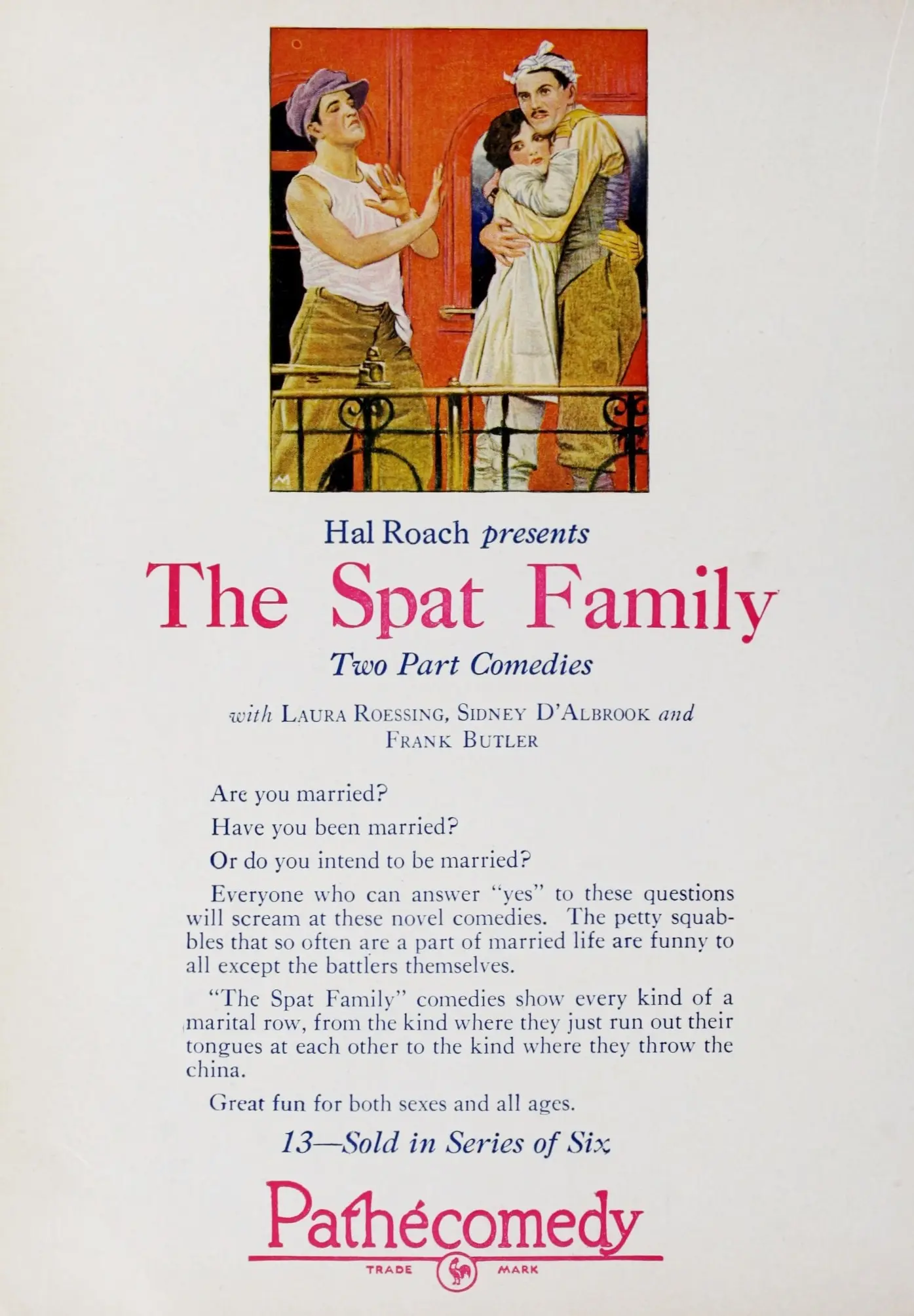
To speak of Hit the High Spots is to speak of the very DNA of the Hal Roach studio before it became the behemoth of the 'Our Gang' and Laurel & Hardy eras. This 1918 curiosity, often eclipsed by the shadow of Mack Sennett’s more chaotic Keystone productions, offers a fascinating glimpse into a more structured, character-driven form of slapstick. While contemporaries like During the Plague were exploring the darker, more visceral anxieties of the human condition, Roach was busy literalizing the concept of social climbing through the lens of Alpinism.
The premise is deceptively simple: the Tewksbury family, led by the enigmatic Brother Ambrose, decides to conquer the heights. However, in the hands of writer-director Hal Roach and a cast led by the versatile Sidney D'Albrook, this simple ascent becomes a profound meditation on the instability of the bourgeois identity. When we look at films of this period, such as Be a Little Sport, we see a recurring theme of the middle class attempting to perform tasks far beyond their physical or mental paygrade. Hit the High Spots takes this to its logical, vertical extreme.
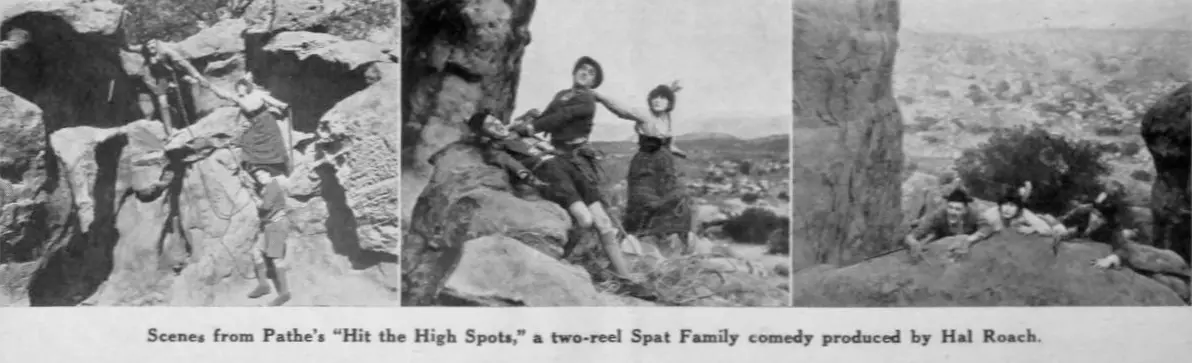
The choreography of the mountain climb in this film is nothing short of revolutionary for 1918. Unlike the flat, stage-bound comedies of the early 1910s, Roach utilizes the rugged terrain to create a multi-dimensional space for humor. The ropes, the ice axes, and the sheer verticality of the landscape are not merely props; they are active participants in the narrative. We see a similar utilization of space in The City of Masks, though Roach’s approach is far more visceral and physically demanding.
Frank Butler and Laura Roessing provide a perfect foil to D’Albrook’s frantic energy. There is a specific rhythm to their failure—a syncopated beat of slips, slides, and near-catastrophes that mirrors the industrial anxieties of the time. Just as the world was emerging from the horrors of the Great War, audiences found a peculiar catharsis in watching a family struggle against the indifferent forces of nature. It is a stark contrast to the more somber, atmospheric storytelling found in The Honor of His House, yet both films deal fundamentally with the preservation of dignity under duress.
The character of Brother Ambrose is perhaps the most intriguing element of the film. He functions as a sort of proto-guru, a figure of authority whose guidance invariably leads to disaster. This trope of the misguided leader was a staple of the era, seen in various forms in films like The Torch Bearer. However, in Hit the High Spots, the irony is sharpened by the physical stakes. When Ambrose points toward a peak, he isn't just offering spiritual guidance; he is inviting a literal fall from grace.
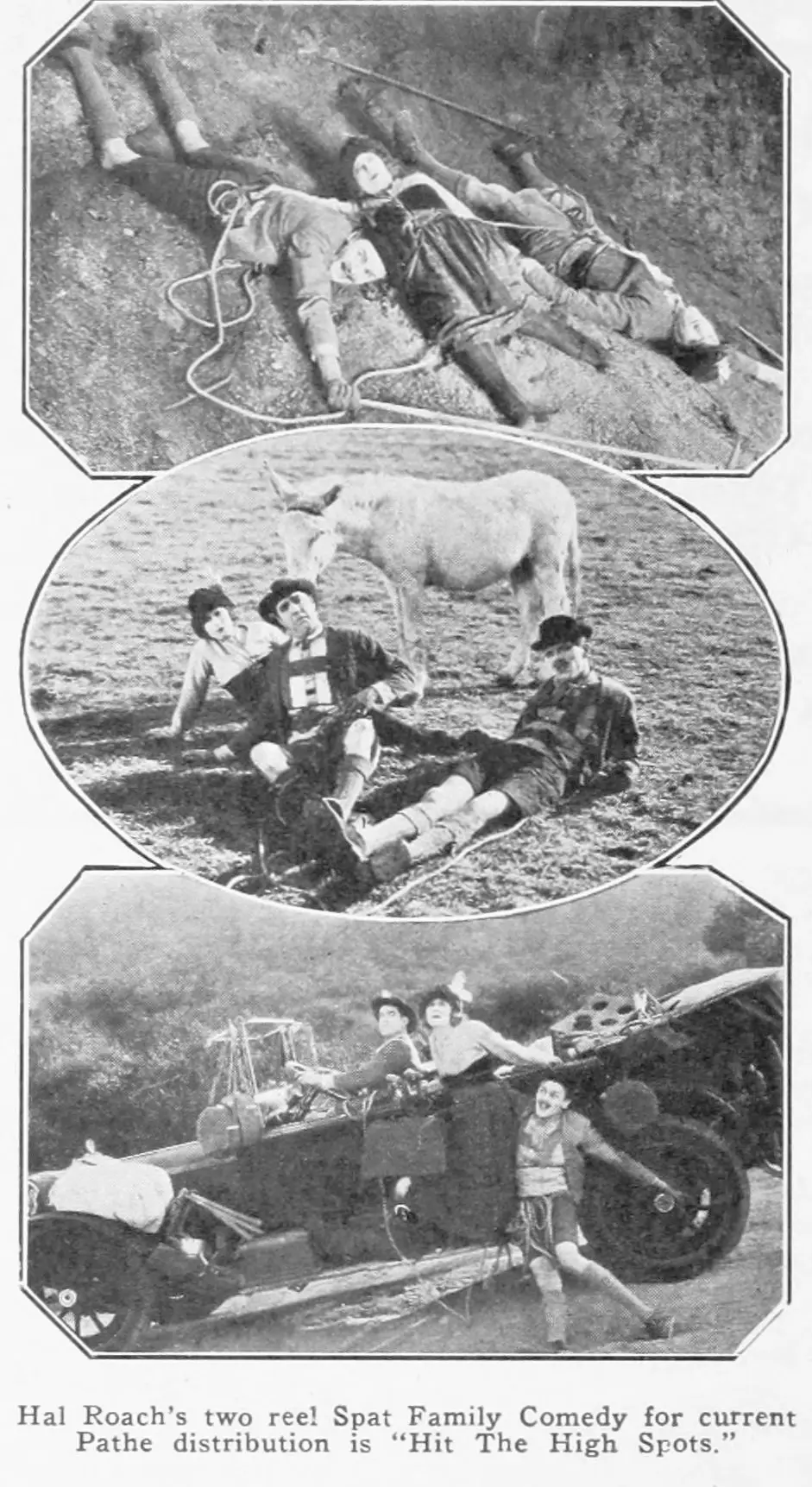
The lexical diversity of the visual language here is striking. Roach doesn't rely solely on the pratfall. He uses the contrast between the Tewksbury's pristine, high-end Alpinist gear and their utter lack of competence to create a satirical bite. They look the part, but they cannot play the part. This disconnect between appearance and reality is a theme that echoes through Alias Mary Brown and The White Masks, suggesting a broader cultural preoccupation with the performative nature of social status during the late 1910s.
From a technical standpoint, the cinematography captures the scale of the mountains with a clarity that was rare for low-budget shorts of the period. The use of natural light and the depth of field during the climbing sequences provide a sense of immersion that grounds the slapstick in a believable reality. This realism makes the gags land harder; when a character dangles over a precipice, the danger feels tangible, elevating the comedy to something approaching the sublime. It’s a far cry from the more stylized, almost expressionistic shadows of La luz, tríptico de la vida moderna, yet it achieves a similar level of visual engagement through its dedication to the environment.
The editing, too, deserves recognition. The cross-cutting between the different family members as they navigate their respective hazards creates a mounting sense of tension that is released only through the inevitable punchline. It’s a masterclass in comedic timing that Roach would later refine in his more famous works. One can see the seeds of the 'slow burn' technique that would become a hallmark of 1920s comedy. For those interested in the evolution of these editing techniques, comparing this film to Der Mann ohne Namen - 1. Der Millionendieb reveals the distinct differences between the American slapstick tradition and the more narrative-heavy European style.
When we place Hit the High Spots alongside its peers, we begin to see its unique position. While Somebody Lied focuses on the domestic deceptions of the suburbs, Roach takes those same domestic anxieties and transplants them to the wilderness. There is something inherently more vulnerable about the Tewksbury family when they are stripped of their walls and roofs. The mountain acts as a giant truth-teller, exposing their vanities and their frailties with every gust of wind.
Similarly, if we look at Winter Has Came, we see another exploration of the elements as a comedic antagonist. However, Hit the High Spots feels more ambitious in its scope. It isn't just about surviving the cold; it's about the vertical journey, the aspiration to reach the top, and the hilarious reality of staying at the bottom. The film shares a certain DNA with Queens Are Trumps in its depiction of social maneuvering, but here the 'maneuvering' involves ropes and crampons rather than cards and ballrooms.
Why does a short about a mountain-climbing family from 1918 still resonate? Perhaps it is because the 'Tewksbury' archetype never truly went away. We see them today in every disastrous family vacation and every ill-fated corporate team-building exercise. Roach captured a universal truth about the human urge to 'hit the high spots' without first checking if we have the stamina to reach them. The film is a precursor to the more polished domestic comedies like Once a Mason, but it possesses a raw, unbridled energy that is often lost in later, more sophisticated productions.
The performances of D'Albrook and Butler are essential to this longevity. They possess a rubber-limbed physicality that seems to defy the very gravity they are struggling against. Their movements are a form of silent poetry, a kinetic dialogue that communicates more than any intertitle ever could. It is this commitment to the physical reality of the gag that sets Roach apart from his contemporaries. Even in a film as seemingly light as this, there is a dedication to the craft of comedy that is palpable in every frame.
In the broader context of 1910s cinema, Hit the High Spots stands as a testament to the power of the simple premise executed with precision. It doesn't need the elaborate sets of Boman på utställningen or the sentimental weight of The Faded Flower. It only needs a mountain, a rope, and a group of people who have no business being on either.
Hal Roach understood that the funniest thing in the world is a person trying to maintain their dignity while sliding down a granite face on their backside. By leaning into the absurdity of the Alpinist gear and the misplaced confidence of Brother Ambrose, he created a work that is both a product of its time and a timeless piece of physical theater. It remains a vital chapter in the history of the Roach studio and a must-watch for anyone interested in the foundational blocks of cinematic comedy. The climb might be a failure for the Tewksbury family, but for the audience, the film is a resounding peak.
Final Verdict: A Slapstick Ascent
While often overlooked in the annals of silent film history, Hit the High Spots offers a masterclass in spatial comedy and ensemble timing. It is a vibrant, vertical romp that deserves its place among the high-altitude achievements of early cinema.
IMDb —
1922
Community
Log in to comment.