DbcultAccessing Vault...
5.2/10
Senior Film Conservator
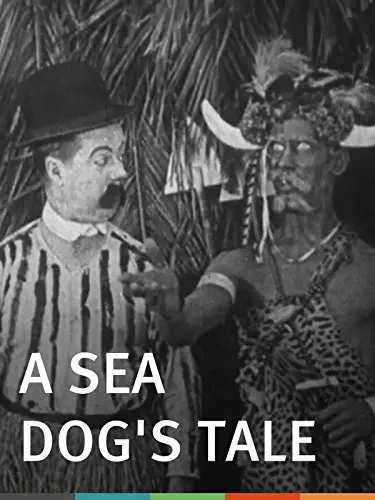
A definitive 5.2/10 rating for a film that redefined the boundaries of cult cinema. A Sea Dog's Tale remains a cornerstone of transgressive art.
Should you spend your afternoon with a silent short about a royal kidnapping? Short answer: yes, but only if you have an appetite for the unhinged, manic energy of 1920s slapstick. This isn't the refined, poetic comedy of Buster Keaton or the sentimental journey of Chaplin. This is Mack Sennett production at its most aggressive. It is a film for those who appreciate the mechanics of a well-timed fall and the absurdity of a plot built on a whim. It is absolutely not for those who require narrative logic or sensitive cultural depictions, as it leans heavily into the broad, often problematic tropes of its time.
Is this film a lost classic that redefines cinema? No. Is it a fascinating, high-speed artifact of physical comedy? Absolutely. For the modern viewer, the value lies in witnessing the sheer density of gags packed into a short runtime. Unlike modern comedies that rely on dialogue to bridge the gaps between set pieces, A Sea Dog's Tale is a relentless machine of visual movement. If you want to understand where the DNA of Looney Tunes came from, you watch this.
1) This film works because the ensemble cast, led by Billy Bevan and Vernon Dent, treats the most ridiculous premises with a stone-faced commitment that elevates the slapstick.
2) This film fails because the central conceit—the kidnapping of a man for a princess's amusement—is stretched thin, leading to a middle act that feels more repetitive than inventive.
3) You should watch it if you are a student of silent comedy who wants to see the transition from early rough-and-tumble shorts to the more polished, technical physical comedy of the mid-1920s.
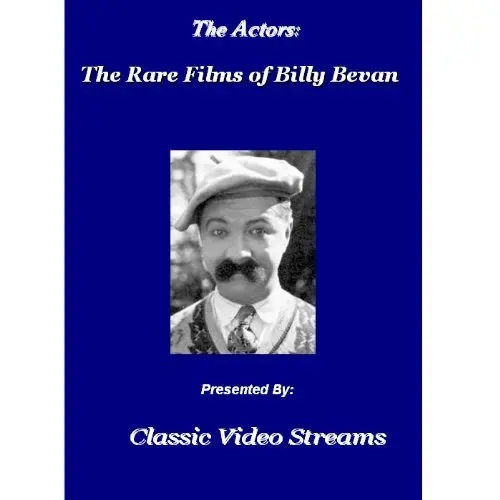
Billy Bevan is the anchor of this madness. While many silent actors of the period relied on wild eye-rolling and excessive gesturing, Bevan’s strength was his mustache and his stillness. In A Sea Dog's Tale, he plays the 'victim' of the plot with a bewildered resignation that is funnier than any frantic run. When the King’s agents finally track him down in the U.S., Bevan’s reactions aren't those of a man in terror, but of a man deeply inconvenienced by the absurdity of his situation. It is a performance style that feels surprisingly modern.
Consider the scene where the agents first attempt to capture him. The geometry of the gag is perfect. There is a specific moment where Bevan is nearly caught, escapes by pure accident, and remains completely oblivious to the threat behind him. This kind of 'near-miss' comedy requires surgical timing. It reminds me of the better moments in Don't Weaken, where the environment is as much a character as the actors themselves. Bevan doesn't just act; he reacts to the physics of the world around him.
The direction by the writing and directing team—including Phil Whitman and Clarence Hennecke—is quintessential Sennett. There is a total lack of 'prestige' here. Unlike the artistic aspirations seen in The Flames of Johannis or the social weight of Where Are My Children?, this film exists solely to trigger a visceral laugh. The island sets are intentionally artificial, creating a dream-like (or nightmare-like) space where the laws of the real world don't apply. This artifice is a strength, not a weakness.
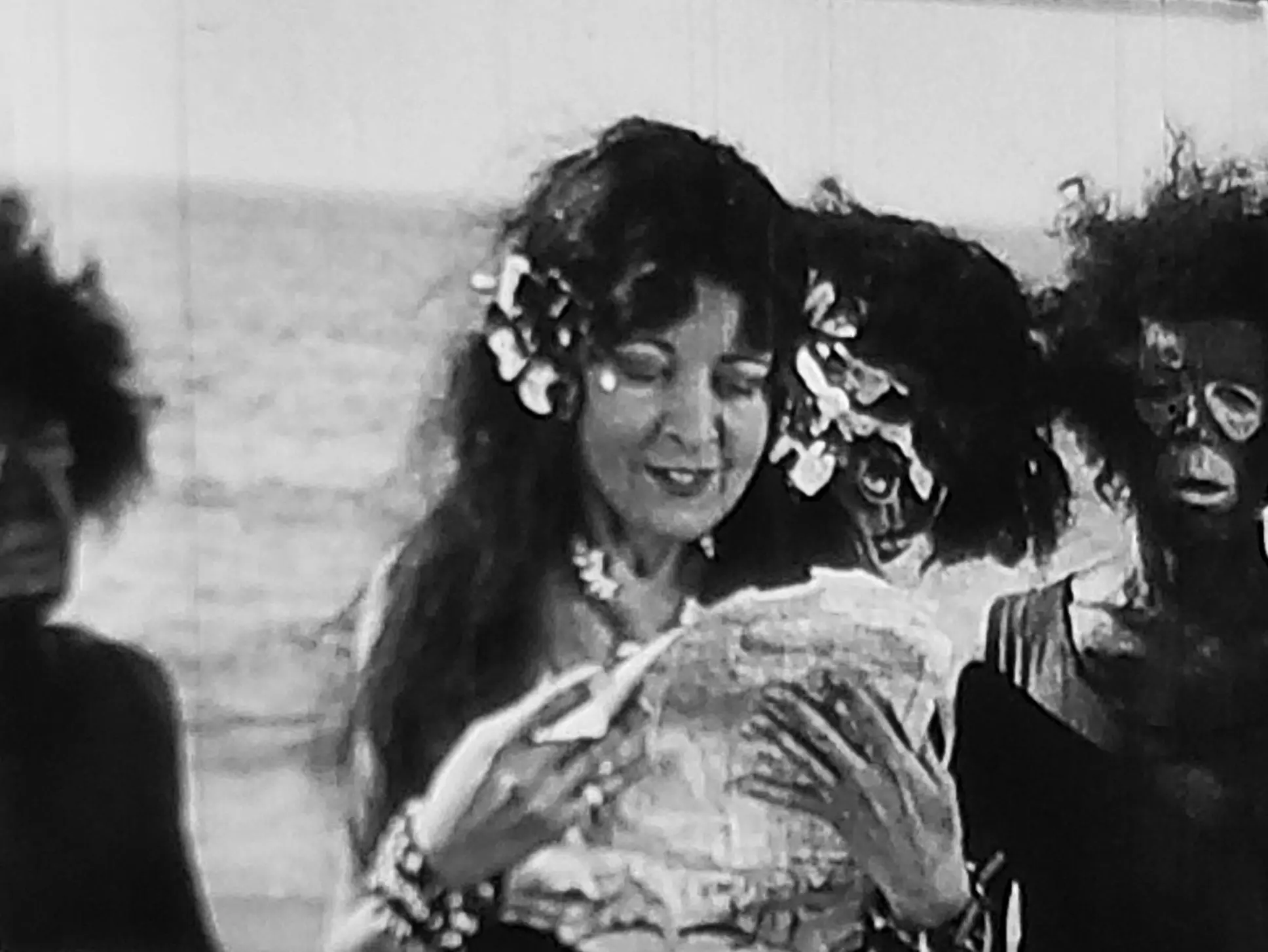
The cinematography doesn't try to be beautiful. It tries to be clear. Every shot is framed to ensure the audience sees the banana peel, the open trapdoor, or the approaching agent. There is a brutal simplicity to it. In one particular chase sequence through the city streets, the camera captures the scale of the 1920s American urban landscape, providing a jarring but effective contrast to the 'island' scenes. This juxtaposition highlights the film's underlying theme of the 'civilized' world being just as chaotic as the 'savage' one.
With four credited writers—Whitman, Hennecke, Giebler, and Smith—the script feels like a collection of the best ideas from a smoke-filled room. This collaborative approach was common at the Sennett studio, often resulting in films that feel like a series of vignettes tied together by a loose thread. In A Sea Dog's Tale, that thread is the princess's obsession. It’s a thin premise, but it allows the writers to explore different types of comedy: from the situational irony of the agents in the city to the pure physical destruction of the finale.
It is interesting to compare this to Sally of the Sawdust, which used a more traditional narrative arc to house its gags. Here, the narrative is almost an afterthought. The film asks: 'What if we put these weird characters in this weird place?' and then lets the actors figure it out. It’s improvisational in spirit, even if the stunts were meticulously planned. The writing doesn't aim for character development; it aims for impact.
If you are looking for a deep emotional resonance, look elsewhere—perhaps toward Lille Dorrit. But if you want to see the raw, unpolished power of silent comedy, this is a must-watch. It is a loud film for a silent one. The visual noise is constant. It represents a specific moment in film history where the medium was fully aware of its power to manipulate reality for a laugh. It works. But it's flawed.
The film’s portrayal of the islanders is, by modern standards, incredibly dated and relies on caricatures that can be uncomfortable to watch. However, as a historical document, it shows us what 1926 audiences found hilarious. The 'othering' of the islanders is used as a comedic engine, which is a common, albeit regressive, trope of the era. If you can view it through a critical historical lens, there is much to learn about the evolution of cinematic humor.
Pros:
The pacing is relentless; there is never a dull moment. The chemistry between the 'agents' is a highlight of ensemble comedy. The film features some genuinely impressive stunt work that predates the modern action-comedy genre. It serves as a perfect example of the Sennett 'house style.'
Cons:
The plot is essentially a single joke told for 20 minutes. The cultural depictions are cringeworthy by today's standards. Some of the visual gags feel recycled from earlier Sennett shorts like Don't Weaken.
While Bevan is the star, Vernon Dent is the secret weapon. Dent was one of the most versatile supporting players in silent comedy, and his ability to play the 'straight man' to Bevan's 'victim' is crucial. The agents sent to the U.S. are played with a delightful lack of competence. Their attempts to navigate a modern city—getting tangled in traffic, failing to understand basic technology—provide some of the film's most grounded laughs.
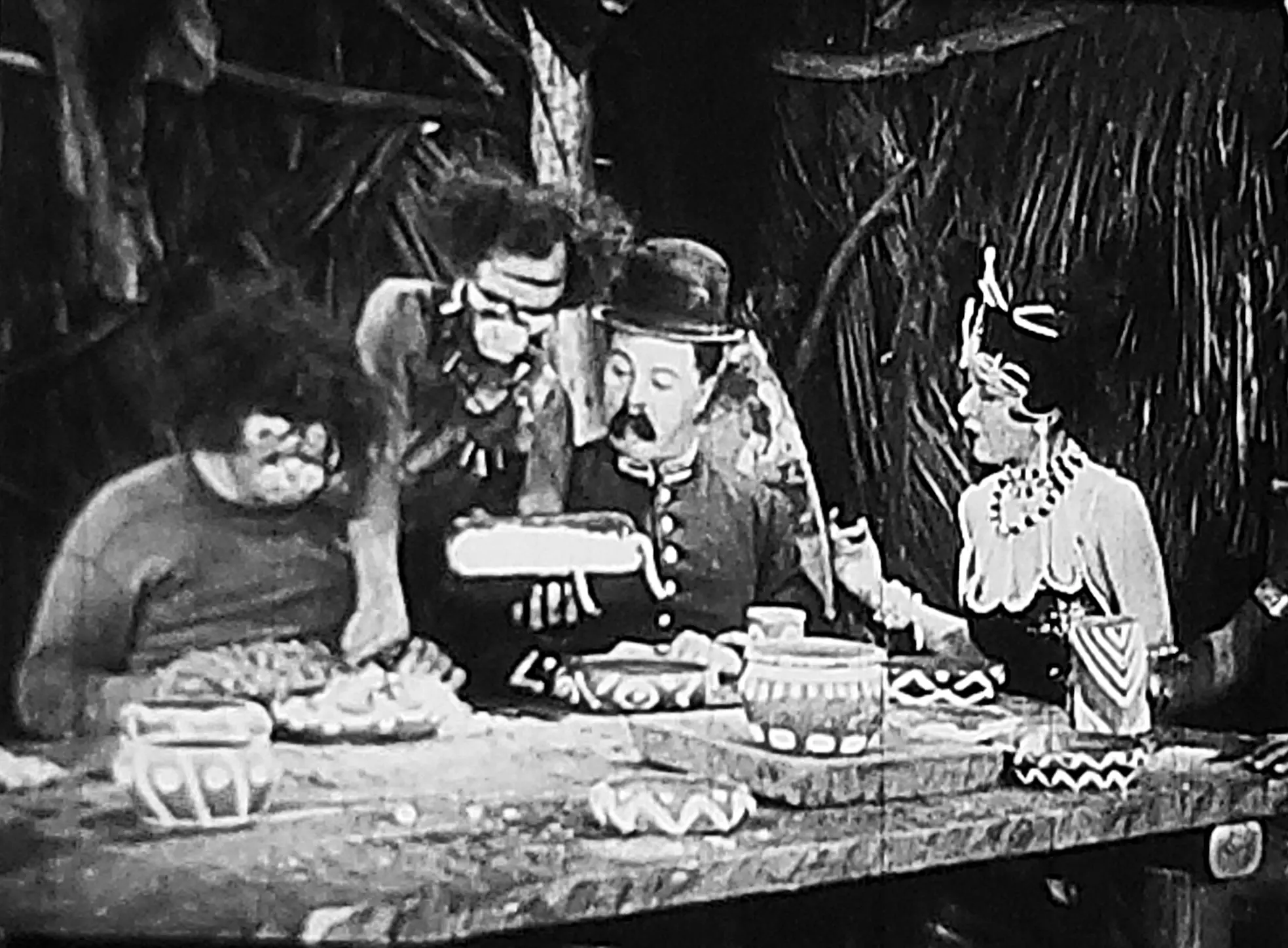
The inclusion of actors like Andy Clyde and Madeline Hurlock ensures that every frame is filled with talent. These were the 'utility players' of the silent era, capable of taking a fall or delivering a double-take with professional precision. Their presence makes the world of A Sea Dog's Tale feel lived-in, despite its absurdity. They aren't just background characters; they are essential cogs in the gag machine.
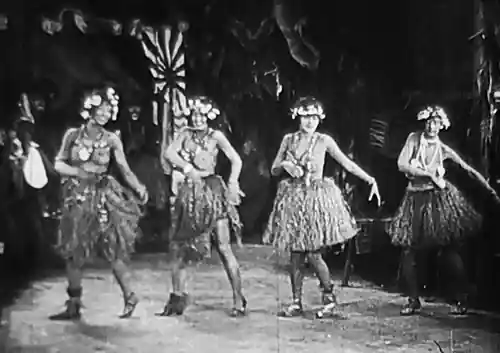
There is a reason these films were global hits. You don't need to speak English to understand the humor of a man being chased by a king's agents because a princess saw his picture in a newspaper. It is primal. It is the comedy of the chase. In many ways, A Sea Dog's Tale is more accessible than the dialogue-heavy comedies of the 1930s. It relies on the universal language of gravity and motion.
When compared to more narrative-driven films like Hands Up!, which also came out in 1926, A Sea Dog's Tale feels less like a movie and more like a carnival ride. It doesn't want your respect; it wants your adrenaline. This lack of pretension is refreshing, even if the film lacks the 'soul' of a Keaton masterpiece. It is honest about what it is: a distraction.
A Sea Dog's Tale is a chaotic, imperfect, and fascinating slice of silent cinema. It showcases Billy Bevan at the height of his powers and the Mack Sennett studio at its most frenetic. While the story is paper-thin and the cultural tropes are dated, the technical execution of the slapstick remains impressive nearly a century later. It is a loud, proud, and slightly broken piece of film history that deserves a look from anyone interested in the roots of visual comedy. Watch it for the mustache, stay for the mayhem, and forgive it for its age. It’s a wild ride that proves you don't need a complex plot to create a memorable experience. It’s not deep, but it’s fast. And sometimes, fast is enough.

IMDb 6.6
1915
Community
Log in to comment.