DbcultAccessing Vault...
6.9/10
Senior Film Conservator
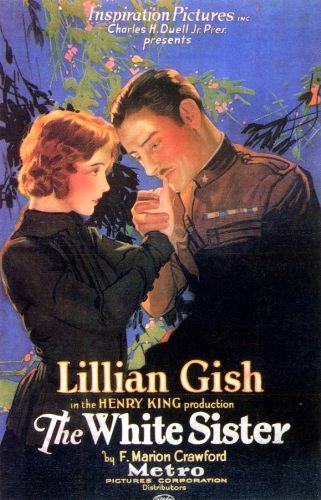
A definitive 6.9/10 rating for a film that redefined the boundaries of cult cinema. The White Sister remains a cornerstone of transgressive art.
Stepping back into the hallowed halls of silent cinema, one encounters works that, despite their age, resonate with an astonishing, timeless power. Among these cinematic treasures, The White Sister from 1923 stands as a profound testament to the era's storytelling prowess, its emotional depth, and the unparalleled artistry of its leading lady, Lillian Gish. More than just a historical artifact, this film, adapted from Francis Marion Crawford’s celebrated novel, presents a heart-wrenching meditation on love, duty, and the seemingly insurmountable barriers fate can erect. For contemporary audiences, it offers a window into a bygone era of dramatic expression, where the absence of spoken dialogue only amplifies the visceral impact of every gesture, every tear, every longing glance.
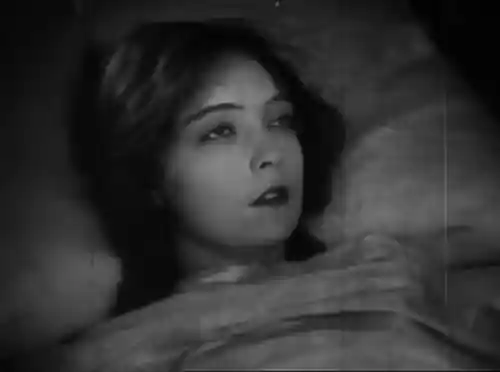
At its core, The White Sister is a grand, operatic tragedy. It plunges us into the life of Giovanna, portrayed with exquisite fragility and formidable inner strength by Gish. Her world, initially bathed in the warm glow of burgeoning romance with Captain Giovanni Severi (the dashing Ronald Colman, in one of his early, magnetic performances), is abruptly plunged into shadow. The cruel machinations of war, an ever-present specter in early 20th-century narratives, snatch Giovanni away, his presumed death leaving Giovanna utterly bereft. In a world where women’s options for societal contribution and personal solace were often circumscribed, Giovanna’s path, in her profound grief, leads her to the convent. She takes the veil, dedicating her life to God, a solemn vow intended to mend a shattered spirit and offer eternal peace. This act of spiritual surrender, however, sets the stage for a dramatic conflict of epic proportions.

The narrative, meticulously crafted by writers Don Bartlett, George V. Hobart, Charles E. Whittaker, Francis Marion Crawford, Walter C. Hackett, and Will M. Ritchey, then delivers its devastating blow: Giovanni, miraculously, inexplicably, returns. He emerges from the crucible of war, alive and desperate to reclaim the woman he loves, unaware of the sacred, irrevocable vows she has taken. This twist, while a common trope in romantic melodramas, is handled here with such sensitivity and emotional gravitas that it feels fresh and agonizingly real. Giovanna is trapped, a living embodiment of an impossible dilemma: her sacred commitment to God, her spiritual marriage, against the fiery, undiminished passion for her earthly beloved. The film transforms this personal anguish into a universal exploration of faith, love, and the often-merciless hand of destiny.
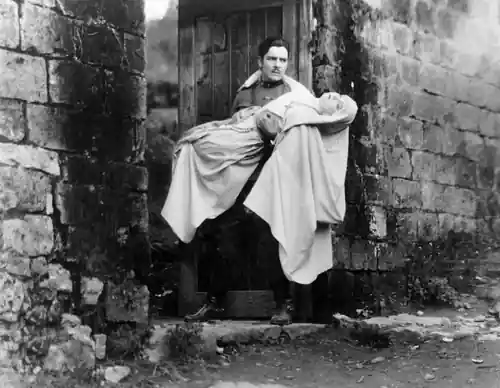
To speak of The White Sister without a deep dive into Lillian Gish's performance would be a disservice to cinematic history. Gish, already a titan of the screen by 1923, delivers a masterclass in silent acting. Her portrayal of Giovanna transcends mere pantomime; it is a meticulously sculpted study of interiority, conveyed through the subtlest shifts in expression, the eloquent language of her hands, and the profound sorrow etched into her eyes. When Giovanna learns of Giovanni's supposed death, Gish doesn't resort to histrionics; instead, her face becomes a landscape of desolate grief, a silent scream that echoes louder than any spoken word. Later, when Giovanni reappears, her struggle is palpable – the joy of his return warring with the despair of her unalterable vows. It’s a performance of exquisite control, where every tremor of a lip, every hesitant step, communicates volumes about her character's unbearable predicament. Her ability to convey deep emotional turmoil with such understated grace was unparalleled, making her a legend of her time and an enduring figure in film studies.
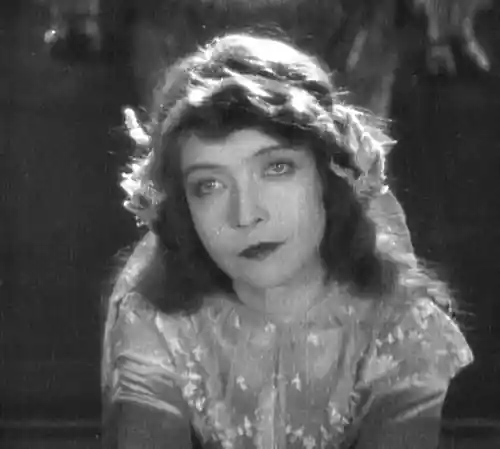
Gish's physical acting is legendary. She possessed an uncanny ability to convey vulnerability and strength simultaneously. Here, as a nun, her movements become more restrained, her gaze often directed upward, hinting at a constant internal dialogue with the divine. Yet, when confronted by Giovanni, the flicker of her past self, the young woman deeply in love, momentarily breaks through the convent's discipline. This is the essence of Gish's genius: she doesn't just act out emotions; she embodies the very soul of her characters, making their suffering and joy intensely personal for the viewer. Her presence alone elevates the film from a melodrama to a profound human drama, much in the way she carried other significant works of the era, establishing a benchmark for dramatic performance in the silent age. The subtlety of her craft allowed audiences to project their own feelings onto Giovanna's plight, creating a powerful, empathic connection that transcended the absence of spoken dialogue.
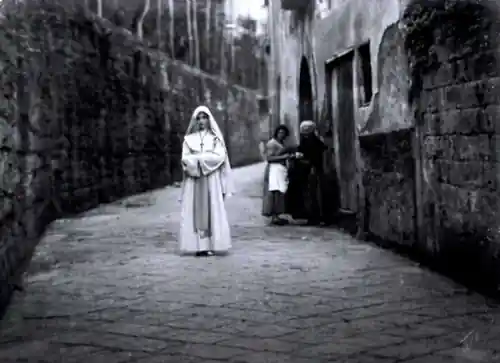
Ronald Colman, as Giovanni, provides a compelling counterpoint to Gish's ethereal presence. His performance is robust, passionate, and imbued with a youthful ardor that makes his heartbreak all the more poignant. Colman's Giovanni is a man of action and deep feeling, whose love for Giovanna is unwavering. His return, initially a moment of triumph, quickly sours into agonizing confusion and then desperate pleading as he grapples with the unassailable wall of her new identity. The chemistry between Gish and Colman, even in silence, is undeniable, their shared scenes charged with an electric tension that makes the viewer root for an impossible resolution. The supporting cast, including Ida Carloni Talli, Sheik Mahomet, Juliette La Violette, Gail Kane, Duncan Mansfield, Alfredo Martinelli, J. Barney Sherry, Alfredo Bertone, Antonio Barda, Charles Lane, Roman Ibanez, Giuseppe Pavoni, Giovanni Viccola, James E. Abbe, Ferruccio Biancini, Thelma Raye, Giacomo D'Attino, Francesco Socinus, Gustavo Serena,
IMDb —
1931
Community
Log in to comment.